Quick Facts
- Safety: According to the United States Coast Guard, children under 13 must wear a life jacket at all times on a moving vessel's deck.
- Guide Ratio: The premium industry standard for small ship expeditions is 1 guide for every 8 guests.
- Child Statistics: Data shows that in 82% of reported boating-related drowning deaths, the victim was not wearing a life jacket.
- Crew Perspective: Research indicates that 75% of yacht crew members genuinely enjoy hosting children younger than 15.
- Best Age: While some lines have no limit, age 5 or older is typically the sweet spot for adventure-based learning.
- Vessel Advantage: Unlike large ships, small yachts offer direct access to remote habitats and intimate marine biodiversity.
Yachting with kids on a small ship expedition is not a passive vacation; it is a rigorous, educational journey that brings your family closer to nature. Unlike large cruise ships, these intimate vessels offer deep marine biodiversity and adventure-based learning. Success depends on preparing kids for a boat vacation through early expectation setting and safety drills.
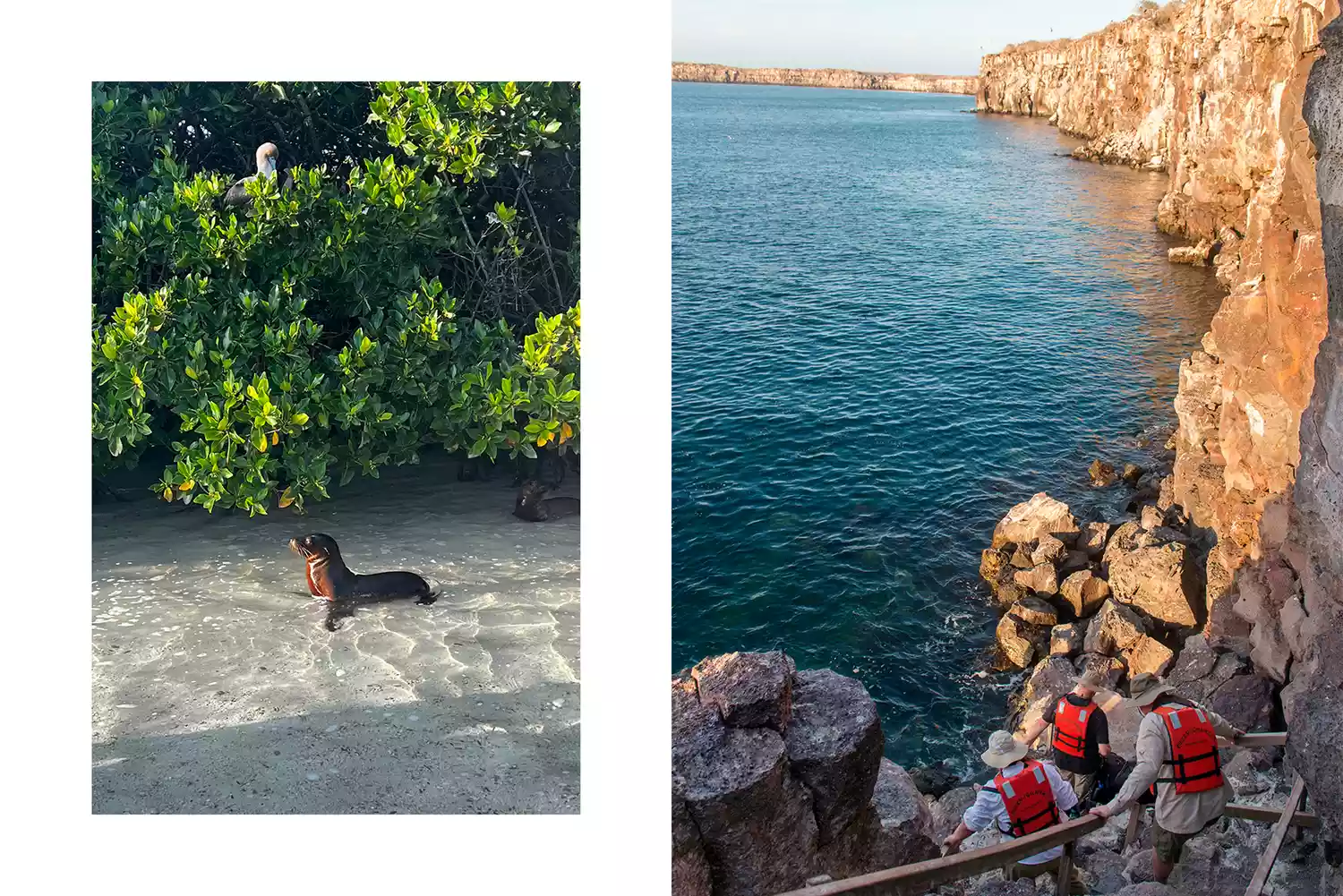
I still remember the first time I watched my daughter’s eyes widen as a curious sea lion pup paddled toward our Zodiac in the Galapagos. It wasn't the kind of scripted entertainment you find at a theme park resort; it was raw, unscripted wonder. As a family travel editor, I’ve seen it all, but there is something fundamentally different about taking a young child on a small ship expedition compared to a standard cruise.
When we talk about yachting with kids, many parents envision a cocktail-in-hand relaxation fest. But the reality of a small ship expedition with children is far more "National Geographic" than "luxury lounge." It’s an immersive, high-energy environment where the schedule is dictated by the tides and the wildlife, not a buffet timer. If you are ready to trade the water slides for tide pools, here is what the brochures don’t always tell you about the gritty, glorious reality of adventure-based learning on the high seas.
The Expedition Mindset: Beyond the Brochure
The most important thing to understand before signing up for yachting with kids is the "Expectation Reset." On a massive cruise ship, the environment is secondary to the amenities. On a yacht, the environment is the entire point. This often means a complete digital detox for the kids. While there might be satellite Wi-Fi, the real connection happens on the water.
You should prepare your children for a "vacation from their vacation." These trips are physically demanding. A typical day starts at dawn because that is when the whales are breaching or the penguins are most active. Small ship expedition with children follows the rhythm of nature, which means early wake-up calls and multiple shore excursions a day.
This environment-heavy style of travel is transformative. Instead of passive consumption, children engage in adventure-based learning. They aren't just looking at pictures of marine biodiversity; they are touching sea cucumber skin and listening to the blow of a humpback whale. However, be prepared for the "dawn start" exhaustion. By the third day, your little explorers might need a nap between the morning hike and the afternoon snorkel—and that's okay.
Hard Logistics: Age Gates and Cabin Realities
Choosing the right vessel is the biggest hurdle when planning a trip. Many parents ask about the best age to take a child on a small ship expedition. While infants are welcome on some luxury charters, five tends to be the magic number. At this age, kids have the motor skills to safely navigate a moving deck and the curiosity to engage with naturalist guides during shore trips.
Cabinet space is another reality check. Small ships pride themselves on an intimate cabin layout, which often means space is at a premium. Unlike hotels, you won't find many "connecting rooms." You’ll need to look specifically for vessels that offer triple cabins or designated family suites.
| Expedition Line | Minimum Age | Cabin Style for Families |
|---|---|---|
| Lindblad Expeditions | No minimum (Age 5+ recommended) | Interconnecting cabins & pullout beds |
| UnCruise Adventures | 8 years old (some exceptions) | Triple occupancy & side-by-side cabins |
| Quasar Expeditions | 6 years old (recommended) | Intimate layouts with family focus |
| Aqua Expeditions | 7 years old | Interconnecting suites available |
Maximizing small cabin space with a young child on a boat requires military-grade organization. Think collapsible storage, over-the-door organizers for sunscreens and snacks, and a "less is more" packing philosophy. Many modern yachts, like the Grace or the Evolution, have been retrofitted to accommodate multi-generational travel, but booking early is essential to secure the few rooms that allow for three guests.
Safety First: Zodiacs, PFDs, and The Open Bridge
Safety is the one area where there is no room for "island time" flexibility. According to United States Federal law, all children under the age of 13 must wear a U.S. Coast Guard-approved life jacket at all times while on the deck of a moving vessel. This isn't just a suggestion; it’s a non-negotiable part of family yachting safety tips.
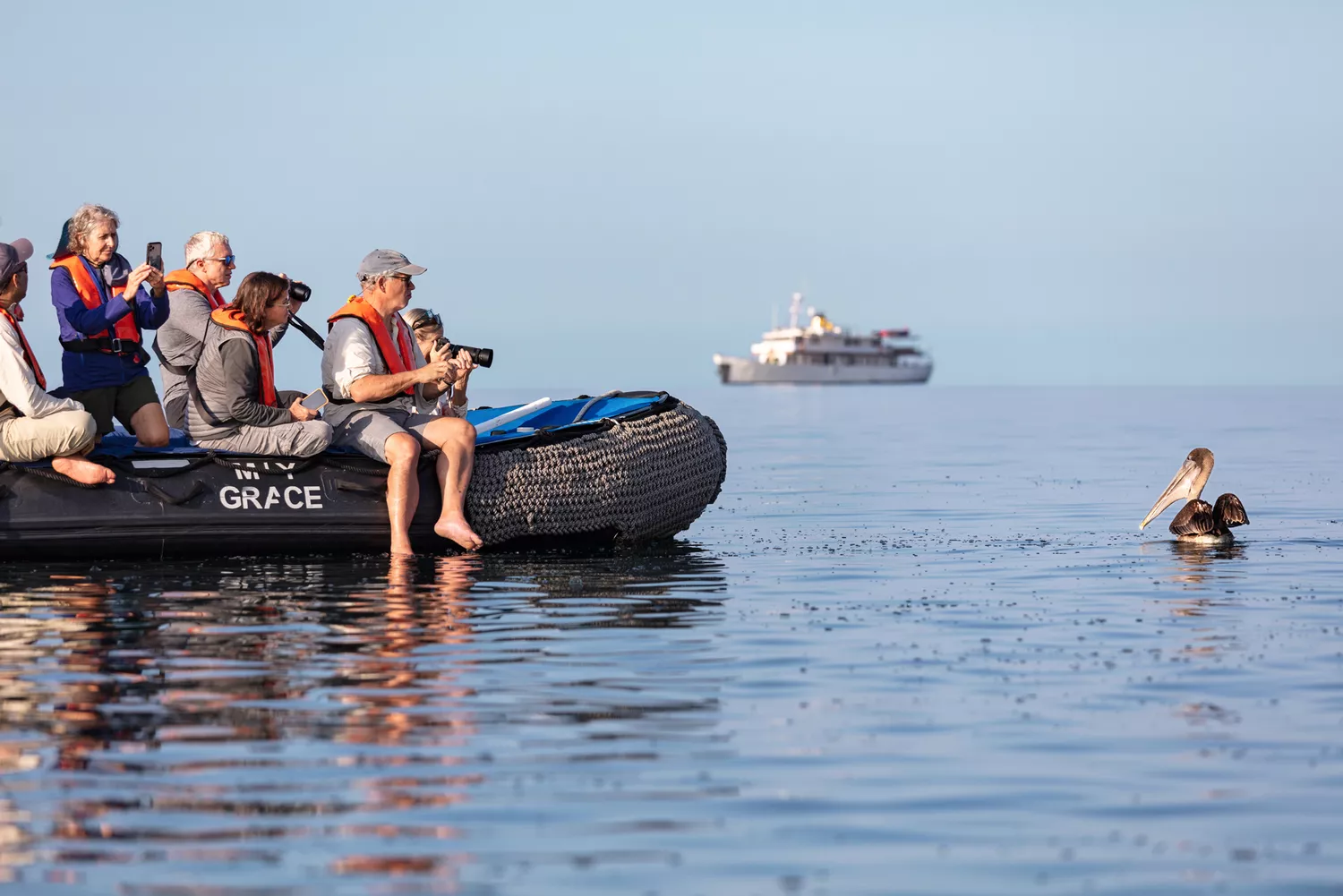
When yachting with kids, the transition from the "big boat" to the "small boat" (the Zodiac or panga) is the most critical moment. PFDs are mandatory, and crew members will insist on a "sailor’s grip" (forearm to forearm) to help children move safely between vessels.
Pro Tip: Don't rely solely on the ship's supply of life jackets for very young children. While most provide them, bringing your own well-fitted, U.S. Coast Guard-approved infant or child PFD ensures the highest level of comfort and safety for your little one.
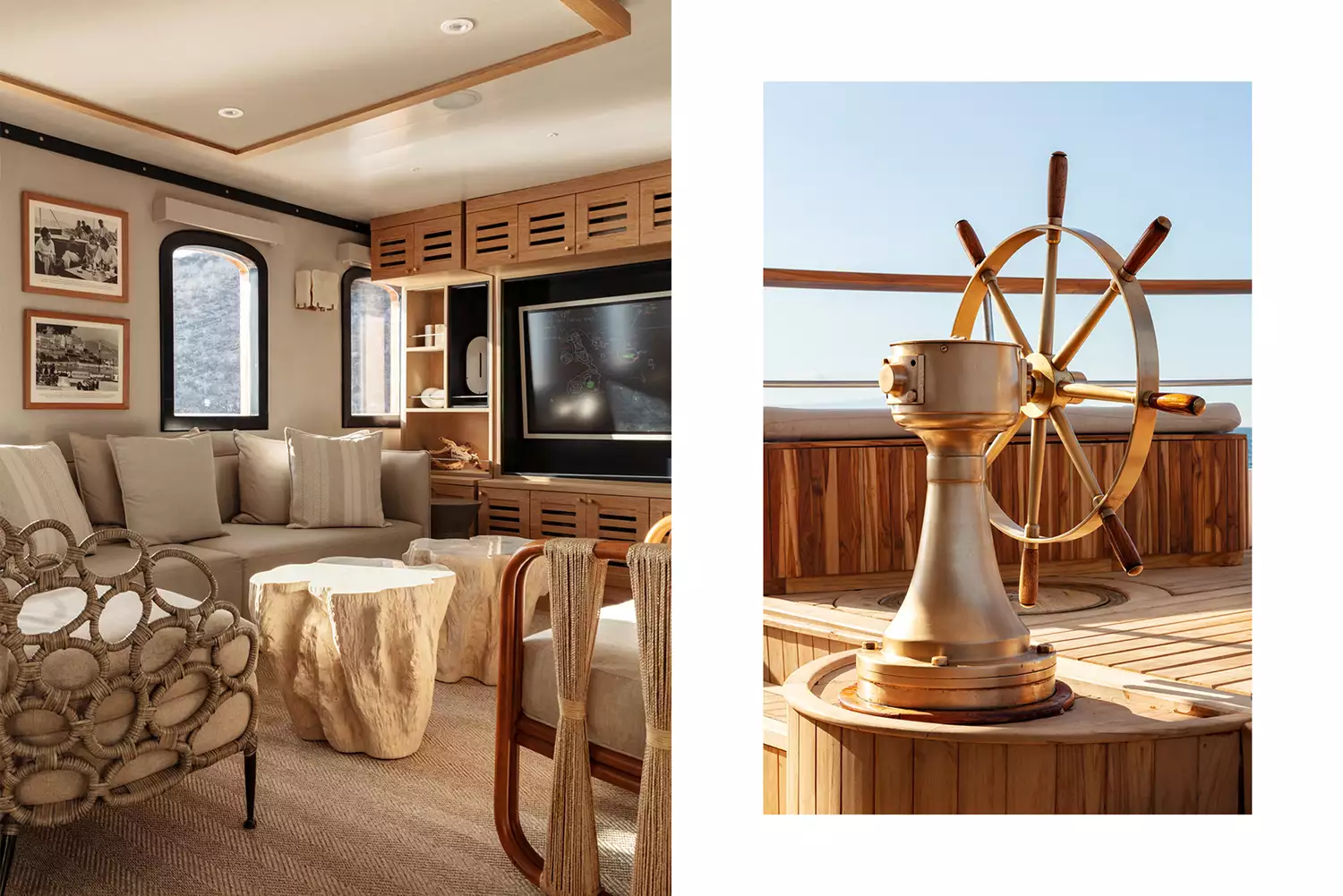
Beyond PFDs, childproof yacht safety measures for young children involve identifying "safe zones" on deck during docking or anchoring. The movement of a yacht can be unpredictable. Many captains operate an "open bridge" policy, which is a fantastic educational tool. Letting a child watch the radar and learn navigation directly from the captain is a great way to keep them occupied and seated safely while the ship is underway.
Survival Tactics for Maritime Parents
The secret weapon of a successful expedition is the naturalist guides. However, there is a common myth I need to debunk: the "Naturalist-as-Nanny." These experts are there to explain marine biodiversity and lead hikes, not to babysit. While a survey of yacht crew members found that 75% enjoy hosting children, the responsibility for supervision remains with you.
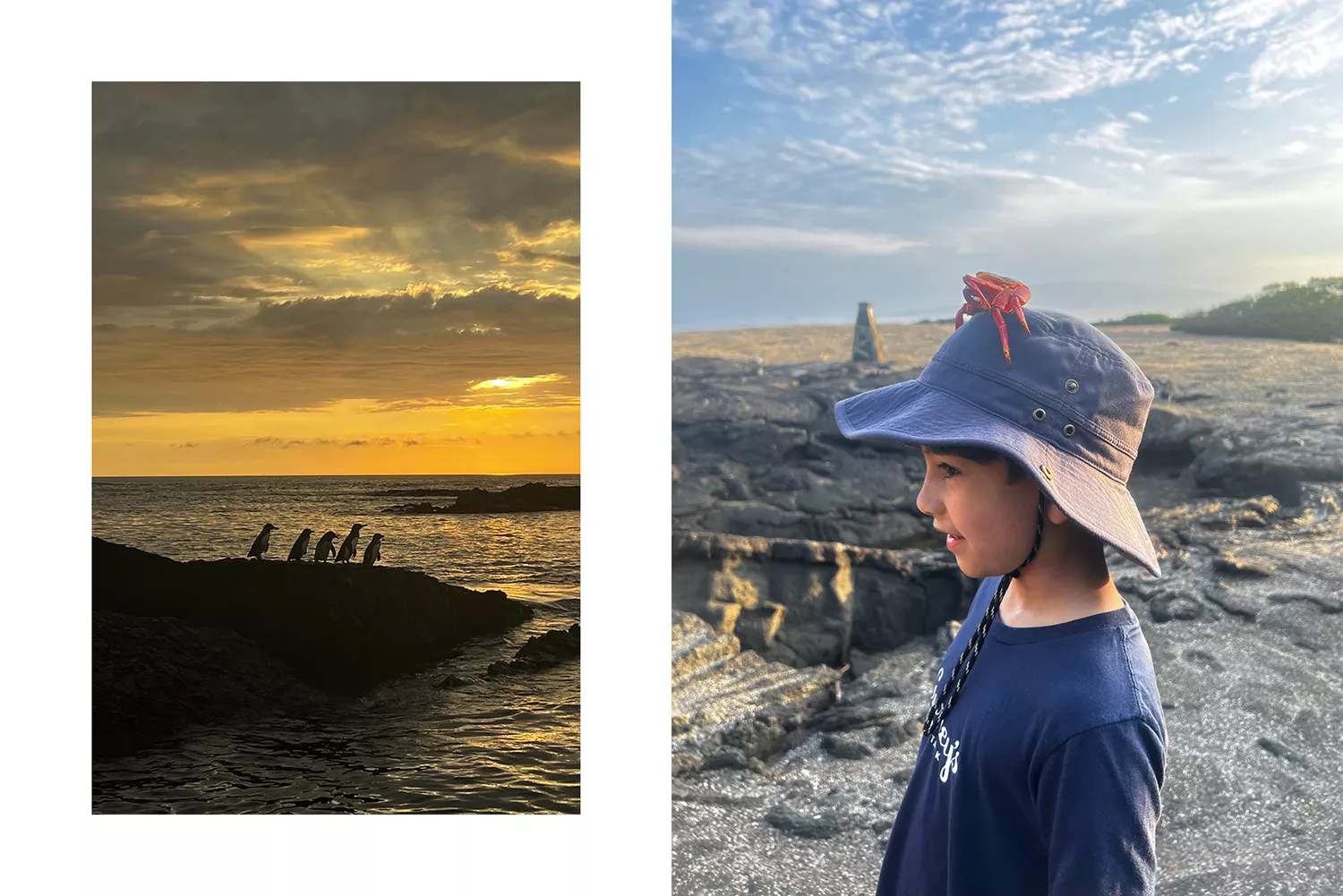
That said, the best guides act as mentors. They turn a walk on a rocky beach into a scavenger hunt for crab shells and volcanic stones. This adventure-based learning keeps kids so engaged they often forget about their missing iPads.
Managing the Logistics of Life at Sea:
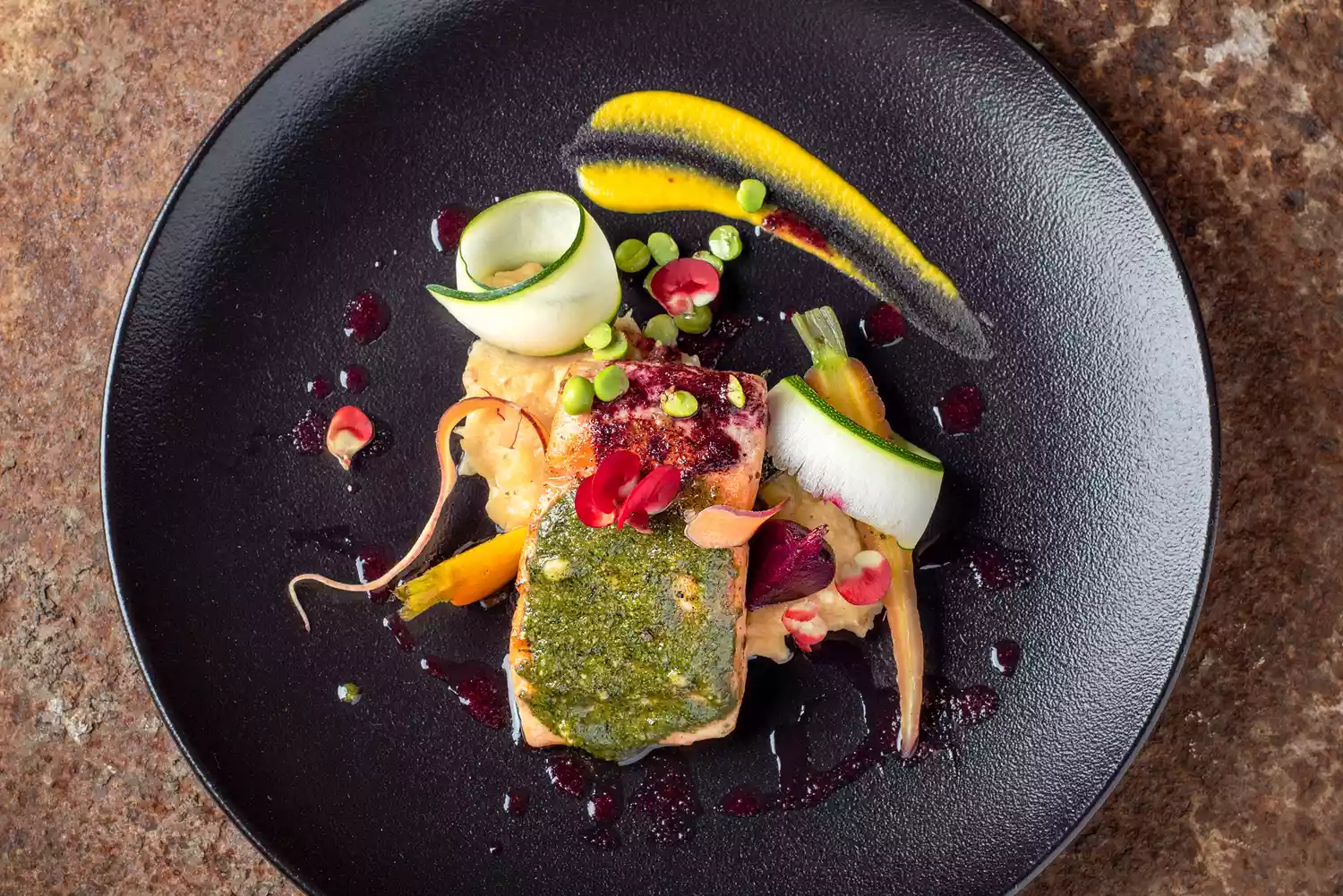
- Managing kid-friendly meals on a crewed yacht charter: Most expedition chefs are incredibly accommodating. Communicate "must-haves" (like plain pasta or fruit) weeks before you set sail. The intimate nature of the galley means they can often whip up a kid-favorite while the adults enjoy a five-course seafood meal.
- Seasickness prevention: For young children, I prefer non-drug alternatives like acupressure bands or ginger chews. Always consult your pediatrician, but keeping kids on deck looking at the horizon is often the best cure.
- Packing list essentials for young children on a yacht: You will need more than just swimsuits. Think high-SPF sun-safe clothing, waterproof rubber boots for "wet landings," and binoculars specifically sized for smaller faces.
Remember, preparing kids for a boat vacation starts months before the flight. Talk to them about the animals they will see and the rules of the ship. When children feel like they are part of the "crew" rather than just passengers, they are more likely to respect safety briefings and engage with the daily schedule.
FAQ
Is yachting safe for small children?
Yachting is very safe when strict protocols are followed. Families should prioritize ships with a high crew-to-guest ratio and ensure children adhere to the legal requirement of wearing a personal flotation device (PFD) at all times on deck. Professional naturalist guides are trained to manage child safety during shore excursions and wildlife encounters.
What age is best to start sailing with kids?
While some families sail with infants, the best age to take a child on a small ship expedition is typically 5 to 7 years old. At this stage, children are physically capable of handling Zodiac transfers and mentally prepared to engage with the educational components of the journey.
Do children get seasick on yachts?
Children can experience motion sickness, though many find the constant activity and "horizon-watching" on an expedition vessel helpful. To manage seasickness prevention, parents should pack acupressure wristbands, peppermint tea, or ginger-based snacks, and ensure the child stays hydrated and spends plenty of time in the fresh air on deck.
What life jackets are best for infants on board?
For infants and toddlers, use only U.S. Coast Guard-approved Type II life jackets, which are designed to turn an unconscious person face-up in the water. These typically include a supportive head collar and a crotch strap to prevent the child from slipping out of the vest.
How do you childproof a yacht?
Childproofing a moving vessel involves establishing strict "no-go" zones during docking, ensuring all low-level railings are secure, and teaching children to maintain "three points of contact" (two hands, one foot, or two feet, one hand) when moving around the cabin or deck. Cabin organizers can also be used to keep floors clear of tripping hazards.
What activities keep kids busy on a yacht trip?
Focus on nature-based engagement. Naturalist guides often lead juvenile-focused scavenger hunts, journaling sessions, and basic navigation lessons on the bridge. When not on excursions, children often enjoy looking through binoculars for marine life or participating in "citizen science" projects like counting bird species with the crew.