Quick Facts
- The Golden Rule: Focus on 'Quiet Luxury'—understated elegance with zero flashy logos.
- Capsule Math: Aim for 10-15 total pieces (roughly 5 tops, 3 bottoms, 2 layers, 2 shoes).
- Walking Benchmark: Prepare for an average of 20,000 steps per day on uneven surfaces.
- Religious Etiquette: Shoulders and knees must be covered in Italian and Spanish cathedrals.
- Footwear Priority: Low-profile leather trainers are the 'Goldilocks' of European travel outfits.
- Safety Tip: Replace nylon belt bags with secure, stylish leather crossbody bags.
To truly experience a destination, you must blend in. Mastering European travel outfits isn't just about style; it's about cultural respect and safety. To avoid looking like a tourist in Europe, prioritize tailored silhouettes, neutral tones, and minimalist aesthetics over baggy clothing or loud logos. Swap bulky sneakers for low-profile leather trainers and trade hoodies for breathable natural fibers.
The Silhouette Shift: Why Tailoring Trumps Athleisure
If you want to know how to avoid looking like an American tourist in Europe, you have to look at the shape of your clothes. In the States, we have a deep-seated love for oversized comfort—think baggy hoodies, gym leggings as daywear, and college sweatshirts. However, across the Atlantic, the aesthetic leans toward tailored silhouettes. Even "casual" in Paris or Milan involves a level of structure that feels deliberate.
Recent data shows that we are paying closer attention to this than ever before. 47 percent of global travelers feel inspired to make permanent changes to their personal style after being exposed to the fashion and culture of their destinations. This shift often starts with ditching the "just came from the gym" look. Leggings are for the yoga studio; for a day at the Prado or the Uffizi, choosing flattering wide leg trousers for European sightseeing is a far more sophisticated choice.
Wide-leg trousers in linen or lightweight wool offer the same comfort as sweatpants but look infinitely more polished. When you pair them with a fitted T-shirt or a crisp button-down, you achieve that effortless European chic that opens doors at high-end boutiques and avoids the "tourist price" at local bistros. According to research, 43 percent of global travelers are influenced by what local people wear when deciding on their vacation style. By mirroring the local preference for neutral earth tones and smart-casual dress code, you stop being an outsider and start being a guest.
Building Your 2026 European Summer Capsule Wardrobe
The secret to how to dress like a local in Europe isn't bringing your entire closet; it's bringing the right few pieces. For 2026, we are seeing a massive move toward the quiet luxury aesthetic. This means focusing on the quality of the fabric rather than the brand on the chest. A survey found that 43 percent of travelers prefer "quiet luxury," opting for subtle elegance instead of flashy branding.
To build a flawless European summer capsule wardrobe, I recommend using the 5-3-2-2 Formula. This ensures you have variety without the bulk.
The 5-3-2-2 Formula:
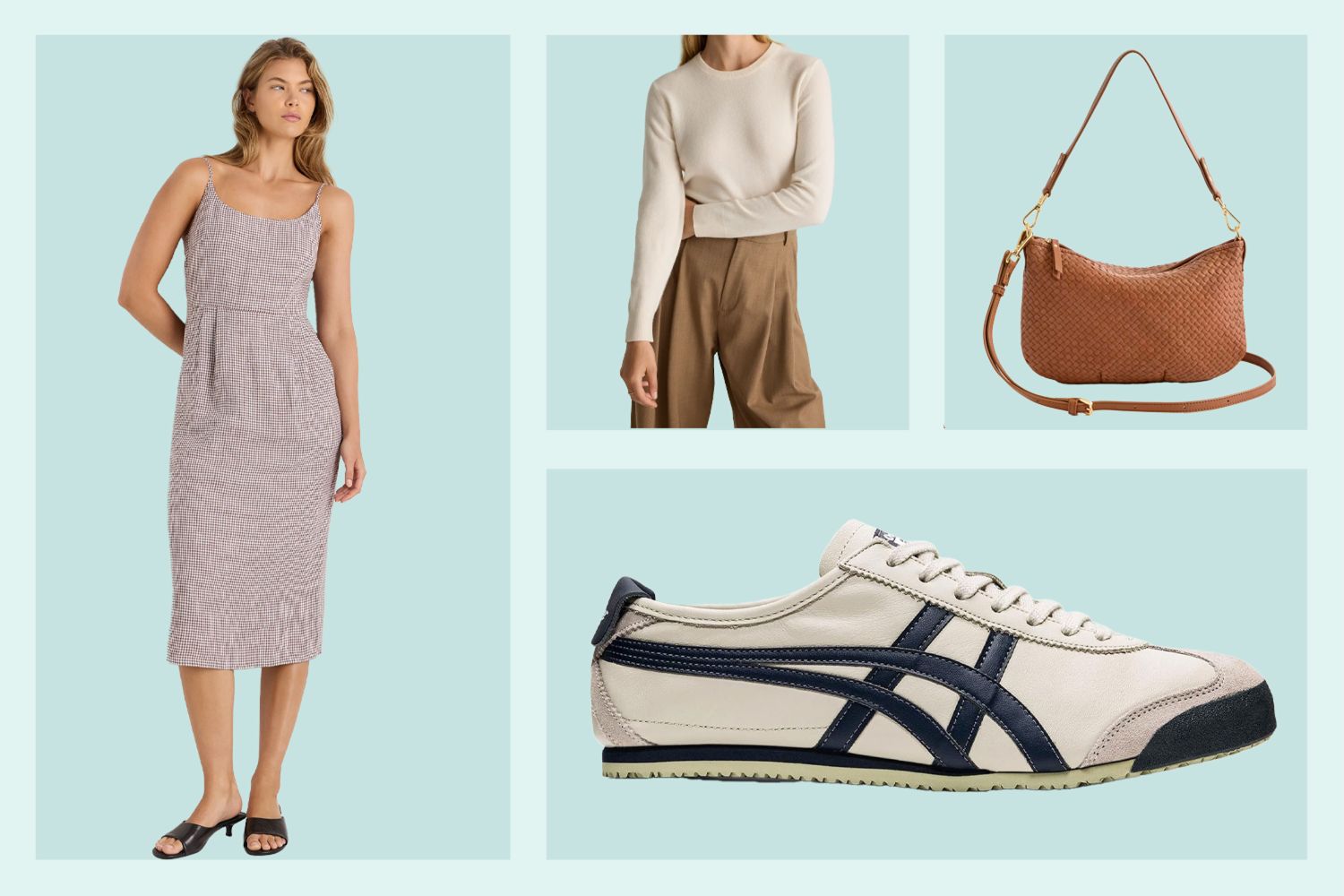
- 5 Tops: 2 breathable natural fibers t-shirts (think Pima cotton), 1 silk camisole, 1 linen button-down, 1 lightweight cashmere crewneck.
- 3 Bottoms: 1 pair of wide-leg trousers, 1 pair of high-waisted linen shorts, 1 midi-length skirt.
- 2 Layers: 1 structured blazer or a packable rain trench coat.
- 2 Shoes: 1 pair of leather trainers, 1 pair of supportive fisherman sandals.
When selecting your European summer travel capsule wardrobe essentials for 2026, stick to monochrome color blocking or a muted palette. Navy, beige, charcoal, and cream are your best friends. They allow every single item in your suitcase to talk to each other, creating dozens of combinations for a multi-week trip.
| Travel Mistake | 2026 Upgrade | Why it Works |
|---|---|---|
| Nylon Cargo Shorts | High-waisted Linen Shorts | Linen is breathable and much more refined. |
| Neon Windbreaker | Packable Rain Trench | A trench offers better protection and city-appropriate style. |
| Graphic Hoodies | Merino Wool Crewneck | Merino is odor-resistant and provides a cleaner silhouette. |
| Flip-flops | Leather Fisherman Sandals | Sandals provide arch support for cobblestones and look "dinner-ready." |
The 20,000-Step Footwear Rule: Cobblestones vs. Comfort
Nothing ruins a trip to Rome or Lisbon faster than a blister. The reality of European travel outfits is that they must function on uneven, centuries-old surfaces. You will likely walk close to 20,000 steps a day, making your shoe choice the most critical decision in your suitcase.
While comfort is king, the "bulky gym sneaker" is a major tell-tale sign of a tourist. Instead, look for the best walking shoes for European cobblestone streets that aren't bulky sneakers. The "Goldilocks" shoe for 2026 is the low-profile leather trainer. Think of brands like Common Projects, Veja, or a classic Adidas Stan Smith. These shoes offer cobblestone-friendly soles with enough cushioning for a full day of sightseeing, but they are sleek enough to wear to a nice restaurant in the evening.
If you are traveling during a heatwave, breathable natural fibers extend to your feet choice too. A high-quality leather fisherman sandal provides the security of a closed-toe shoe with the airflow of a sandal. Avoid plastic flip-flops entirely; they offer no support on cobblestones and are generally seen as beachwear or "shower shoes" in European city centers.
From Museums to Cathedrals: Cultural Etiquette and Security
One of the biggest surprises for first-time visitors is the strictness of cultural fashion norms. If your itinerary includes the Vatican, the Sagrada Família, or the Florence Cathedral, you must plan for modest religious attire. Entry is often denied to men and women wearing tank tops or shorts that end above the knee.
I always suggest carrying a lightweight scarf or pashmina in your day bag. It takes up almost no space but can be quickly draped over your shoulders to provide appropriate clothing for visiting churches in Italy and Spain. It’s a practical accessory that keeps you within dress code requirements while maintaining your style.
Security is the final piece of the puzzle. While the "nylon belt bag" or fanny pack has had a viral moment on social media, in high-traffic European cities, it can mark you as a target for pickpockets. To increase safety without sacrificing the look, switch to stylish leather crossbody bags for European travel to replace belt bags. Look for secure leather goods with reinforced straps and internal zippers. A leather crossbody bag sits close to the body, looks upscale, and is much harder for someone to snatch in a crowded metro or museum line.
Keep in mind that many European museums have strict bag policies; backpacks usually have to be checked at the door, but a sleek crossbody bag is often allowed to stay with you, keeping your valuables safe.
FAQ
What should I wear to avoid looking like a tourist in Europe?
Focus on tailored silhouettes and neutral colors. Replace your athleisure—like gym leggings and oversized hoodies—with high-quality basics like wide-leg trousers, linen shirts, and structured blazers. Avoid wearing clothing with loud logos or neon colors, as these are common "tourist" markers.
What are the best shoes for walking on cobblestones in Europe?
The best walking shoes for European cobblestone streets that aren't bulky sneakers are low-profile leather trainers. They provide the necessary support and grip for uneven surfaces while remaining stylish enough for city dining. Leather fisherman sandals are another great option for summer travel.
What is the typical dress code for European churches and cathedrals?
Most religious sites in Italy, Spain, and Portugal require both men and women to cover their shoulders and knees. Tank tops, crop tops, and short shorts are generally prohibited. Carrying a scarf or pashmina is a smart way to quickly cover up before entering a cathedral.
Are jeans acceptable to wear in European cities?
Yes, jeans are perfectly acceptable, but they should be well-fitted and in a darker wash to look more polished. Avoid heavily distressed jeans or very baggy styles. Pair them with a blazer or a nice sweater to align with the smart-casual dress code favored by locals.
How can I build a capsule wardrobe for European travel?
Use the 5-3-2-2 formula: five tops, three bottoms, two outer layers, and two pairs of shoes. Stick to a monochrome or muted color palette so that every piece can be mixed and matched. Prioritize breathable natural fibers like linen, silk, and merino wool to stay comfortable and chic.