Quick Facts
- Award: Recognized as France's Favorite Village 2025
- Main Attraction: The 12th-century Abbaye de Saint-Antoine and its Flamboyant Gothic architecture
- Location: Located in the Isère department of southeastern France
- Gastronomy: Famous for Grenoble walnuts and creamy Saint-Marcellin cheese
- Key Event: Annual Medieval Festival held in August
- Pro-Tip: There are no ATMs in the village center; bring cash for local shops
- Cultural History: Former headquarters of the Hospitallers of Saint Anthony
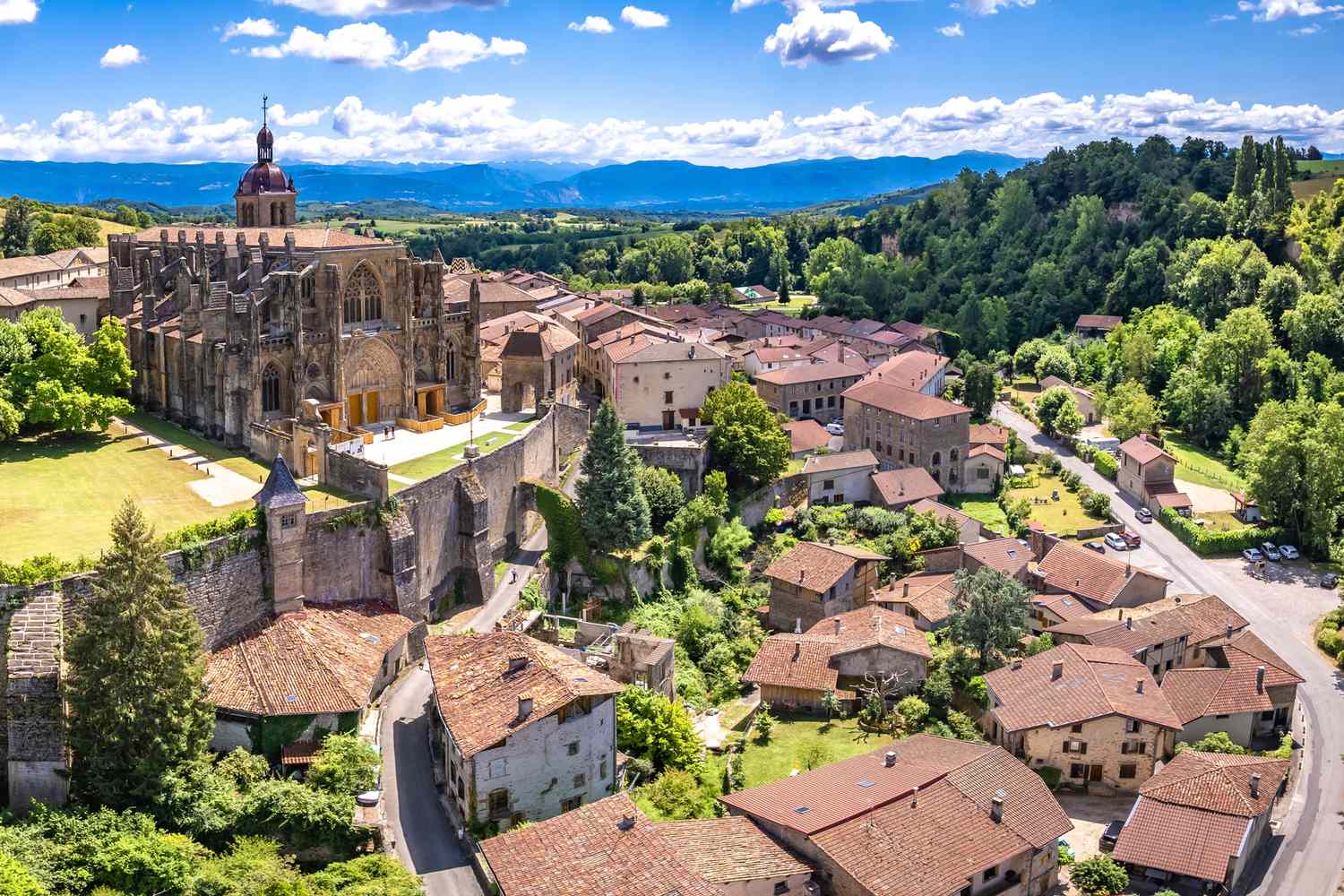
Saint-Antoine-l’Abbaye is a preserved medieval village in southeastern France, recognized as France's Favorite Village in 2025. It is centered around a majestic 12th-century Gothic abbey that historically served as a hub for the Hospitallers of Saint Anthony. Visitors are drawn to its well-preserved half-timbered houses, cobblestone streets, and the significant religious heritage associated with the relics of Saint Anthony the Great.
The Architectural Soul: Abbaye de Saint-Antoine
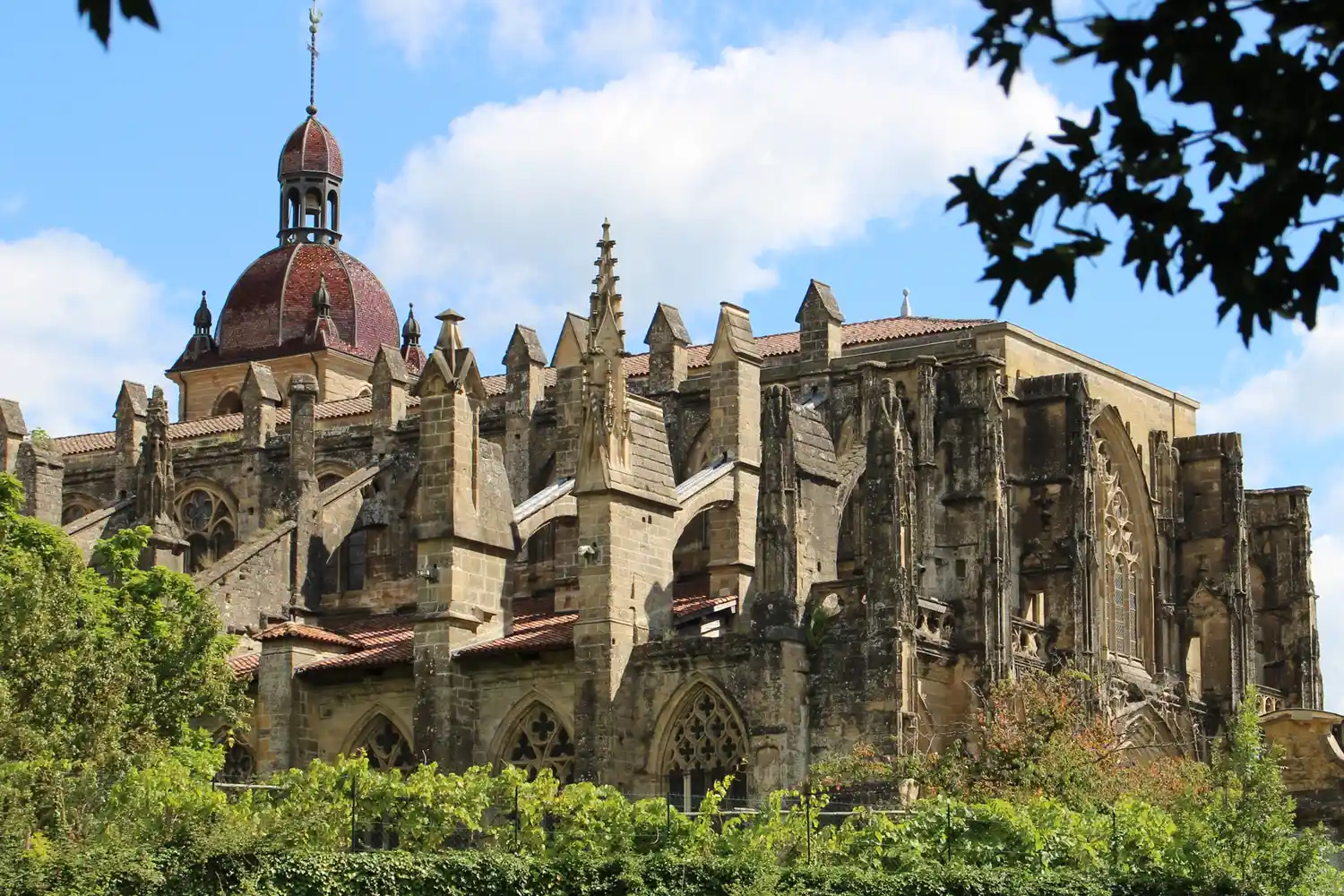
To stand before the Abbaye de Saint-Antoine is to witness a stone prayer that took centuries to utter. The transition from the Romanesque foundations to the soaring heights of the Flamboyant Gothic style tells a story of ambition and devotion. The abbey church of Saint-Antoine-l'Abbaye was officially listed as a Monument Historique in 1840, marking its status as a pillar of French heritage. Its construction, a marathon of medieval masonry, spanned from approximately 1280 to 1490.
The facade is a lace-like intricate facade carved from local stone, weathering the alpine winters with a stoic grace. As a Culture & Food Editor, I often find that architecture serves a pragmatic purpose beyond its beauty. Here, the concept of architecture as healing comes alive. The abbey was the heartbeat of the Hospitallers of Saint Anthony, an order dedicated to the suffering. They treated those afflicted by St. Anthony’s Fire, a painful condition we now know as ergotism, caused by moldy rye. The vastness of the nave was designed to welcome thousands of weary pilgrims seeking relief through the relics of the saint.
Step inside, and the light shifts. The interior houses 45 stained glass windows that filter the sun into pools of sapphire and ruby across the floor. Of particular note are the 87 carved walnut stalls in the choir, where the scent of aged wood still lingers. The treasury of the abbey church is equally captivating, housing a collection of more than 380 historical objects, including delicate reliquaries and specialized surgical instruments used by the monks during the 12th-century monasticism period.
Village Anatomy: A Walking Tour of the Middle Ages
Leaving the shadow of the abbey, the village reveals a fascinating hierarchy of medieval life. A walking tour of Saint-Antoine-l’Abbaye cobblestone streets and stone houses is like stepping through a portal. One can clearly see the distinction between the Lower Village, where peasants lived in modest half-timbered buildings, and the Grande Rue, lined with the grander residences of noble donors and high-ranking clergy.
The layout is connected by thin, steep passageways known as Goulets. These alleyways served as vital arteries for the village, allowing residents to bypass the main roads. As you walk, look for the subtle details in the masonry that point to the village's apothecary heritage. The Hospitallers were masters of medieval medicine, and many of the artisan workshops you see today occupy spaces where herbal balms and tinctures were once distilled.
The village remains remarkably quiet, preserving an atmosphere of contemplation. The weathered textures of the walls, varying from honey-colored limestone to grey river rock, provide a palette that changes with the Isère department sky. It is a place intended for slow exploration, where the simple act of touching a sun-warmed stone wall connects you to seven centuries of history.
Cultural Immersion: Museums and Festivals
While the village is a museum in itself, the Musée de Saint-Antoine l’Abbaye offers a deeper dive into the region's intellectual history. The interactive exhibits and perfumes guide visitors through the evolution of medicine and scent. The monks used aromatic herbs not just for fragrance, but as essential tools in fighting the "plagues" of their era. This tradition of sensory healing is still celebrated today, connecting the ancient monastery to modern aromatherapy.
If you prefer a more kinetic connection to the past, the annual Medieval Festival of Saint-Antoine-l'Abbaye is unmissable. Scheduled for August 2-3, 2025, the event transforms the village into a bustling 15th-century market. Professional troupes perform knight fights in the squares, while musicians play lutes beneath the abbey walls. The attendance reflects the village's growing renown; in 2022, the site attracted approximately 150,000 visitors, a figure that surged past 250,000 during these cultural festivals.
Practicalities: Logistics, Food, and Stays
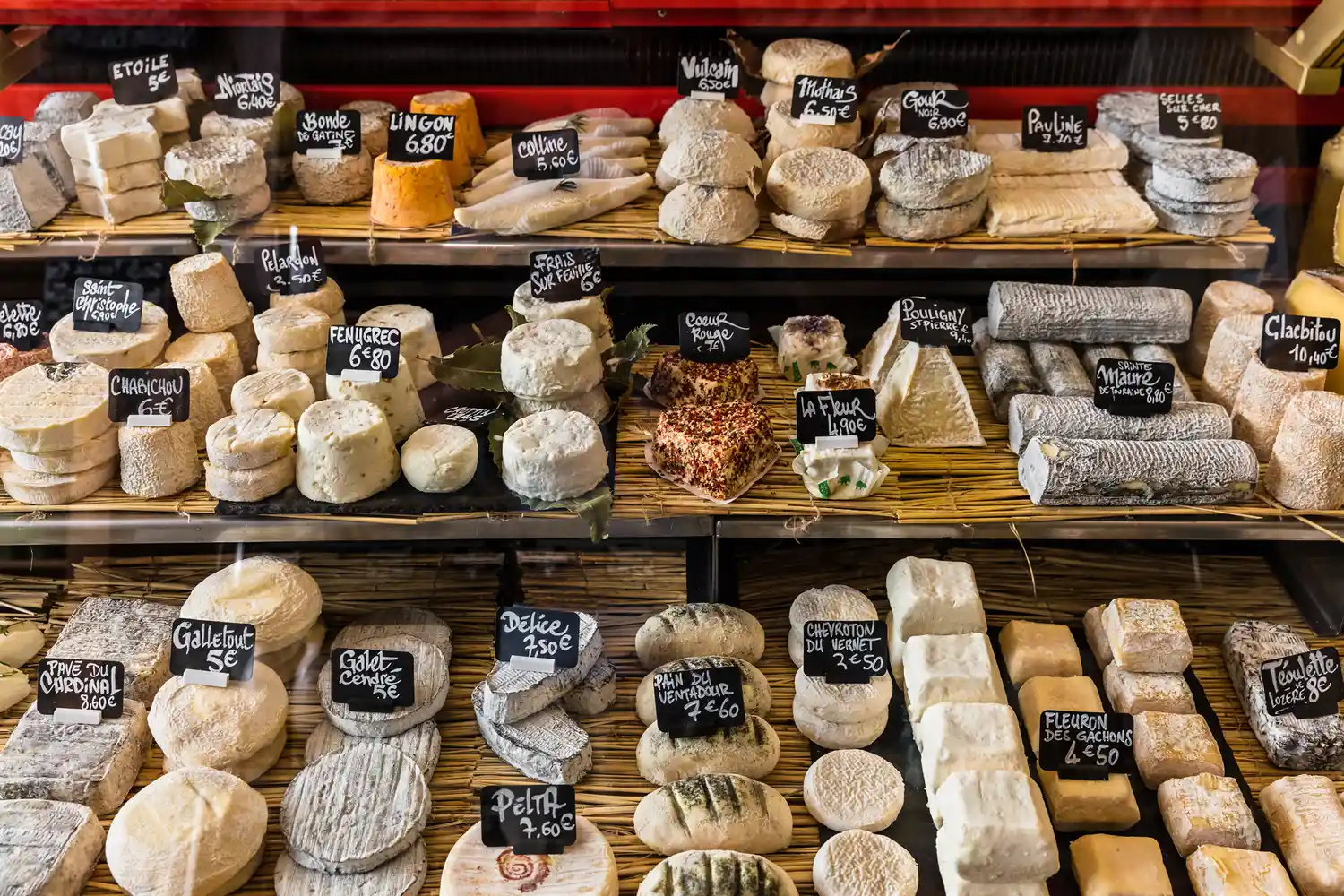
Planning a trip to this part of the Auvergne-Rhône-Alpes region requires a bit of foresight. Gastronomy here is deeply tied to the land, specifically the Chambaran mountains. You cannot leave without sampling the local Saint-Marcellin cheese, a creamy, button-shaped delight that pairs perfectly with a crusty baguette. The region is also the heart of walnut production; Grenoble walnuts find their way into everything from savory salads to sweet tortes.
For a quintessential lunch, head to the Taverne du Bélier Rouge or La Table de l’Abbaye. Here, the flavors of the Isère department are elevated. Order a plate featuring the local cheese and a glass of Mondeuse wine, and watch the shadows of the Gothic spires lengthen across the square.
Pro-Tip / Sidebar: The village takes its "medieval" status quite literally—there is no ATM in the historical center. Most artisans and small cafes prefer cash, so be sure to withdraw Euros before you leave Lyon or Grenoble.
Transportation and Planning
To reach the village, most travelers drive from nearby Lyon (about 1.5 hours) or Grenoble (about 50 minutes). The winding roads through the walnut groves are scenic, but can be narrow.
| Travel Method | Origin | Duration | Notes |
|---|---|---|---|
| Car | Lyon | 90 mins | Highway A49, exit at Chatte / St-Marcellin |
| Car | Grenoble | 50 mins | Highway A49, scenic mountain route |
| Train/Bus | Valence | 2 hours | Regional train to St-Marcellin, then local bus |
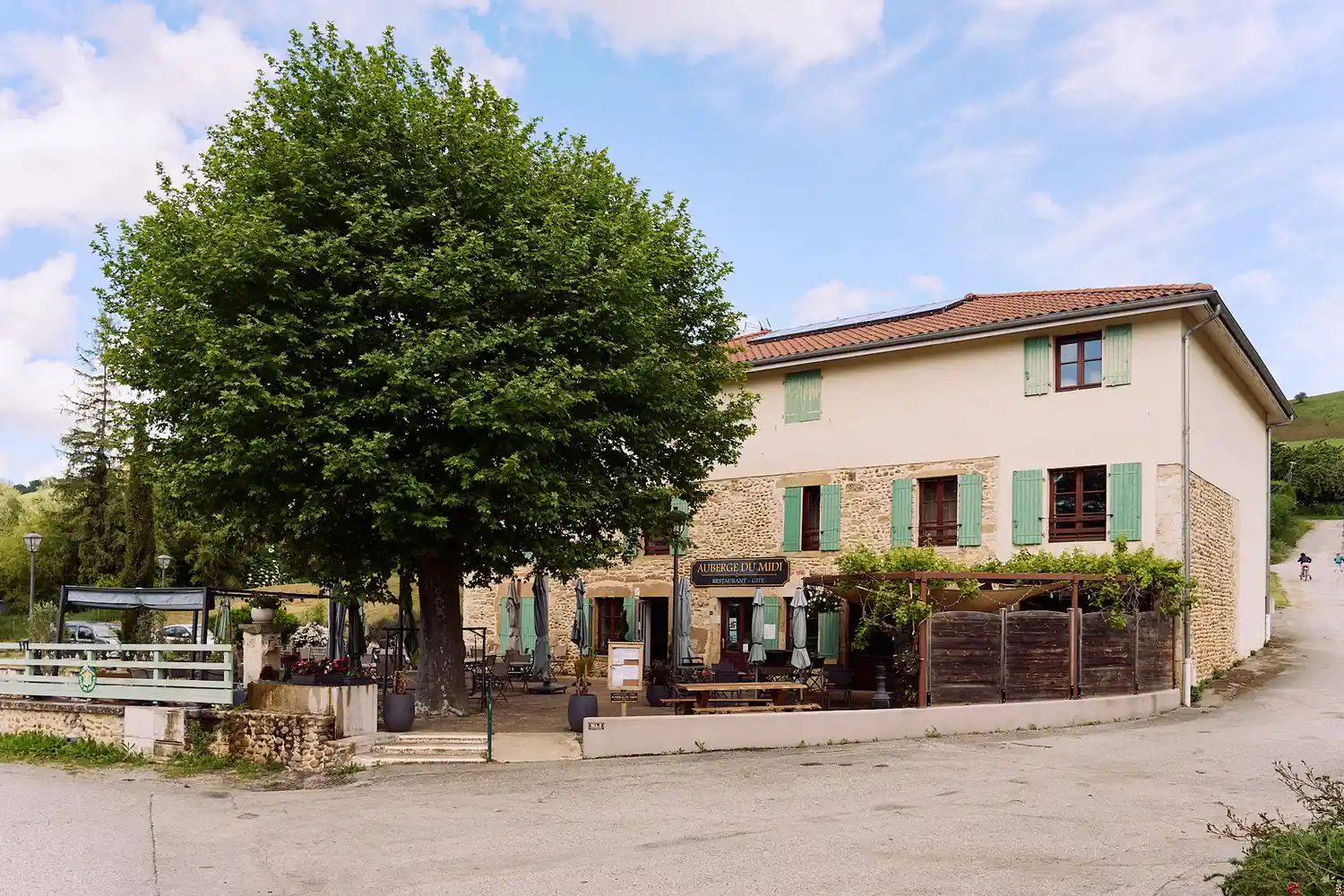
When it comes to resting your head, the options are as atmospheric as the village itself. L’Antonin offers a traditional bed-and-breakfast experience within the historic walls. For those seeking a deeper connection to nature, Les Cabanes de Fontfroide features unique treehouses nestled in the surrounding oak forests of the Chambaran mountains. These stays allow you to wake up to the same birdsong that the Antonine monks heard centuries ago.
FAQ
Is Saint-Antoine-l’Abbaye worth visiting?
Absolutely, especially now that it has been named France's Favorite Village for 2025. It offers a rare combination of world-class Gothic architecture, a unique history of medieval medicine, and a peaceful atmosphere that is far less crowded than similar sites like Mont Saint-Michel.
What are the top things to do in Saint-Antoine-l’Abbaye?
The primary draw is touring the Abbaye de Saint-Antoine to see its Flamboyant Gothic facade and the 15th-century choir stalls. Other must-do activities include exploring the Musée de Saint-Antoine l’Abbaye, walking through the Goulets in the Lower Village, and attending the Medieval Festival in August for an immersive historical experience.
How do I get to Saint-Antoine-l’Abbaye?
The easiest way is by car from Lyon or Grenoble in the Isère department. If you are using public transport, take a regional train to the town of Saint-Marcellin and then look for the local bus service (Transisère) that runs to the village, though these are less frequent on weekends.
What is the history of the abbey in Saint-Antoine-l’Abbaye?
The abbey was founded to house the relics of Saint Anthony the Great, which were brought from the Holy Land. It became the headquarters of the Hospitallers of Saint Anthony, who were famous across Europe for treating ergotism. The building we see today was constructed primarily between the 13th and 15th centuries.
What are the best places to eat in Saint-Antoine-l’Abbaye village?
La Table de l’Abbaye offers a more refined dining experience with views of the monument, while Taverne du Bélier Rouge provides a rustic, atmospheric setting perfect for trying regional staples like Saint-Marcellin cheese and walnut-based dishes.
How much time should I spend in Saint-Antoine-l’Abbaye?
A full day is sufficient to see the abbey, the museum, and wander through the village streets at a leisurely pace. However, if you plan to hike in the Chambaran mountains or attend the Medieval Festival, an overnight stay in a local bed-and-breakfast is highly recommended.