Quick Facts
- Total Species: 19 species globally, ranging from the tropics to the high Antarctic.
- Continental Breeders: Only 4 species (Adélie, Chinstrap, Gentoo, Emperor) breed on the Antarctic continent.
- Subantarctic Endemics: 15 species are found exclusively on remote Southern Ocean islands.
- Pricing: Budget between $6,000 and $30,000+ depending on the polar class of the vessel and expedition length.
- Best Season: November to February for peak chick-rearing activity and accessible coastlines.
- Top Spot: Macquarie Island, home to the world's only breeding colony of 3 million Royal penguins.
- Cruise Duration: 10 to 28 days for the more specialized deep-south birding routes.
Tracking all 19 penguin species is the ultimate birding lifelist challenge. While most travelers see only a few common types, specialized penguin expedition cruises to the Subantarctic and remote Southern Ocean wildlife hotspots make it possible. Rare species like the Royal, Snares Crested, and Erect-crested penguins are found primarily on the Subantarctic islands of New Zealand and Australia, accessible only via expedition cruises.
The Antarctic Peninsula: The Big Four and Modern Logistics
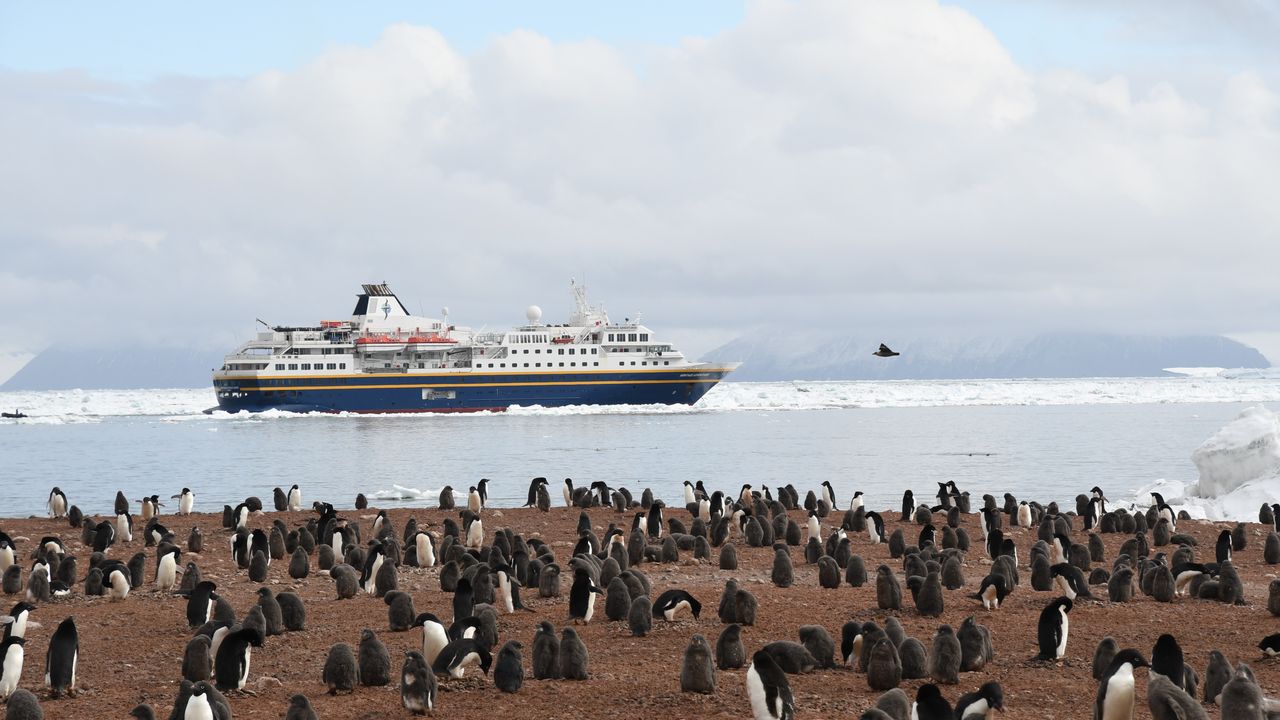
Most people think of the white continent when they imagine penguin expedition cruises, but the Antarctic Peninsula is actually just the tip of the iceberg—literally. On my first solo trek down south, I realized that while the scenery is unbeatable, the diversity of species is relatively concentrated. If you are starting your birding lifelist, the Peninsula is where you bag the Big Four: Adélie, Chinstrap, Gentoo, and the elusive Macaroni.
The Peninsula is the most accessible part of the South Pole region. You typically depart from Ushuaia, Argentina, and cross the Drake Passage. For the solo explorer, the Drake Passage dilemma is real. I’ve sailed it in a Force 11 gale, and I’ve flown over it in a two-hour dash to King George Island. If you’re prone to seasickness but want those Southern Ocean wildlife sightings, the "fly-sail" option is your best friend. It saves you four days of potentially rough seas and allows more time for those essential Zodiac shore landings.
In this region, Gentoos are the most common sight. They are the fastest swimmers, often porpoising alongside your Zodiac. Chinstraps, with their distinctive black band under the chin, prefer the rugged, rocky outcrops. Adélies, the quintessential "tuxedo" penguins, focus on the ice floes. While these aren't the rarest on the list, the sheer density of the colonies is a sensory explosion—the sound of thousands of birds and, let’s be honest, the very distinct smell of krill-enriched guano.
Solo traveler tips for penguin expedition cruises:
- Roommate Matching: Most expedition lines offer to pair you with another solo traveler of the same gender to avoid the single supplement, which can be as high as 50-100%.
- Bridge Access: On smaller ships, the bridge is often open. It’s the best place to hang out with the expedition naturalist and spot pelagic birding species like the Wandering Albatross.
- Social Dining: Expedition cruises are far more social than standard luxury cruises. You’ll be sharing stories over dinner with world-class marine biology experts.
The Subantarctic 'Holy Grail': NZ and Australia Itineraries
If you are serious about birding regular lifers, you need to look at a New Zealand subantarctic islands birding cruise itinerary. This is where the rare penguin species locations are concentrated. We are talking about the Snares Crested, the Erect-crested, and the Royal penguin. These birds don't live in Antarctica; they live in the "Albatross Latitudes," where the wind never stops and the vegetation looks like something out of a sci-fi novel.
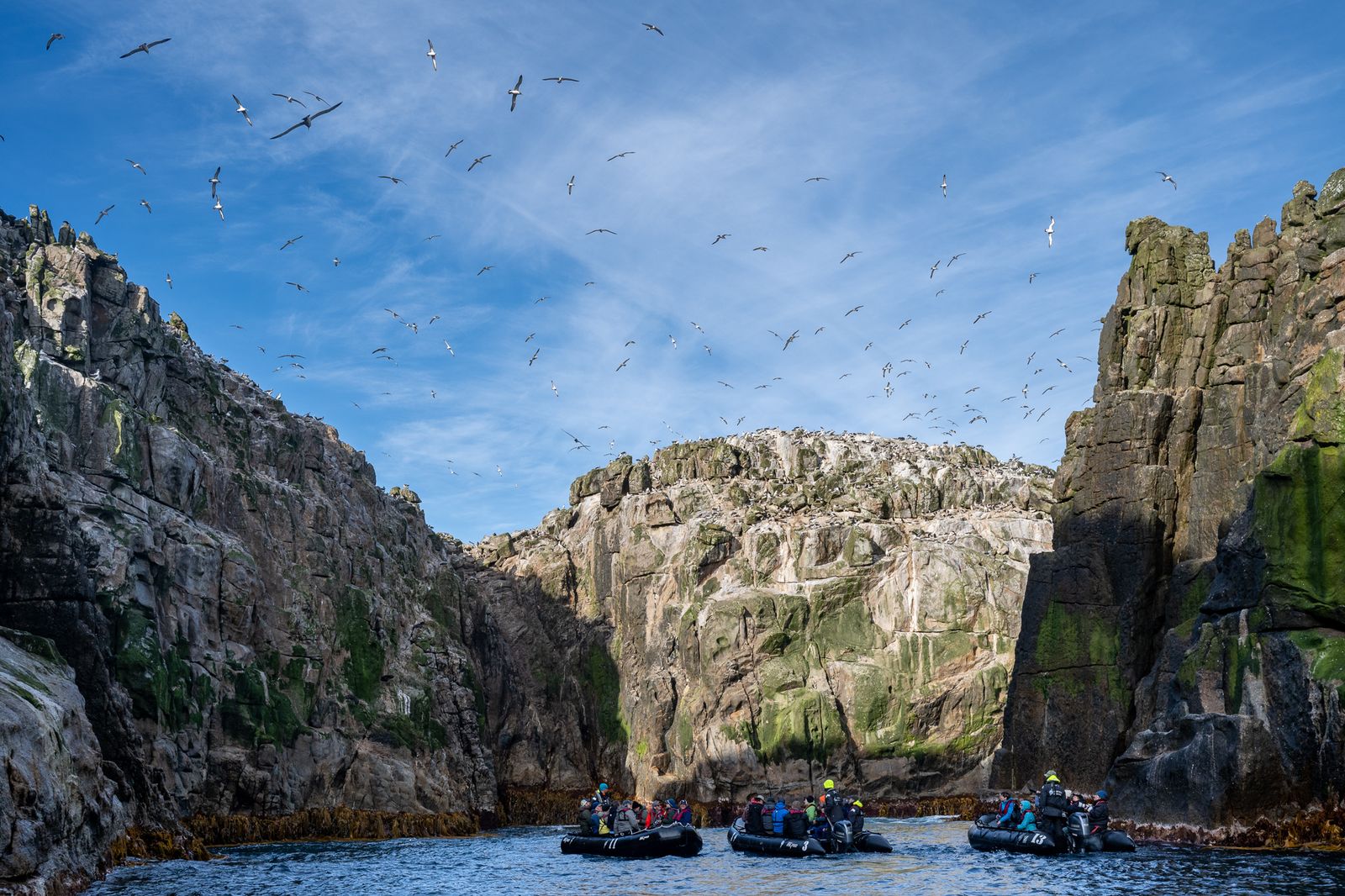
My journey through the Snares and the Auckland Islands was a masterclass in endemic fauna. Most of these islands are UNESCO World Heritage sites and are strictly protected. You can’t even step foot on the Snares; all viewing is done via Zodiac shore landings alongside the granite cliffs. Here, the Snares Crested penguin hops through the forest like a tiny, feathered mountain goat.
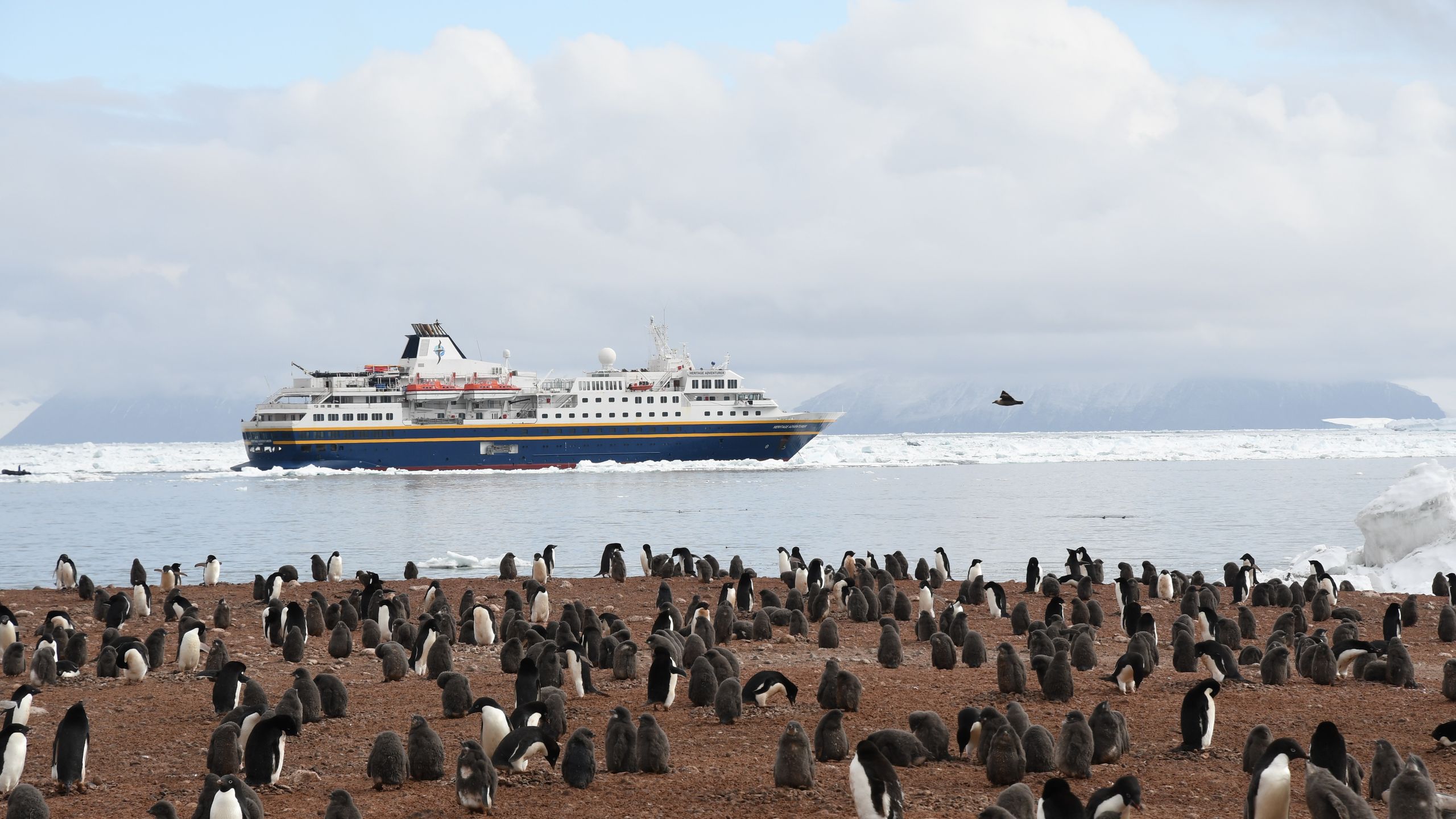
Heritage Expeditions and Aurora Expeditions are the leaders in this niche. They operate ships that can handle the "Furious Fifties" while maintaining the biosecurity standards required for these fragile ecosystems. Macquarie Island was a personal highlight for me. After a massive pest-free restoration project, the island is now carpeted in Royal penguins—a species found nowhere else on Earth. Seeing three million of them on a single beach is an experience that defies description.
Spotter Sidebar: New Zealand & Australia Endemics
- Snares Crested: Only breeds on the Snares Islands. Look for them in the Olearia tree forests.
- Erect-crested: Found on the Antipodes and Bounty Islands. Known for their ability to raise their crest feathers vertically.
- Yellow-eyed (Hoiho): One of the rarest; look for them in the Rata forests of the Auckland Islands.
- Royal: Endemic to Macquarie Island. Distinguishable by their white or pale grey faces.
Ross Sea & The Deep South: Tracking the Emperor
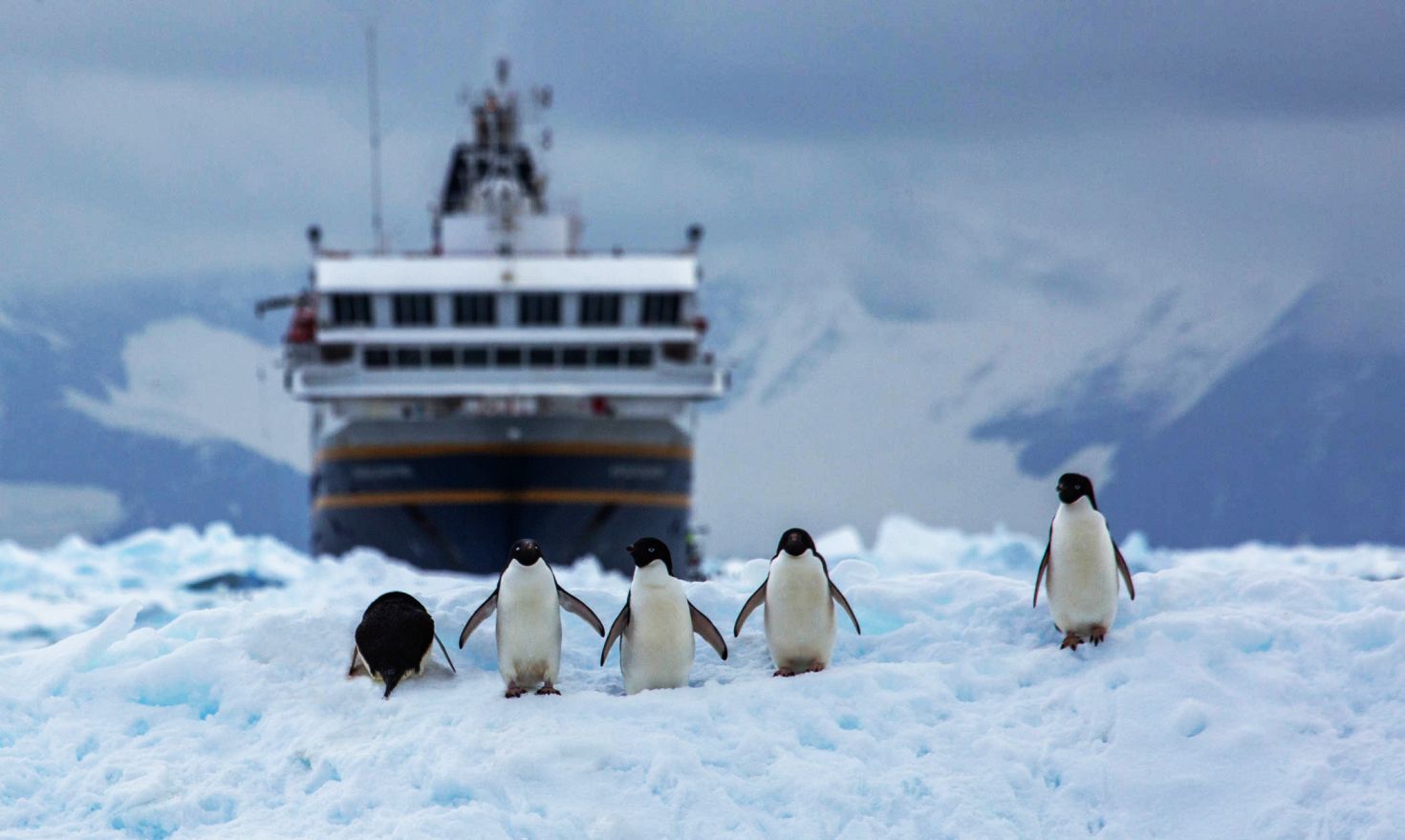
To see the Emperor penguin in its natural habitat, standard penguin expedition cruises won't cut it. You have to go deep into the Ross Sea or to the Weddell Sea late in the season. This requires birding expedition cruise planning that involves high-specification PC6 ice-class ships. These vessels are designed to push through thick seasonal ice that would trap a standard ship.
The Emperor is the largest of all 19 species and the most difficult to reach. On my trek to Snow Hill Island, we used twin-engined helicopters to reach the colony because the ice was too thick for the ship to get closer than 20 miles. It’s a logistical feat that makes this one of the most expensive birding expeditions on the planet, but standing on the sea ice with an Emperor is the pinnacle of penguin watching.
The Ross Sea is also a portal into the Heroic Age of exploration. You can visit the preserved huts of Shackleton and Scott. While you’re there, you’ll likely spot the Adélie colonies at Cape Adare, which are historically significant and staggering in scale. Crossing the Magnetic South Pole while pelagic birding for the Snow Petrel adds a layer of adventure that goes beyond just wildlife.
Ship Type Comparison
| Feature | Standard Expedition Ship | PC6 Ice-Class Vessel |
|---|---|---|
| Primary Region | Antarctic Peninsula | Ross Sea, Weddell Sea |
| Ice Capability | Thin, broken ice only | Solid one-year ice |
| Guest Capacity | 100 - 200 | 50 - 150 |
| Landing Method | Zodiacs only | Zodiacs + Helicopters (often) |
| Vibe | Faster, more focused on scenery | Rugged, exploratory, scientific |
South Atlantic & Beyond: From Rockhoppers to Galápagos
The journey to see how to see all penguin species in the wild eventually takes you to the South Atlantic. The Falkland Islands and South Georgia are the "Galápagos of the South," but the real prize for a birding lifelist is the Tristan da Cunha archipelago. This is where you find Moseley’s rockhopper penguins (also known as the Northern Rockhopper).
Tristan da Cunha is the most remote inhabited island on Earth. Very few penguin expedition cruises stop here because it is so far off the main routes. However, if you find a repositioning cruise or a specialized South Atlantic crossing, you can tick off this rare endemic fauna.
Then, there’s the outlier: the Galápagos penguin. It’s the only species found north of the equator. Planning this part of the quest is entirely different—no parkas required, just a snorkel and a mask. Seeing a penguin zip past you while you’re swimming over volcanic reefs is a surreal contrast to the subantarctic islands cruise itinerary of the South.
Regional Species Checklist
- Falkland Islands: Gentoo, King, Magellanic, and Southern Rockhopper.
- South Georgia: Massive King penguin rookeries (over 200,000 birds) and Macaronis.
- Tristan da Cunha: Moseley’s rockhopper (Northern Rockhopper).
- Galápagos: The endemic Galápagos penguin, often seen around Bartolomé Island.
- South Africa/Namibia: The African (Jackass) penguin.
The Professional Birding Checklist: Biosecurity and Gear
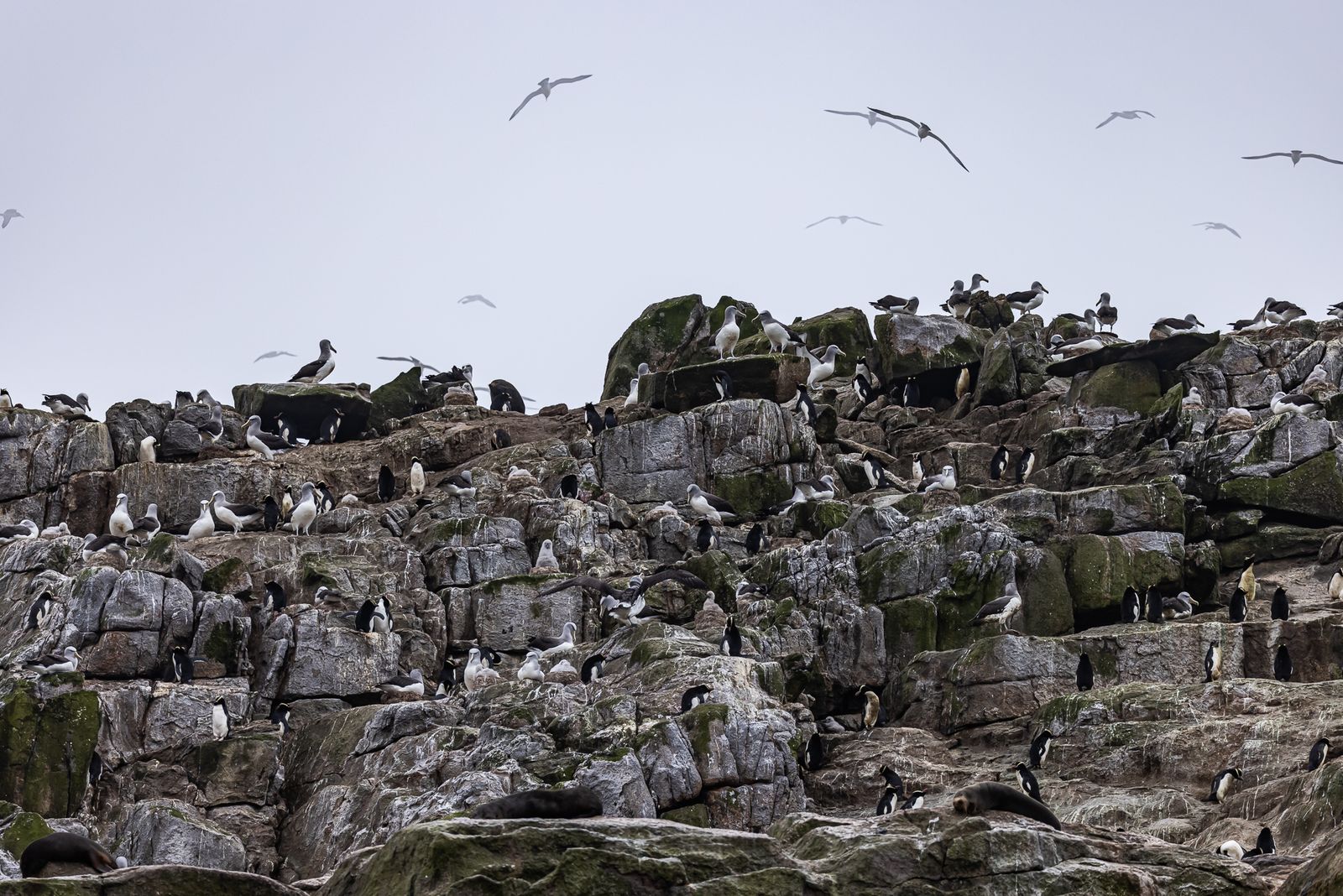
The reality of macquarie island royal penguin cruise planning is that it involves heavy-duty biosecurity. These islands have been decimated by invasive species in the past, and seabird conservation is the top priority for every expedition naturalist. Before you leave the ship, you will spend hours vacuuming your Velcro, cleaning your boot treads, and inspecting your camera bags for seeds or spores.
For a solo traveler, the gear you pack can make or break the experience. You are often limited by weight on smaller ships or if there are charter flights involved. I recommend a tiered approach: high-end waterproof layers for being on the Zodiac and a dedicated "wet bag" for your electronics.
Essential Gear Checklist:
- Cameras: A mirrorless body with a 100-400mm lens is the professional standard for shore landings. You need the reach for rare birds but the portability for the Zodiac.
- Binoculars: 8x42 or 10x42 waterproof binoculars are essential for pelagic birding from the deck.
- Waterproofing: Don't just trust a rain cover; use dry bags inside your backpack. The Southern Ocean spray is relentless.
- Clothing: Merino wool base layers are non-negotiable. They don't hold odors, which is great for long expeditions without laundry.
FAQ
What is the best time of year to see penguins on a cruise?
The peak season is from November to February. November is great for seeing courtship rituals and pristine snow, while December and January are best for seeing chicks hatch. February and March are ideal for seeing whale activity and fledgling penguins, though the colonies can be quite muddy by then.
Which cruise destinations are best for seeing wild penguins?
For the highest diversity of rare species, the New Zealand and Australian Subantarctic islands are unbeatable. For the largest colonies and most dramatic scenery, South Georgia and the Antarctic Peninsula are the top choices.
What species of penguins can you see on an Antarctic expedition?
On a standard Peninsula expedition, you will see Adélies, Gentoos, and Chinstraps. If your route includes the South Shetland Islands or South Georgia, you will also see Macaronis and King penguins. Only deep-south itineraries to the Ross or Weddell Seas generally offer the chance to see Emperor penguins.
Do expedition cruises provide cold-weather gear for penguin watching?
Most high-end expedition lines provide a complimentary polar parka that you get to keep. They also usually provide waterproof muck boots on a loan basis for landings. However, you are responsible for your own waterproof pants and thermal layers.
What is the difference between a standard cruise and a penguin expedition?
Standard cruises usually involve large ships (500+ passengers) that can only offer drive-by viewing. A true penguin expedition uses ships with fewer than 200 passengers, allowing for multiple Zodiac shore landings per day, expert-led lectures by an expedition naturalist, and access to remote, restricted archipelagos.