Quick Facts
- The JOMO Trend: 62% of 2025 travelers find 'Joy of Missing Out' reduces vacation anxiety.
- Kidfluence Factor: 78% of 2026 travel choices are now influenced by children’s preferences.
- Core Philosophy: 'Traveling through, not over' high-density tourist zones.
- Top Benefit: Stays of 7+ days in one location increase cultural immersion by 40%.
- Essential Planning Tip: Use 'Anchoring Experiences' to balance rest and discovery.
Slow family travel involves staying in a single destination for an extended period to prioritize quality time over landmark-hopping. This approach facilitates deep cultural immersion and allows for flexible family travel itineraries that accommodate every generation's pace, ultimately ensuring travel burnout prevention while enjoying the comfort of single-destination stays.
In 2026, families are ditching the 10-city-in-10-days sprint for a more sustainable pace. Slow family travel isn't just a trend; it's a way to reclaim quality time and ensure meaningful travel with children. By staying longer in one place, families avoid burnout and foster authentic intergenerational bonding. We have all felt that post-vacation exhaustion—the kind where you need a holiday to recover from your holiday. I remember standing in a train station in Kyoto with two crying toddlers and a mountain of luggage, realizing we hadn't actually talked to each other in three days because we were too busy checking our watches. That was the moment I realized the "see-it-all" approach was stealing the very memories we were trying to create.
According to the 2025 U.S. Family Travel Survey, 85% of parent respondents reported that traveling together brings their family closer, while 77% believe vacations enrich their children's education. However, these benefits only manifest when there is room to breathe. The rise of JOMO travel (the joy of missing out) reflects a collective sigh of relief. Industry data from Expedia Group shows that 62% of travelers find that doing less and escaping the daily hustle effectively reduces stress and anxiety.
The Art of the Anchor: Building Flexible Itineraries
One of the most effective multigenerational travel planning tips is the implementation of the "One Major Activity per Day" rule. This creates a psychological foundation for the trip without the crushing weight of a packed schedule. We call these anchoring experiences. An anchor could be a three-hour private cooking class in a local villa, an organized nature-focused exploration, or a guided visit to a single museum.
By having one set point in the day, the rest of the time is preserved for unstructured quality time. This is essential for sustainable pacing. If you are traveling with grandparents who need an afternoon rest and toddlers who need a nap, a flexible family travel itinerary allows the group to split and rejoin without guilt. How to plan a slow family travel itinerary starts with identifying these anchors. For example, Monday is the "Market Day," Tuesday is the "Boat Trip," and Wednesday is the "Local Farm Visit." Everything else—where to grab a gelato, which playground to visit, or simply sitting in a piazza people-watching—happens organically.
When we stop treating our vacation like a checklist, we open the door to authentic local engagement. Instead of seeing the facade of twenty buildings, your children might spend two hours befriending the daughter of the local baker. Those are the stories they tell when they get home, not the height of a cathedral spire they saw for five minutes before being hustled onto a bus.
The Grandchild Catalyst: Bridging the Generational Gap
Meaningful travel with children often acts as the "social glue" for the entire family. In multigenerational groups, the curiosity of a child can help elderly travelers overcome the physical or social frustrations of being in a new environment. I’ve watched my own father, who usually prefers the comfort of his armchair, spend three hours on a riverbank in Portugal because his grandson was fascinated by the local fishermen.
Focusing on mobility-sensitive activities ensures that everyone stays included. Consider stationary cultural workshops, such as pottery or traditional weaving, or private boat tours where the scenery comes to you. These provide meaningful travel activities for kids and grandparents that don't require ten miles of walking. Intergenerational bonding thrives in these pockets of shared discovery.
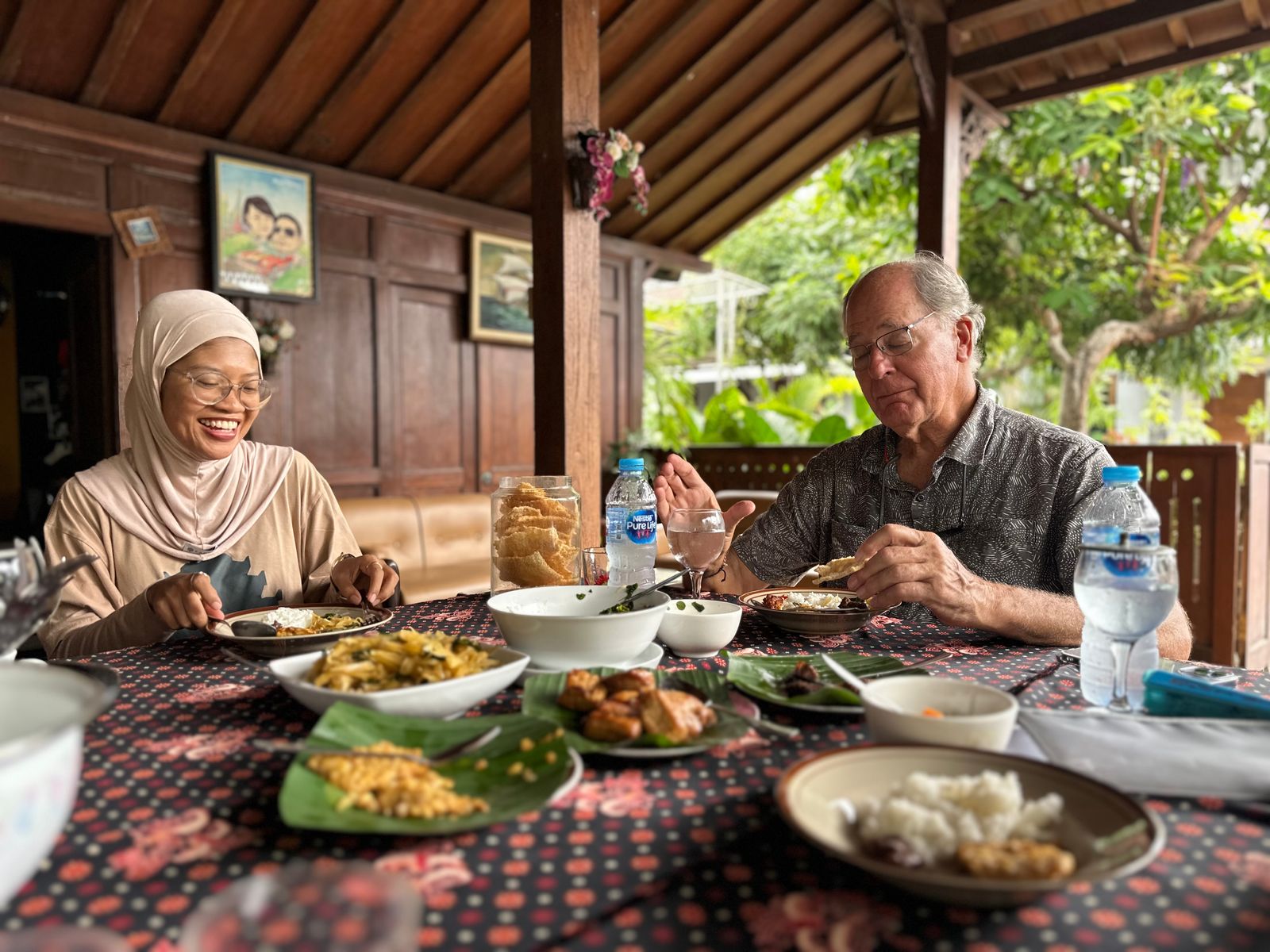
A 2024 report indicates that nearly half of travelers say trips focused on relaxation and reconnection significantly enhance quality time spent with loved ones. When we slow down, we give grandparents the chance to share their wisdom and children the chance to share their wonder. This nature-focused exploration and cultural immersion are the building blocks of a legacy, far more valuable than any souvenir.
Logistical Minimalism: Reducing the Mental Load
Effective slow travel strategies for multigenerational groups involve more than just a slower pace; they require logistical minimalism to reduce the mental load on the "trip lead" (which, let's be honest, is usually Mom). In 2026, we are seeing a rise in "Kidfluence," where 78% of travel choices are influenced by children’s preferences. To manage this without chaos, I recommend a pre-trip survey for all family members.
- Mobility Needs: Does anyone need to avoid stairs?
- Daily Rhythm: What is the "hard" bedtime for the youngest and the oldest?
- Budget Comfort: Are we splitting every meal, or is there a communal fund?
- Must-Haves: If you could only see one thing this week, what would it be?
- Digital Habits: Are we implementing a digital detox during lunch and dinner?
Role assignment is another pillar of planning. One person can be the "logistics lead" (managing the villa entry codes and transport apps), while another is the "cultural lead" (picking the anchoring experiences). By delegating, you prevent one person from reaching travel burnout while everyone else relaxes.
Additionally, how to find kid-friendly slow travel destinations often involves looking for "logistical ready" locations. Many resorts and high-end rentals in 2026 are providing cribs, high chairs, and even bottle warmers as standard, allowing you to fly with only carry-on luggage. This intentional itineraries approach removes the physical strain of moving gear every few days.
Why Staying Longer is Better: Single-Destination Stays
The heart of slow family travel is the single-destination stay. When you settle into a villa, apartment, or a dedicated family resort for 7 to 14 days, the economics and the emotions of the trip shift dramatically. You move from being a tourist to a temporary local.
| Category | City-Hopping (The Sprint) | Slow Travel (The Marathon) |
|---|---|---|
| Logistics | Daily packing/unpacking & train stations | Settle in once; laundry in-house |
| Stress Level | High (missing connections, lost bags) | Low (flexible wake-up times) |
| Cost | High (eating out 3x daily + transport) | Lower (local markets & bulk discounts) |
| Connection | Surface-level interactions | Deep intergenerational bonding |
| Discovery | Ticking off famous landmarks | Finding a "secret" local bakery |
Benefits of staying longer in one destination with children include the ability to establish a routine. For children, especially toddlers, routine equals safety. When they know where they are sleeping each night and where the "milk fridge" is, they are much less likely to have meltdowns. This stability allows parents to enjoy their own digital detox.

Consider flexible family travel itinerary examples for slow trips: instead of visiting five cities in Italy, choose one farmhouse in Tuscany. Use your "Anchors" to explore nearby villages, but always return to the same home base. This is how you achieve true cultural immersion. You start to recognize the neighbor’s dog; you learn that the market has the best peaches on Thursday; you see the sun set over the same vineyard seven times, and each time it looks different.
FAQ
What is slow travel for families?
Slow travel is a mindset that prioritizes connection and immersion over the quantity of sights seen. For families, it typically means staying in one location for at least a week, reducing the frequency of transport, and allowing the daily schedule to be dictated by the family's energy levels rather than a rigid itinerary.
How do you plan a slow travel trip with children?
Start by choosing a single home base with kid-friendly amenities. Focus on one anchoring experience per day—like a museum or a hike—and leave the rest of the day open for spontaneous play, local exploration, or rest. Involve your children in the planning to ensure their interests are represented.
What are the benefits of slow travel for kids?
Slow travel reduces the sensory overload that often leads to tantrums. It provides kids with a sense of security through a consistent environment and allows them to engage deeply with local culture through hands-on experiences. It also fosters better intergenerational bonding as they spend meaningful, unhurried time with parents and grandparents.
Is slow travel realistic with toddlers or babies?
It is often more realistic than traditional travel. Moving a baby from hotel to hotel is exhausting. Staying in one place with a kitchen and separate sleeping areas allows parents to maintain nap schedules and meal routines, which makes for a much happier baby and more relaxed parents.
What are the challenges of slow family travel?
The primary challenge is the fear of missing out (FOMO). It can be hard to be near a famous landmark and choose to stay at the local park instead. It also requires more upfront research to find the perfect single-destination stay that will keep everyone entertained for a longer period.
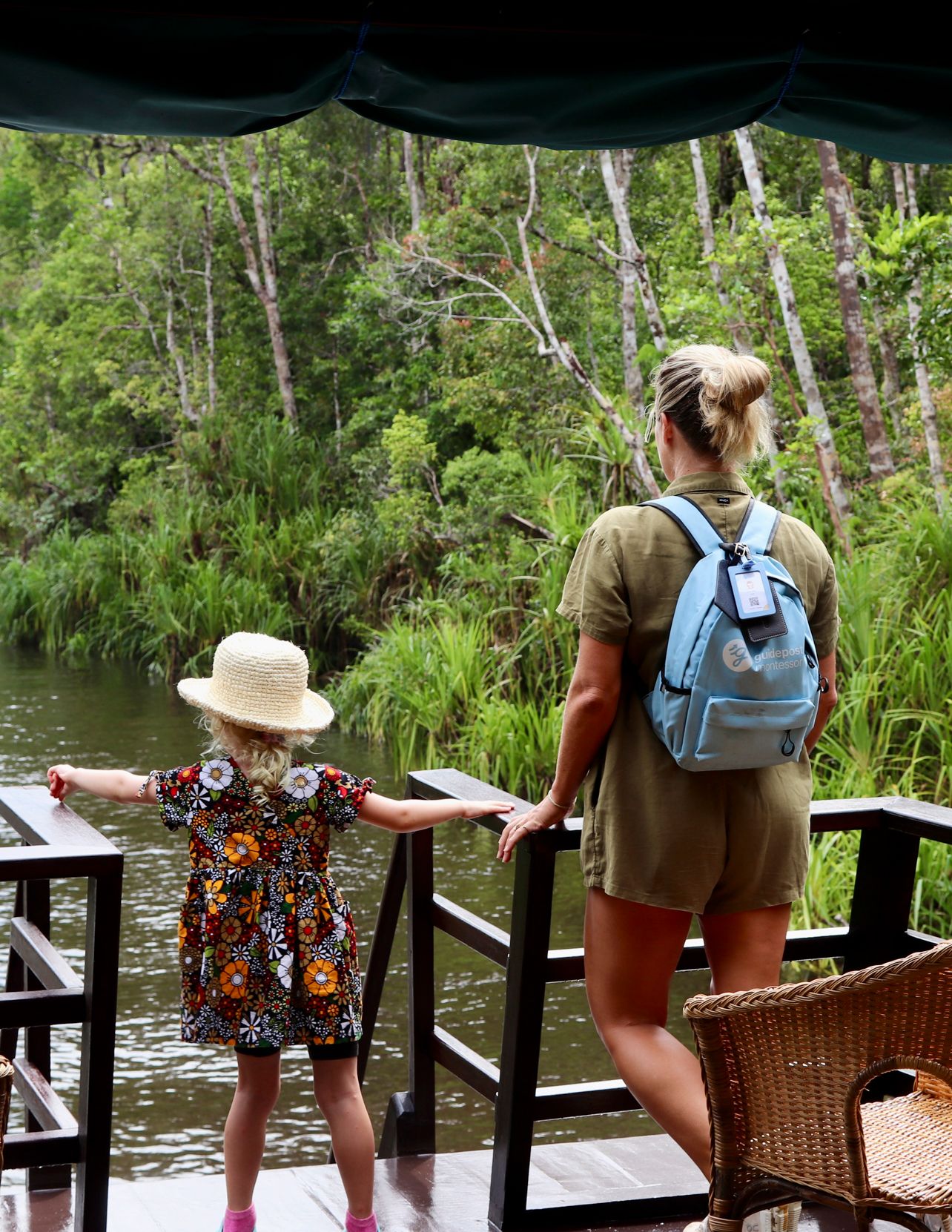
Slow travel isn't about doing nothing; it's about doing the right things at a pace that allows you to actually remember them. As we look toward our 2026 adventures, let's value the quality of our presence over the length of our itinerary. After all, the most beautiful view isn't always the one at the top of the mountain—sometimes, it's just watching your children and their grandparents laughing over a slow, three-hour lunch in a sun-drenched square.