Quick Facts
- 2026 Mandate: ETIAS authorization is required for most non-EU visitors starting in 2026; ensure you apply online at least 96 hours before departure.
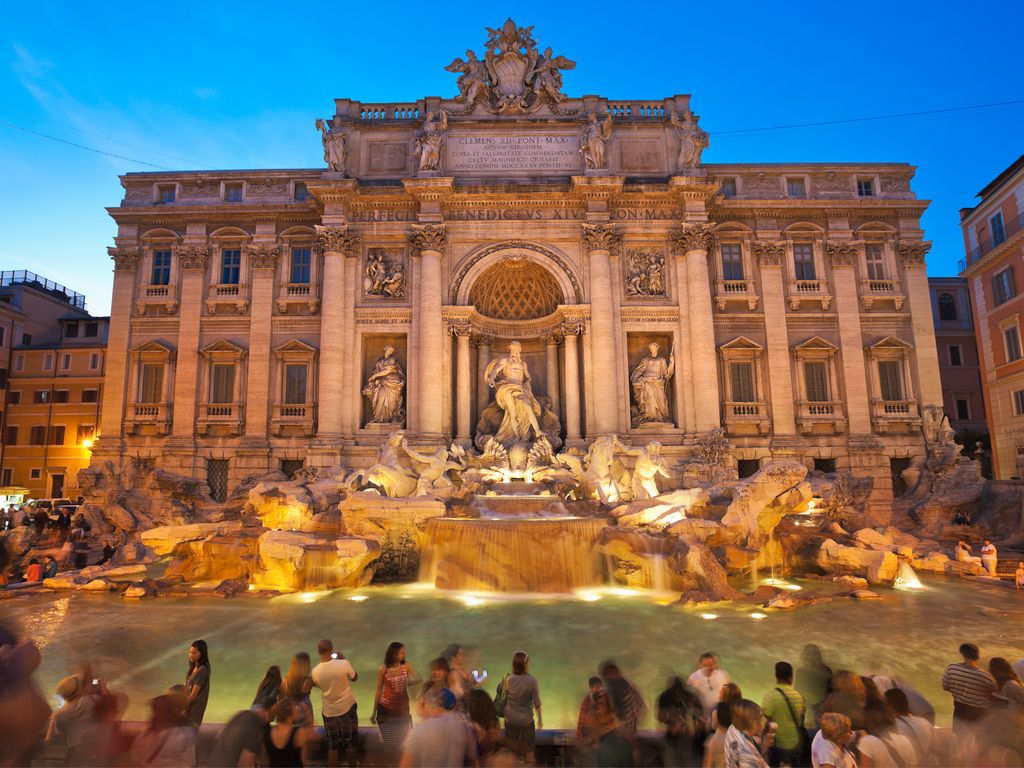
- New Trevi Policy: Starting February 2026, a €2 fee and timed reservation are required to access the fountain's lower basin.
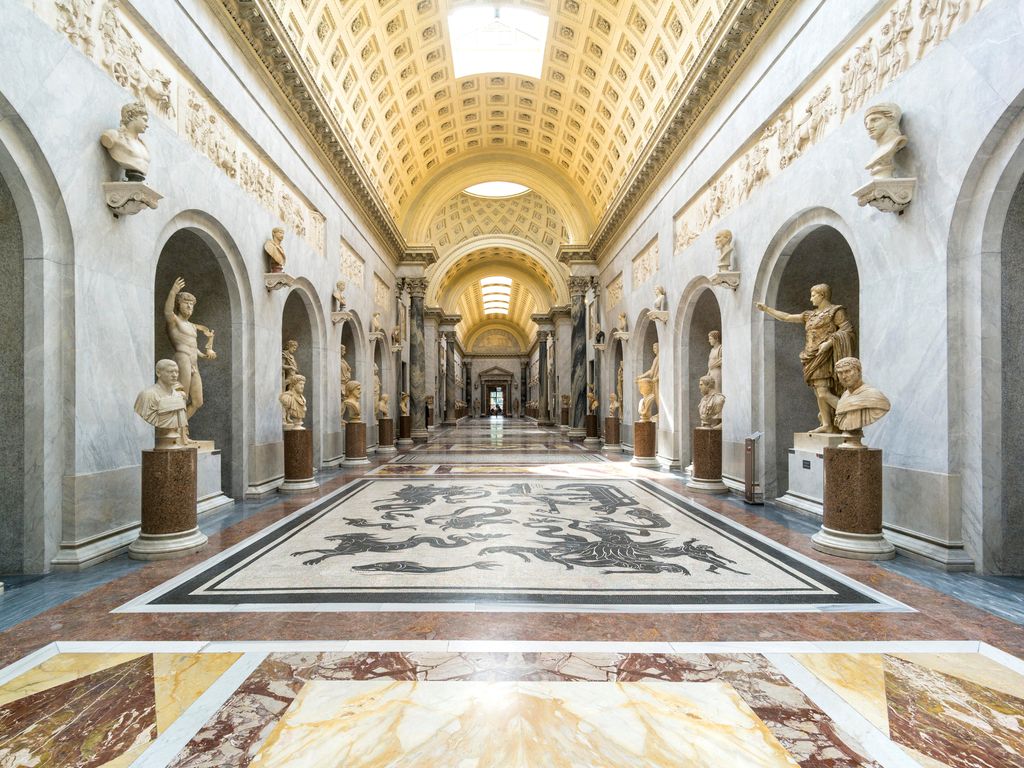
- Museum Capacity: The Vatican Museums house approximately 70,000 works, though only about 20,000 pieces currently on display at any given time.
- Booking Window: High-demand sites like the Galleria Borghese and the Colosseum require booking at least 3-4 weeks in advance for peak season.
- Hydration Stats: Rome features more than 2,000 fountains, offering free, cold drinking water throughout the city.
- Artistic Layers: Many Rome cultural attractions are built directly on top of one another, with sites like San Clemente offering three distinct historical levels.
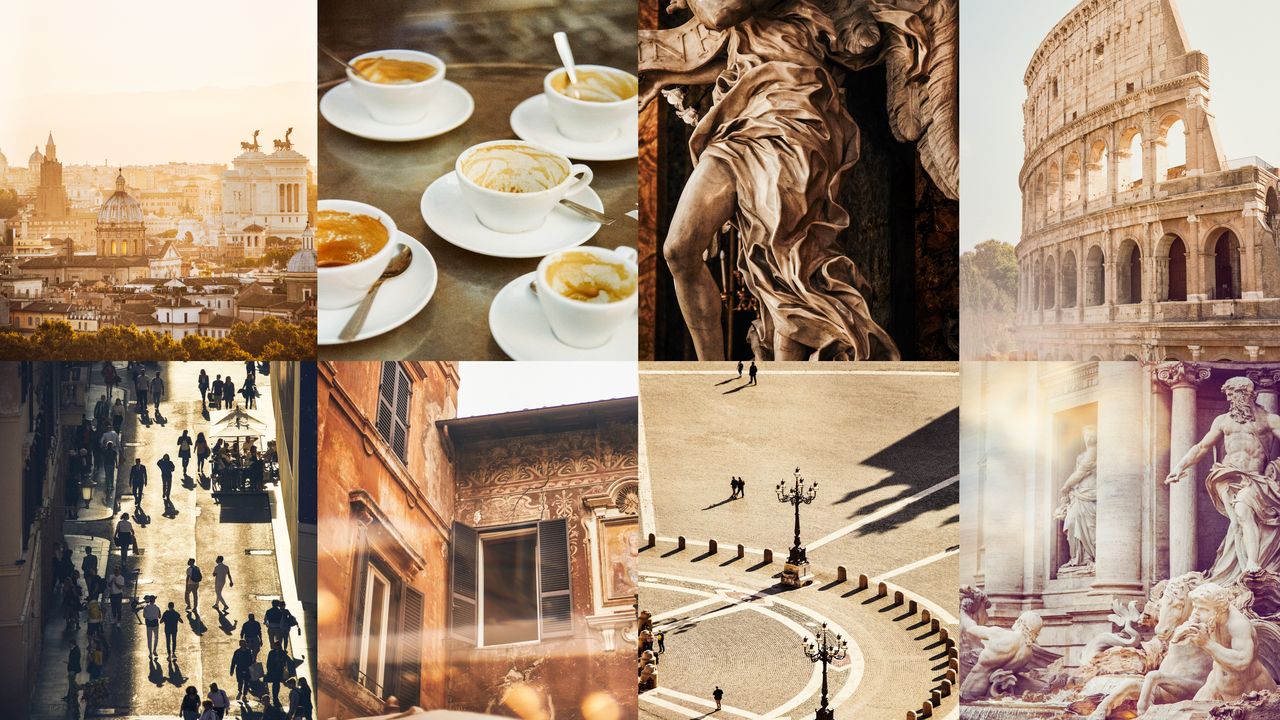
Embarking on a journey through Rome is a walk through two millennia of human creativity. As you explore Rome cultural attractions in 2026, you will find a city that perfectly balances its Imperial architecture with modern vibrancy. Whether you are visiting the best art museums in Rome for Renaissance frescoes or seeking hidden gem museums in Rome to escape the peak season crowds, this guide provides a comprehensive timeline from the Republic to the modern era.
The Foundations: Imperial Architecture and Ancient Sites
To understand Rome, one must start where the dust of the Caesars still lingers. The city is a sprawling open-air museum where the timeline of Rome historical sites from Republic to Empire is etched into every weathered block of travertine. The most immersive way to experience this is to walk the Sacred Way through the Roman Forum, following the path of ancient triumphal processions toward the Palatine Hill.
In 2026, the experience of the Colosseum has been enriched by the opening of the Commodus Passage. This narrow, subterranean corridor once allowed the Emperor to move unseen beneath the arena floor. Stepping into these shadows, you can almost hear the distant roar of the crowd and the clatter of Roman Republic to Empire timeline armor. Nearby, Trajan’s Market stands as a testament to civil engineering. Often cited as the world’s oldest shopping mall, its semi-circular brick halls housed everything from spice merchants to administrative offices, proving that Imperial architecture was as much about daily life as it was about grand ego.
Further enriching the ancient landscape is the recently restored Largo di Torre Argentina. For years, tourists could only view these four Republican-era temples from the street level. Today, walkways allow you to descend into the sacred area where Julius Caesar met his end. These archaeological excavations provide a tangible link to the late Republic, reminding us that Rome was a city of complex political theater long before the first marble palaces were built.
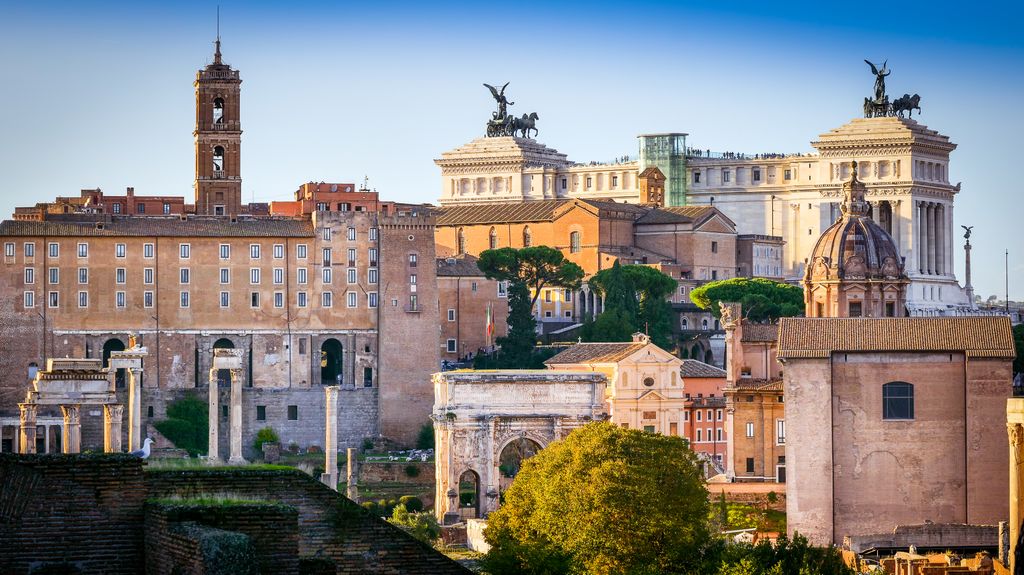
As you navigate these sites using a Rome historical sites guide, remember to look upward at the Triumphal arches. The Arch of Constantine and the Arch of Titus are not just gates; they are massive stone propaganda posters celebrating military victories. They serve as the perfect introduction to the city's obsession with monumental legacy, a theme that would carry through the Renaissance and into the modern day.
Beyond the Vatican: Best Art Museums in Rome for Masterpieces
While the Vatican is a non-negotiable pilgrimage, the city offers far more intimate encounters with genius. Many travelers feel overwhelmed by the 50-plus galleries of the Vatican Museums, which is why learning how to skip the lines at major Rome cultural landmarks is essential for a stress-free trip. A dedicated Practical guide to Rome cultural attractions for first-timers always suggests a balanced approach: visit the Sistine Chapel for its sheer scale, but save your emotional energy for the Galleria Borghese.
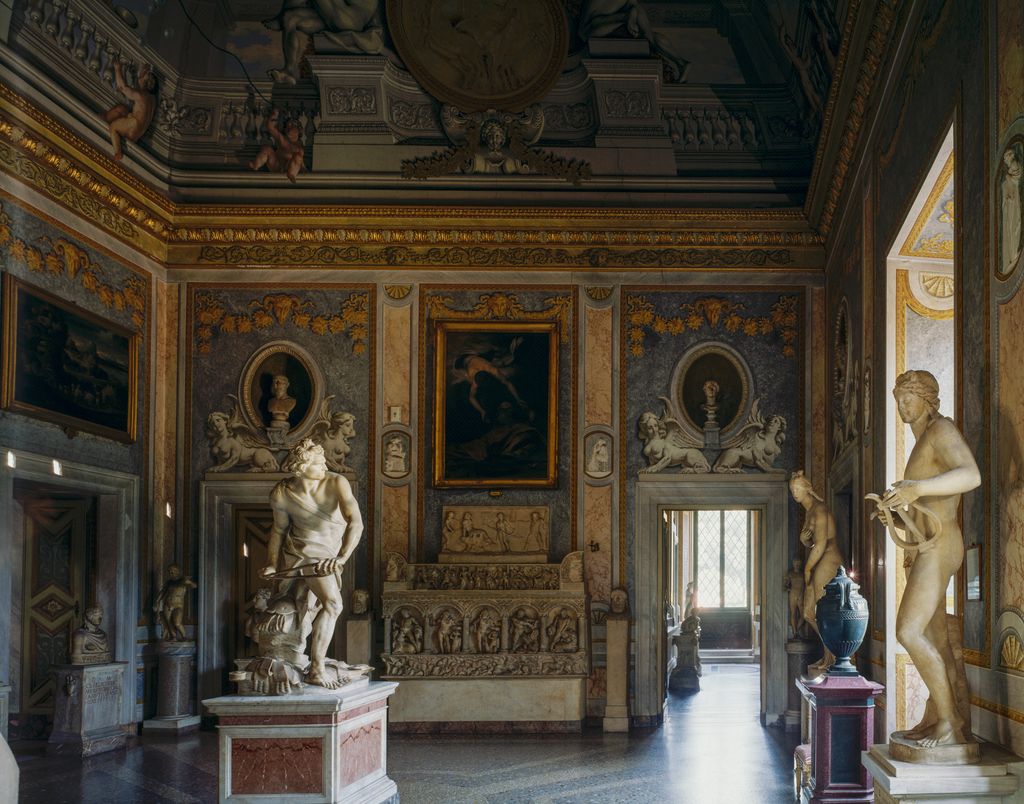
The Galleria Borghese is widely considered one of the best art museums in Rome to see Renaissance masterpieces and Baroque wonders. Set within a lush park, this former cardinal’s villa limits visitors to two-hour slots, ensuring you are never shoulder-to-shoulder with hundreds of others. Here, the Baroque masterpieces of Gian Lorenzo Bernini defy the physics of stone. In his sculpture of Apollo and Daphne, the marble seems to turn into soft laurel leaves and tender skin before your very eyes. It is the pinnacle of Papal patronage, where the wealth of the church fueled a competitive explosion of creativity.
For those who crave the delicate beauty of Raphael, Villa Farnesina in Trastevere is a quiet revelation. Unlike the packed Raphael Rooms in the Vatican, this villa allows you to sit virtually alone under Renaissance frescoes depicting the Myth of Psyche. The light filters through tall windows, illuminating the vibrant colors just as it did for the wealthy Sienese banker who commissioned them in the 16th century. This is art as it was meant to be seen: as a part of a living, breathing home.
Exploring the best art museums in Rome also means stepping into the shadows of Caravaggio. You don't always need a museum ticket to find him. Several Roman churches, such as San Luigi dei Francesi, house his paintings for free. Standing in a dark chapel, dropping a coin into the light meter, and watching the dramatic chiaroscuro of his work emerge from the gloom is a quintessential Roman experience. It connects the viewer to the raw, visceral Classical sculpture traditions that Caravaggio modernized for his era.
The Silent City: Hidden Gem Museums Rome
When the mid-day heat or the roar of the Vespa traffic becomes too much, Rome offers sanctuary in its lesser-known palazzos. Seeking out hidden gem museums in Rome away from the crowds is the best way to feel the soul of the city without the distraction of selfie sticks. These spaces often hold more archaeological depth than the major landmarks combined.
Palazzo Altemps, located just steps from the chaotic Piazza Navona, is perhaps the most serene spot in the capital. The courtyard is a masterpiece of Renaissance design, filled with orange trees and the soft sound of water. Its collection focuses on ancient Greek and Roman marbles that were once part of aristocratic private collections. Seeing a 1st-century statue standing in a room adorned with 16th-century frescoes creates a stunning visual bridge across a millennium.
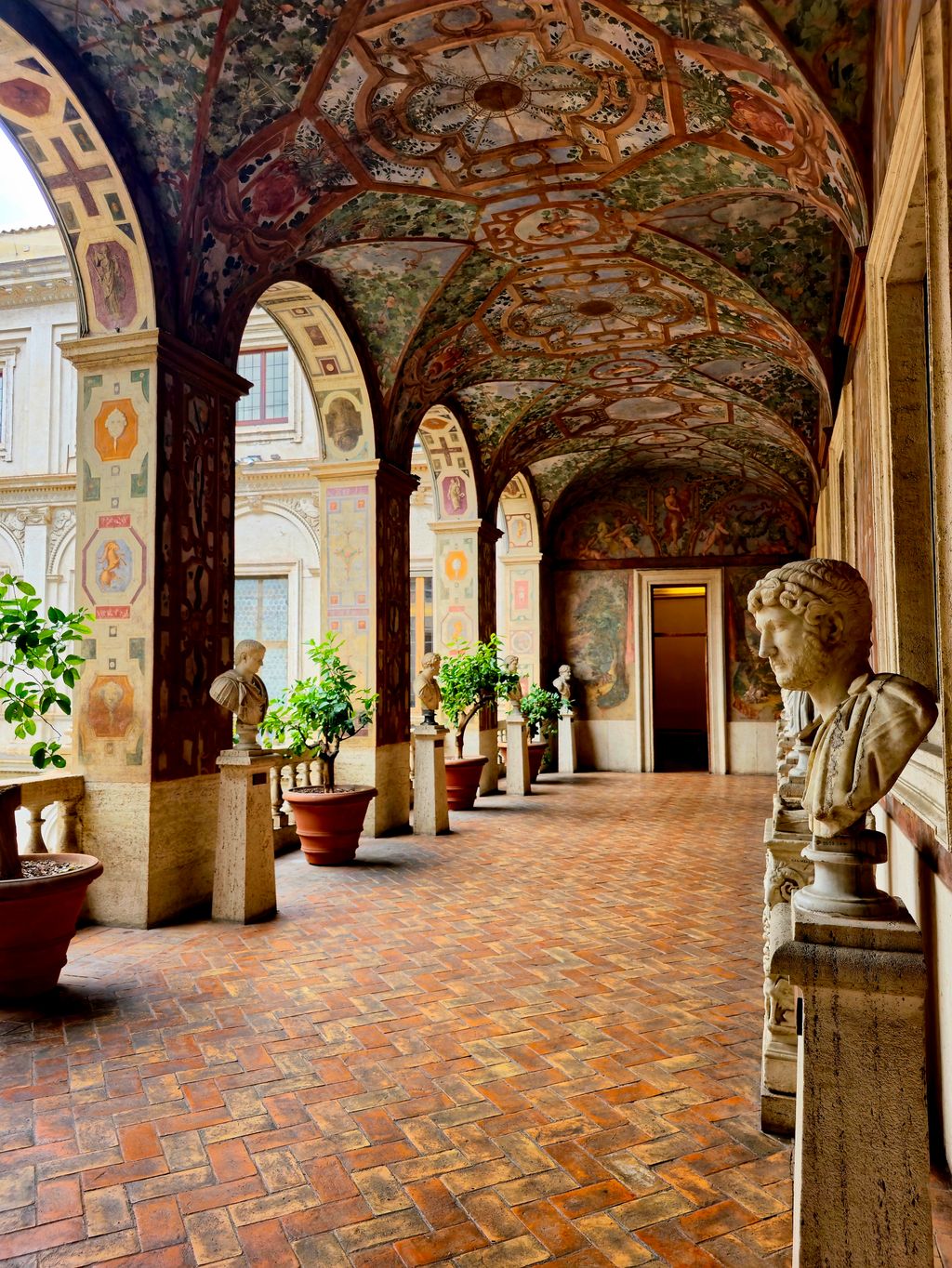
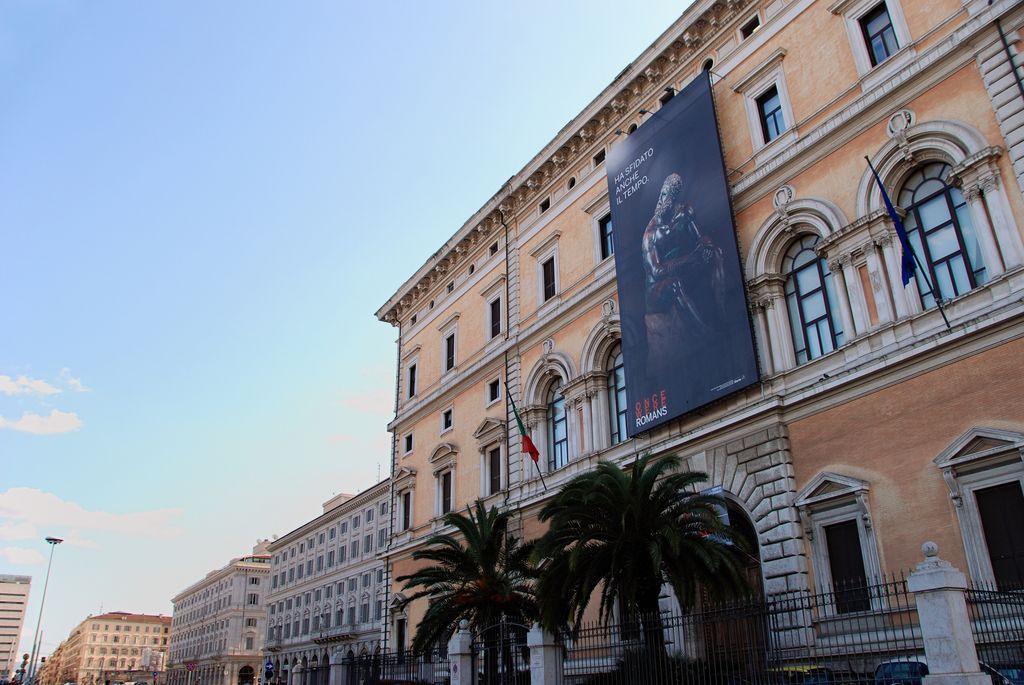
Another essential stop is Palazzo Massimo alle Terme. Despite being one of the best art museums in Rome for classical statuary, it remains surprisingly quiet. The highlight here is the second floor, which houses perfectly preserved Roman frescoes from the House of Livia. These are not just chips of paint; they are entire rooms showing lush garden scenes with birds and fruit trees, looking as fresh as if they were painted yesterday. Exploring underground Rome cultural sites and ancient palace ruins often starts with these wall paintings, which provide the only window into the interior lives of the Roman elite.
- Palazzo Doria Pamphilj: The largest private art collection in Rome, still owned by the same princely family.
- Centrale Montemartini: Ancient sculptures displayed against the backdrop of a decommissioned industrial power plant.
- Crypta Balbi: A museum built directly over a medieval city street, perfect for understanding artistic preservation and urban evolution.
- The Keats-Shelley House: A literary gem at the foot of the Spanish Steps dedicated to the Romantic poets.
These sites offer more than just artifacts; they provide Medieval mosaics and quiet corners that allow you to process the overwhelming scale of the city. They represent the "Slow Travel" movement within a city that is too often consumed in a rush.
Practical 2026 Itinerary: Pacing Your Journey
To truly appreciate the Rome cultural attractions without burning out, you must pace yourself like a local. Rome is not a city to be "checked off"—it is a city to be savored.
Day 1: The Imperial Morning
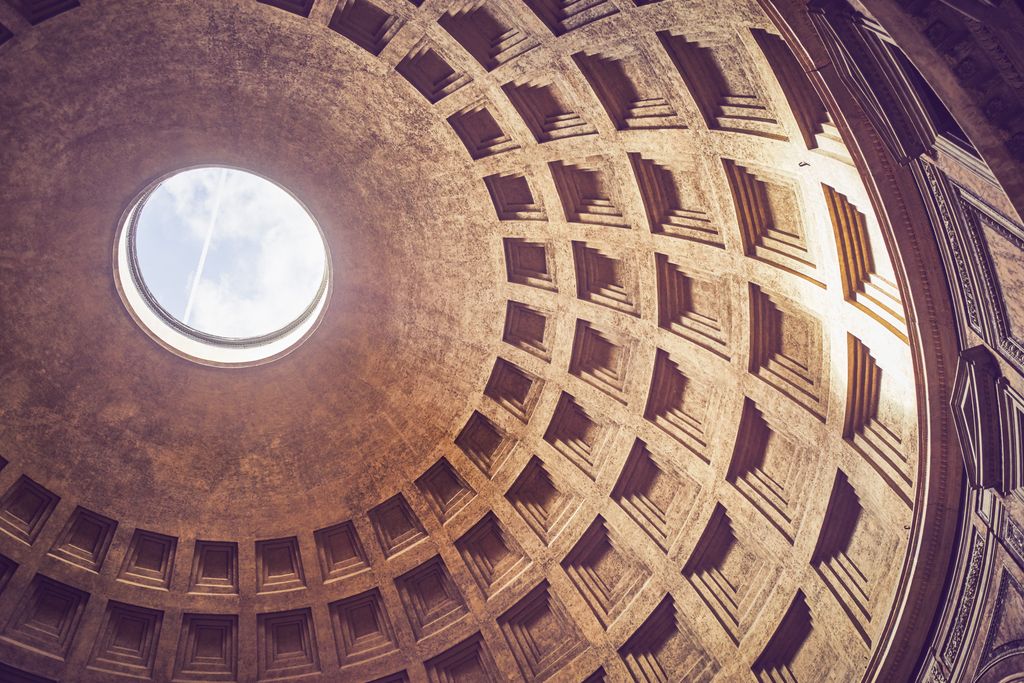
Morning: 09:00 - 13:00 Start at the Colosseum (timed entry) and move through the Roman Forum. This is the heart of the UNESCO World Heritage site. Be sure to walk up to the Palatine Hill for the best vistas of the ruins. Afternoon: 14:30 - 17:30 Visit the Capitoline Museums. This is the world’s oldest public museum and houses the iconic bronze She-Wolf. Finish your day with a walk to the Pantheon, which remains the best-preserved example of ancient engineering.
Day 2: The Spiritual and the Grand
Morning: 08:30 - 12:30 The Vatican Museums. Prioritize the Sistine Chapel and the Raphael Rooms. If the crowds feel too heavy, remember to breathe in the courtyards. Afternoon: 15:00 - 18:00 Cross the river into Trastevere. Visit the Basilica of Santa Maria in Trastevere to see stunning gold Medieval mosaics before heading to Villa Farnesina for a peaceful artistic reset.
Day 3: Hidden Palaces and Modern Angles
Morning: 10:00 - 13:00 Explore Palazzo Massimo followed by Palazzo Altemps. These hidden gem museums Rome offers will provide the cultural depth you missed in the larger crowds. Afternoon: 15:00 - 18:00 Take the tram north to MAXXI - National Museum of 21st Century Arts. Designed by Zaha Hadid, its fluid concrete lines are a sharp, beautiful contrast to the stone of the Imperial era.
When traveling in 2026, keep logistics in mind. The Leonardo Express train from Fiumicino Airport remains the most efficient way to reach the center for €14. While the Roma Pass offers value if you plan on seeing three or more major sites, the true secret to Rome is the gaps between the monuments—the stops for espresso, the smell of freshly baked pizza bianca, and the cool touch of the marble fountains in a quiet piazza.
FAQ
What are the best cultural attractions to visit in Rome?
The quintessence of Rome lies in its variety. For ancient history, the Colosseum and Roman Forum are foundational. For high art, the Vatican Museums and Galleria Borghese are unparalleled. To see the city's living history, the Pantheon and the various monumental fountains like the Trevi and Bernini’s Four Rivers Fountain are essential.
Which historical sites in Rome require tickets in advance?
In 2026, advance booking is mandatory for almost all top-tier sites. The Galleria Borghese often sells out weeks in advance. The Colosseum, Vatican Museums, and Domus Aurea also require timed-entry tickets. Additionally, the Trevi Fountain's lower basin now requires a €2 reservation to prevent overcrowding.
Are there any hidden cultural gems in Rome away from the crowds?
Yes, Rome excels in quiet, high-quality museums. Palazzo Altemps and Palazzo Massimo are world-class but rarely crowded. For a more intimate look at the Renaissance, Villa Farnesina offers Raphael frescoes without the Vatican lines. For something unique, Centrale Montemartini displays classical statues in a former power plant.
Is it better to buy a Roma Pass for sightseeing?
The Roma Pass is beneficial if you plan on visiting at least two major museums and using public transport frequently over a 48 or 72-hour period. It includes free entry to your first one or two sites and discounted entry thereafter. However, check if your must-see sites (like the Vatican) are included, as they are managed separately.
What is the dress code for visiting churches and cultural sites in Rome?
Modesty is required in all religious sites, including the Pantheon and St. Peter’s Basilica. Shoulders and knees must be covered. Carrying a light scarf in your bag is a practical solution for summer heat. While secular museums like the MAXXI do not have a strict dress code, comfortable walking shoes are the most important part of your wardrobe.