Quick Facts
- UNESCO Status: Inscribed as the 1,000th World Heritage Site in 2014 for its unique ecological processes.
- Peak Flood Cycle: The arrival of floodwaters occurs from June to August during the height of the dry season.
- Major Wildlife: Home to the world's largest remaining population of African elephants, estimated at 130,000 individuals.
- Safari Model: Operates on a high-value, low-volume tourism model to minimize the environmental footprint.
- Gateway: Most travelers access the region via bush flights from Maun International Airport (MUB).
- 2026 Pricing: Luxury lodge rates generally range from $1,250 to $2,450 per person per night, depending on the concession.
The best time for an Okavango Delta safari is during the peak flood months from June to August, when water from the Angolan highlands reaches the Kalahari basin. This unique hydrological cycle allows for premier mokoro and motorboat experiences alongside high wildlife concentrations, as animals migrate toward the life-giving water during the surrounding dry season.
The Hydrological Miracle: Why the Delta Exists
The Okavango Delta Botswana is a hydrological anomaly that defies the typical rules of geography. Each year, roughly 2.5 trillion gallons of water begin a 1,000-mile journey from the Angolan highlands, trickling through the Okavango River before spilling into the parched Kalahari basin. This creates an alluvial fan that transforms the desert into a lush labyrinth of lagoons and channels. Unlike most river systems, the Okavango never reaches the ocean; instead, its waters evaporate or settle into the sands, creating a pulsing ecosystem that breathes with the seasons.
Timing your visit is essential because the water arrives when it is least expected. While the local rains fall between December and March, the actual flood tide takes months to navigate the dense papyrus and reeds. This means that by June, when the surrounding bush is dry and golden, the delta is at its fullest. It is this inverted seasonality that makes the region so productive for wildlife.
One of the most spectacular biological phenomena resulting from this cycle is the Barbel Run. Occurring around September and October as water levels begin to recede, millions of catfish (barbells) migrate upstream, thrashing through the reeds to hunt smaller fish. This frenzy triggers a chain reaction of birdlife and predators, offering an intense, high-energy spectacle for those who time their travel dates specifically for this event.
Traveler’s Tip: How climate change affects Okavango Delta travel dates is a growing concern for planners. In recent years, the arrival of the flood has become more erratic. Always check with an eco-conscious operator who monitors the annual flood levels in real-time before finalizing your 2026 dates.
Geography as Destiny: Choosing Your Concession
Navigating the Okavango Delta Botswana requires a strategic approach to geography. The delta is divided into the Moremi Game Reserve, which is a protected public area, and various private concessions. The luxury of the private concessions lies in their exclusivity; they allow for off-road driving and night drives, which are restricted in the national park.
Logistically, your journey starts at the Maun gateway. From here, small bush planes ferry guests to remote airstrips. The view from above is arguably the best way to experience the Okavango Delta as a whole, revealing the intricate patterns of elephant paths and Hippo-carved channels that define the landscape.
To help you decide where to stay, consider the distinction between permanent water and seasonal floodplains:
| Concession Type | Primary Activity | Best Known For | Key Locations |
|---|---|---|---|
| Permanent Water | Mokoro and Boat | Pel's Fishing Owl, aquatic scenery | Jao, Xigera, Vumbura Plains |
| Seasonal Floodplain | Land-based Game Drives | African wild dogs, Lion-Buffalo interaction | Kwando Kwara, Mombo, Shinde |
| The Panhandle | Fishing and Birding | Barbel Run, Houseboats | Shakawe region |
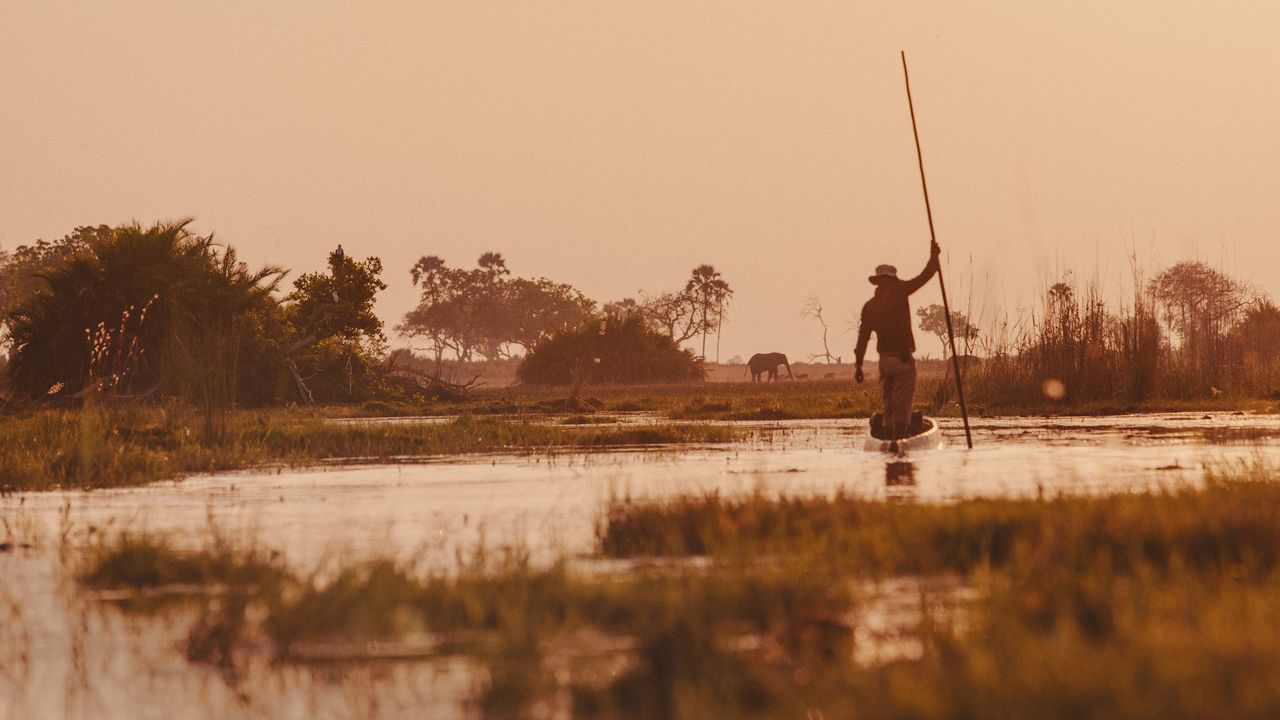
While land-based drives are the staple of any African safari, the mokoro polers provide the quintessential delta experience. Gliding through the water at eye level with frogs and lilies in a traditional dugout canoe offers a meditative silence that no motor engine can match. If you are adventurous, many camps offer a safety guide for Okavango Delta walking safaris, allowing you to track wildlife on foot across the islands—an experience that highlights the smaller, often overlooked details of the ecosystem.

The Price of Exclusivity: 2026 Luxury and Sustainability
Planning a sustainable safari Okavango Delta trip involves more than just picking a camp; it involves supporting an economic model designed to protect the very wilderness you are visiting. Botswana intentionally employs a low-volume tourism strategy. By keeping bed counts low and prices high, the government ensures that the environmental impact is minimized while generating significant revenue for conservation.
For 2026, Okavango Delta luxury lodge prices reflect this commitment. You can expect to pay anywhere from $1,250 to over $5,000 per person per night. These costs cover more than just fine dining and high-thread-count linens; they fund sophisticated off-grid infrastructure. For instance, flagship properties like Xigera and Mombo Camp utilize massive solar arrays to power their entire operations, and water treatment systems that ensure not a drop of pollutants enters the delicate watershed.
If you are looking for specific tiers of luxury:
- Flagship Exclusivity: Mombo Camp, Jao Camp, and Duba Plains remain the gold standard for high-end immersion.
- Premium Versatility: Vumbura Plains and Kwando Kwara offer an excellent balance of water and land activities.
- Intimate Boutique: Kanana and Shinde provide a quieter, owner-led atmosphere that focuses heavily on the guiding experience.
Sustainable safari lodges in the Okavango Delta are increasingly focusing on the circular economy. This means reducing plastic waste to zero and ensuring that the economic benefits of tourism reach the local communities that act as the delta’s primary guardians.
Conservation Crisis: Protecting the Fragile Miracle
Despite its status as a pristine wilderness, the Okavango Delta faces a precarious future. Its survival depends entirely on the health of a river system that spans three countries. The ecosystem fragility is underscored by the fact that the 1,061 plant species, 482 bird species, and 130 mammal species rely on a water source that is currently being targeted for upstream development.
Recent reports indicate a 29% increase in irrigated land in the river basin from 2020 to 2024. Every hectare of land irrigated upstream in Angola or Namibia represents water that may never reach the Kalahari. Even a minor drop in water levels can disrupt the seasonal migration patterns of the 130,000 individuals that make up the world's largest remaining population of African elephants.
Furthermore, the KAZA Transfrontier area—a massive conservation initiative involving five nations—aims to create safe corridors for wildlife movement. However, the delta remains the "heart" of this project. If the hydrological pulse of the delta fades, the entire KAZA initiative loses its most vital sanctuary. As a conscious traveler, choosing operators who actively participate in the Okavango Delta Elephant Conservation projects and those who advocate for trans-border water management is a vital step in preserving this miracle.

FAQ
What is the best time of year to visit the Okavango Delta?
The best time is during the peak flood cycle from June to August. This is when the water levels are at their highest and the surrounding Kalahari is dry, forcing wildlife to gather around the delta's channels. For those interested in birding, the rainy season from December to March offers spectacular migratory sightings.
Is the Okavango Delta worth visiting?
Absolutely. It is one of the few places on Earth where you can experience a truly pristine wetland ecosystem in the middle of a desert. The unique mokoro polers experiences and the density of rare species like African wild dogs make it a bucket-list destination for any serious nature lover.
What animals can you see in the Okavango Delta?
The delta is home to the Big Five, though rhinos are increasingly rare and heavily protected. You will see massive herds of African elephants, hippos, crocodiles, and red lechwe. It is also one of the best places in Africa to see predators, including lions, leopards, and African wild dogs.
How much does a safari in the Okavango Delta cost?
For 2026, expect to pay between $1,250 and $2,450 per person per night for premium lodges. Low-season rates (November to March) can be significantly lower, while top-tier flagship properties can exceed $5,000 during the peak flood months.
How many days should I spend in the Okavango Delta?
A minimum of four to six nights is recommended. This allows you to split your time between a water-focused camp and a land-focused camp, giving you a comprehensive understanding of the different ecological zones within the alluvial fan.
What is the best way to experience the Okavango Delta?
The most authentic way is a combination of perspectives: an aerial view via a bush flight from the Maun gateway, a silent mokoro excursion through the lily pads, and a guided game drive on the islands. For a more intensive experience, consider planning a multi-day trans-Okavango safari expedition that moves deep into the heart of the delta.