Quick Facts
- Founded: November 1, 1776, by Saint Junipero Serra.
- Architecture: Spanish Colonial architecture featuring adobe brick construction.
- Signature Landmark: Great Stone Church ruins and the historic Serra Chapel.
- Cultural Highlights: Annual cliff swallow migration and the Swallows Day Parade.
- Top Dining: Heritage Barbecue (Michelin Bib Gourmand) and El Adobe de Capistrano.
- Oldest Street: Los Rios Street, active since the late 1790s.
- Transport: Ideally reached via the Amtrak Pacific Surfliner or car.
A visit to Mission San Juan Capistrano is a walk through California’s soul. Founded in 1776, this historic landmark anchors a district where 18th-century Spanish colonial architecture meets modern Michelin-recognized dining. Whether you arrive via the Amtrak Pacific Surfliner or by car, this San Juan Capistrano travel guide will lead you through the sacred gardens, the ruins of the Great Stone Church, and the oldest neighborhood in California.
The Jewel of the Missions: Exploring Mission San Juan Capistrano
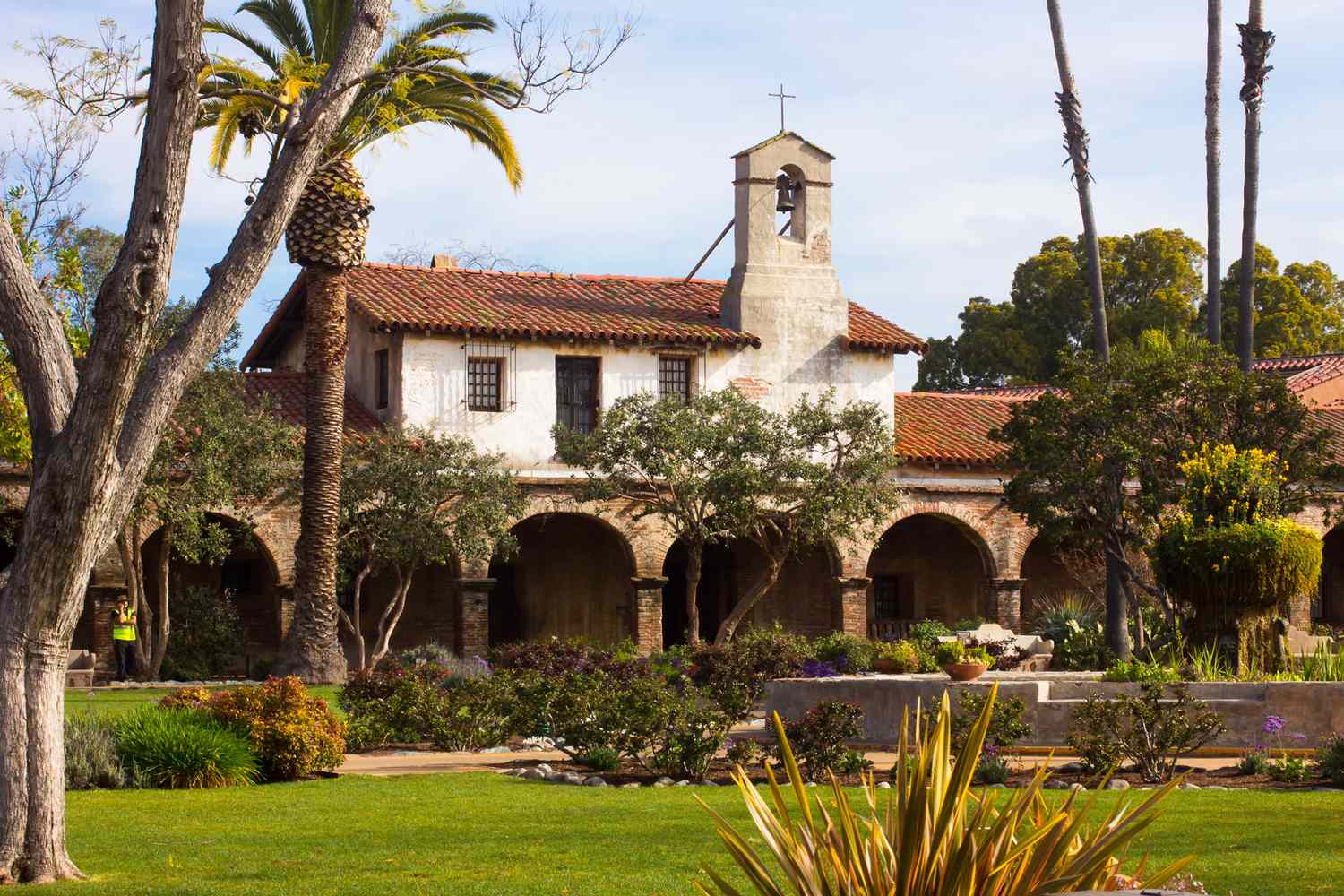
To stand within the central courtyard of Mission San Juan Capistrano is to experience a quiet gravity. Known as the Jewel of the Missions, this site is more than a relic; it is an atmospheric chronicle of Alta California. The mission was officially founded on November 1, 1776, as the seventh of the twenty-one missions established along the Pacific coast. Today, it remains a sanctuary of silence, punctuated only by the trickling water of the koi pond and the distant chime of bells that have rung since the days of Spanish rule.
The architectural narrative is dominated by the ruins of the Great Stone Church. This ambitious structure, which took nine years to complete before its dedication in 1806, was designed to be a monumental testament to faith. Before a tragic earthquake in 1812 brought the roof down during morning Mass, the church was 180 feet long and 40 feet wide. Now, the remaining walls stand as skeletal monuments of golden stone, offering some of the most evocative photography spots at Mission San Juan Capistrano gardens. Amidst these ruins, the textures of the stone against the Southern California sky tell a story of resilience and the passage of time.
Steps away from the ruins lies the Serra Chapel. This is perhaps the most spiritually significant building in the complex, recognized as the only remaining church where Saint Junipero Serra celebrated Mass. Its interior is a masterclass in colonial aesthetics, adorned with a magnificent golden retablo and intricate murals that have watched over generations of worshipers. Today, the missionlandmark welcomes over 300,000 visitors annually and is preserved by a dedicated foundation with more than 10,000 members who ensure that the adobe brick construction and ornate artwork are protected for the future.
For those planning their tour, visiting the Great Stone Church ruins tips usually suggest arriving when the gates first open. The morning light filtering through the arches provides a clarity that captures the grain of the plaster and the deep greens of the Sacred Garden. It is a place where the 18th-century frontier outpost feels remarkably close, a heritage site that demands a slow, deliberate pace.
Walking through California’s Oldest Street: Los Rios Historic District
Directly across the railroad tracks from the mission gate lies the Los Rios Historic District, a neighborhood that breathes with the rhythm of another era. Established alongside the mission to house its soldiers and workers, it is the oldest continuously inhabited street in California. Walking through these narrow lanes, you are retracing a Los Rios Historic District walking tour route and tips that have remained largely unchanged for over two hundred years.
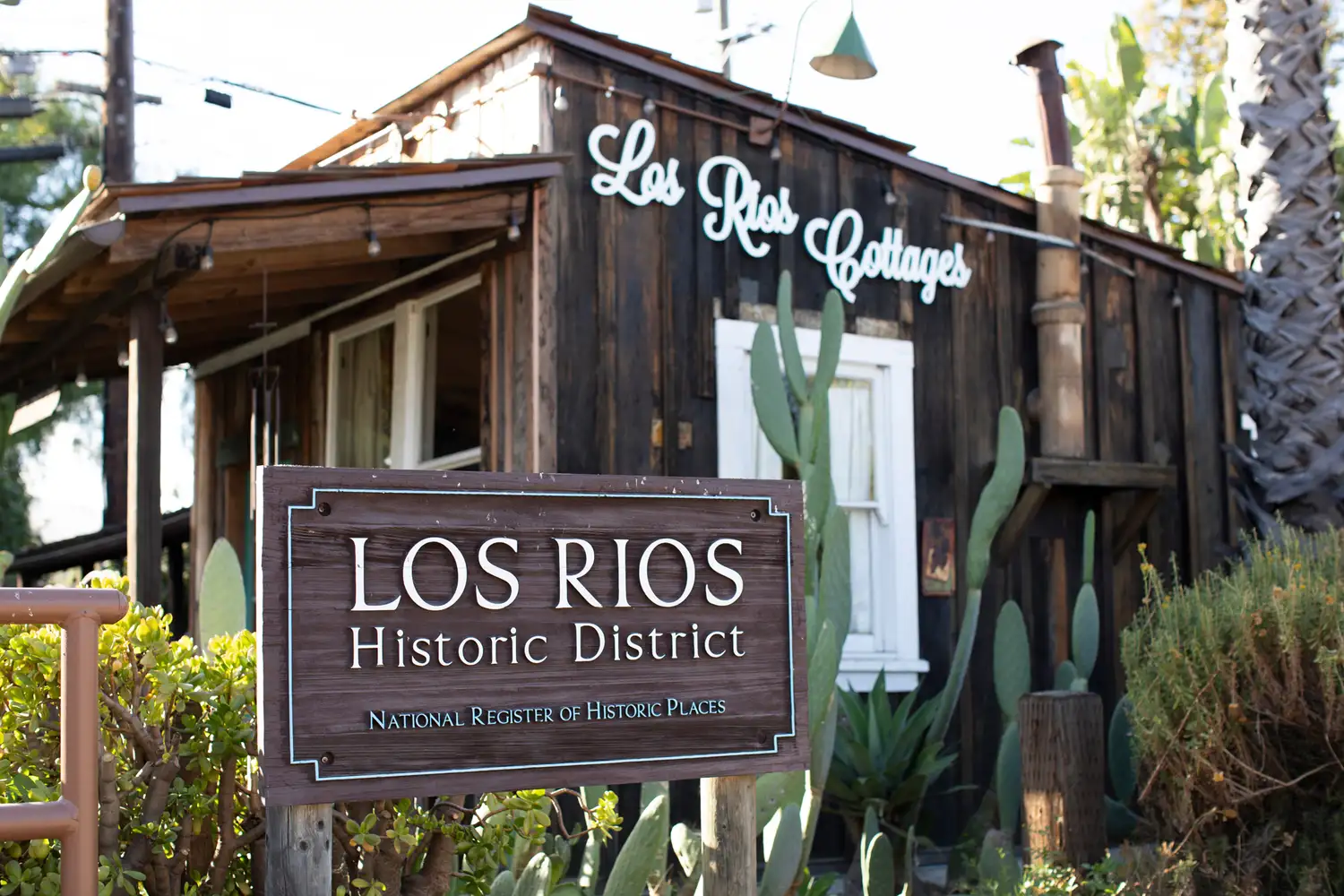
The charm of Los Rios Street is its organic evolution. You will find several historical adobes to visit in Los Rios District, most notably the Montanez Adobe, built in 1794. Once the home of a local healer, it now serves as a museum where visitors can step inside the thick, cool walls that characterize early California architecture. Nearby, the Rios Adobe continues to be used as a private residence by descendants of the original family, a living testament to the area’s enduring heritage.
The experience of Los Rios is sensory. The air is sweet with the scent of wild jasmine and rosemary, and the sound of the gravel crunching beneath your feet is occasionally joined by the distant whistle of the Amtrak Pacific Surfliner arriving at the 1894 Capistrano Depot. While the adobes evoke the 18th century, the neighborhood also features charming Victorian and Craftsman cottages, create a architectural tapestry that feels like a quiet village hidden in the heart of Orange County. For a deeper look at the local life, a stop at the O'Neill Museum—housed in a 19th-century Victorian—provides context on the families who shaped this community after the mission era wound down.
The Living Heritage: The Acjachemen Nation and the Swallows
While the Spanish missions are the most visible symbols of this region’s past, the story of San Juan Capistrano begins long before 1776. The Acjachemen Nation, the indigenous people who have stewarded this land for thousands of years, are the original builders of the mission infrastructure. Their legacy is not just one of history but of a living, vibrant community that continues to maintain its ancestral ties to the valley. Any comprehensive San Juan Capistrano travel guide must acknowledge the Juaneño tribe of the Acjachemen Nation as the foundational narrative of this cultural landscape.
Their story is inextricably linked to the natural cycles of the land, most famously represented by the cliff swallow migration. Every year, these small, agile birds travel 6,000 miles from Argentina to return to the eaves of the mission. The best time to see the swallows at San Juan Capistrano is between March and October, a biological phenomenon that has inspired songs and legend. The city celebrates this return every March with the Swallows Day Parade, a tradition that fills the streets with horses, music, and a festive spirit that honors the intersection of nature and history.
The swallows are more than a tourist attraction; they are a symbol of return and consistency in a changing world. For modern visitors, witnessing the birds darting above the ruins of the Great Stone Church provides a visceral connection to the past, reminding us that the mission's heritage is active, breathing, and inextricably tied to the environment of the San Juan Valley.
Modern Heritage: Gastronomy and Practical Trip Planning
The cultural journey of San Juan Capistrano extends into its modern dining scene, where the past is often served alongside world-class culinary innovation. Exploring the local heritage sites naturally leads to an appetite for the region’s diverse flavors.

For a taste of modern acclaim, Heritage Barbecue is a must-visit. This Michelin Bib Gourmand destination has revolutionized local smokehouse culture, using traditional oak-fired techniques to create brisket and ribs that often draw a line out the door before opening. If you prefer a meal steeped in literal history, El Adobe de Capistrano sits within a building that dates back to 1797. Once a home and a jail, it now serves classic Mexican-California cuisine in a dining room that feels like an extension of the mission itself.
One Day Itinerary for San Juan Capistrano Heritage Sites
| Time | Activity | Location |
|---|---|---|
| 9:30 AM | Morning Pilgrimage | Arrive at Mission San Juan Capistrano; explore the Great Stone Church ruins and Serra Chapel. |
| 11:30 AM | Garden Walk | Photography at the lily ponds and the Sacred Garden. |
| 12:30 PM | Historic Lunch | Dine at Heritage Barbecue or enjoy tacos at El Adobe de Capistrano. |
| 2:00 PM | Los Rios Walk | Explore the Los Rios Historic District, visiting the Montanez Adobe and O'Neill Museum. |
| 4:00 PM | Retail & Tea | Browse the local boutiques or enjoy herbal tea at The Tea House on Los Rios. |
| 6:00 PM | Evening Sojourn | Check in to The Inn at the Mission for a cocktail overlooking the mission grounds. |

For those staying overnight, The Inn at the Mission (part of the Marriott Autograph Collection) offers a sophisticated blend of mission-inspired décor and luxury amenities. Its proximity to the historical sites makes it an ideal anchor for a weekend focused on Orange County heritage tourism.
FAQ
What is Mission San Juan Capistrano famous for?
The mission is renowned as the Jewel of the Missions, famous for the ruins of its Great Stone Church, the historic Serra Chapel, and the annual migration of cliff swallows that return to the site each spring.
When do the swallows return to San Juan Capistrano?
The cliff swallows traditionally return on St. Joseph’s Day, March 19th. However, they can be seen nesting across the mission and the city from March through October before they migrate back to Argentina.
How long does it take to tour the mission?
A thorough visit usually takes between 1.5 to 2.5 hours. This allows ample time to listen to the audio tour, explore the museum rooms, walk through the gardens, and spend time in the Serra Chapel.
Is Mission San Juan Capistrano still an active church?
Yes, the mission is an active Catholic parish. While the ruins are part of the museum, the Serra Chapel still hosts daily Mass, and the nearby Mission Basilica is house to a vibrant local congregation.
Do you need to buy tickets in advance for the mission?
While walk-up tickets are usually available, purchasing tickets online in advance is highly recommended, especially during peak seasons like the spring swallow migration or on weekends, to ensure smooth entry.
Explore San Juan Capistrano Today
Whether you are a historian seeking the architectural nuances of the Spanish colonial era or a traveler looking for a serene afternoon amidst pomegranate trees and adobe walls, Mission San Juan Capistrano offers an experience that lingers. This Mission San Juan Capistrano visitor guide 2026 encourages you to look beyond the surface, to hear the stories of the Acjachemen people, and to savor the craftsmanship of the past that still stands strong in the California sun.
The mission and the adjacent Los Rios district are more than landmarks; they are the living memory of a state’s origin. Book a Saturday tour with the local historical society for an even deeper dive into the legends of this valley, and witness for yourself why this remains the heart and soul of Orange County.