Quick Facts
- Total Area: Nearly 2,000 acres of protected Florida landscape.
- Top Activity: Snorkeling the SWARA artificial reef and paddling the rare coastal dune lakes.
- Global Rarity: Home to coastal dune lakes, a geological feature found in only five places worldwide.
- Logistics: A $5 vehicle fee is required for entry; camping usually requires an 11-month lead time.
- Best Time to Visit: November through March offers the mildest weather and the best light for photography.
- Wildlife: Frequent sightings of sea turtles, migratory shorebirds, and dolphins.
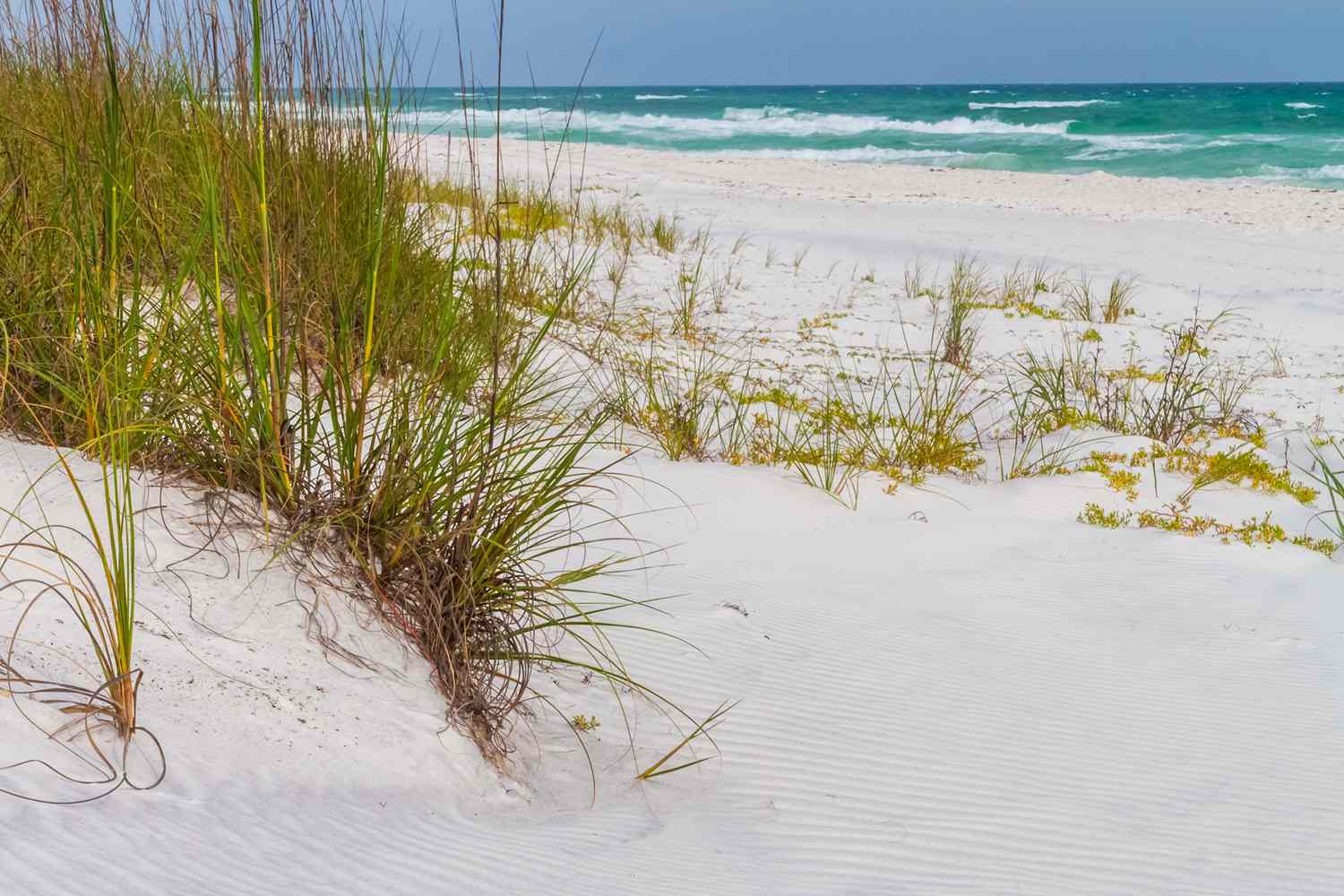
Grayton Beach State Park is a massive 2,000-acre sanctuary in the Florida Panhandle famous for its rare coastal dune lakes, sugar-white sand dunes, and the Turtle Reef snorkel site. It serves as a premier destination for ecotourism along the Emerald Coast, blending unique brackish water ecosystems with the pristine beauty of the Gulf of Mexico.
Exploring the Rare Coastal Dune Lakes
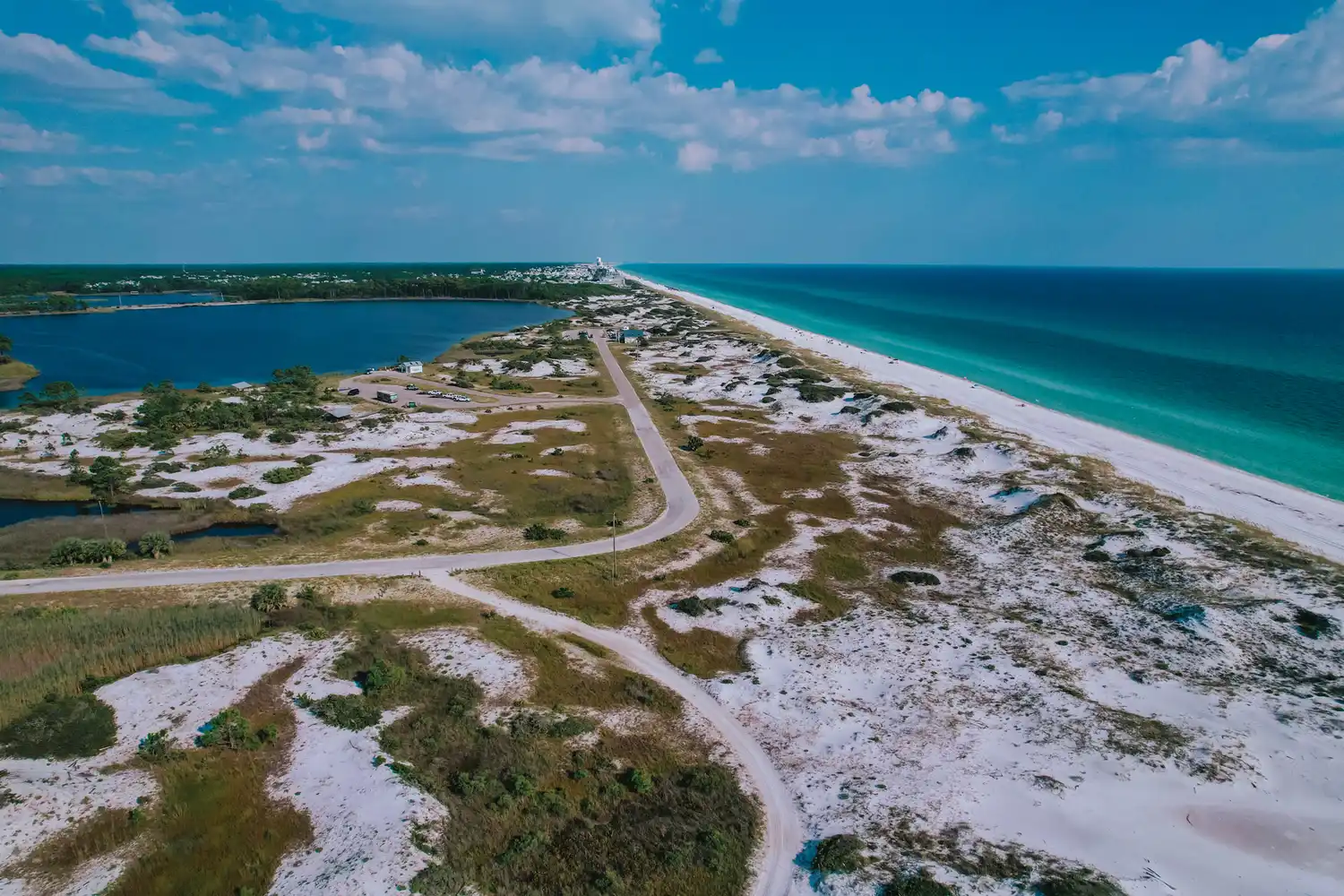
I’ve paddled a lot of weird waters, but there is nothing quite like the experience of sliding a kayak into Western Lake. As the second largest of its kind in the Florida Panhandle, this 100-acre Western Lake is one of the most significant coastal dune lakes Florida has to offer. These lakes are essentially brackish estuaries that sit precariously close to the ocean, separated only by narrow sand berms.
The most fascinating part of this ecosystem is the "outfall" or blowout. When the lake level rises enough from rain or groundwater, it punches through the dunes to meet the Gulf of Mexico, creating a swirling exchange of salt and fresh water. This creates an environment where saltwater fish and freshwater species occasionally cross paths. When you look at the water, don't let it fool you; the tannin-stained water looks like steeped tea, but it is remarkably clean and vital for the local biodiversity.
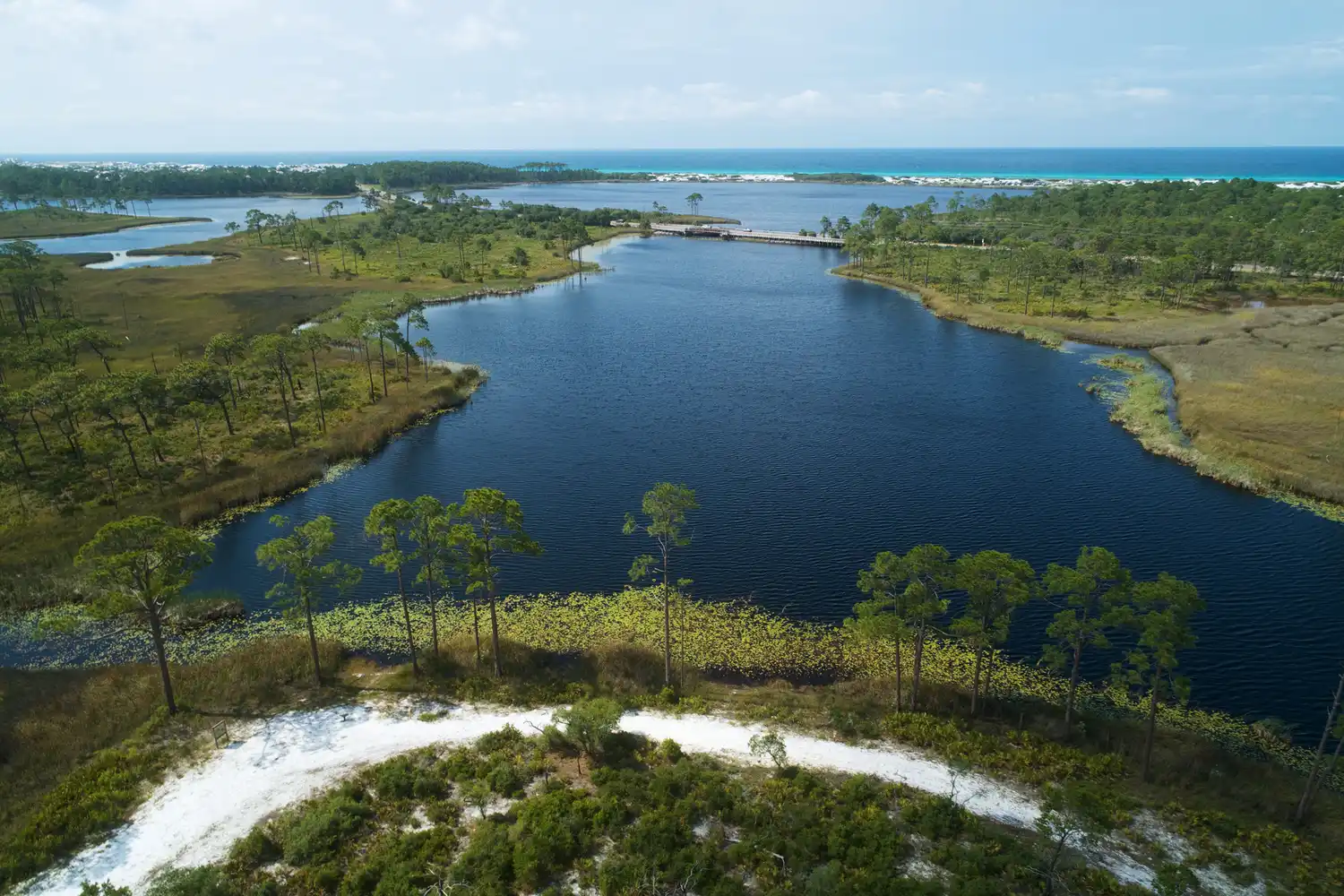
If you are planning a trip, following a kayaking Western Lake Grayton Beach trail guide is the best way to see the transition from the pine flatwoods of the neighboring Point Washington State Forest into the salt marshes. The scenery is rugged, raw, and absolutely quiet compared to the nearby resort towns.
Local Pro-Tip: The Tannin Glow
Photographers, take note: those tannin-stained waters create a perfect mirror effect during the "golden hour." For the best shots of the unique features of Florida coastal dune lakes at Grayton Beach, aim your lens at the outfall area where the tea-colored water carves through the white sand.
Underwater Adventure: Snorkeling the Turtle Reef
While many visitors stick to the shore, the real adventure at Grayton Beach State Park starts about 200 yards from the waterline. Just offshore sits the Grayton Beach artificial reef, also known as the Turtle Reef. Managed by the South Walton Artificial Reef Association (SWARA), this reef is actually shaped like a giant sea turtle when viewed from above.
If you are wondering how to reach Grayton Beach artificial reef for snorkeling, the process is straightforward but requires a bit of stamina. You can either swim out with your fins or, as I prefer, paddle a kayak or SUP out to the site and use the provided tie-off buoys. Being only 200 yards out, it’s one of the most accessible shore-entry snorkeling sites in the state.
Once you’re underwater, the biodiversity is staggering. Snorkeling Grayton Beach artificial reef often puts you face-to-face with over 80 species of marine life. I’ve personally watched sea turtles glide through the structures and spotted massive eagle rays cruising the sandy bottom nearby. For those who aren't confident heading out solo, local shops like Dive 30A offer guided tours that handle the logistics for you.
Land Expeditions: Trails, Birds, and Scenery
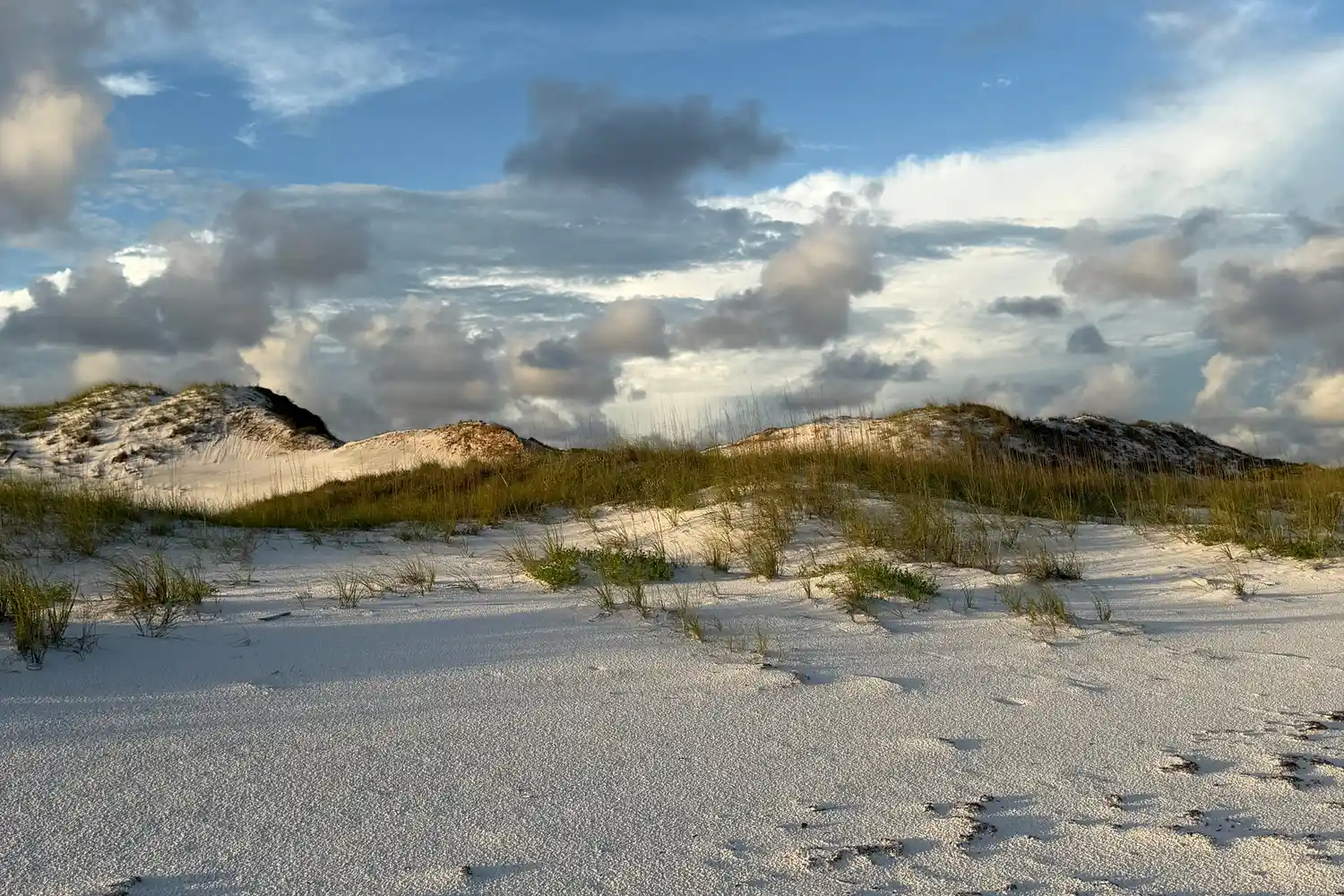
Grayton Beach State Park encompasses approximately 2,200 acres of protected land, and a good chunk of that is webbed with hiking trails. The terrain here transitions quickly from high, sugar-white sand dunes into deep scrub oak forests and pine flatwoods.
If you’re looking for a quick leg-stretcher, the 1-mile nature trail is great, but the 4.5-mile loop is where the real exploration happens. This longer path takes you through back-country areas where you’re likely to see nesting bald eagles or migratory shorebirds that use the park as a vital pit stop during their long journeys.
| Trail Name | Distance | Difficulty | Highlights |
|---|---|---|---|
| Nature Trail | 1 Mile | Easy | Dune views, scrub oaks, interpretive signs. |
| Back-country Loop | 4.5 Miles | Moderate | Pine flatwoods, bird watching, remote marshes. |
The key thing to remember about any Grayton Beach State Park hiking trail guide and difficulty level is the sand. Walking through soft, sugar-white sand can turn a 4-mile hike into a serious workout. Be sure to wear sturdy shoes and bring twice the water you think you’ll need, especially during the humid summer months.
Planning Your Stay: Camping and Reservations
Securing a spot at Grayton Beach State Park is like winning the outdoor lottery. Because it is one of the most popular parks in South Walton, Grayton Beach State Park camping spots fill up nearly a year in advance. The park offers 59 campsites for tents and RVs, plus 30 gorgeous two-bedroom cabins that sit tucked away in the pine trees.
Here are my top Grayton Beach State Park camping reservation tips: log in to the Florida State Parks booking system exactly 11 months before your planned arrival at 8:00 AM. If you miss that window, look for mid-week cancellations or aim for the off-season.
Speaking of timing, the best time to visit Grayton Beach State Park for fewer crowds is undoubtedly between November and March. The humidity drops, the bugs disappear, and you often have the hiking trails and the lakes entirely to yourself. Plus, the cooler weather makes trekking across the dunes much more enjoyable than in the blistering July heat.
FAQ
What is special about Grayton Beach State Park?
The park is one of the very few places on Earth where you can witness coastal dune lakes. These rare geological features only occur in five regions globally, including the Florida Panhandle, New South Wales, and Madagascar. The park also provides a unique mix of beach front, brackish lake, and scrub forest ecosystems all within a 2,000-acre footprint.
How much does it cost to get into Grayton Beach State Park?
The standard entrance fee is $5 per vehicle (up to eight passengers). If you are entering the park on foot or by bicycle, the fee is generally $2. These fees help maintain the trails and protect the sensitive dune habitats.
Are there alligators in Grayton Beach State Park?
Yes, you should assume there are alligators in any freshwater or brackish water body in Florida, including Western Lake. While they generally avoid humans, it is important to stay alert when kayaking or using the boat ramp. Always keep a safe distance and never feed the wildlife.
Do you need a reservation for Grayton Beach State Park?
For day use, you do not need a reservation, though the park can reach capacity on busy summer weekends and holidays. However, for camping or staying in the cabins, a reservation is absolutely necessary and should ideally be made 11 months in advance.
Are dogs allowed at Grayton Beach State Park?
Dogs are allowed in the park but with strict limitations. They must be kept on a six-foot leash at all times and are permitted on the nature trails and in the campground. However, dogs are strictly prohibited on the beach to protect nesting shorebirds and other marine life.