Quick Facts
- Top Choice for Variety: Family Cruise (visit 3-4 islands per week)
- Top Choice for Relaxation: All-Inclusive Resort (direct beachfront access)
- Cost Leader: Cruises (starting around $200/night vs. $950/night for resorts)
- Space Winner: All-Inclusive Resorts (average 500+ sq ft suites)
- Logistics Note: Cruises often depart from U.S. ports, saving on international flights
- Inclusion Difference: Resorts typically bundle WiFi and drinks, cruises often charge extra
Choosing between a Cruise vs All-Inclusive resort often comes down to exploration versus relaxation. While cruises offer port-hopping variety, resorts provide beachfront stability. Ultimately, your choice depends on whether your family values land-based leisure or the excitement of a new port of call every day. Choosing between a cruise and an all-inclusive resort depends on your family's preference for variety versus relaxation. Cruises are ideal for groups wanting to visit multiple destinations with structured onboard entertainment and supervised youth centers. All-inclusive resorts better suit families who prefer staying in one location with constant beachfront access and a flexible, unhurried daily schedule.
Exploration vs. Relaxation: Defining Your Family Vacation Style
Every family has a unique travel DNA. Some of us thrive on constant movement and the thrill of waking up in a new country, while others count down the days until they can sit in one lounge chair for twelve hours. When looking at the resort and cruise differences, the first thing to identify is your pace.
On a ship, life is about the itinerary. You are an explorer. Your week might include snorkeling in Cozumel, visiting a turtle sanctuary in Grand Cayman, and exploring ruins in Jamaica. The structured nightly theater and bustling decks keep the energy high. According to recent research from February 2025, approximately 51% of families with children say they would consider taking a cruise vacation in the near future. This interest is often driven by the desire to see more of the world without the logistical nightmare of booking multiple hotels and flights.
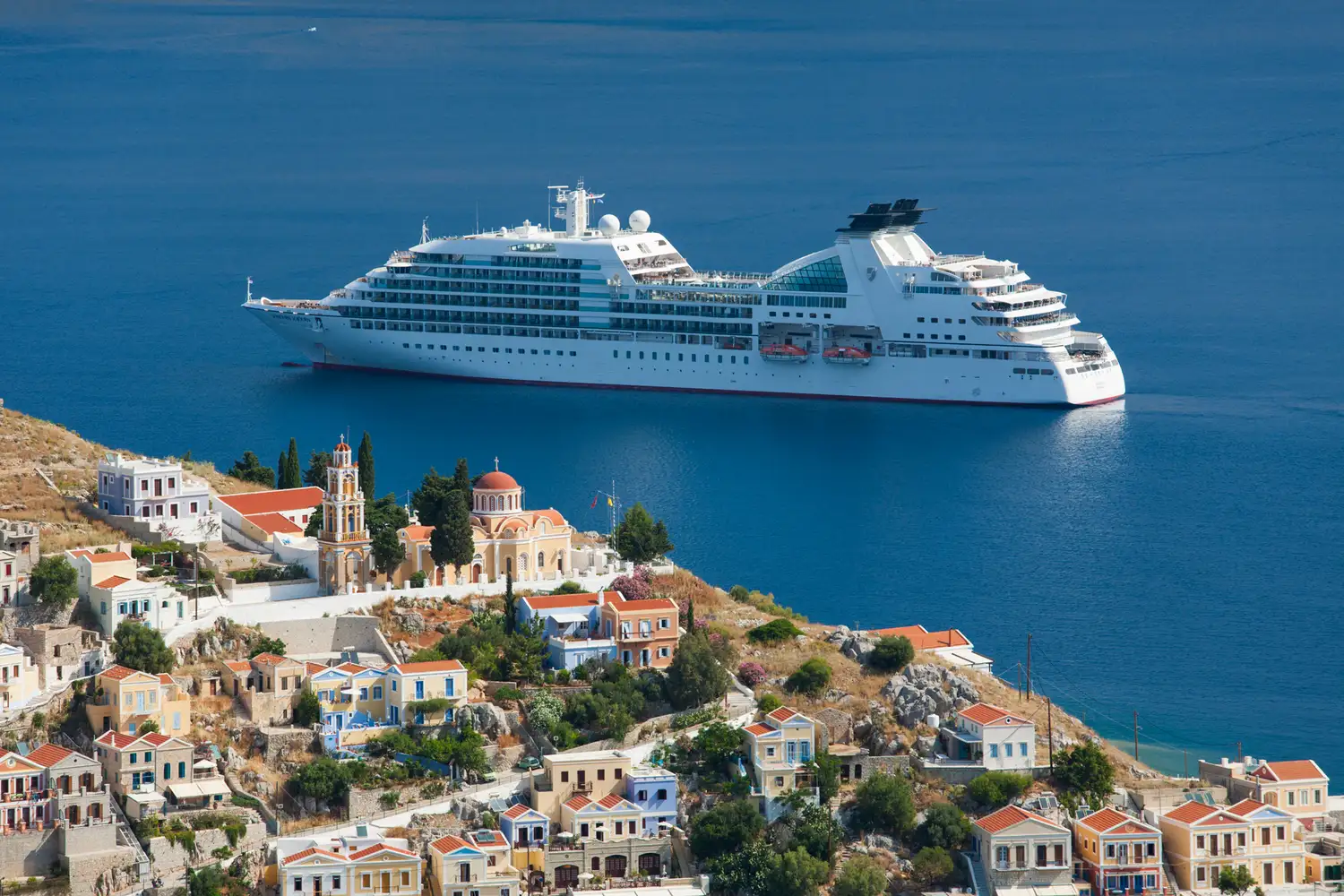
Conversely, all-inclusive resorts are the sanctuary of the relaxers. Once you check in, your bags are down, and they stay down. You have immediate beachfront access and a poolside service that ensures you never have to move for a refill. It is a more flexible, unhurried vibe that favors families with young children who might need to return to the room for naps at a moment’s notice.
For those considering a trip with the whole clan, the multi-generational trend is booming. Industry reports show that nearly one-third of cruise passengers travel with three or more generations, and both vacation types are pivoting to accommodate this need for varied activity levels.
Which family are you?
- The Explorers: You enjoy a busy port of call, you love having a schedule of activities, and you want to see as much as possible in seven days.
- The Relaxers: You want one home base, you prefer your kids having unlimited beach time, and your main goal is to do as little as possible.

Accommodation Realities: Stateroom Configurations vs. Resort Suites
As parents, we know that space is the ultimate luxury. When doing a value comparison of family cruise vs all inclusive resort, the physical room is often where the biggest shock occurs.
A standard cruise stateroom is notoriously compact, often ranging between 160 and 200 square feet. If you are a family of four, this means the kids are likely in pull-down bunks or a sofa bed. For many, this is fine because you only use the room for sleeping. However, for larger families, navigating stateroom configurations can be tricky. You might need to book two connecting cabins to ensure everyone has a real bed and a bit of breathing room.
Resort suites, on the other hand, usually start at 500 square feet and go up from there. You get a real bathroom (often with a tub, which is rare on ships), a balcony that feels like a living room, and much more storage for all those suitcases. This land-based leisure allows for more "me time" for parents once the kids are tucked into bed in a separate area of the suite.
The True Price of 'Free': Budgeting for Hidden Costs
This is where the math gets interesting. At first glance, a cruise looks like a steal. You might see a fare for $800 per person, while a high-end Caribbean resort might ask for $4,000 for the same week. But we need to talk about the hidden costs of family cruise vs all inclusive vacation.
Cruises are famous for their "a la carte" extras. Unless you buy specific beverage packages, that third latte or evening cocktail will cost you. Then there are the mandatory gratuities, which are added daily per person. Don't forget the port taxes and fees, which can add hundreds to your total. Most importantly, shore excursions—the very things that make cruising fun—can easily cost a family of four $500 to $1,000 per stop.
All-inclusive resorts typically bundle almost everything. WiFi, top-shelf drinks, and non-motorized water sports are usually included in the base rate. The only thing you usually pay extra for is a spa treatment or a very fancy "reserve" wine.
| Expense Category | Typical Family Cruise (7-Day) | Typical All-Inclusive Resort (7-Day) |
|---|---|---|
| Base Fare | Lower upfront cost (approx. $3,500) | Higher upfront cost (approx. $6,500) |
| WiFi | Usually $15–$25 per day, per device | Typically Included |
| Drinks | Soda/Alcohol packages cost extra | Almost always included |
| Activities | Most onboard free; excursions extra | Most onsite free; tours extra |
| Tips | Automatic daily service charges | Typically included in the rate |
One major logistical win for cruising is the ability to drive to a local U.S. port. If you live within driving distance of Florida, Texas, or New Orleans, you can skip the high cost of international flights required for many luxury tropical resorts.
Kids, Teens, and Toddlers: Clubs and Policies
The way these two vacations handle childcare is a major factor for parents. Most modern ships feature incredible supervised youth centers. These are often divided by age, with some lines offering high-tech hubs for teens and craft centers for younger kids. Because 53% of families specifically prefer family-oriented cruise lines, ships have become floating theme parks with waterslides, laser tag, and rock-climbing walls.
Resorts offer childcare facilities that feel a bit more like a traditional summer camp. The big advantage here is the proximity to the water. At a resort, the kids' club might lead a sandcastle-building session right on the beach, whereas on a ship, the kids are indoors while the ship is at sea.
⚠️ The Toddler Warning: Potty Training Rules
One critical detail for parents of little ones: Most cruise lines have very strict sanitary rules. Children who are not fully potty trained are generally not allowed in the main ship pools, even with swim diapers. Some ships have dedicated "splash pads" for the diaper-clad crowd, but your toddler won't be jumping into the big pool with their siblings. Resorts are usually much more relaxed about swim diapers in their main swimming areas.
When looking at a family cruise vs resort for teens and older children, the ship often wins because of the social nature of teen clubs. For a cruise vs all inclusive resort for families with toddlers, the resort usually wins because of the extra room space and the freedom of the pools. Comparing kids club activities cruise ship vs all inclusive resorts shows that ships focus on high-energy, indoor programming, while resorts lean into outdoor, beach-focused play.
Future Planning: What’s New for 2026-2027
The travel world is shifting toward more inclusion. We are seeing cruise lines introduce tiered packages—like Princess Premier—that attempt to mimic the all-inclusive resort model by bundling WiFi, drinks, and tips into the upfront price.
In terms of new hardware, 2026 is looking like a banner year for luxurious choices. Ships like the Regent Seven Seas Prestige are set to launch, offering a level of specialty dining venues and suite-style living that rivals the best land-based hotels. We are also seeing resorts invest more in "adventure" programming to compete with the excitement of an island-hopping itinerary.

? 2026 Ship Watchlist
- Regent Seven Seas Prestige: Redefining ultra-luxury space-to-guest ratios.
- New Disney Ships: Continually raising the bar for themed youth programming.
- Mega-Ship Innovations: Look for even more "land-like" amenities on Royal Caribbean and Carnival's newest hulls, designed to lure resort-lovers to the sea on embarkation day.
Whether you choose a cruise vs All-Inclusive, the "best" choice is the one that gives your family the most time together without the stress of planning every meal and activity. My advice? Look at your calendar and your kids' current interests. If they are in a "discovery" phase, book the ship. If everyone just needs to breathe and splash in the ocean, book the resort.
FAQ
Is it cheaper to go on a cruise or stay at an all-inclusive resort?
Generally, the entry price for a cruise is much lower than an all-inclusive resort. You can often find cruise deals starting at $150 to $200 per night, whereas a quality family resort often starts at $800 to $950 per night. However, once you add in the costs for drinks, WiFi, and island excursions, the total price often evens out. A cruise is usually cheaper overall if you can drive to the port and stay disciplined about extra spending.
What is the main difference between a cruise and an all-inclusive vacation?
The fundamental difference is variety versus stability. A cruise allows you to visit multiple islands or countries in one week, functioning as a traveling hotel. An all-inclusive resort provides a stationary home base with direct access to a single beach, offering more space in the rooms and a more relaxed, flexible daily schedule without the need to follow a ship's departure time.
Are drinks and alcohol included on cruises like they are at resorts?
On most standard family-friendly cruise lines, basic drinks like tap water, regular coffee, and some juices are included, but alcohol, soda, and specialty coffees are extra. You must usually purchase a beverage package to get the "all-inclusive" drink experience. At all-inclusive resorts, alcohol and a wide range of beverages are almost always included in your base room rate.
Which is better for families with kids: a cruise or an all-inclusive resort?
It depends on the age of your kids. Cruising is often the best vacation style for active families with teens who love the constant entertainment and shipboard activities. Resorts are often better for families with toddlers because the rooms are larger and there are fewer restrictions on pool use for children who are still in diapers.
What are the hidden costs to watch out for on a cruise versus a resort?
On a cruise, look out for mandatory gratuities, port taxes and fees, shore excursions, and specialty dining surcharges. Resorts have fewer hidden costs, but you should check if airport transfers are included and be aware that some high-energy motorized water sports or off-site tours will likely cost extra.
How do room sizes compare between a cruise ship and an all-inclusive resort?
There is a significant difference in living space. A standard cruise cabin is often around 170 square feet, which can feel cramped for a family of four. An all-inclusive resort suite usually starts around 500 square feet, providing more storage, larger bathrooms, and often a separate living area or a massive balcony.