Quick Facts
- Duration: 2-3 days
- Length: 25 miles
- Canyon: Ruby-Horsethief
- Difficulty: Class I (Flatwater)
- Permit: Mandatory via Recreation.gov
- Best Season: May to October
- Launch/Take-out: Loma Boat Ramp, CO to Westwater Boat Ramp, UT
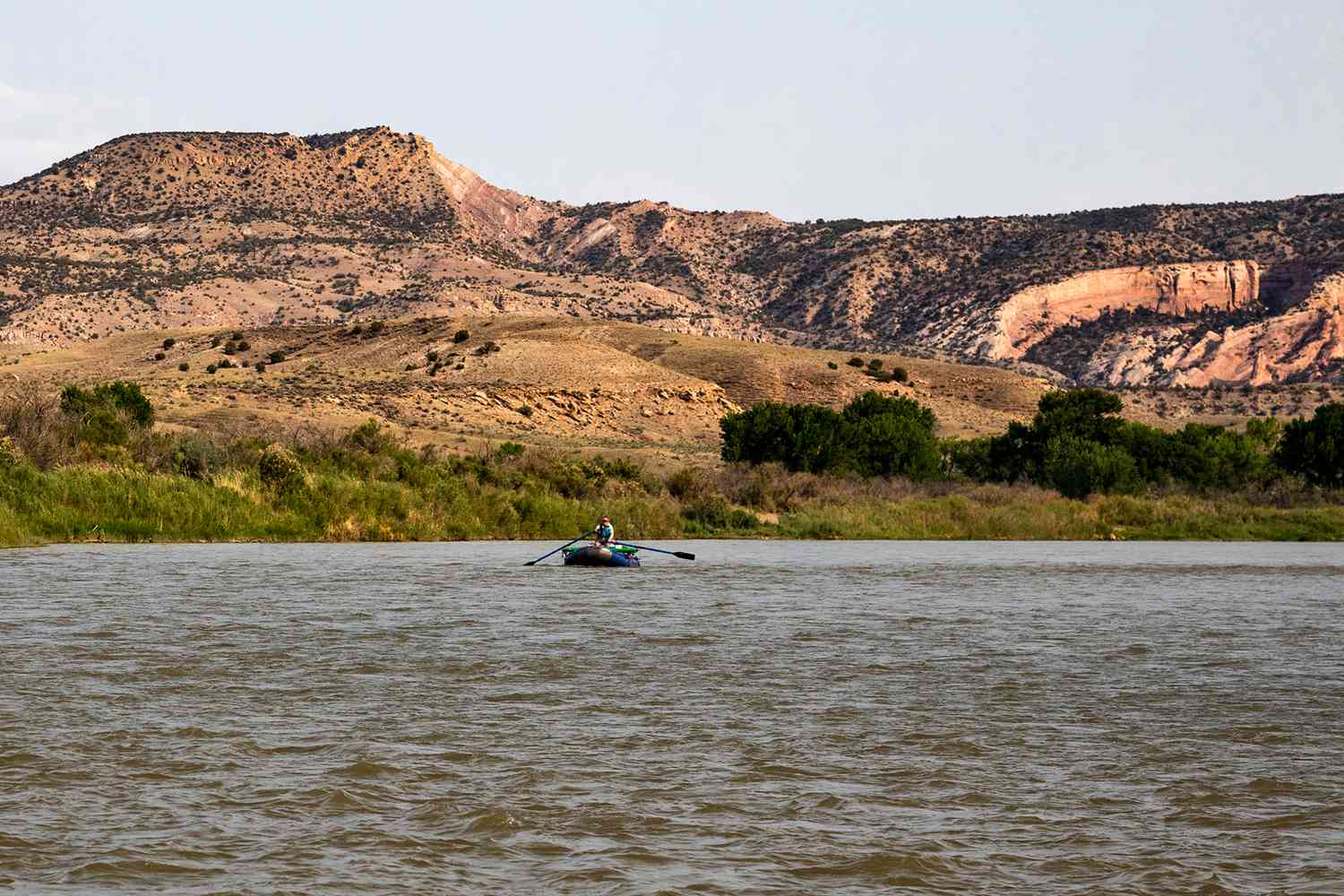
Planning a multi-day Colorado River rafting expedition? The Ruby-Horsethief Canyon section is the perfect gateway adventure. This typical Ruby-Horsethief rafting trip covers 25 miles of Class I flatwater, starting at the Loma Boat Ramp near Fruita, Colorado, and concluding at the Westwater Boat Ramp in Utah. Most groups complete the journey in two to three days, allowing time to explore geological landmarks like the 1.7 billion-year-old Black Rocks, hike the trails at Mee Canyon, and spot desert bighorn sheep along the riverbanks.
Securing Your Permit: The 2-Month Strategy
Getting on the water requires more than just a boat; you need to master the Recreation.gov portal. Overnight permits for the Ruby-Horsethief Canyon section of the Colorado River are mandatory and must be reserved in advance. Unlike the high-stakes lottery for the Grand Canyon, these permits are released on a daily rolling window exactly two months in advance at 8:00 AM Mountain Time. If you want to launch on July 15th, you better be at your keyboard on May 15th at 7:59 AM.
The demand for Ruby-Horsethief camping sites is intense, particularly for prime real estate like Black Rocks and Mee Canyon. When you log in, have your group size and preferred campsites ready. Fees include a $6 reservation fee plus a per-person nightly fee that scales based on the size of your party. Given that approximately 22,000 people travel the Colorado River through the Grand Canyon each year, these shorter, accessible trips like Ruby-Horsethief have become the essential training ground for private boaters.
For those looking for Ruby-Horsethief canyon river permit application tips, my advice is simple: have a "Plan B" camp. If the Black Rocks sites are snagged in the first ten seconds, look at lower Cottonwood or the campsites near the Utah border. They offer more solitude and just as much desert magic.
Gear & Logistics: The 2-Bag System
A successful journey requires a specific multi-day rafting packing list. I always recommend a "2-bag system." Bag one stays accessible on the raft and contains your sun-protective apparel, a wide-brim hat, and extra sunscreen. Bag two is your dry bag for camp, containing your sleeping setup and a change of moisture-wicking clothes. Essential gear includes waterproof dry bags, camping equipment, and a portable Groover portable toilet system for waste management in accordance with Leave No Trace ethics. Use moisture-wicking fabrics and avoid cotton to stay comfortable after splashes or swimming.
Logistics in this part of the desert are relatively straightforward but require coordination. The shuttle drive between the Loma Boat Ramp and the Westwater Boat Ramp takes about an hour via I-70. If you don't have two vehicles, you can arrange a shuttle service or look into renting river rafting gear in Fruita Colorado. Local outfitters like Rimrock Adventures are the go-to for oar-frame rafts and PFDs.
Beyond the basics, remember high-quality river sandals like Chacos or Tevas. You’ll be jumping in and out of the water constantly, and the mud at the Loma launch is notorious for claiming flip-flops. Following a multi-day rafting packing list essentials guide ensures you aren’t that person shivering in a wet cotton t-shirt as the sun goes down behind the canyon walls.
Mile-by-Mile: Navigating Ruby-Horsethief Canyon
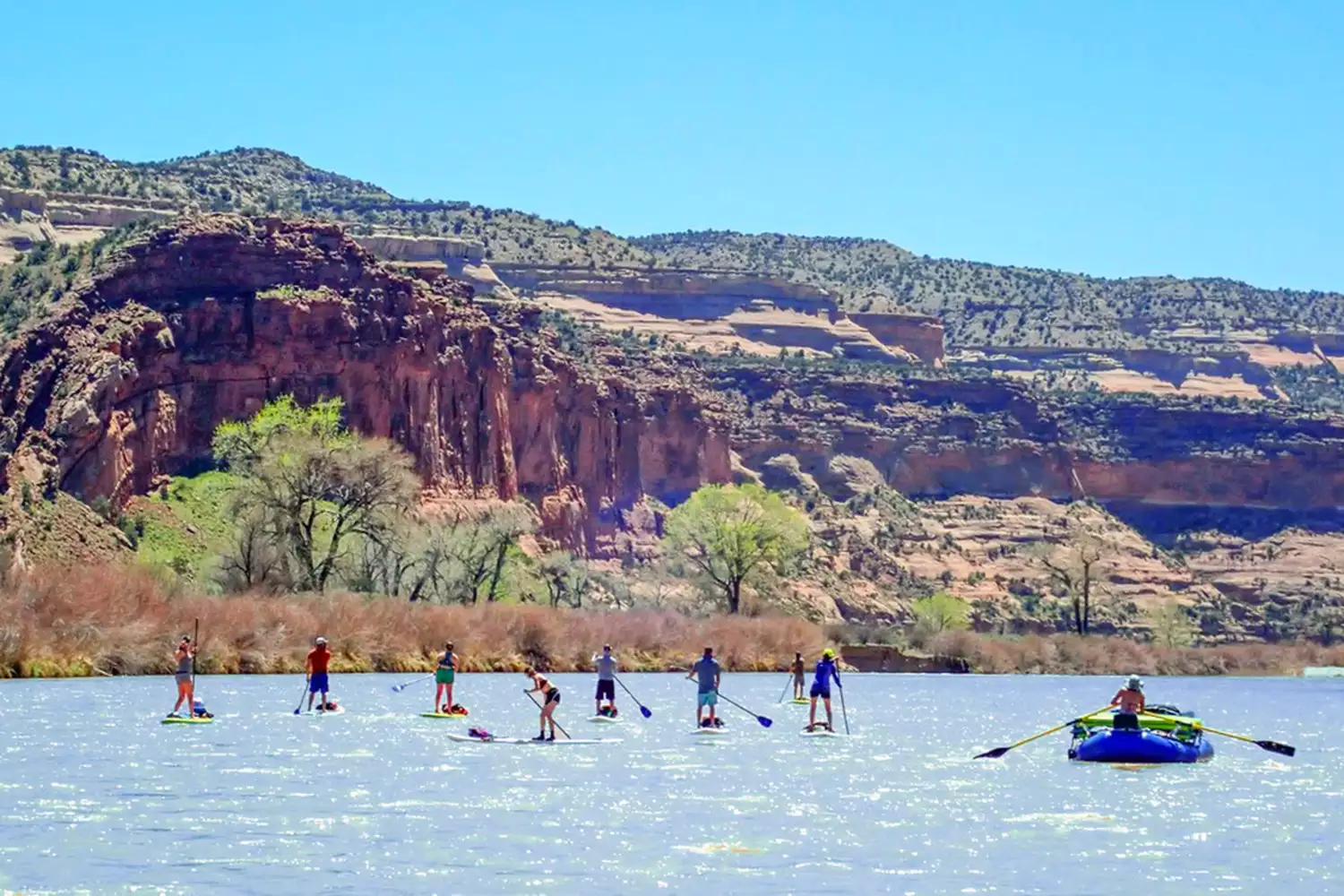
Planning a 3 day Colorado River rafting itinerary allows you to truly sync with the river's rhythm. The 25-mile stretch is almost entirely flatwater, making it a Ruby-Horsethief Canyon rafting guide for beginners dream.
Mile 0 to 12: The Desert Awakening
The journey begins at the Loma Boat Ramp. The first few miles are characterized by high desert bluffs and the occasional sighting of Great Blue Herons. Around Mile 3.2, keep an eye out for the entrance to Rattlesnake Canyon, which holds the second-highest concentration of natural arches in the United States. Many rafters choose to skip the early camps to push deeper into the heart of the canyon on day one.
Mile 12.5: The Ancient Core at Black Rocks
This is the crown jewel of the trip. The geology shifts dramatically as you enter the Black Rocks section. Here, the river has carved through 1.7 billion-year-old Vishnu Schist—dark, jagged, and polished rock that predates most life on Earth. It is visually stunning and provides some of the best cliff jumping and swimming holes on the river. Our Ruby-Horsethief Canyon rafting guide suggests spending a full afternoon here just to soak in the ancient energy.
Mile 15.6: The Mee Canyon Hike
Just past Black Rocks lies Mee Canyon. If you have the time, the Mee Canyon hiking experience is a must. The trail leads to a massive natural alcove that feels like a cathedral carved by wind and water. This is also a prime area for spotting desert bighorn sheep, which often come down to the river’s edge to drink during the heat of the day.
Mile 25.4: The Utah Border and Westwater
The canyon walls begin to peel back as you approach the Westwater Boat Ramp. This is the mandatory take-out for this section. Do not miss this exit; the river immediately enters Westwater Canyon just downstream, which contains Class III and IV rapids that require an entirely different level of skill and a separate permit.
While non-motorized oar-powered expeditions through the Grand Canyon can last up to 18 days, this 25-mile section offers the perfect "micro-dose" of that experience.
Safety & Environmental Ethics
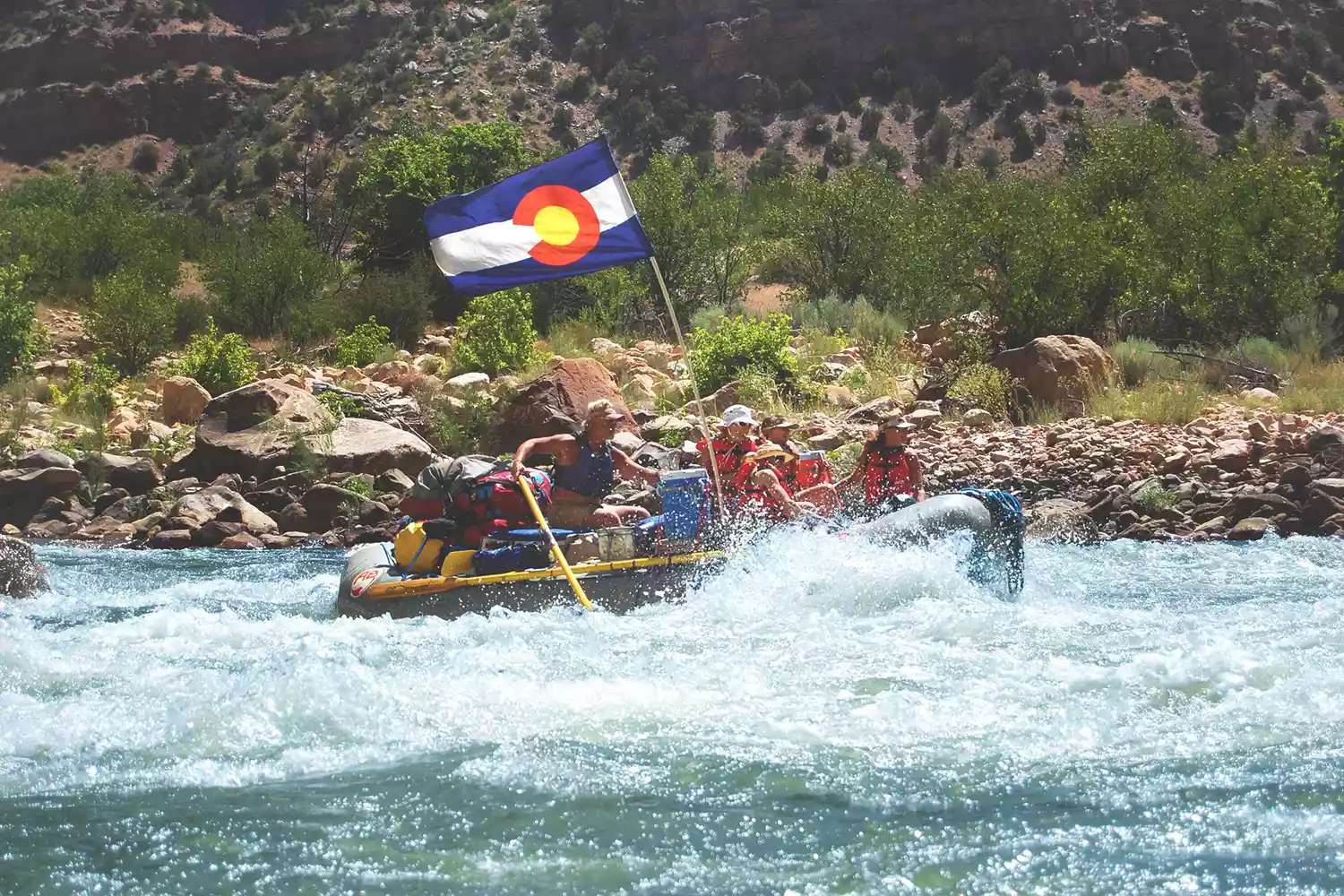
While the Ruby-Horsethief stretch is Class I flatwater, the Colorado River is a powerful natural system. You should always check the Cubic Feet per Second (CFS) levels before launching. High water (above 20,000 CFS) can make the river move incredibly fast, creating large whirlpools and making it difficult to catch eddies for camping. Conversely, very low water requires more rowing and can expose rock bars.
| Craft Type | Recommended Flow Range (CFS) | Safety Notes |
|---|---|---|
| Canoes/SUPs | 2,000 - 15,000 | Can be challenging in high wind or high flow |
| Oar-frame Rafts | 1,500 - 30,000+ | Excellent stability for families |
| Kayaks | 1,500 - 30,000+ | Fast and maneuverable |
Adhering to Leave No Trace ethics is non-negotiable. Every piece of trash, including food scraps, must be packed out. Fire pans are required for all campfires to prevent ash từ scarring the pristine beaches. Additionally, be aware of seasonal wildlife closures; bald eagle nest buffers often require rafters to stay at least 0.5 miles away from designated nesting sites during the spring.
The best months for Ruby-Horsethief rafting trips are May, June, September, and October. July and August are spectacular but can see temperatures soar above 100 degrees Fahrenheit, making sun protection and hydration your primary safety concerns.
FAQ
What is the best time of year for Colorado River rafting?
The ideal window is from late May to early June for higher flows, or September for cooler temperatures and fewer crowds. Summer is great for swimming but requires vigilant sun protection.
Do I need a permit to raft the Colorado River?
Yes, for the Ruby-Horsethief section, a permit is mandatory year-round for overnight stays. Day use does not currently require a permit, but most people find the 25-mile distance too long for a single day without a motor.
Is rafting the Colorado River safe for beginners?
The Ruby-Horsethief section is Class I, meaning it is flatwater with no significant rapids. It is highly recommended for beginners, families, and those in canoes or stand-up paddleboards, provided they have basic river safety knowledge.
What should I wear for Colorado River white water rafting?
For this specific flatwater section, focus on sun protection. Wear a long-sleeved sun shirt (UPF 50+), a wide-brimmed hat, and polarized sunglasses with a strap. Avoid cotton, as it stays wet and can make you cold even in warm weather.
How difficult are the rapids on the Colorado River?
The Colorado River varies wildly. While the 226 river miles from Lees Ferry to Diamond Creek in the Grand Canyon feature massive Class IV rapids, the Ruby-Horsethief section discussed here is strictly Class I flatwater, containing only riffles and moving current.
Preparing for Launch
Ready to hit the water? Your adventure starts with the two-month reservation window. Lock in your dates on the Recreation.gov portal and start gathering your gear. Before you head to the Loma Boat Ramp, double-check the Colorado River rafting shuttle logistics Loma to Westwater to ensure your transition at the end of the trip is seamless. This river has a way of resetting your internal clock—once you pass the Black Rocks, the rest of the world seems to simply fade away.