Quick Facts
- Average Core Cost: Approximately $38,000 for the foundational ceremony and reception, with comprehensive luxury celebrations often reaching $74,400.
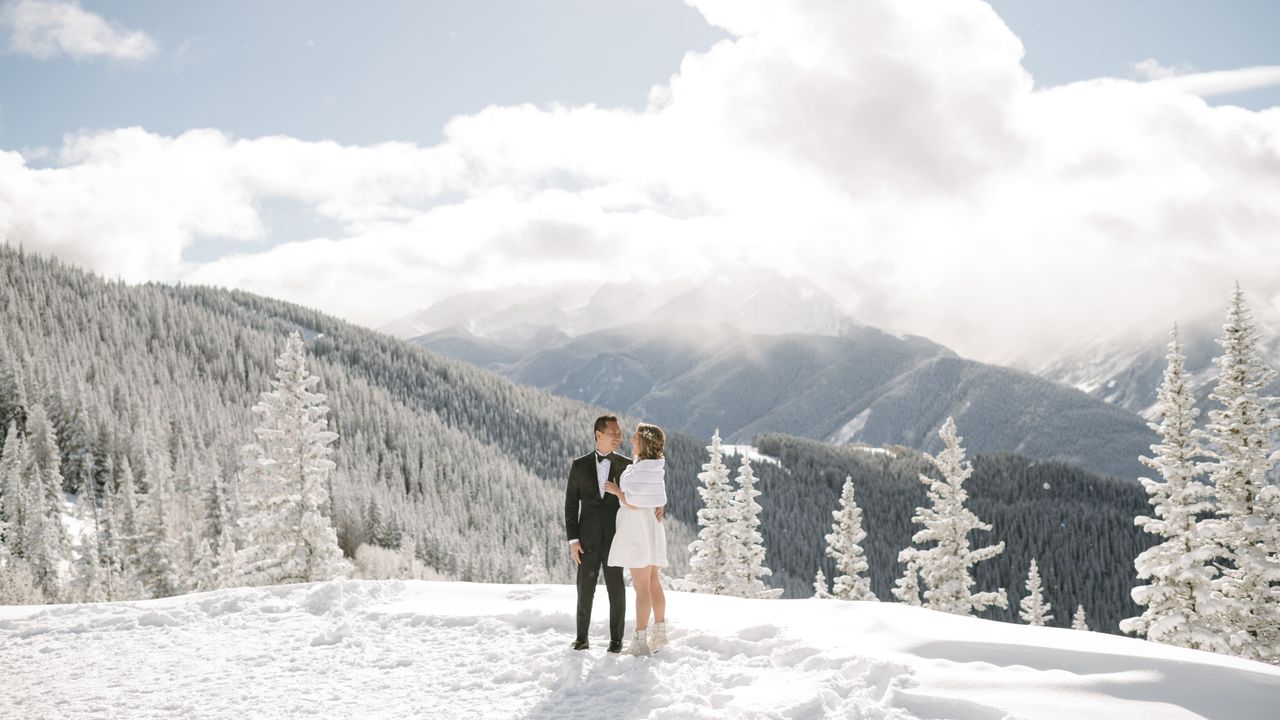
- Snowfall Volume: Aspen receives an annual average of 300 inches of snowfall, creating a reliable winter wonderland backdrop.
- Peak Accumulation Months: January and February typically see the deepest powder, with 20 to 30 inches of accumulation each month.
- Sunshine Probability: Despite the cold, the region averages over 300 days of sunshine per year, increasing the likelihood of blue-sky photos.
- Golden Hour Window: Optimal lighting for outdoor winter photography occurs early, typically between 2:00 PM and 3:00 PM.
- Booking Lead Time: High-demand winter dates require securing vendors and venues 12 to 18 months in advance.
- Altitude Alert: Wedding sites often sit above 8,000 feet, necessitating a 24-48 hour acclimatization period for guests.
Planning an Aspen winter wedding requires balancing high-altitude luxury with extreme outdoor snowy wedding logistics. To ensure guest comfort and a seamless ceremony amidst the fresh powder, you'll need a clear strategy for everything from propane heaters to acclimatization. This guide provides real-world advice on pulling off a sub-zero mountain wedding that feels like a dream rather than an endurance test.
Navigating Mountain Travel & Booking Timelines
There is a distinct magic to Pitkin County in the winter, but that beauty comes with significant logistical hurdles. For many couples, the dream begins with the descent into Aspen, but the reality of winter weather means travel planning must be as sturdy as a pair of Alpine boots. When organizing your mountain travel, you must account for the distinct differences between Denver International Airport and Eagle County Regional Airport. While Denver is a major hub, it sits 200 miles away, requiring a drive through high-elevation passes that can close during heavy snowfall. Eagle County is a more manageable 70 miles away, yet even the shortest commute in this region is subject to the whims of the clouds.
Because of the extreme demand for the ski season, your winter wedding mountain travel planning should start significantly earlier than it would for a coastal event. I recommend a lead time of at least 18 months. This isn't just about the venue; it is about the local expertise of planners and photographers who understand the unique light of the Rockies. When drafting contracts, pay close attention to Force majeure clauses. In the mountains, a "storm of the century" can happen twice a month. You want to ensure that your financial investment is protected if Pitkin County travel is paralyzed by a blizzard. Suggesting that your guests arrive two days early is not just a luxury—it is a practical buffer against the flight cancellations that frequently occur when the peaks are buried in fresh powder.
The Altitude Factor: Guest Safety at 11,000 Feet
One of the most overlooked aspects of an outdoor snowy wedding is the physical toll of the elevation. There is a specific altitude threshold—roughly 8,000 feet—where the human body begins to notice the thinning air. While the St. Regis Aspen sits at the base of the mountain at a more manageable elevation, ceremonies held at the Sundeck or via Gondola access at the top of the mountain can reach 11,000 feet. The thin air doesn't just make the champagne hit faster; it can lead to genuine physical distress for guests arriving from sea level.
Effective altitude sickness prevention for Aspen destination wedding guests starts long before the ceremony. In your digital welcome suite or physical invitations, emphasize hydration protocols. Water is the most effective tool against the headache and fatigue associated with thin air. Furthermore, the 24-48 hour acclimatization window is non-negotiable for older guests or those with respiratory sensitivities. Many luxury venues now offer oxygen bars or supplemental oxygen in guest rooms—a refined touch that shows you have prioritized their well-being. When guests feel physically vibrant, they are far more likely to embrace the outdoor elements of your celebration.
Sub-Zero Guest Comfort & Style Essentials
The hallmark of an elite Aspen winter wedding is the seamless blend of rugged nature and refined hospitality. If you ask guests to sit in the snow, you must provide the sensory warmth to counter it. This begins the moment they arrive at the ceremony site. Instead of a traditional program table, consider a welcome station featuring hot cocoa or a steaming mulled cider. This provides immediate warmth that guests can hold in their hands while waiting for the processional to begin.
Managing Aspen winter wedding guest comfort is also a matter of tactile luxury. Plush blankets draped over each chair—or neatly rolled in baskets with a sign inviting guests to "snuggle up"—are essential. Pashmina wraps and faux fur stoles are not just fashion statements; they are survival gear for a mountain ceremony. On your wedding website, be explicit with outdoor winter wedding guest attire recommendations for Aspen. Encourage heavy coats and even winter footwear for the ceremony portion. I have seen many stylish brides wear Sorel boots or shearling-lined flats for the outdoor photography, only switching to their designer heels once they move inside for the reception.
Emma’s Expert Tip: Transitioning from the cold to the warm interior of the reception can be jarring. I suggest serving a small, elegant cup of warm soup immediately upon guests being seated for dinner. It stabilizes their core temperature and signals the transition to a cozy evening.
Technical Realities: Flowers, Music, and Snow
The mountain environment is unforgiving to certain wedding traditions. We often talk about the beauty of the snow, but rarely do we discuss the "Sub-Zero Fail List." For instance, live musicians—particularly those playing string instruments—cannot perform outdoors in freezing temperatures. The wood of a cello or violin can crack, and the cold renders the instruments impossible to keep in tune. For your ceremony, consider a high-quality sound system or brass players whose instruments are more resilient to the cold.
Your floral choices must also reflect the microclimate. Soft, water-heavy blooms like hydrangeas or gardenias will wilt and turn brown the moment they hit the freezing air. To ensure your aesthetic survives, look into winter wedding flower options for freezing mountain temperatures like hardy greenery, dried elements, or even high-quality silk-flower bouquets for the outdoor portion of the day. Berries, pinecones, and silver-toned eucalyptus not only look stunning against the snow but are naturally built to withstand the cold.
Finally, verify the technical support provided by your venue. You need a team focused on snow removal services to ensure that pathways remain clear and safe for guests in formal wear. Furthermore, rely on propane patio heaters to create pockets of warmth. When searching for Aspen winter wedding venues with outdoor ceremony heaters, look for locations that offer standing heaters that can be artfully integrated into the decor rather than being an eyesore. Redundancy is key here; if one heater fails, you need three others to maintain the ambient temperature.
| Category | Recommended Winter Strategy |
|---|---|
| Floral Design | Use hardy greenery, silver-dollar eucalyptus, and berries. |
| Music | Electronic tracks or sturdy brass instruments; avoid strings. |
| Attire | Velvet, faux fur, heavy silks, and hidden thermal layers. |
| Reception | Deep color palettes (burgundy, forest green) and candlelit warmth. |
| Lighting | Battery-operated candles (wicked candles fail in high wind). |
Planning for the Unexpected: The Backup Plan
While we all hope for that crisp, 300-day-a-year sunshine, a winter mountain wedding backup plans for heavy snowfall must be established early. This isn't just about a rainy-day tent; it’s about a comprehensive "Plan B" that feels just as luxury as the original outdoor vision. Most premier Aspen venues offer a grand ballroom or a cozy fireside lounge as a secondary ceremony site. Ensure your decor budget includes a transition plan that allows for your floral arches or installations to be moved inside quickly if a storm moves in.
Communication is your most valuable asset during a mountain storm. Use a mobile app or a dedicated text thread to keep guests informed of travel delays or last-minute venue changes. When heavy snowfall occurs, the beauty of Aspen is heightened, but the logistics are tightened. By being proactive and transparent, you allow your guests to relax and focus on the romance of the moment rather than the stress of the weather.
FAQ
What is the best month for an Aspen winter wedding?
While December is popular for the holiday lights, January and February offer the most consistent snow coverage and that quintessential "white wedding" look. March is an excellent alternative for those seeking slightly warmer temperatures and longer daylight hours while still maintaining deep snow banks.
What should guests wear to an Aspen winter wedding?
Guests should be encouraged to wear layers. Heavyweight fabrics like velvet, wool, and brocade are ideal. For the ceremony, a heavy coat or faux fur wrap is essential. We also recommend that guests bring a change of shoes if the ceremony involves walking through snow, as formal leather soles can be incredibly slippery.
Can you have a wedding ceremony at the top of Aspen Mountain?
Yes, you can hold ceremonies at the top of the mountain, often accessed via the Silver Queen Gondola. Locations like the Little Nell's Wedding Overlook offer panoramic views of the Maroon Bells. However, you must account for the 11,000-foot altitude and ensure your guests have had time to acclimatize at base level first.
How far in advance should I book an Aspen wedding venue?
Due to the high demand for both the ski season and the limited number of high-end wedding dates, it is advisable to book your venue at least 12 to 18 months in advance. This is particularly true for holiday weekends like President's Day or New Year's Eve.
What is the snowiest month in Aspen for a wedding?
Statistically, February is often the month with the most consistent accumulation, though March frequently surprises locals with large, wet "miracle marches" that bring significant powder. If you want the deepest snow for photos, the mid-winter window is your best bet.
The allure of an Aspen winter wedding lies in its ability to feel both grand and intimate. When the air is cold and the peaks are silent under a blanket of snow, the warmth of the celebration becomes the centerpiece. By respecting the mountain's power and planning for its quirks—from the altitude to the freezing strings of a violin—you create an experience that is as refined as it is unforgettable. In the end, the sight of a bride in a faux fur stole against the backdrop of the Rockies is an image of romance that no other destination can quite replicate.