Quick Facts
- Best Time: November to Easter (excluding the peak weeks of Carnevale in February)
- Atmosphere: Localized sea-fog known as caigo creates a spectral, silent stillness
- Crowd Level: Reach the lowest points of the year with a 60-80% reduction from summer peaks
- Major Events: Festa della Madonna della Salute (November 21) and the holiday markets in December
- Budget: Significantly lower hotel rates, though keep in mind the 2026 vaporetto price increases
- Climate: Cool and damp with average temperatures between 3°C and 10°C (37°F - 50°F)
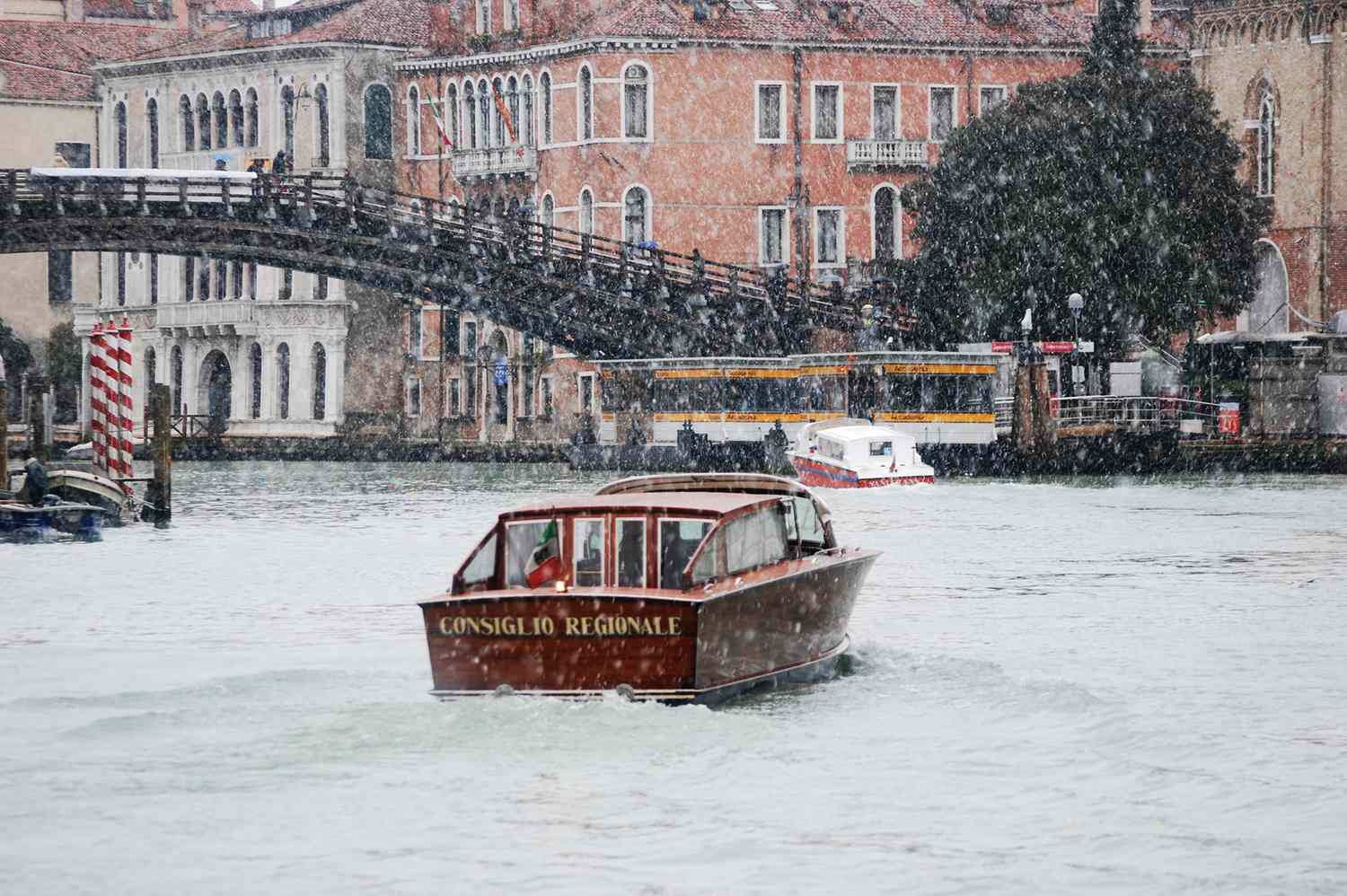
Visiting Venice in the winter offers a serene, authentic experience defined by low tourist density and a dreamlike, foggy atmosphere. This off-season period allows you to see the city like a local, emphasizing the silent beauty of the Venetian Lagoon through empty squares and mist-covered canals.
The Aura of 'Caigo': Why Winter is Unmatchable
There is a specific phenomenon that transforms The Floating City into something entirely otherworldly during the colder months: the caigo. This dense, opal-hued sea-fog rolls off the Adriatic, swallowing the bell towers and masking the horizon. For a photographer or a romantic, Winter in Venice is arguably the most visual season. The typical saturated colors of the Mediterranean give way to a palette of charcoal, silver, and deep moss.
Walking through an empty Piazza San Marco at dawn in January is an experience that most summer visitors can hardly imagine. Without the orchestration of thousands of tour groups, you finally hear the city breathe. You hear the rhythmic slap of water against the Istrian stone and the echo of your own footsteps against the Gothic architecture of the Doge’s Palace. This Venice in the off-season belongs to the residents and the dreamers. It is a time when the Grand Canal feels less like a highway and more like a majestic, sleeping giant.
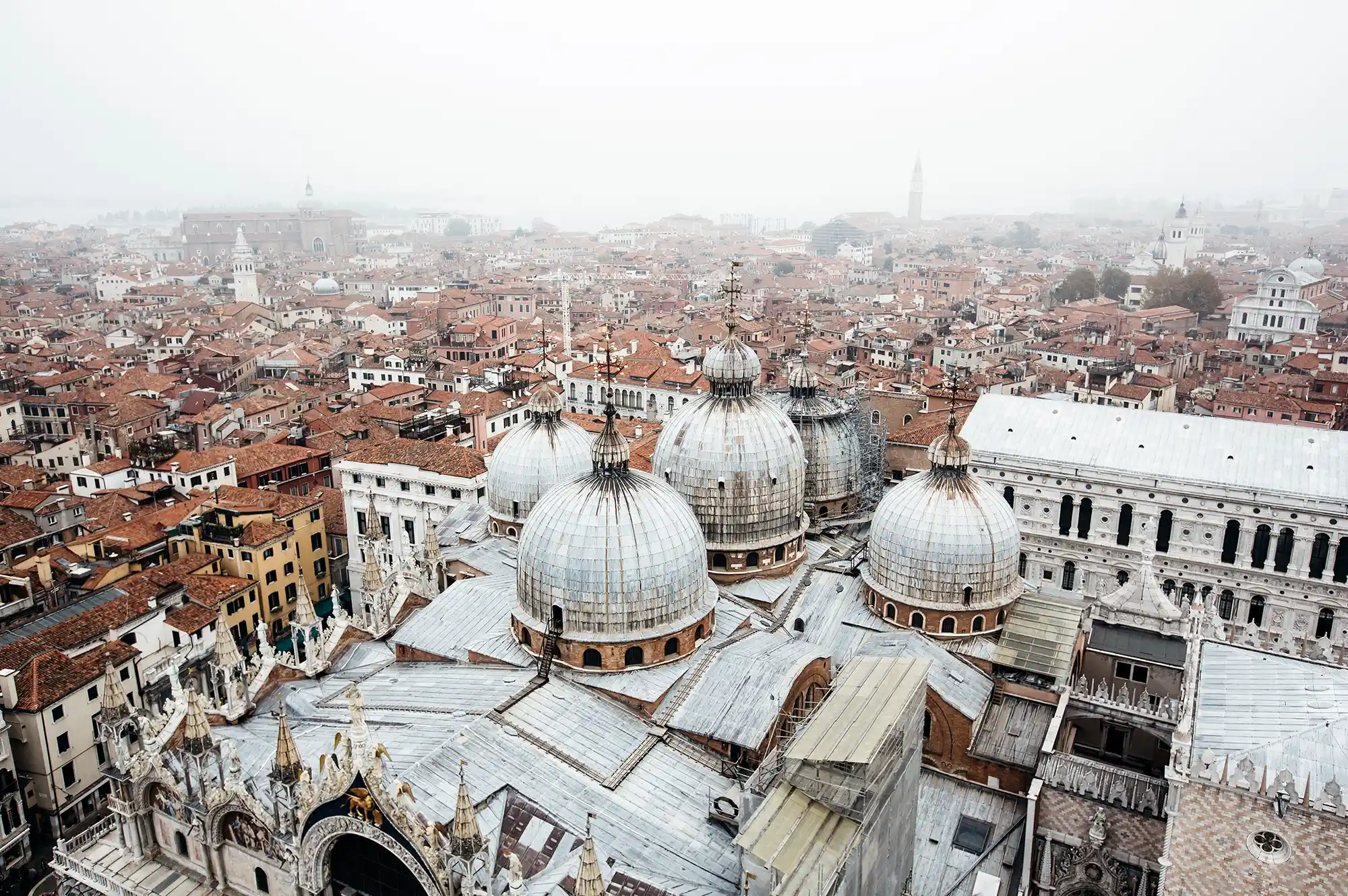
The silence extends deep into the narrow calli (streets). In the summer, these alleyways are conduits for crowds; in winter, they are private corridors. You can stand on a bridge in Cannaregio and hear nothing but a distant church bell. This stillness allows the history of the city to surface, unencumbered by the noise of modern mass tourism.
2026 Navigator: ETIAS, Taxes, and Transport
Navigating Venice in 2026 requires a bit more digital preparation than in years past. For international travelers coming from outside the Schengen Zone, the ETIAS authorization is now a mandatory requirement. This electronic travel permit costs €7 and should be secured at least a few days before your departure. While visiting venice in december for a holiday escape, ensure your paperwork is in order to avoid delays at the border.
The local logistics have also seen some updates. The public water bus system remains the lifeline of the city, but vaporetto routes and pricing have been adjusted. A single 75-minute ticket now costs €9.50, but for those staying several days, the 24-hour pass at €25 remains the most logical investment. Navigating these routes during heavy fog requires a bit of patience, as the captains slow down for safety, extending the dreamlike quality of your journey across the water.
| Expense Category | 2026 Estimated Cost | Notes |
|---|---|---|
| Vaporetto 24hr Pass | €25.00 | Best for multiple island trips |
| ETIAS Fee | €7.00 | Mandatory for non-EU visitors |
| 4-Star Hotel Tax | €4.50 per person/night | Varies by hotel category |
| Gondola (Day) | €90.00 | Fixed rate for 30 minutes |
When booking your stay, remember that tourist taxes contribute to the preservation of this fragile UNESCO site. These are typically collected by your hotel or guesthouse in cash. While prices for transport have ticked upward, the drop in accommodation rates during the winter usually offsets these costs, making it a budget-conscious choice for savvy travelers.
Survival Guide: Acqua Alta and Winter Weather
One cannot discuss Winter in Venice without addressing the acqua alta phenomenon. This tidal flooding is a part of the city's DNA, usually occurring between November and March. However, the implementation of the MOSE barriers has significantly reduced the frequency of major flooding in the city center. Even so, it is wise to download the Hi!Tide app, which provides real-time updates on water levels.
If the tides do rise, the city deploys passerelle—elevated wooden walkways—allowing you to move through major thoroughfares without getting wet. However, to truly explore, high water boots are essential. Many hotels provide them, but the lightweight, foldable versions sold in local shops are a practical souvenir.
An essential packing list for venice winter weather must prioritize the Adriatic climate. It is not just the temperature that bites; it is the humidity. A heavy wool coat, waterproof footwear, and high-quality thermal layers are non-negotiable. Don’t forget a thick scarf; the wind whipping through the lagoon can be piercing. These Venice winter travel tips for first-time visitors focus on one core philosophy: dress for a maritime winter, not a mountain one.
A Venetian Winter Feast: Sweets and Seafood
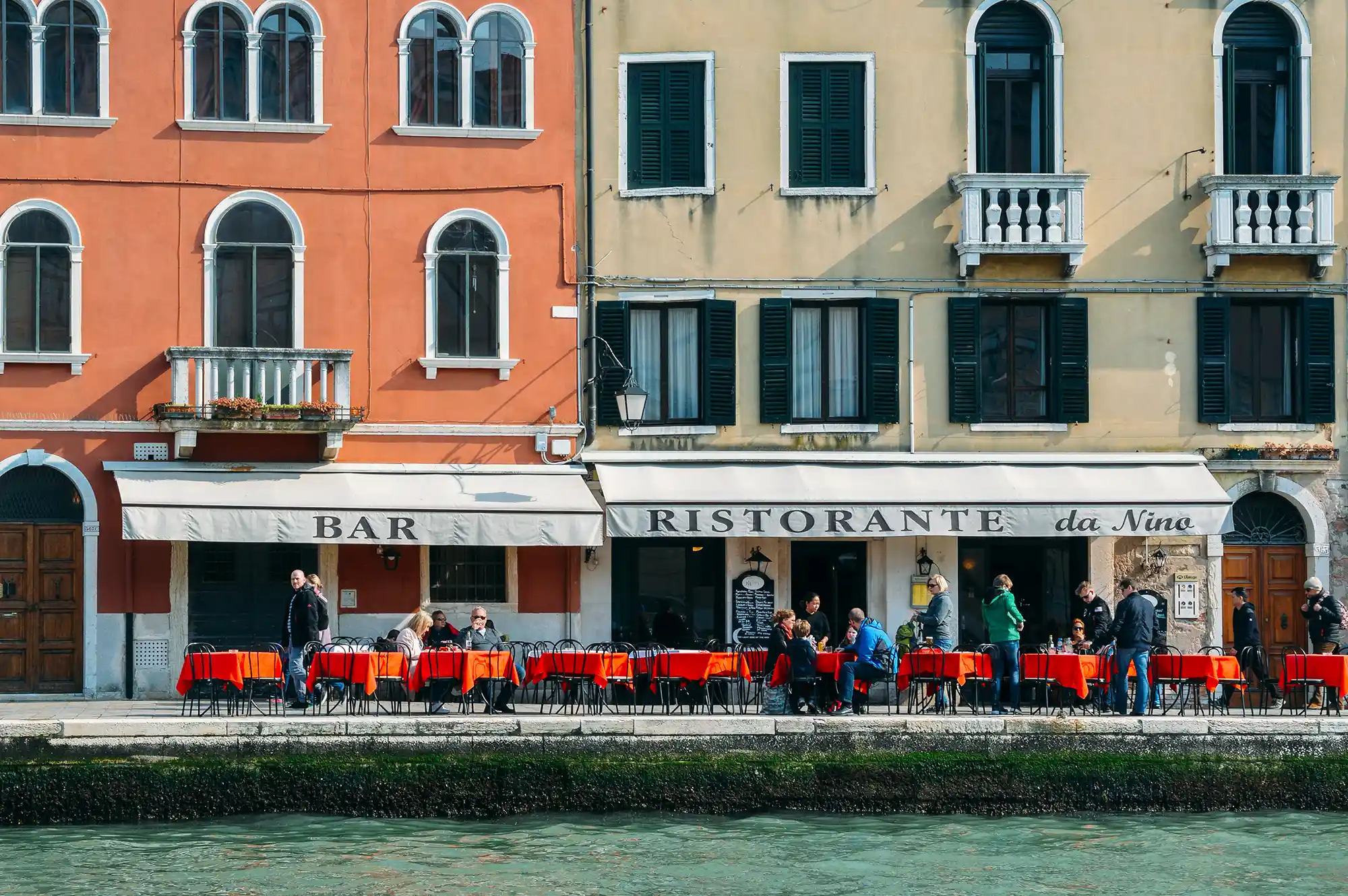
For a food editor, winter is perhaps the most delicious time to be in Venice. This is the season of comfort and indulgence. As the temperatures dip, the city's cicchetti bars become warm, glowing sanctuaries. These traditional wine bars serve small bites that are perfect for a chilly evening. Look for baccalà mantecato (creamy whipped cod) on grilled polenta or warm baby octopus.
Cultural traditions are also deeply tied to the kitchen. On November 21, the city celebrates the Madonna della Salute festival, a day of gratitude for the end of the 1630 plague. The traditional dish for this day is castradina, a hearty soup of salted smoked mutton and cabbage. It is a robust, ancient flavor that you will only find during this specific window of the year.
If you have a sweet tooth, Venetian winter food and sweets are unparalleled. This is the time to embark on a bakery crawl.
- Frittelle: The official pastry of the Venetian winter, these small fried doughnuts are traditionally filled with chantilly cream, zabaione, or raisins and pine nuts.
- Venetian Focaccia: Unlike the savory bread found elsewhere in Italy, this is a cloud-like, sweet leavened bread often enjoyed during the holidays.
- Bussolai: S-shaped butter cookies originating from the island of Burano, perfect for dipping into a glass of sweet wine.
The best venetian winter sweets and where to find them often involve ducking into hidden pasticcerias in the Sestiere of Castello. Look for Pasticceria Tonolo or Rosa Salva, where the air is thick with the scent of caramelized sugar and espresso. A guide to the madonna della salute festival in venice is incomplete without mentioning the long bridge of boats that spans the Grand Canal, leading locals to the church to light candles and then to the nearby stands to buy sweets for their children.
Indoor Sanctuaries: Museums and Artisans
When the lagoon wind becomes too much, the city offers some of the most prestigious indoor attractions in the world. Winter provides a unique opportunity to see the interior of St. Mark's Basilica without the pressure of a thousand people behind you. You can truly take your time to admire the golden mosaics and the intricate marble floors.
For those looking for top indoor attractions in venice for cold days, the Peggy Guggenheim Collection offers a cozy, modern escape in the former home of the heiress. Similarly, the Leonardo da Vinci Museum provides an interactive experience that is particularly engaging if you are traveling with family.
The islands of the lagoon also take on a different character. Taking a vaporetto to Murano and Burano in winter provides a more intimate look at traditional glassblowing and lace-making. Glassblowing artisans are more likely to have time for a conversation when the showrooms aren't packed with summer tourists. You can watch the orange glow of the furnace against the grey winter light, a juxtaposition of warmth and cold that defines the season. It is also the perfect time to commission authentic Carnival masks from studios in the San Polo district, where artists continue the centuries-old tradition of papier-mâché craftsmanship.
FAQ
Is it worth visiting Venice in winter?
Absolutely. While the weather is cooler and damp, the lack of crowds provides an authentic experience that is impossible to find in the summer. You can enjoy the city’s major sites in peace and see the lagoon at its most atmospheric.
What should I pack for a winter trip to Venice?
Focus on warm, waterproof layers. Essential items include a heavy coat, thermal undergarments, waterproof boots, and a scarf. The Adriatic humidity makes the air feel colder than the thermometer indicates.
How often does Venice flood in winter?
High tide, or acqua alta, occurs periodically between November and March. However, the MOSE barrier system now protects the city from most significant floods. Minor flooding might still occur in low-lying areas like Piazza San Marco, but elevated walkways are provided.
Is Venice cheaper to visit in the winter months?
Yes, accommodation rates are significantly lower during the off-season compared to the summer and the Carnival period. You can often find luxury hotels at a fraction of their peak-season price.
Can you still take a gondola ride in Venice in winter?
Gondola rides are available year-round. In winter, many gondoliers provide heavy blankets to keep passengers warm during the ride. It is a particularly magical experience to glide through the misty, quiet side canals.