Quick Facts
- The Vibe: An effortless blend of Italian Quiet Luxury and timeless coastal elegance.
- Status Symbol: The bicycle is the most prestigious and quintessential way to travel.
- Shopping Peak: The legendary Piazza Marconi market, held every Wednesday morning.
- Beach Rule: Private membership at an exclusive Bagno is the standard for service and access.
- The Food: A signature dish of spaghetti alle arselle paired with chilled local Vermentino wine.
- Key Neighborhood: Roma Imperiale, known for its historic villas and secluded, tree-lined streets.
Forte dei Marmi is a storied seaside retreat on the Versilia Coast famous for its high-fashion bicycle culture, exclusive beach clubs, and the legendary Piazza Marconi market. It remains the preferred summer enclave for Italy’s industrial dynasties and the global elite seeking a refined, slower pace of life within the embrace of the Tyrrhenian Sea.
Imagine the scent of Mediterranean Pines carried on a soft Tyrrhenian breeze, the distant chime of a bicycle bell, and the rhythmic sound of waves against a manicured shore. This is Forte dei Marmi, a place where time seems to hold its breath. Unlike the vertical, dramatic cliffs of the south, this stretch of the Tuscan Riviera offers a flat, expansive, and deeply private landscape. It is the spiritual home of Italian Quiet Luxury, where the wealthy do not come to be seen, but to disappear into a world of beige linens, vintage cruisers, and long lunches under shaded pergolas. For decades, it has served as the summer sanctuary for the Agnelli and Prada families, establishing a culture that values heritage over hype and discretion over display.
The Art of the Bagno: Forte dei Marmi Beach Club Etiquette
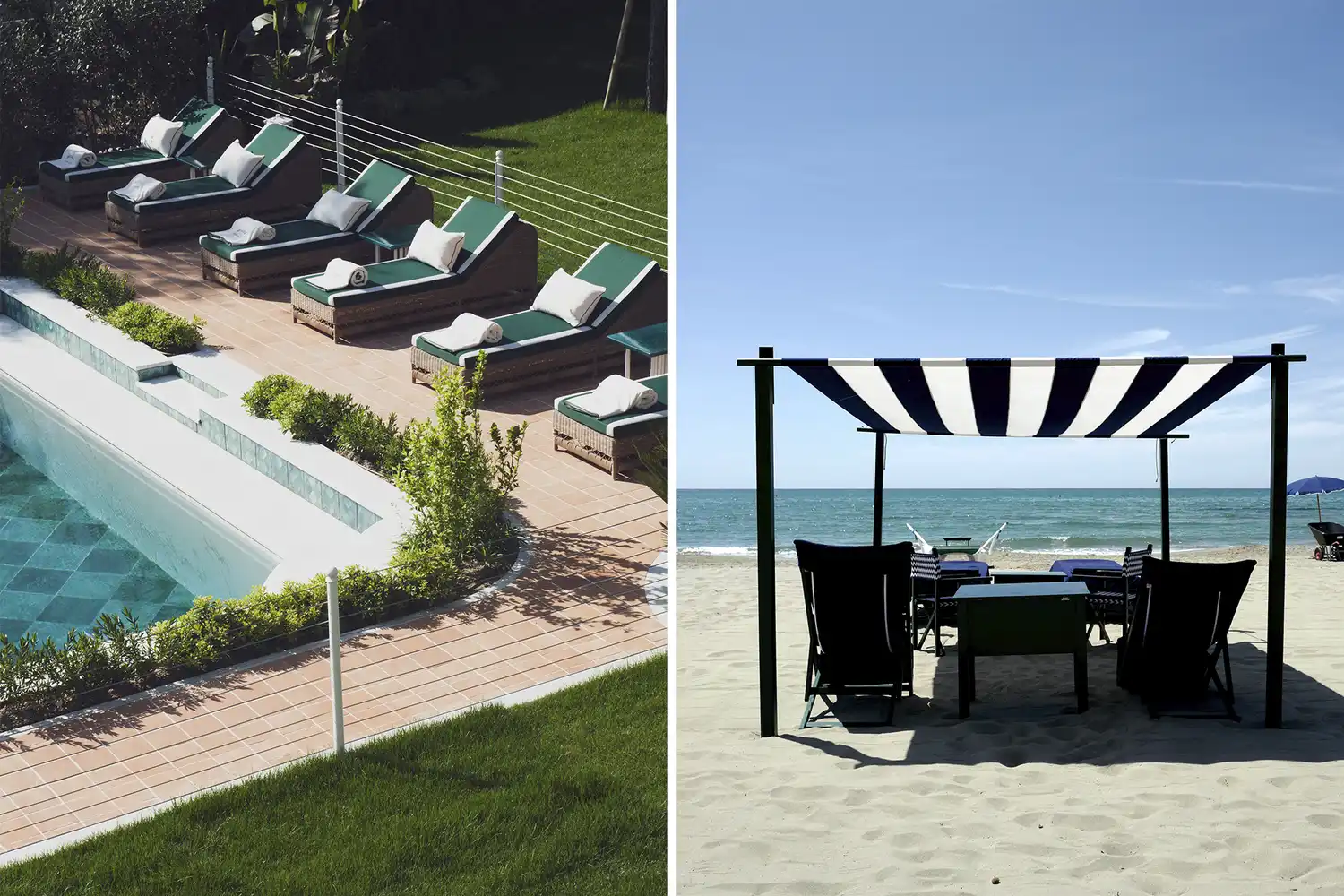
The shoreline of Forte dei Marmi is a synchronized tapestry of synchronized umbrellas and perfectly raked sand, divided into over 200 private beach clubs known as bagni. Understanding the social hierarchy of these clubs is essential for any visitor. Each bagno is a self-contained ecosystem offering changing rooms, showers, exquisite restaurants, and the coveted tenta or cabana. A tenta is a large, square tent provide shade for a full family, while a cabana is a small wooden hut used for changing and storing personal items.
When navigating Forte dei Marmi beach club etiquette, one must understand that the beach is almost entirely privatized. While non-paying guests can walk along the shoreline for sunset strolls, they are not allowed to set up towels or chairs in these private areas. The local atmosphere favors refined, upscale beachwear; arriving in a simple swimsuit without a chic cover-up or a crisp linen shirt is considered a faux pas. Booking your spot well in advance is mandatory, especially during the peak months of July and August. Pricing varies wildly depending on the prestige of the club, with daily rates ranging from 30 Euros at more modest establishments to over 1,200 Euros at the most storied locations where the staff anticipates your needs before you even voice them.
Selecting the right club is about finding your personal rhythm. Some bagni are legacy-driven, catering to families who have occupied the same tent for three generations, while others lean toward modern glamour with infinity pools and world-class DJs. regardless of your choice, the rule of quietude remains: voices are kept low, and the service is impeccably discreet.
Two Wheels and Quiet Luxury: Cycling Rules and Dress Code
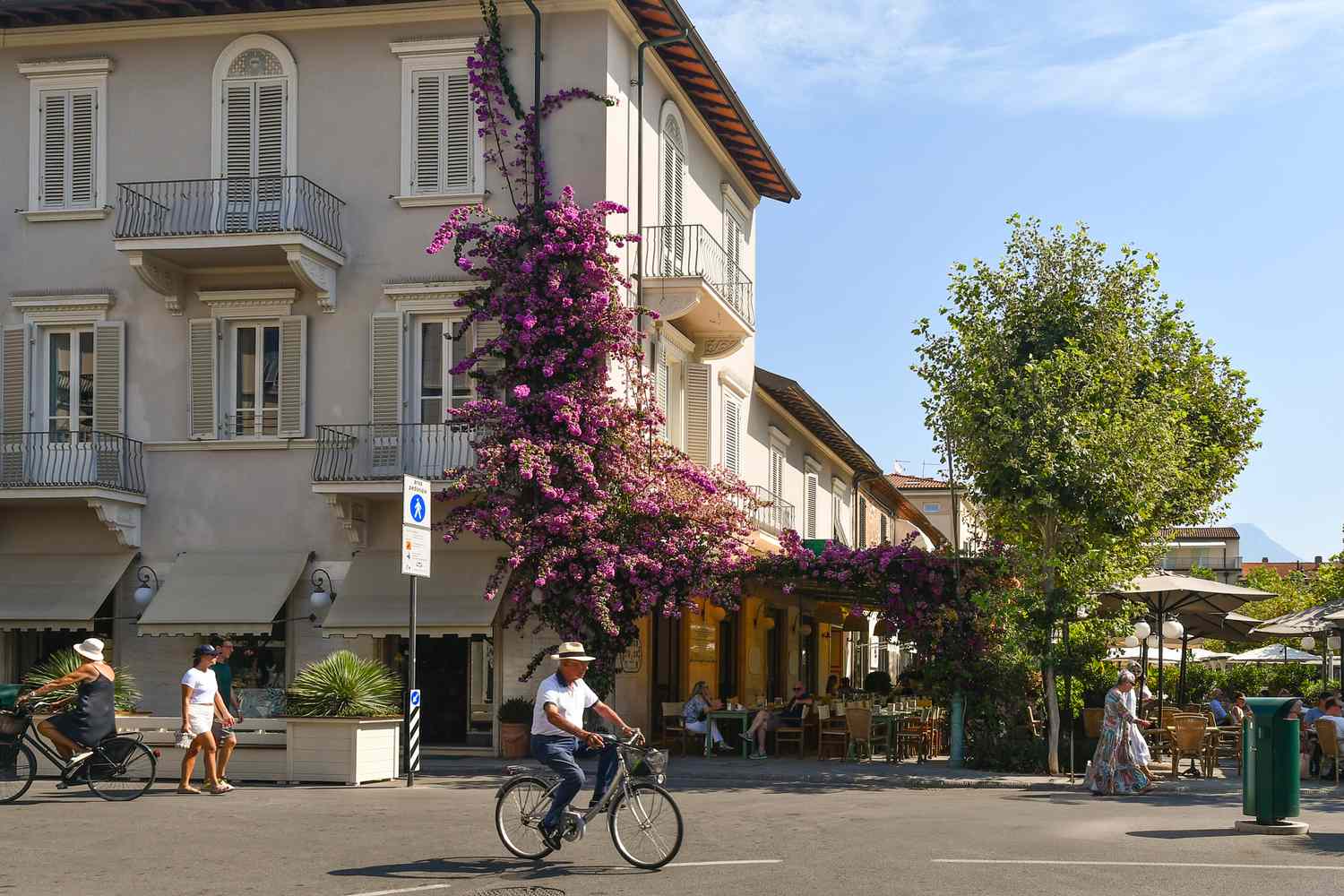
In most luxury destinations, the arrival of a supercar turns heads. In Forte dei Marmi, it is the bicycle that commands respect. This town is a flat grid of peaceful, tree-lined streets where the bicycle culture is so ingrained that it has become the ultimate status symbol. There is something profoundly liberating about seeing a woman in a couture summer dress and high heels pedaling toward a tennis club, or a gentleman in a bespoke suit navigating the promenade with a leather briefcase tucked into his front basket.
To truly experience the soul of the town, you must rent a classic cruiser. Cycling is the quintessential way to travel, allowing you to explore the luxury villas and private gardens of the Roma Imperiale neighborhood at a leisurely pace. This area is a masterclass in Mediterranean architecture, where hidden estates are shielded by towering hedges of jasmine and laurel. While the town is exceptionally bike-friendly, there are unspoken Forte dei Marmi cycling rules and dress code nuances to follow. Always keep to the right, use your bell sparingly to signal presence, and never overlook the importance of your attire. In Forte, your bicycle is an extension of your outfit.
This commitment to a controlled, high-end environment is what keeps the town's performance so consistently high. While other Italian destinations manage massive crowds—the tourism agency for the Amalfi Coast recorded 564,981 visitors across its 13 towns in 2023—Forte dei Marmi maintains a sense of spaciousness. This exclusivity echoes the luxury trends in the Portofino region, where five-star hotels last year saw occupancy rates exceeding 95% for a full month, with guest spending reflecting the premium nature of the Tuscan and Ligurian coasts.
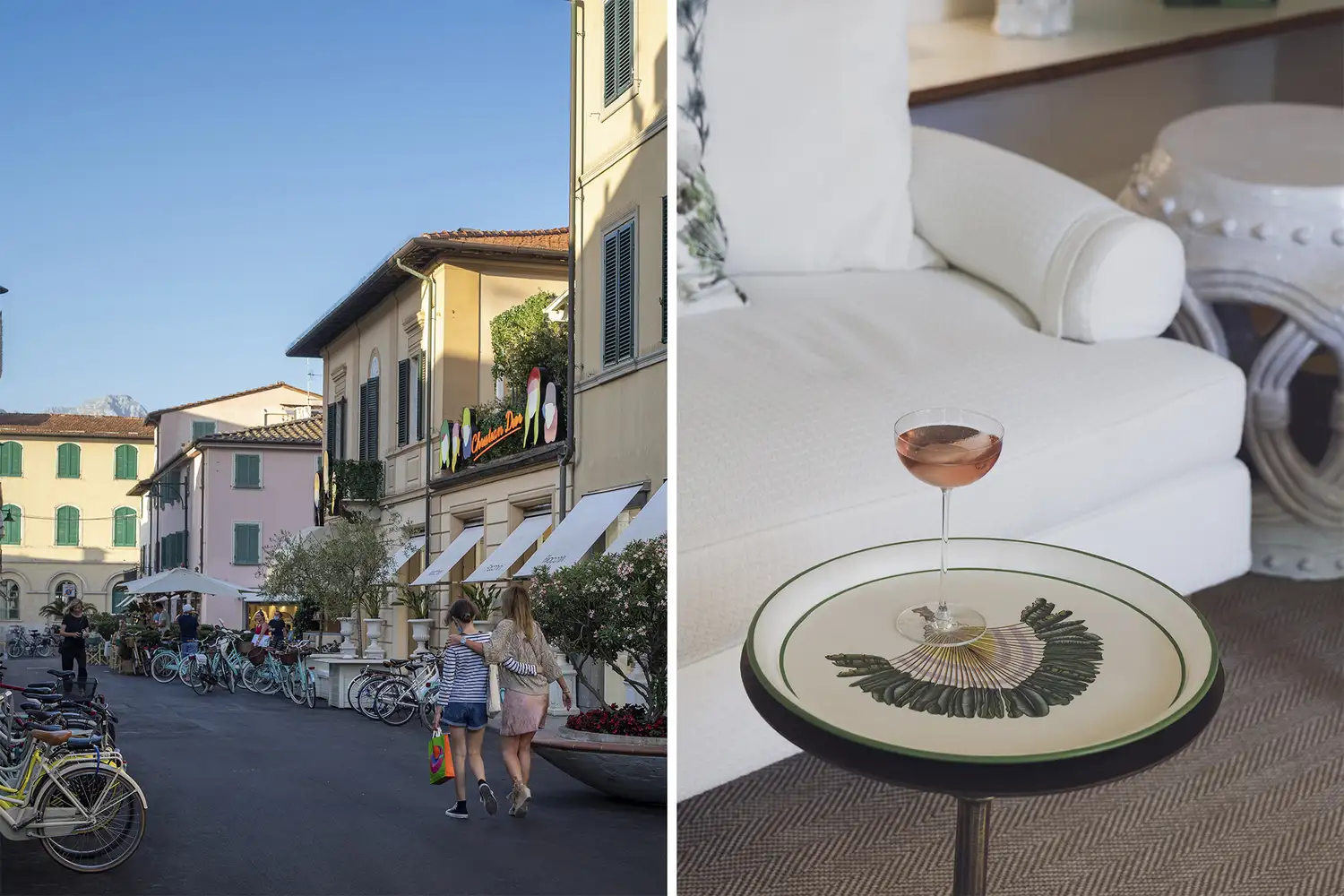
Shopping the Source: Piazza Marconi Cashmere Market
While the boutiques lining the center of town feature the latest collections from iconic fashion houses, the most essential retail experience happens in the open air. The market at Piazza Marconi is a legendary shopping event that transforms the town square every Wednesday morning. Far from a typical tourist market, this is where you find the highest quality Italian cashmere, supple leather items, and elegant home textiles that define the Versilia Coast aesthetic.
Navigating the Piazza Marconi cashmere market requires a strategy. The market typically runs from 8:00 AM to 1:30 PM, and an early start is vital to beat the heat and the crowds of discerning locals. Here, you can find designer-grade coats, delicate knitwear, and hand-stitched leather loafers at prices that are competitive for the quality offered. It is a central part of the local lifestyle; it is not uncommon to see residents debating the weave of a linen tablecloth or the softness of a pashmina with the same intensity they might apply to a fine wine. This is where the old-money look is curated—item by item, focused on texture and longevity.
- Arrive by 8:30 AM: To get the first pick of the most exclusive cashmere blends.
- Look for 'Made in Italy': Authentic artisans are proud of their local provenance.
- Cash is King: While many vendors now accept cards, small bills can sometimes facilitate a more graceful transaction.
- Focus on Linens: The home textiles here are world-renowned for their durability and classic Tuscan patterns.
Where to Stay: Pensione America and Old-Money Seclusion
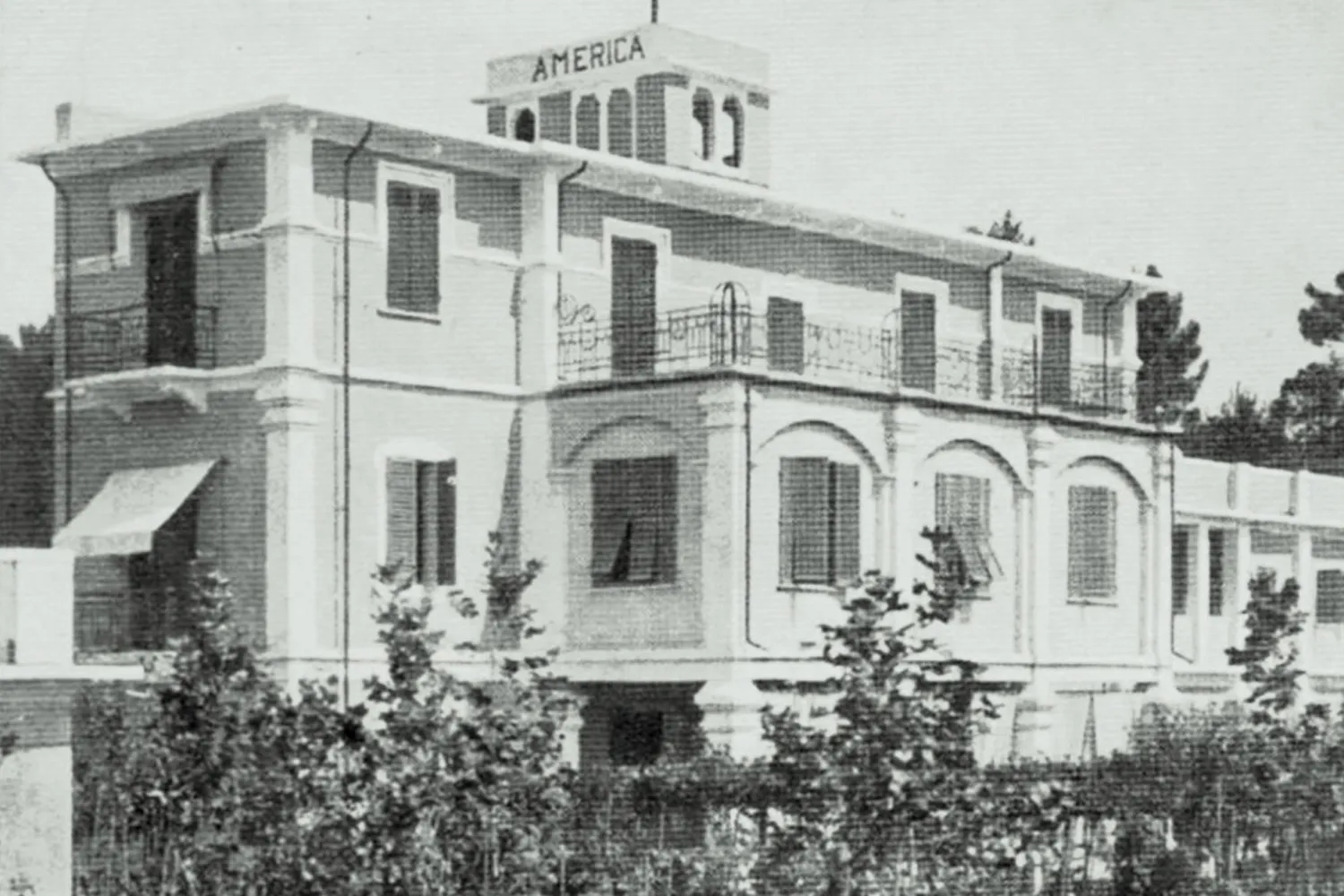
For a stay that embodies the heritage of the region, Pensione America Forte dei Marmi stands as a beacon of understated elegance. Founded in 1899, this historic hotel offers a glimpse into the town's origins before it became a focal point of international glamour. Located within the prestigious Roma Imperiale neighborhood, it provides guests with a sense of garden seclusion that is increasingly rare.
Choosing a stay here is less about modern extravagance and more about discreet service and character. The property is surrounded by Mediterranean Pines, providing a natural canopy that keeps the air cool and fragrant. For those traveling by rail, it is worth noting the 5km gap from the train station; arranging a private transfer or a taxi is recommended to maintain the seamlessness of your arrival. Staying at Pensione America allows you to live like a local, waking up to the sound of birds and taking a short, scenic bike ride to your chosen bagno.
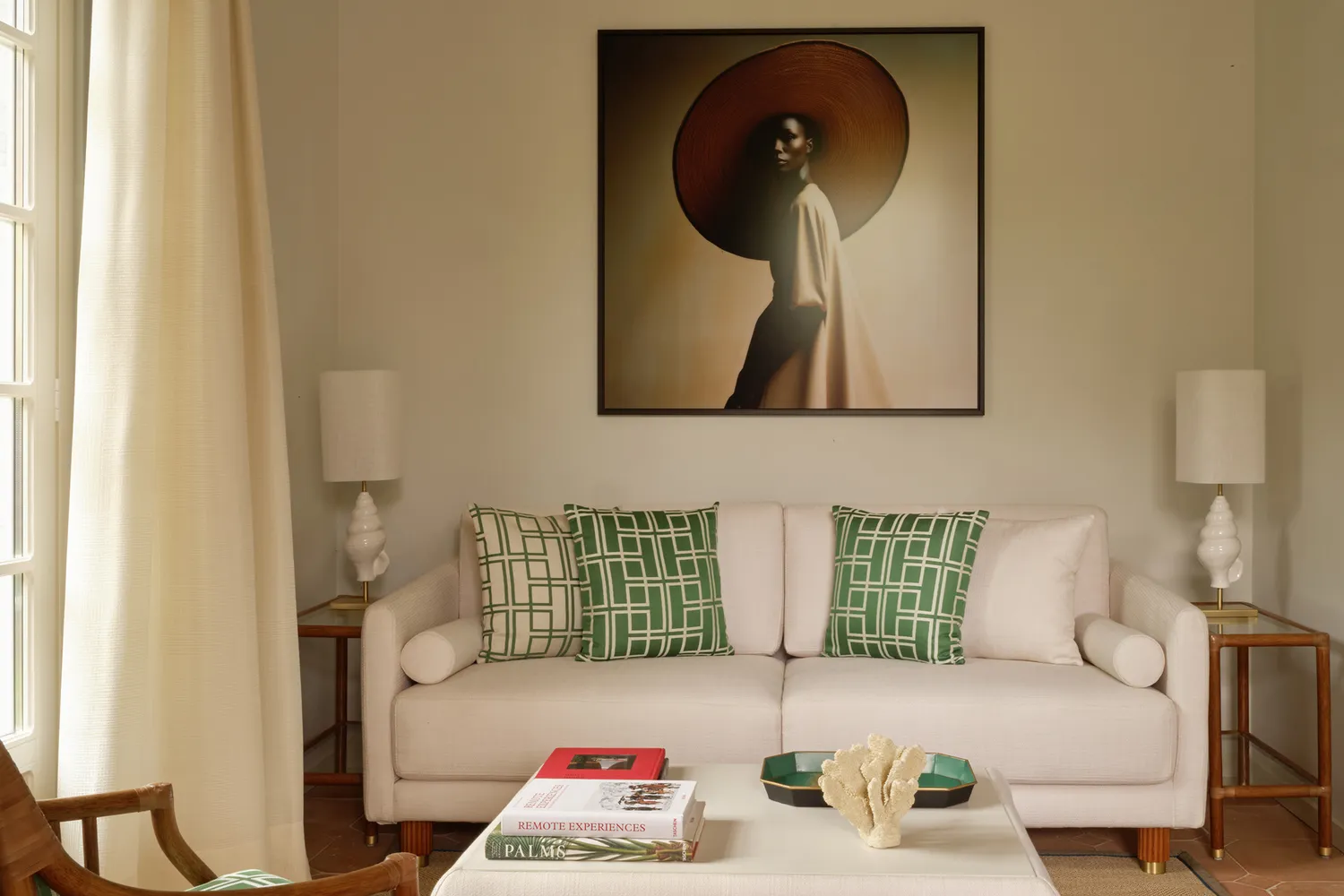
The rooms, particularly the Garden Suite, reflect a design language that honors the past while providing contemporary comfort. It is an environment where you are encouraged to unplug and lean into the La Bella Vita philosophy. The hotel's position allows easy access to both the high-end boutiques of the center and the quiet, residential streets where the true architectural gems of the Versilia Coast are hidden.
Beyond the Fort: Marble, Sculptures, and Gastronomy
The identity of Forte dei Marmi is inextricably linked to the mountains that frame its skyline. The Apuan Alps, gleaming white in the sunlight, are not covered in snow but in the world’s finest Carrara marble. For centuries, this coast served as the shipping point for the stone used by Michelangelo and Bernini. You can still feel this artistic heritage today, especially with a quick trip to the nearby artistic hub of Pietrasanta. Known as the "Little Athens" of Italy, Pietrasanta is filled with sculptor studios and galleries, offering a sophisticated cultural counterpoint to the leisure of the beach.
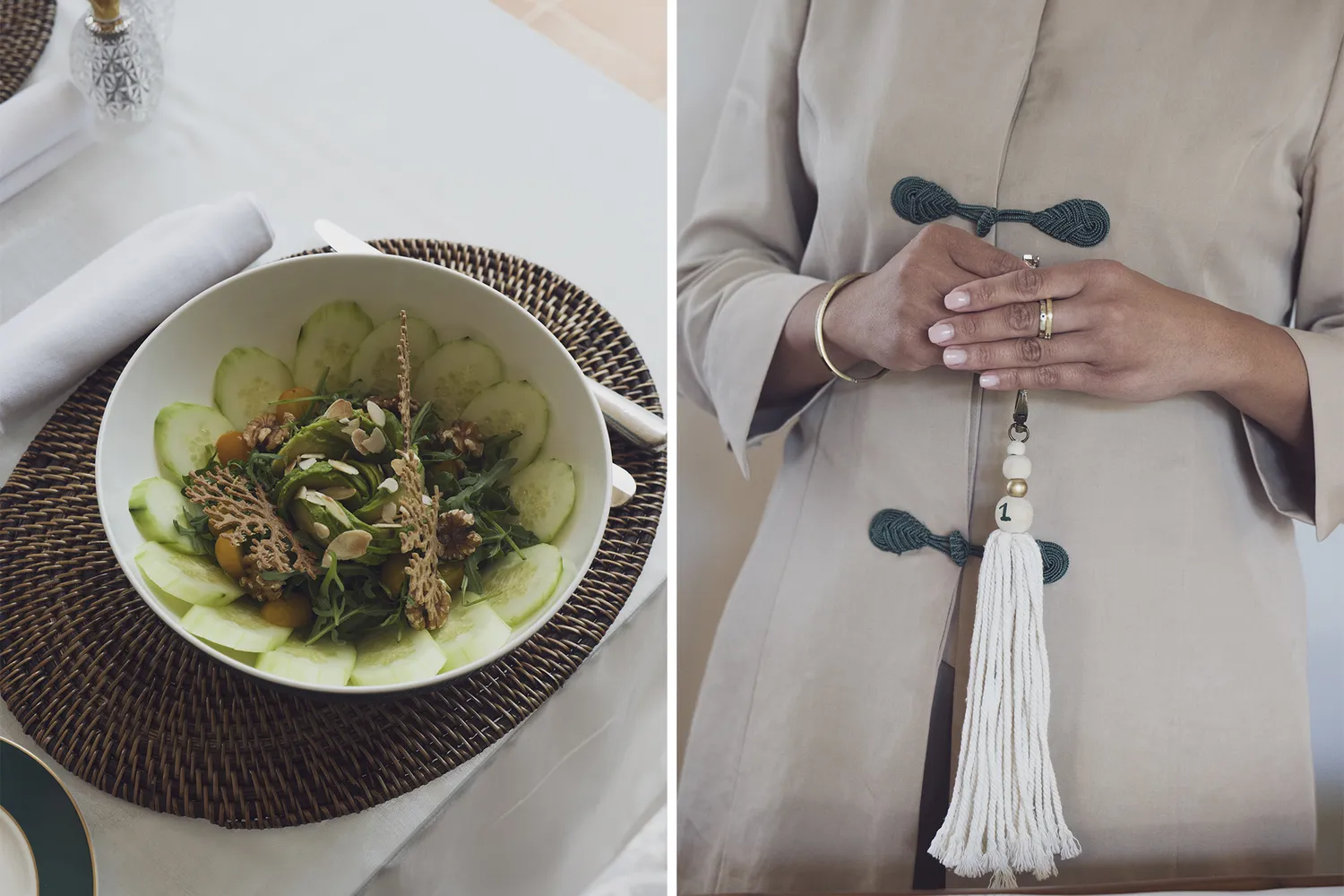
Tuscan gastronomy in this region is a celebration of the sea. The quintessential dish is spaghetti alle arselle—tiny, sweet wedge clams harvested from the local sands. Enjoyed at a beachfront table with your toes near the sand, it is the taste of summer itself. The local Vermentino wine, with its crisp acidity and saline notes, is the perfect companion. As the sun begins to set, the pier (Pontile) offers the best vantage point. From here, you can look back at the town and see the dramatic contrast between the sophisticated seafront promenade and the rugged peaks of the Alps.
FAQ
Is Forte dei Marmi worth visiting?
Yes, particularly for those who appreciate quiet luxury, high-end shopping, and a refined beach atmosphere. It offers a unique cultural experience centered on heritage and fashion that differs significantly from the more crowded or flashy Mediterranean resorts.
What is Forte dei Marmi famous for?
The town is world-renowned for its exclusive beach clubs, the legendary Wednesday cashmere market at Piazza Marconi, and its sophisticated bicycle culture where residents and visitors travel by bike in formal attire.
Is Forte dei Marmi expensive?
It is considered one of Italy's most expensive coastal destinations. While the market offers value on high-quality goods, the costs for beach club access and luxury hotels reflect its status as an elite enclave.
How many days do you need in Forte dei Marmi?
A stay of three to five days is ideal to settle into the local rhythm, spend time at a bagno, shop the Wednesday market, and take a day trip to the marble quarries or Pietrasanta.
What is the closest airport to Forte dei Marmi?
Pisa International Airport (PSA) is the closest, located approximately 35 minutes away by car. Florence (FLR) is another option, roughly an hour and fifteen minutes away.
Is the beach at Forte dei Marmi free?
Most of the coastline is managed by private beach clubs. While there are a few very small areas of 'spiaggia libera' (free beach), they lack the amenities and legendary service that define the town's seaside experience.