Quick Facts
- The Gold Standard: Top-tier performance requires weight under 11oz, shock-absorbing midsoles (typically EVA or Cork), and mandatory secure ankle straps.
- The 20K Rule: Data shows European travel averages 10,000 and 20,000 steps per day, requiring footwear designed for high-mileage durability.
- Best for Safety: Prioritize slip-resistant rubber outsoles with a friction coefficient greater than 0.45 to navigate wet or polished stones.
- Support Benchmarks: Contoured footbeds with arch support and metatarsal padding are essential for preventing plantar fasciitis on hard, uneven surfaces.
- Stability First: Multi-strap adjustment systems provide the necessary medial stability to prevent ankle roll on irregular terrain.
- Break-In Protocol: While high-quality nappa leather is forgiving, testing sandals for cobblestone streets 14 days before departure is recommended to identify potential friction points.
When selecting sandals for cobblestone streets, prioritize shock-absorbing midsoles, such as EVA foam or cork, and slip-resistant outsoles like rubber or lug soles for grip on uneven or wet stones. A secure ankle strap or fisherman-style design is essential to prevent foot slippage and provide medial stability. Look for contoured footbeds with arch support and metatarsal padding to mitigate vibrations and reduce fatigue during high-mileage sightseeing.
| Sandal Feature | Recommendation | Why It Matters |
|---|---|---|
| Midsole Material | EVA Foam or Natural Cork | Absorbs 100+ units of impact per step |
| Outsole | Lugged Rubber | Provides traction on wet, polished stones |
| Closure | Adjustable Ankle Strap | Prevents lateral sliding and ankle sprains |
| Lining | Microfiber or Soft Nappa | Reduces friction to prevent blisters |
| Heel Height | 1" to 1.5" (Platform/Wedge) | Provides a buffer between foot and ground |
Why Cobblestones Demand Specialized Footwear
Navigating the historic hearts of Rome, Prague, or Lisbon is a biomechanical challenge that your standard flip-flops are simply not equipped to handle. European old towns are characterized by uneven, centuries-old stones that transmit constant micro-vibrations through the foot and up the leg. Unlike modern asphalt, cobblestones vary in height and angle, forcing the muscles of the foot to work overtime to maintain balance. Without specialized protection, this leads to rapid onset fatigue and a significantly higher risk of injury.
According to foot health research, sightseeing for 8 to 10 hours a day on these hard and uneven surfaces can aggravate conditions like plantar fasciitis and metatarsalgia. The lack of a uniform surface means that with every step, the impact is distributed unevenly across the plantar fascia. This is why vibration dampening is the most critical metric for any traveler. A high-performance shock-absorbing midsole, such as those found in premium travel footwear, acts as a buffer, neutralizing the impact before it reaches your joints.
The physics of a 20,000-step day are sobering. If you are walking on uneven terrain, the impact force can be up to three times your body weight. To mitigate this, experts suggest looking for sandals with a high-traction rubber outsole. This is not just about comfort; it is a safety requirement. Polished stones in cities like Dubrovnik become incredibly slick when wet or even just humid. A slip-resistant outsole with deep lugs provides the necessary friction to keep you upright.
Best High-Performance Sandals for 10+ Mile Days
When your itinerary involves dawn-to-dusk exploration, you need high-mileage performance that mimics the support of a technical running shoe. For travelers who fall into the walking-heavy persona, the search for comfortable walking sandals for Europe begins and ends with impact protection. These sandals are designed to handle the extreme load of 10-plus miles a day without collapsing.
The Lug-Sole Fisherman
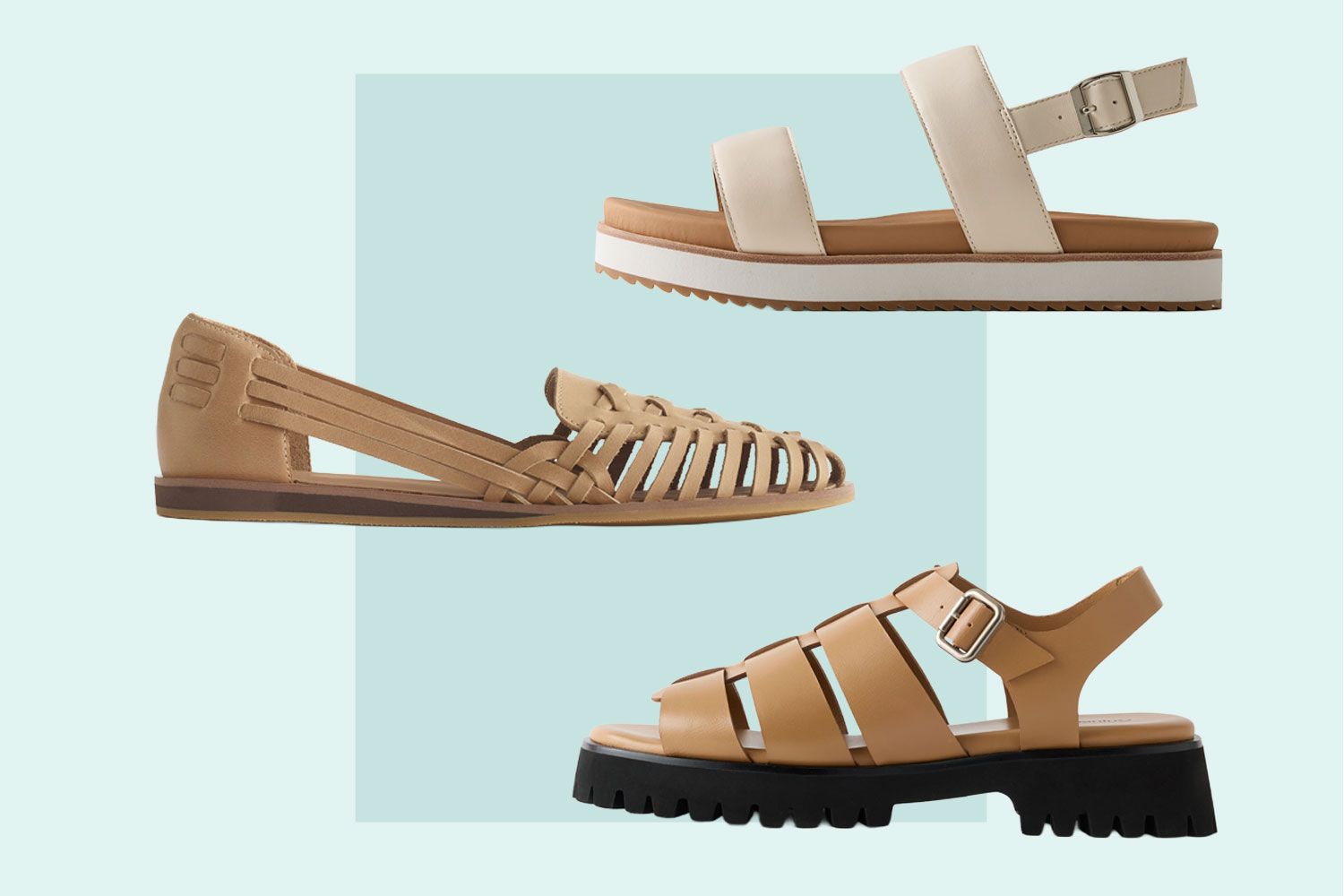
The revival of the fisherman style is a boon for the European traveler. By combining the breathability of a sandal with the structure of a closed-toe shoe, these models offer superior medial stability. Look for versions with an EVA foam footbed and a generous platform. The extra height isn't just for style; it creates a thicker physical barrier between your foot and the jagged edges of ancient stones.
- Technical Spec Box:
- Weight: 10.2 oz
- Grip Rating: High (Deep Lugs)
- Material: Full-grain leather / EVA
- Best For: All-day transit and heavy sightseeing
The Technical Adventure Sandal
For those who prioritize function over everything else, technical sandals featuring InSite Contoura footbeds or similar podiatrist-approved tech are the gold standard. These models often utilize microfiber lining to wick away moisture, which is essential for blister prevention during high-mileage durability testing. They are the ultimate cushioned sandals for long distance walking, designed to provide metatarsal support that remains consistent from mile one to mile ten.
Stability & Medical Support: Best for Plantar Fasciitis
If you suffer from chronic foot pain, the prospect of European cobblestones can be daunting. However, the right footwear can make these historic cities accessible. For travelers needing supportive sandals for plantar fasciitis travel, the core requirements are torsional rigidity and a contoured footbed. A shoe with poor rigidity will twist on uneven stones, causing the arch to collapse and the plantar fascia to tear.
The leather fisherman sandals for stable walking on cobblestones are particularly effective here. Because they often feature multiple points of adjustment and a reinforced heel cup, they lock the foot into a neutral position. This prevent's the foot from sliding laterally—a common cause of ankle sprains on irregular surfaces. Expert recommendations for walking on cobblestones consistently highlight the need for a cushioned footbed for shock absorption and a high-traction rubber outsole.
Contoured Cork Classics
Natural cork is an underrated material for European travel. It is inherently shock-absorbent and, over time, molds to the specific shape of your foot, providing custom arch support. For those with plantar fasciitis, this personalized fit ensures that pressure is distributed across the entire foot rather than being concentrated on the heel or ball.
Style Meets Traction: Versatile Sandals for European Old Towns
One of the greatest challenges of packing a capsule wardrobe for Europe is finding footwear that passes the Three Dress Test: it must look appropriate with a casual day dress, a midi skirt for a museum visit, and a more formal outfit for dinner. Historically, this meant sacrificing safety for style, but modern footwear engineering has narrowed the gap. Many stylish sandals for walking in Europe that go with dresses now incorporate hidden performance features.
The Modern Huarache
The Huarache-style sandal is a perfect example of style meeting traction. Its woven leather construction provides a secure, adjustable fit that breathes well in the Mediterranean heat. When paired with a streamlined rubber outsole, it provides the necessary sandals with grip for wet and slippery cobblestone streets without the bulky look of a hiking sandal. It offers the flexibility needed for long-distance walking while maintaining enough structure to protect against ground impact.
Platform and Wedge Stability
Contrary to popular belief, a modest platform or wedge can be safer than a completely flat sandal on cobblestones. A flat, thin sole allows you to feel every sharp edge of the stone, whereas a platform provides a uniform contact surface. However, the key is the width of the base. To ensure safety, the outsole should be wide enough to provide a stable platform that prevents the foot from tipping on uneven joints.
Preparation & Foot Care: The No-Break-In Secret
Even the most expensive sandals for cobblestone can cause issues if not properly prepared. My primary rule for European travel is never to take a pair of shoes out of the box and directly onto a plane. While some brands advertise travel sandals for Europe that don't need breaking in, your specific foot shape might disagree.
I recommend a 14-day trial period. Start by wearing your sandals around the house with socks (to identify friction points without risking blisters), then progress to 2-mile walks on similar terrain. This allows the leather to soften and the footbed to compress. If you are a carry-on only traveler, focus on lightweight walking sandals for Europe that weigh under 11 ounces per pair. This ensures you can fit two pairs of shoes—one for heavy walking and one for lighter evenings—without exceeding airline weight limits.
- The Blister Kit: Always pack moleskin, hydrocolloid bandages, and a small tube of anti-friction balm.
- The Two-Pair Rotation: Rotate your footwear daily to give the foam midsoles time to decompress and to change the pressure points on your feet.
FAQ
What features should I look for in sandals for uneven streets?
Look for shock-absorbing midsoles like EVA or cork, which act as a buffer against vibrations. A secure ankle strap is mandatory to prevent your foot from sliding off the footbed, and a high-traction rubber outsole is necessary for grip on polished or wet stones.
Are flat sandals or wedges better for cobblestone roads?
Wedges or platforms with a wide, stable base are often superior to ultra-thin flat sandals. The thicker sole protects the bottom of your feet from the sharp edges of the stones, provided the shoe has a secure ankle strap to maintain stability.
How do I choose sandals that provide stability on cobblestones?
Stability comes from torsional rigidity and a secure fit. Choose sandals with multiple adjustable straps (across the toes, instep, and ankle) and a footbed that features a heel cup to keep your foot centered over the sole.
Are platform sandals safe for walking on cobblestone streets?
Yes, provided they have a wide outsole and a relatively low heel-to-toe drop. A flat platform (flatform) provides excellent protection from ground impact while maintaining a stable center of gravity, making them safer than narrow-heeled shoes or thin-soled flats.
How can I prevent foot pain when wearing sandals on cobblestones?
Ensure your sandals have built-in arch support and metatarsal padding to manage the impact of 20,000 steps. Additionally, rotate between two different pairs of supportive sandals to change the pressure points on your feet throughout your trip.