Quick Facts
- 2026 Top Rare Sight: The Black Panther in Kabini remains the most coveted sighting for luxury travelers.
- Exclusive Habitat: Gir National Park is the world's only wild home for Asiatic lions, with 891 individuals recorded in 2025.
- Booking Window: Critical permits for top-tier zones must be secured 120 days in advance.
- UNESCO Highlight: Kaziranga National Park hosts 70% of the world's wild one-horned rhinos within its protected grasslands.
- Luxury Opening: The Oberoi Vindhyavilas, which debuted in March 2025, sets a new gold standard for eco-conscious travel.
- Tracking Data: India's first national survey recently estimated a total of 718 snow leopards across its high-altitude ranges.
While the Royal Bengal Tiger is the face of Indian wilderness, a truly diverse wildlife safari in India offers encounters with rare endemic species found nowhere else on earth. From the Asiatic lions of Gir to the elusive black panthers of Kabini, India’s best national parks for wildlife provide a profound journey into global biodiversity hotspots. For 2026, luxury safari lodges like the new Oberoi Vindhyavilas are elevating the experience with expert naturalists and eco-conscious travel.
The pursuit of the "Big Five" shouldn't be limited to the African continent. In the velvet silence of an Indian dawn, the snap of a twig might herald the arrival of a prehistoric-looking rhino or the golden mane of a lion that belongs to an ancient, regal lineage. As we look toward the 2026 season, the sophistication of the Indian safari has evolved, merging world-class hospitality with deep-rooted wildlife conservation efforts.
The Asiatic Lion: Gir National Park, Gujarat
Deep in the western state of Gujarat lies an arid, scrubby landscape that feels a world away from the humid jungles of central India. This is Gir National Park, a sanctuary that holds a singular global distinction: it is the only place on earth where you can witness the Asiatic lion in its natural habitat. Distinct from their African cousins, these lions are slightly smaller, possessing a characteristic longitudinal fold of skin running along their bellies and males with shorter, darker manes that leave their ears visible.
The success story of Gir is one of the most remarkable triumphs in wildlife conservation. Data indicates that the population of Asiatic lions in Gujarat’s Gir landscape grew by approximately 32% between 2020 and 2025, reaching an estimated total of 891 individuals. This growth has transformed the park into one of the most vibrant biodiversity hotspots in Asia. During game drives through the teak-dominated deciduous monsoon forests, the experience is intimate. Unlike the vast prides of the Serengeti, Asiatic lions tend to live in smaller, gender-segregated groups, offering a unique social dynamic for photographers and enthusiasts to observe.
For those seeking an Asiatic lion safari guide for Gir National Park that prioritizes elegance, the accommodation of choice is Aramness Lodge. Located on the fringe of the park, Aramness features 18 sophisticated koti-style villas, each with its own private pool. The lodge’s expert naturalists provide a nuanced understanding of the ecosystem, bridging the gap between luxury and the raw reality of the wild.

The Ghost of the Mountains: Snow Leopards in Hemis
Tracking the snow leopard is less of a safari and more of a spiritual pilgrimage. High in the rugged, cold-desert landscape of Ladakh, Hemis National Park offers the most prestigious high-altitude adventure in the world. Often referred to as the "Ghost of the Mountains," the snow leopard is masterfully camouflaged against the granite hills and snow-dusted ridges.
The logistics of planning a snow leopard safari in Hemis National Park require precision and a love for the offbeat. Recent findings from the Snow Leopard Population Assessment in India (SPAI) highlight the importance of this region, with Ladakh hosting the largest number at 477 out of a total national population of 718. The sightings usually occur during the winter months (February and March) when the cats descend to lower altitudes in search of prey like the Himalayan blue sheep.
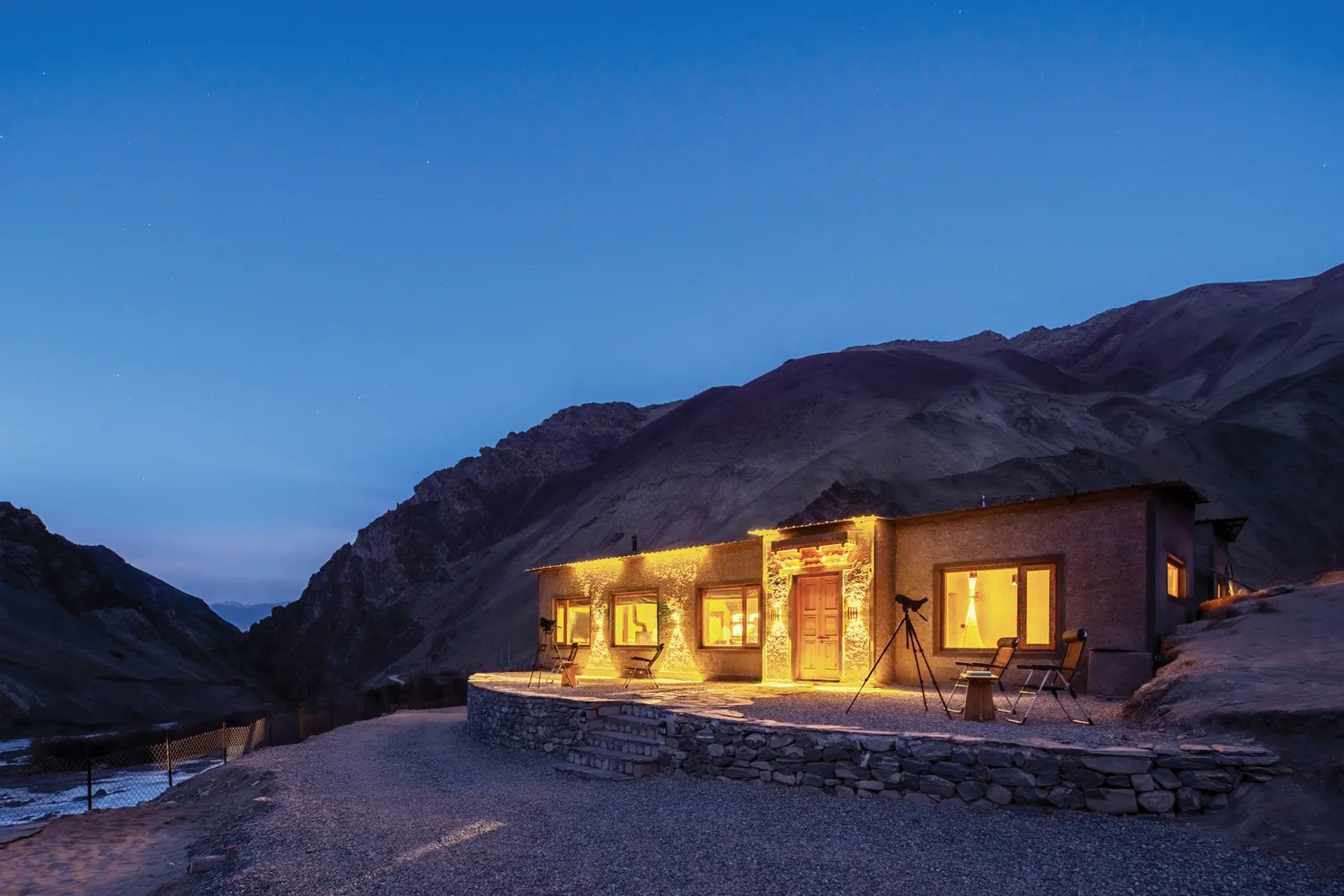
While the terrain is rugged, the experience does not lack refinement. Exclusive luxury tented camps are erected for the season, featuring personalized heaters, plush bedding, and gourmet meals served at 12,000 feet. The true luxury here, however, is the access. Following expert trackers who can spot a flick of a tail from miles away is a masterclass in patience and sensory awareness.
The Prehistoric Titan: One-Horned Rhinos in Kaziranga
Traveling east to the floodplains of the Brahmaputra River in Assam, the scenery shifts to lush, alluvial grasslands. Kaziranga National Park is a landscape of shimmering water bodies (beels) and towering elephant grass. This UNESCO World Heritage status site is the definitive stronghold of the Greater One-Horned Rhinoceros.
As of the latest census, Kaziranga National Park in Assam hosts 2,613 Greater One-Horned Rhinoceroses, which accounts for roughly 70% of the global wild population. Seeing these armor-plated titans emerge from the morning mist is a primordial experience that feels unchanged for millennia. Beyond the rhinos, the park is a haven for wild water buffalo, swamp deer, and an incredible array of migratory birds, making it one of the best national parks in India for wildlife enthusiasts who appreciate variety.
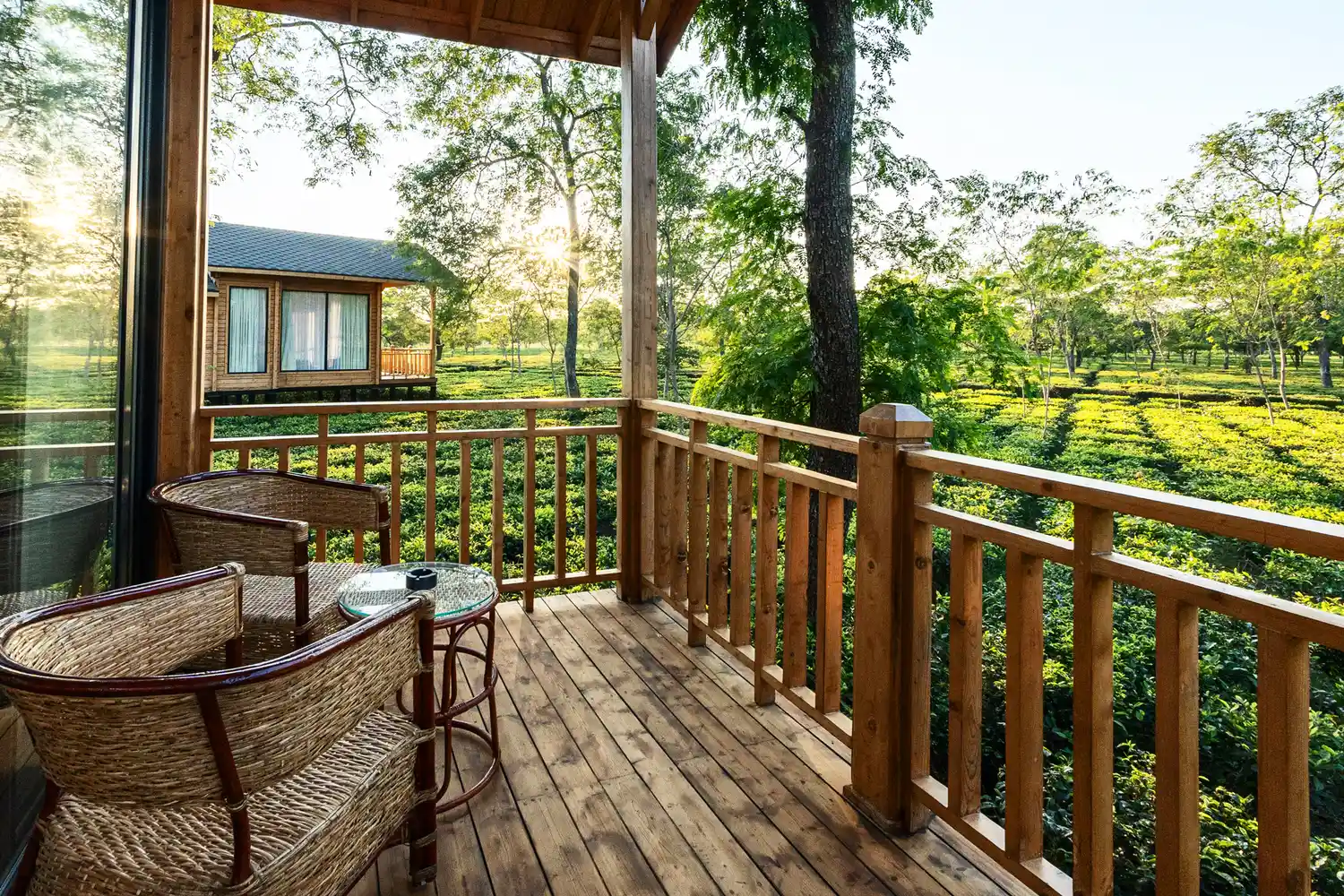
When visiting Kaziranga National Park for one-horned rhinos, the stay should reflect the colonial heritage of the region. The Postcard in the Durrung Tea Estate offers a serene escape. Set amidst a working tea plantation, the lodge allows guests to transition from the adrenaline of game drives to the quiet ritual of a sunset tea tasting overlooking the emerald gardens.
The Shadow of the Forest: Black Panthers of Kabini
In the southern reaches of Karnataka, the Nagarhole Tiger Reserve—specifically the Kabini area—offers a sighting so rare it has become the stuff of legend. While Indian leopards are found throughout the sub-continent, Kabini is famous for its resident black panther. This melanistic leopard is not a different species but a genetic rarity, appearing as a sleek, ink-black shadow against the vibrant green of the deciduous monsoon forests.
The rare black panther safari guide for Kabini is centered around the Kabini River, where the forest opens up to provide better visibility. The "Ghost of Kabini" has been documented by photographers worldwide, but seeing the sunlight catch the faint spots beneath his dark coat in person is an emotional moment that stays with you forever. The park’s ecosystem is exceptionally rich, supported by the river which draws large herds of Asiatic elephants and spotted deer.
To match the mystery of the forest, stay at The Serai Kabini or one of the bespoke luxury water-front villas that line the banks. These India luxury safari lodges offer a tranquil atmosphere where you can discuss the day’s sightings over a glass of fine wine as the sun dips below the horizon.
Planning Your 2026 Safari: Logistics and Permits
The secret to a successful wildlife safari in India lies in the preparation. Unlike some African destinations where you can decide on a lodge last minute, India's most prestigious parks operate on a strict permit system. For the 2026 season, travelers must be aware of the 120-day permit rule. Safaris in premier zones sell out within minutes of the booking window opening, making early planning with a specialist essential.
Pro Tip: To ensure the most exclusive experience, always request a private 6-seater Jeep rather than the larger Canter vehicles. A private vehicle allows your expert naturalists to focus entirely on your interests, whether you are chasing the perfect light for photography or tracking a specific individual animal.
When considering the best luxury safari lodges in Madhya Pradesh 2026 or other regions, seasonality is your guide:
- October to February: The weather is most comfortable (ranging from 0°C in the north to 25°C in the south), perfect for those who enjoy misty mornings and pleasant afternoons.
- March to May: As the water holes dry up, wildlife visibility increases significantly. This is the prime window for serious photographers, though temperatures can reach 45°C.
The 2026 landscape is particularly exciting with the full operation of The Oberoi Vindhyavilas. This property exemplifies the new wave of rare animal safaris in India, where heritage-inspired architecture meets modern ecological responsibility. After a long day in the brush, returning to a climate-controlled luxury tent with a deep soaking tub and a private butler is the refined reward every traveler deserves.

Essential Packing List
- Layers: Temperatures fluctuate wildly between dawn and noon.
- Natural Tones: Wear khaki, olive, or beige to blend into the environment.
- Optics: A high-quality pair of 8x42 binoculars is indispensable.
- Sun Protection: Wide-brimmed hats and high-SPF sunscreen are non-negotiable for midday drives.
FAQ
Which national park is best for a wildlife safari in India?
The best park depends entirely on your target species. For Bengal tigers, Ranthambore and Bandhavgarh are unmatched. If you are seeking the rare Asiatic lion, Gir National Park is the only choice. For those interested in the Greater One-Horned Rhino, Kaziranga National Park provides the highest probability of sightings, while Hemis is the premier destination for snow leopards.
What is the best time of year for a safari in India?
Most national parks are open from October through June. The winter months (November to February) offer the most pleasant climate for luxury travelers. However, for maximum wildlife visibility, the warmer months of March, April, and May are superior as animals frequent the remaining water sources in the biosphere reserves.
How do I book a safari in an Indian national park?
Safari permits must be booked through the official forest department websites of the respective states or via a high-end travel outfitter. Because permits for many parks like Gir and Ranthambore open 120 days in advance and are strictly limited, it is highly recommended to book your lodging and permits simultaneously through a specialist.
What should I pack for a wildlife safari in India?
Pack lightweight, breathable clothing in neutral colors. Essential gear includes a good camera with a telephoto lens, sturdy closed-toe shoes, a wide-brimmed hat, and high-quality binoculars. Since temperatures can drop to near freezing in some parks during winter mornings, bringing a warm jacket and a scarf is vital for the open-air Jeep drives.
Are wildlife safaris in India safe for international tourists?
Yes, wildlife safaris in India are very safe. Professional guides and expert naturalists are trained to maintain a respectful and safe distance from the animals. Furthermore, the luxury lodges mentioned provide a high level of security, hygiene, and curated services tailored to international standards, ensuring a comfortable and worry-free experience.