Quick Facts
- Route: Nonstop service between San Francisco International Airport (SFO) and Adelaide Airport (ADL).
- Aircraft: Boeing 787-9 Dreamliner featuring the United Polaris cabin.
- Frequency: Three-times-weekly seasonal service (Monday, Wednesday, Saturday).
- Efficiency: Saves between 4 and 8 hours of total travel time compared to connecting through Sydney or Melbourne.
- Economic Impact: Projected to add 25,000 seats per year and generate a $22 million economic boost for the region.
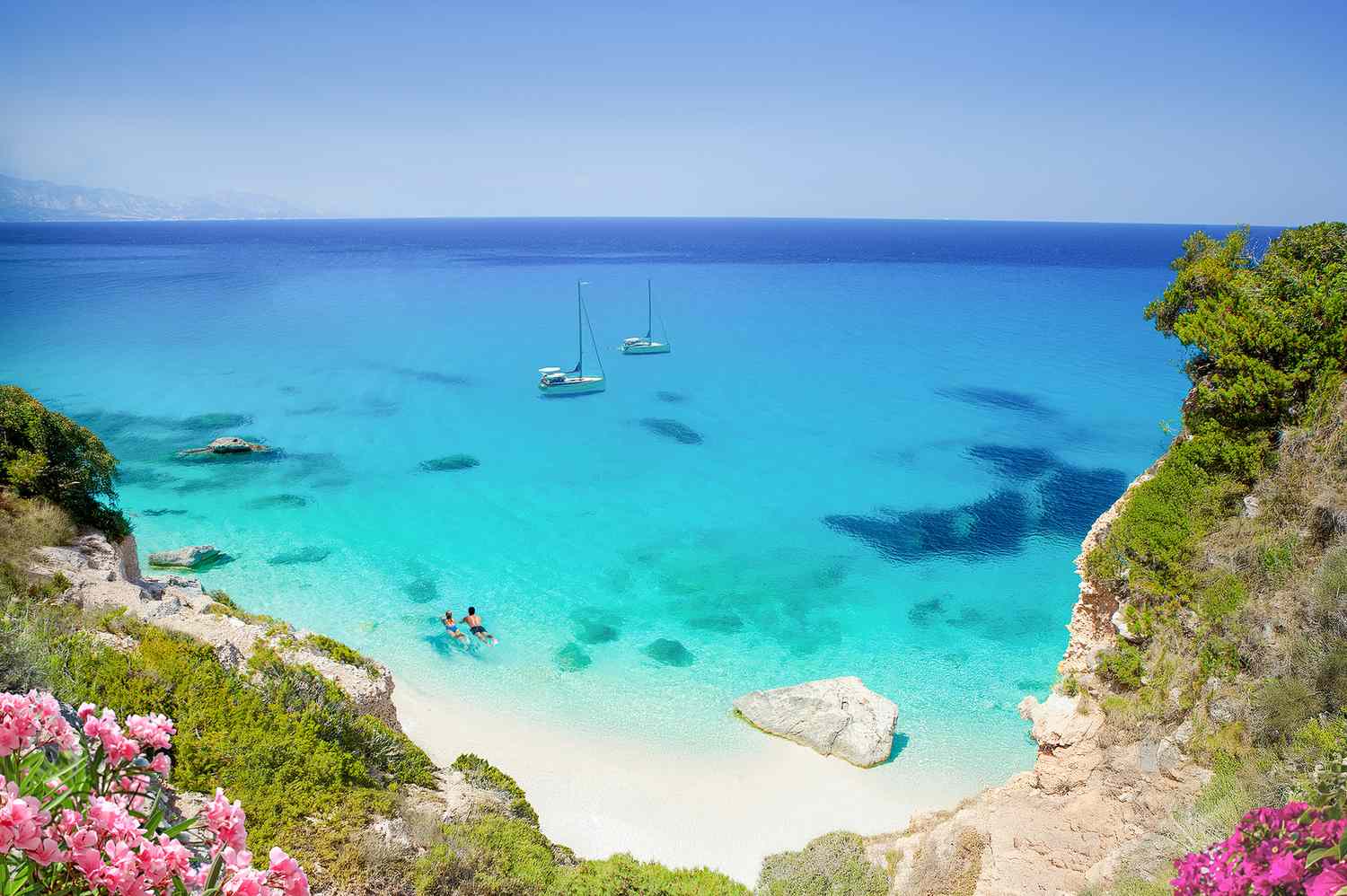
- Top Experiences: World-class wine tasting in Barossa Valley, endemic wildlife spotting on Kangaroo Island, and artisanal dining in Adelaide.
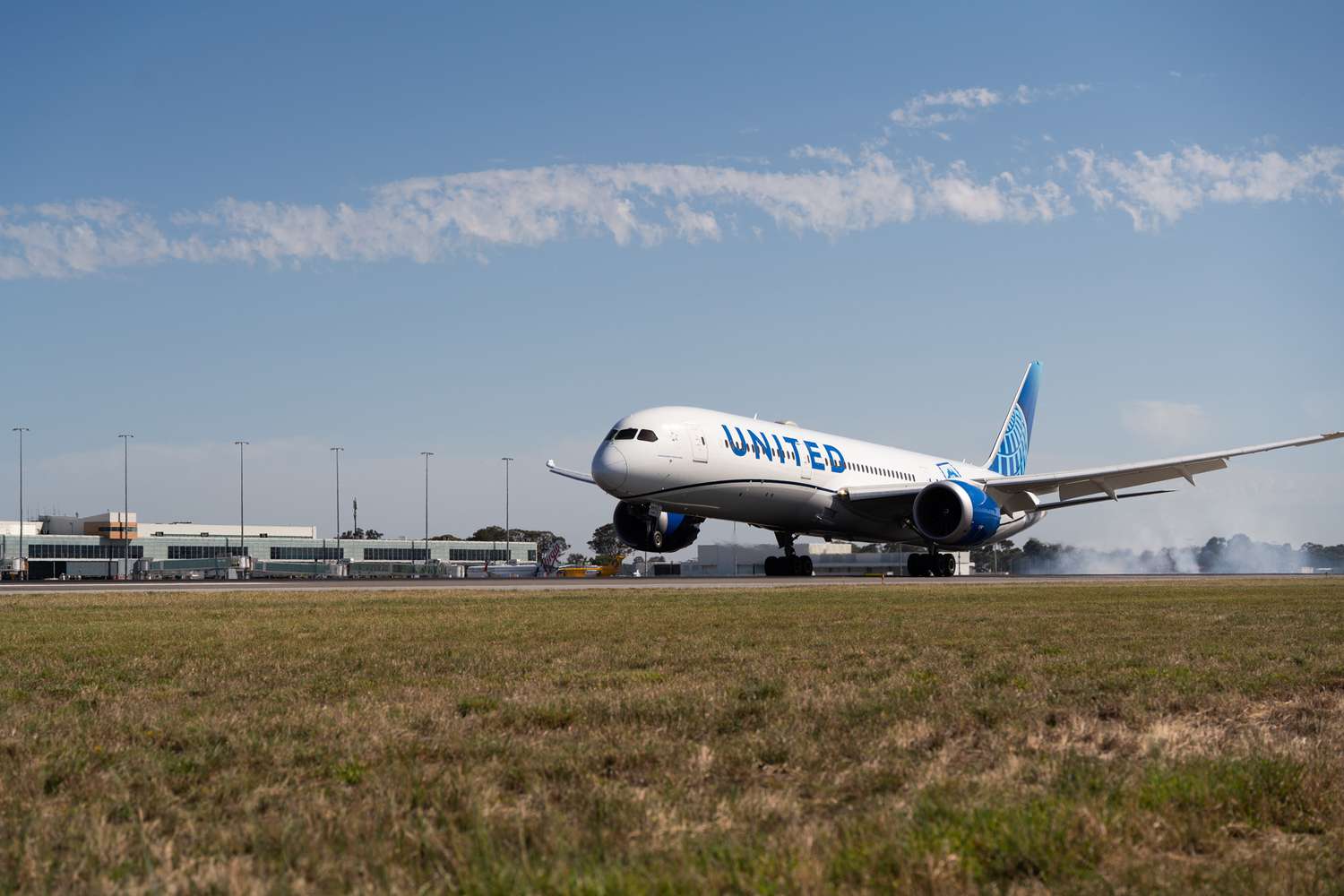
Yes, there is a direct flight from San Francisco to South Australia. United Airlines operates a nonstop service from SFO to Adelaide three times weekly using a Boeing 787-9 Dreamliner, making it the most efficient way to begin your South Australia travel. This route eliminates the need for domestic transfers within Australia, allowing travelers to land directly in the heart of the country's premier wine and wildlife province.
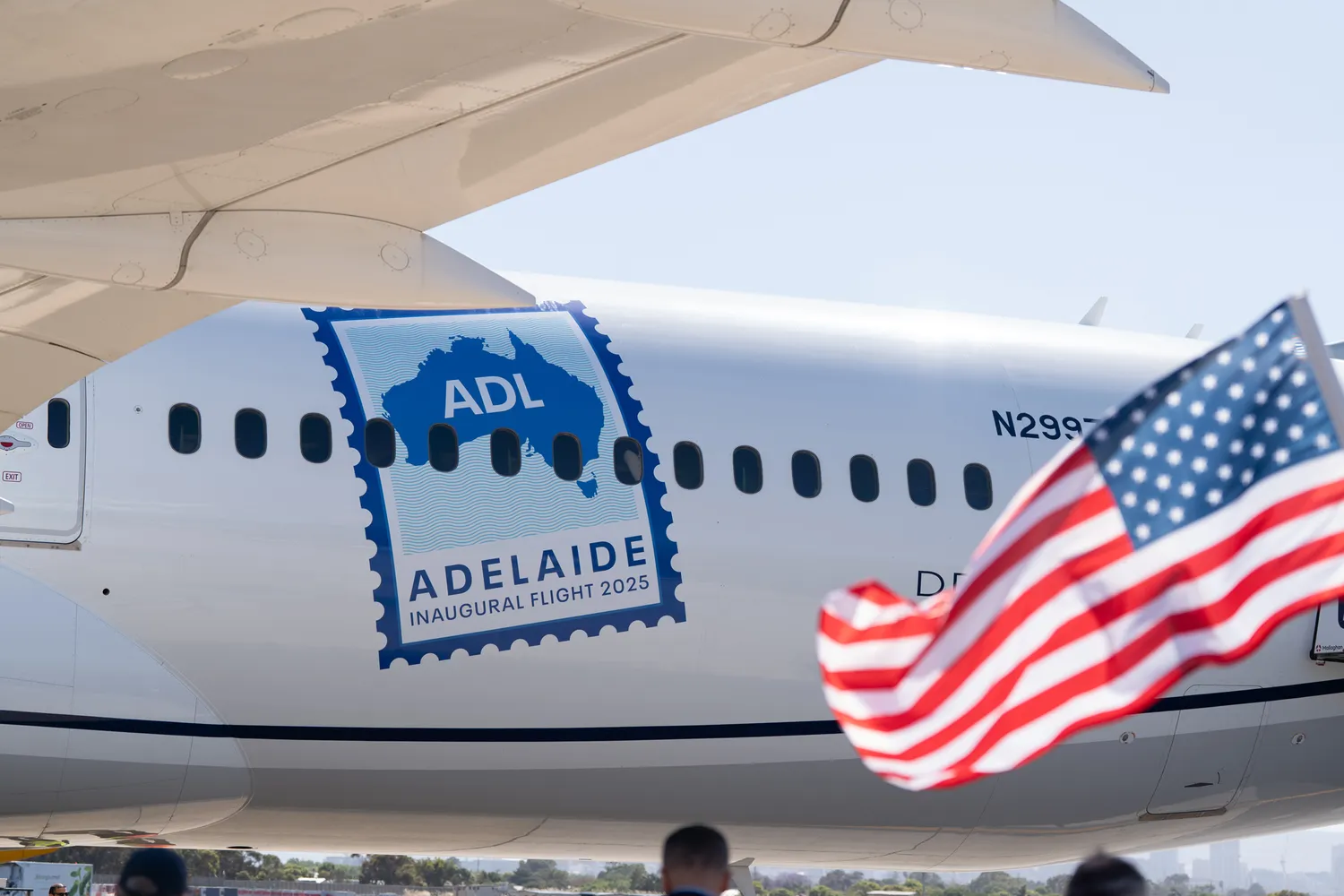
Planning your South Australia travel just got easier. With the introduction of the first direct passenger flight from San Francisco (SFO) to Adelaide (ADL), travelers can now skip the traditional hub fatigue of Sydney or Melbourne. This United Airlines service using the Boeing 787-9 Dreamliner slices 4-8 hours off transit times, landing you in the heart of Australia's wine and wildlife capital by 9:30 AM.
The SFO-ADL Advantage: Cutting Through the Hub Fatigue
For decades, North Americans heading to the southern reaches of the Australian continent faced a logistical gauntlet. The standard itinerary required a trans-Pacific hop to Sydney, a trek through customs, a terminal transfer, and a secondary domestic flight. By the time you reached your hotel in Adelaide, the jet lag was compounded by the friction of transit.
The new direct route fundamentally shifts the map. Operating three days a week, the united sfo to adelaide flight schedule and travel time is optimized for the international traveler. The flight clocks in at approximately 16 hours, departing SFO in the evening and arriving in Adelaide at 9:30 AM two days later. This timing is critical; it allows you to clear customs in a smaller, more efficient international terminal and be checking into a city hotel before noon.
Beyond mere convenience, the stats tell a story of regional growth. This service is the first of its kind, and the three-times-weekly seasonal service is projected to add approximately 25,000 seats per year to the market. For the local economy, this translates to an estimated $22 million economic boost, ensuring that the tourism infrastructure—from luxury lodges to boutique cellar doors—continues to thrive and evolve.
| Feature | Direct SFO to ADL (United) | Traditional Stopover (via SYD/MEL) |
|---|---|---|
| Total Travel Time | ~16 Hours | 20–24+ Hours |
| Customs Clearance | Adelaide (Streamlined) | Sydney/Melbourne (High Volume) |
| Terminal Transfers | None | Required (International to Domestic) |
| Arrival Time | 9:30 AM (Local) | Varies (often late afternoon) |
| Efficiency Gain | 4-8 Hours Saved | N/A |
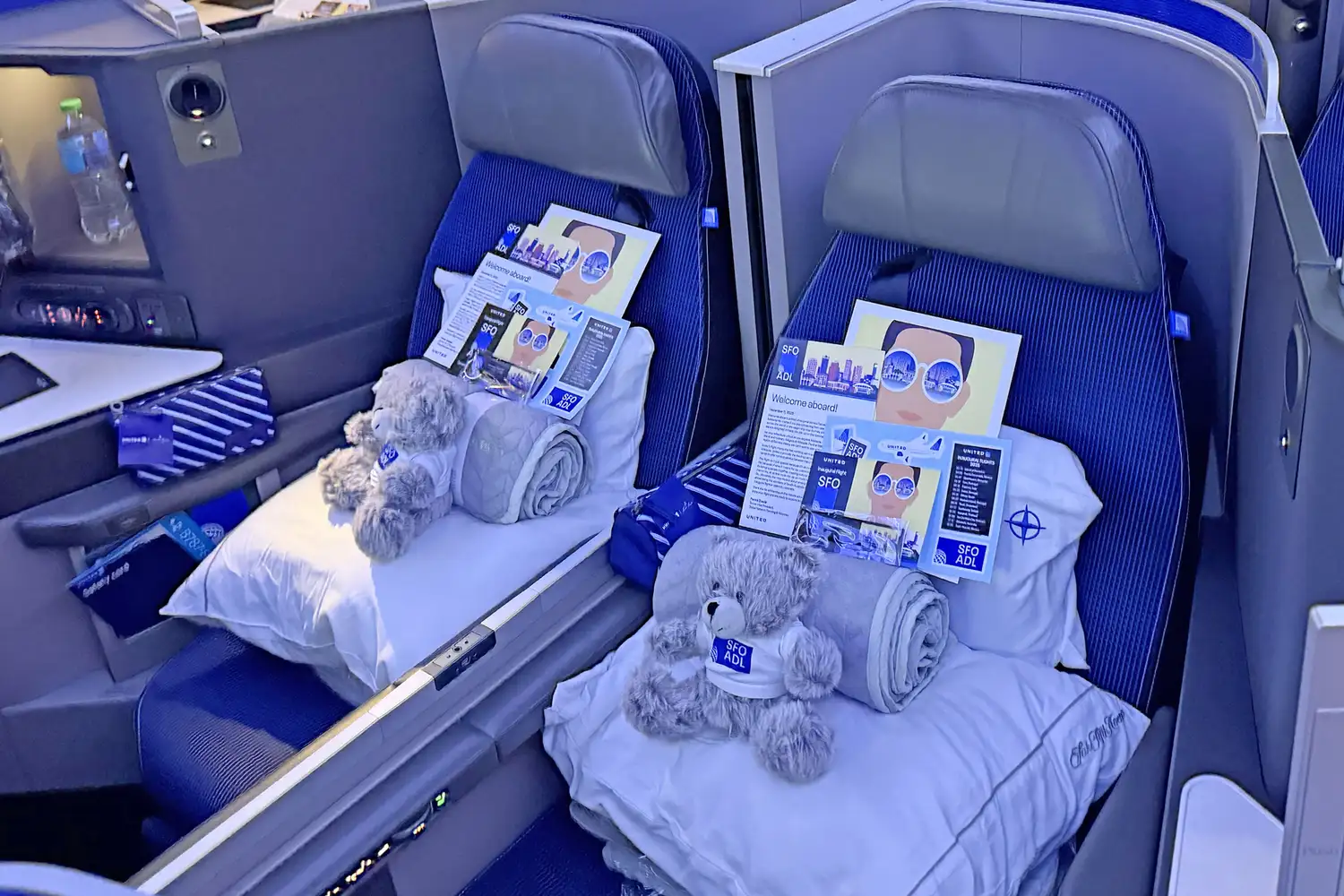
The use of the Boeing 787-9 Dreamliner is a deliberate choice for this long-haul segment. The aircraft’s lower cabin altitude and higher humidity levels are specifically designed to reduce the physical toll of trans-Pacific aviation. For those looking to maximize rest, the United Polaris cabin offers lie-flat seats and direct aisle access, turning a grueling journey into a preparatory retreat for your Australian adventure.
Adelaide: The 20-Minute City Hub
Adelaide is frequently referred to as the "20-minute city" because of its remarkable accessibility. It is the only major Australian capital where you can go from the tarmac to the city center, or from the city center to the beach, in about twenty minutes. For those using an Adelaide travel guide to navigate their first few days, this proximity allows for a remarkably dense itinerary without the stress of urban gridlock.
The city is designed on a grid, surrounded by a ring of lush parklands. We recommend beginning your exploration at the Adelaide Botanic Garden, a 125-acre sanctuary that showcases exotic and native flora, including the spectacular Bicentennial Conservatory. From there, a short walk brings you to the Adelaide Central Market. Established in 1869, this is the sensory heart of the city—a bustling corridor of over 70 traders offering everything from green ant gin to world-class local cheeses and sourdough.
For those interested in the arts and history, the North Terrace cultural precinct houses the Art Gallery of South Australia and the South Australian Museum, providing deep context into the region’s heritage. The city’s dining scene has also undergone a revolution, with laneway bars and "hatted" restaurants (the Australian equivalent of Michelin stars) popping up throughout the CBD. This urban sophistication serves as the perfect jumping-off point for how to plan a south australia trip from the u.s. that balances metropolitan culture with raw natural beauty.
Beyond the City: World-Class Wine in Under an Hour
If Adelaide is the hub, the surrounding wine regions are the spokes that define the South Australian identity. The diversity of terroir within an hour's drive of the city is unparalleled. To the north lies the Barossa Valley, to the south McLaren Vale, and to the east the Adelaide Hills.
The Barossa Valley wine tasting experience is a pilgrimage for lovers of bold reds. This region is home to some of the oldest Shiraz vines in the world, with some dating back to the 1840s. With over 140 cellar doors, the density of viticulture here is astounding. High-end visitors often seek out the historic Seppeltsfield estate or the avant-garde architecture of d'Arenberg's "Cube" in nearby McLaren Vale.
For a completely different profile, the Adelaide Hills offer cool-climate wine, specializing in elegant Chardonnay, Pinot Noir, and sparkling varietals. This region is also home to some of the most impressive eco-luxury accommodation in the country. Sequoia Lodge, perched on the slopes of Mount Lofty, provides guests with panoramic views of the valley and access to private hot springs. These "Refined" experiences provide a sophisticated counterpoint to the "Rugged" landscapes found further afield.
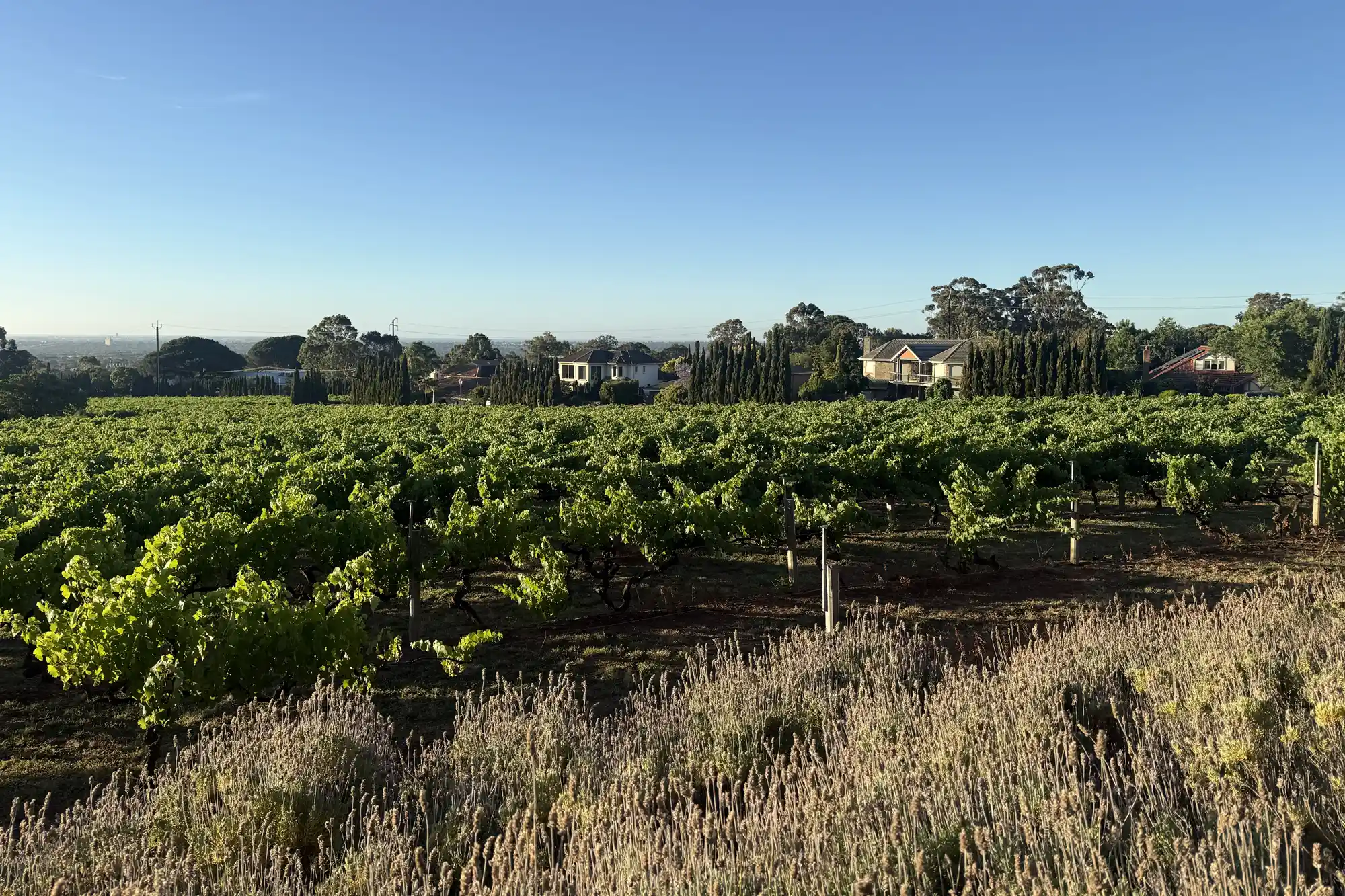
When considering the best barossa valley cellar doors for international visitors, look for those that offer "behind the scenes" tours, such as blending your own vintage or exploring century-old barrel halls. This level of immersion is what elevates a simple vacation into a genuine geographic exploration.
Kangaroo Island: Australia’s Galapagos
No South Australia travel itinerary is complete without a journey to Kangaroo Island. Often described as Australia’s Galapagos, the island is a sanctuary for endemic Australian fauna. Despite its name, the island offers much more than just kangaroos; it is a refuge for koalas, echidnas, and the endangered glossy black cockatoo.
Getting there is part of the experience. You can take a short 30-minute regional flight from Adelaide, or drive down the stunning Fleurieu Peninsula coastline to Cape Jervis to catch the SeaLink ferry. Once on the island, the scale of the wilderness becomes apparent. Flinders Chase National Park occupies the western end of the island, home to the iconic Remarkable Rocks—naturally sculpted granite boulders that sit precariously above the crashing Southern Ocean.
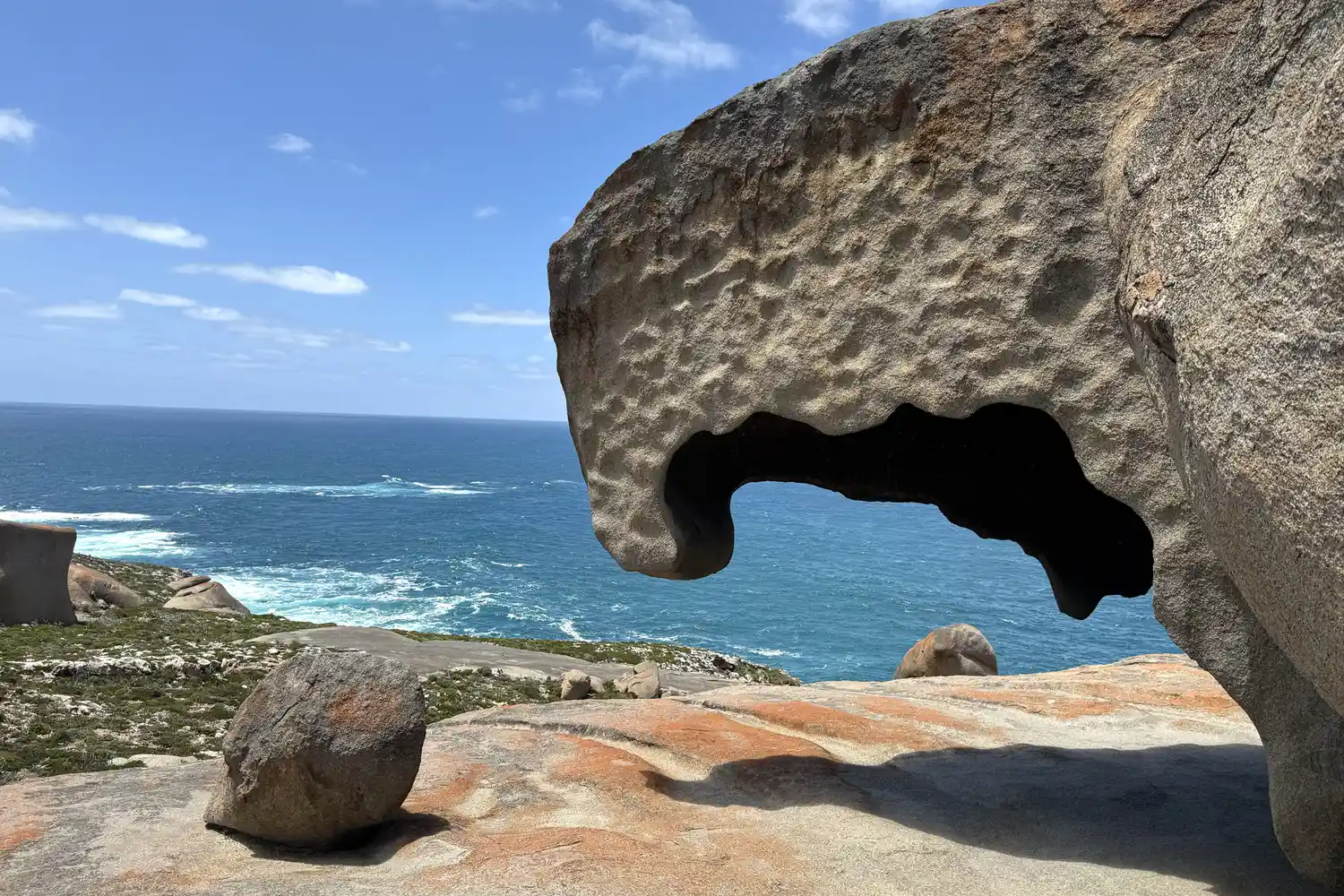
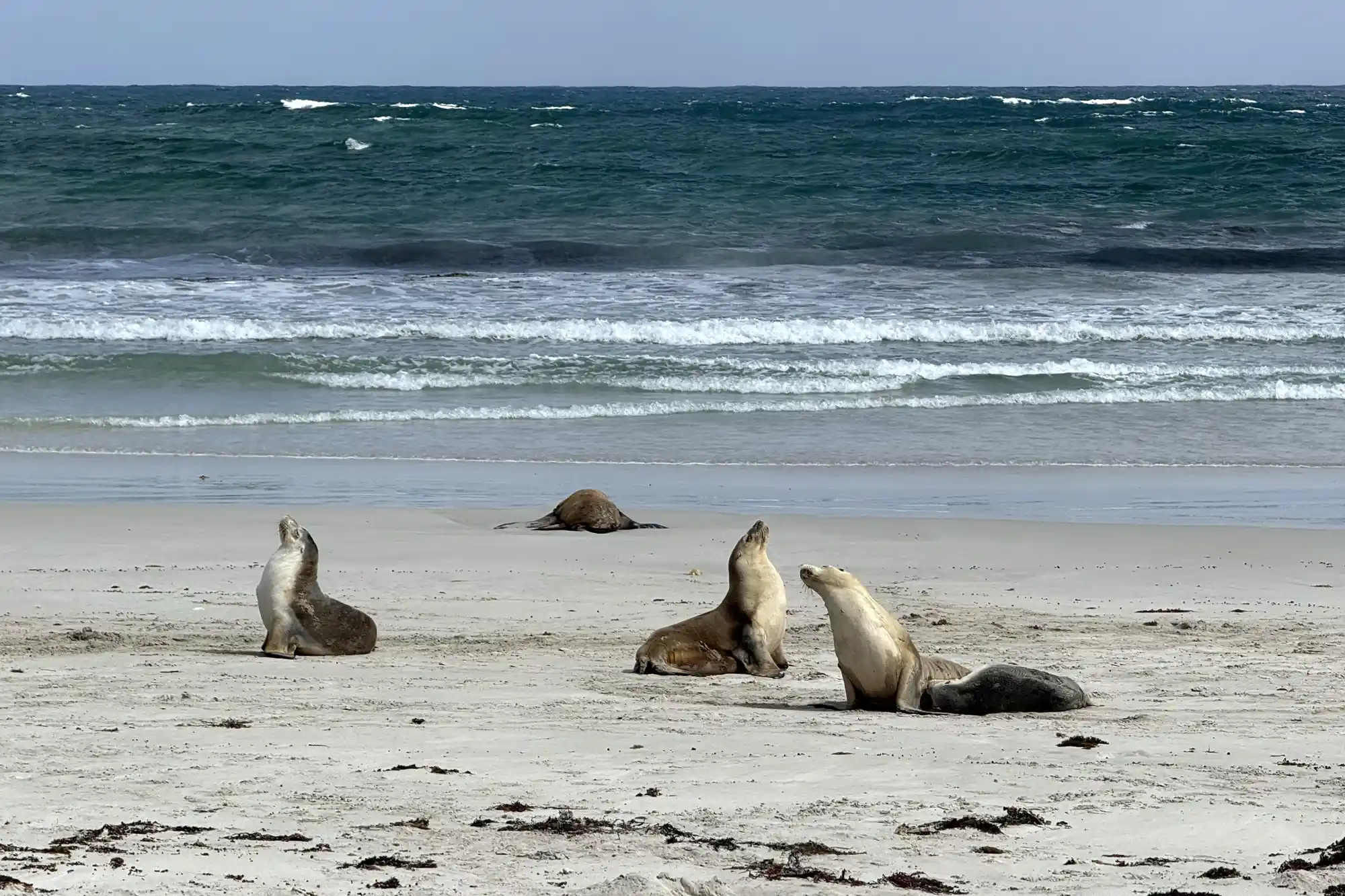
For a comprehensive kangaroo island wildlife spotting guide for first-timers, Seal Bay is an absolute priority. Here, you can walk among a colony of wild Australian sea lions as they rest on the beach after days of hunting in the ocean. It is one of the few places on Earth where you can experience such an intimate encounter with a vulnerable species in their natural habitat.
The island’s culinary scene is equally impressive, centered on hyper-local ingredients like Ligurian honey (the last pure strain in the world), fresh-caught King George Whiting, and local oysters. For those seeking seclusion, the eco-luxury accommodation options here, such as the rebuilt Southern Ocean Lodge, offer world-class sustainability paired with breathtaking coastal views.
FAQ
What is the best way to get around South Australia?
For the most flexibility, renting a car is highly recommended. The roads are well-maintained, and the drives between Adelaide and major regions like the Barossa Valley or McLaren Vale are straightforward. However, for those who prefer not to drive, there are numerous high-quality guided tours that depart daily from the city for wine tasting and wildlife excursions.
How many days do you need to see South Australia?
To truly appreciate the region, we recommend at least 7 to 10 days. This allows for 2 days in Adelaide, 2-3 days exploring the wine regions (Barossa and McLaren Vale), and 3 days for a dedicated trip to Kangaroo Island. If you have more time, extending your trip to include the rugged outback of the Flinders Ranges is a rewarding addition.
Is South Australia worth visiting?
Absolutely. South Australia offers a more relaxed, authentic, and accessible version of Australia than the bustling East Coast. It combines world-class viticulture, unique wildlife encounters that are difficult to find elsewhere, and a burgeoning food scene, all within a compact geographic area that reduces travel fatigue.
What are the top tourist attractions in South Australia?
The primary highlights include the Barossa Valley for wine, Kangaroo Island for wildlife and the Remarkable Rocks, the Adelaide Central Market for foodies, and the stunning beaches of the Fleurieu Peninsula. For nature lovers, Flinders Chase National Park and the Wilpena Pound in the Flinders Ranges are must-visit landmarks.
Do I need a car to travel around South Australia?
While the city of Adelaide is extremely walkable and has a reliable tram and bus system, a car is essential for exploring the regional areas. Public transport to the Barossa Valley or Kangaroo Island is limited, so a rental vehicle or a booked tour is the most practical way to reach these destinations.
With the new SFO-ADL direct flight, the barrier to exploring this extraordinary corner of the world has finally been removed. Whether you are a connoisseur of fine wine, a wildlife enthusiast, or a traveler simply seeking a more streamlined way to experience the Southern Hemisphere, South Australia is ready to welcome you. The 16-hour journey is a small investment for the lifetime of memories that await on the other side of the Pacific.