Quick Facts
- Region: Setouchi (Seto Inland Sea) across Kagawa and Okayama Prefectures.
- Core Trio: The primary islands of Naoshima, Teshima, and Inujima form the heart of the experience.
- Architectural Focus: Heavily features the work of Pritzker Prize winner Tadao Ando.
- Top Attraction: The Chichu Art Museum and Yayoi Kusama's iconic yellow and red pumpkins.
- Major Event: The Setouchi Triennale, with the next festival scheduled for 2026.
- Best Time to Visit: Spring for cherry blossoms or Autumn for mild weather and clear skies.
- Mandatory Planning: Online timed-entry tickets are required for major sites like Chichu and Teshima Art Museum.
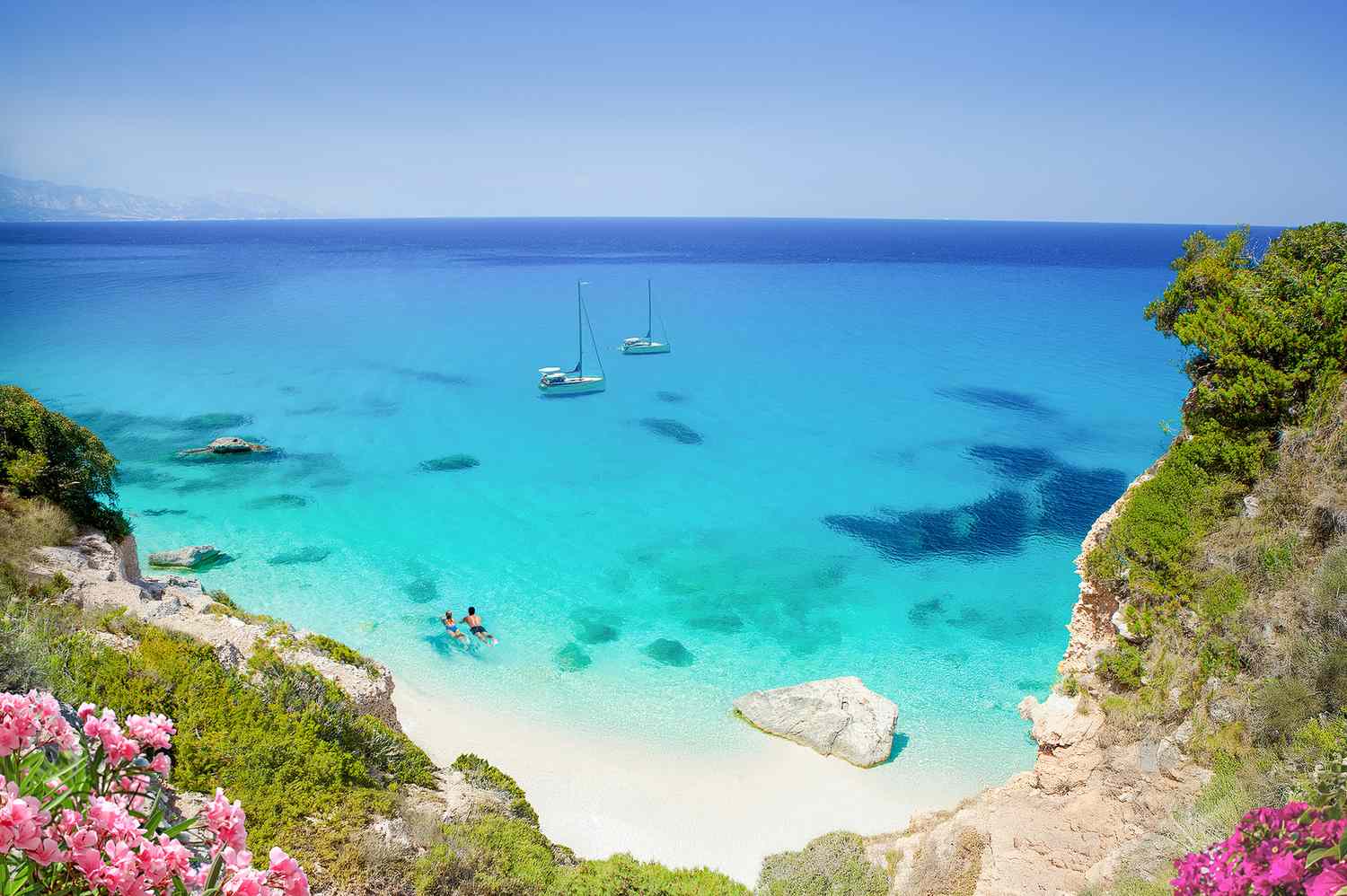
Welcome to the Setouchi art islands, Japan’s most transformative cultural landscape where contemporary masterpieces meet the serene Seto Inland Sea. From Kusama's Yellow Pumpkin to Tadao Ando's concrete wonders, this is a pilgrimage for the soul. The Setouchi art islands, primarily Naoshima, Teshima, and Inujima, feature world-class contemporary art integrated into a rural archipelago, offering a unique fusion of nature and creativity.
There is a specific kind of silence that exists only in the Seto Inland Sea. It is a soft, salt-tinged hush, broken only by the low hum of a ferry or the rhythmic lap of waves against a wooden pier. For decades, these islands were quiet for a different reason—the slow retreat of history as younger generations moved to the cities. But today, they pulse with a new vitality. This is a place where rural depopulation relief has taken the form of world-class architecture and site-specific installations, turning an aging archipelago into a global beacon for the arts.
Naoshima: The Museum Island and Ando’s Legacy
Naoshima is the heart of the movement, a place where the boundary between the gallery and the landscape dissolves. The island is synonymous with Tadao Ando, the master of Japanese minimalism whose concrete structures seem to grow directly out of the earth. His work here is not just about building walls; it is about framing the sky, the sea, and the passing clouds.
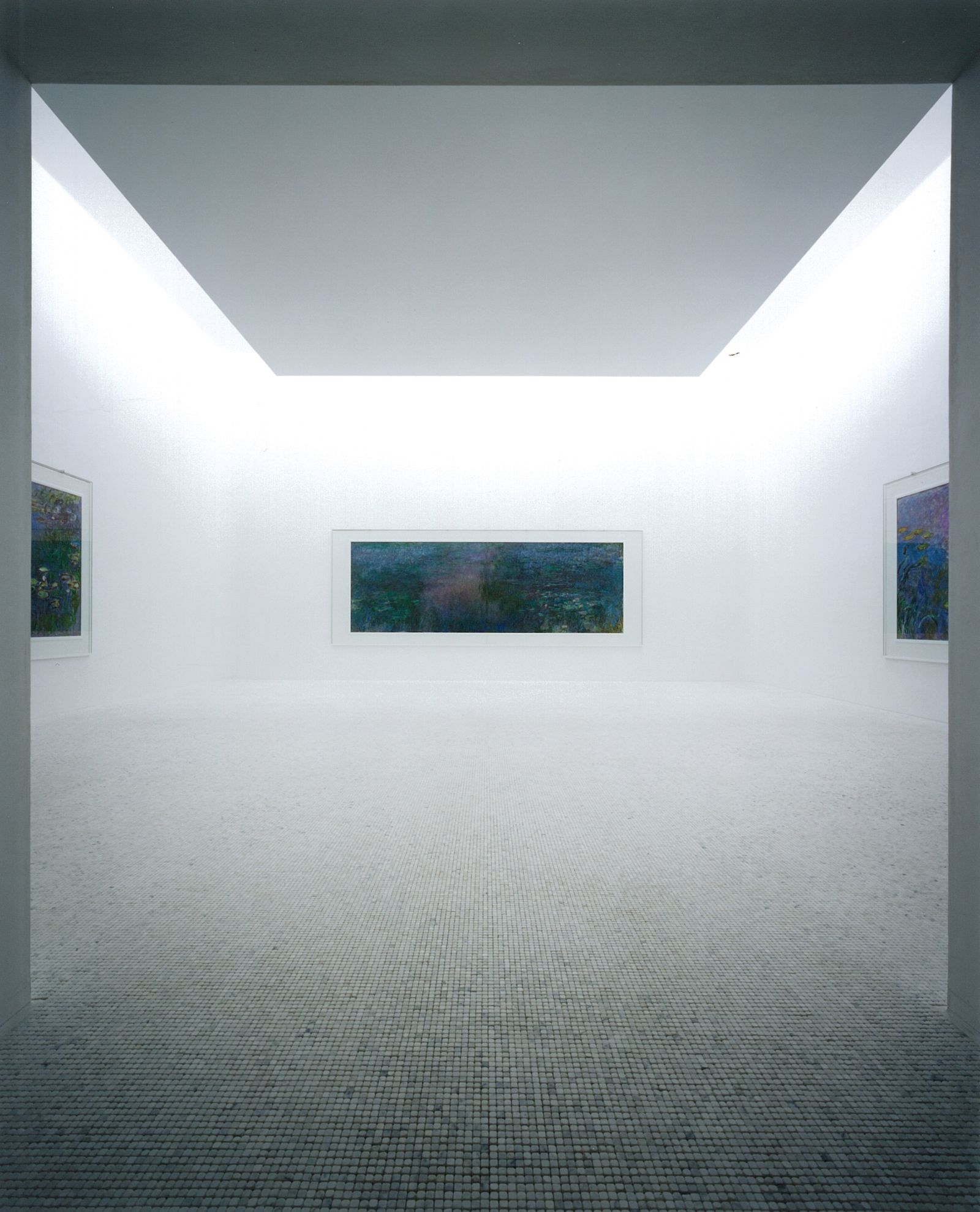
The Chichu Art Museum is perhaps the most profound expression of this philosophy. Built almost entirely underground to avoid disturbing the natural scenery, the museum uses light as its primary medium. Descending into its concrete-carved depths, you encounter daylight filtering through geometric openings, illuminating a series of Claude Monet Water Lilies. Seeing these masterpieces in natural light, just as Monet painted them, is a transcendent experience. Because of its immense popularity, knowing how to book Chichu Art Museum tickets is essential; slots often vanish a month in advance.
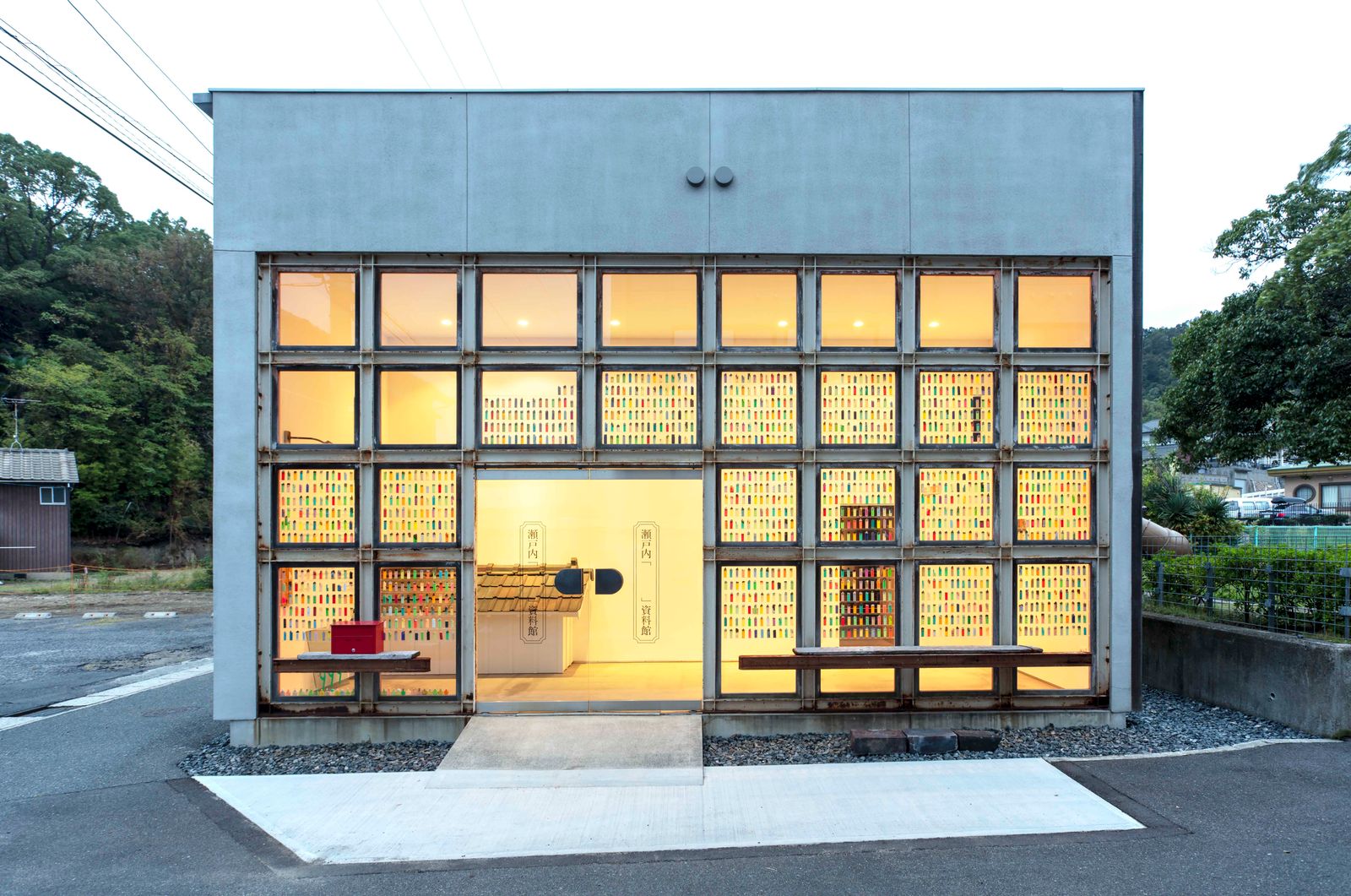
Beyond the major galleries, the Honmura district offers a different kind of immersion. Through the Art House Project, several abandoned house renovation projects have turned traditional village homes into immersive art pieces. Walking through the narrow alleys, you might stumble upon James Turrell’s work inside a dark, ethereal space, or find a centuries-old shrine reimagined with glass stairways.
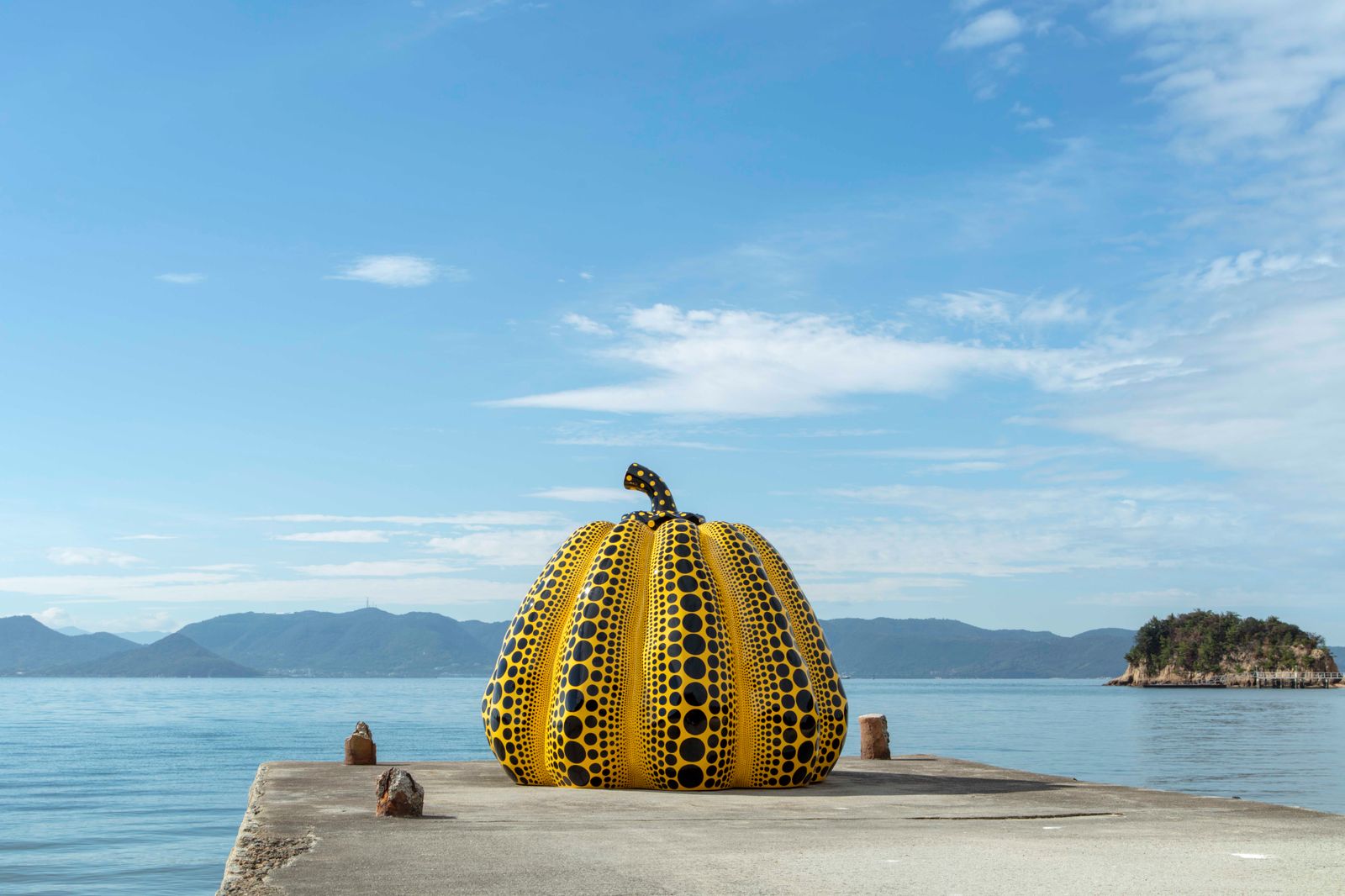
For many, the best time to visit Naoshima for art lovers is during the shoulder seasons when the air is crisp, and a Tadao Ando architecture walk Naoshima feels like a personal conversation with the landscape. While exploring, you will inevitably find yourself at the water’s edge, standing before the Kusama Yellow Pumpkin. It is a bold, whimsical splash of color against the blue horizon, a reminder that art here is meant to be joyful and accessible.
Teshima: Where Nature and Sound Converge
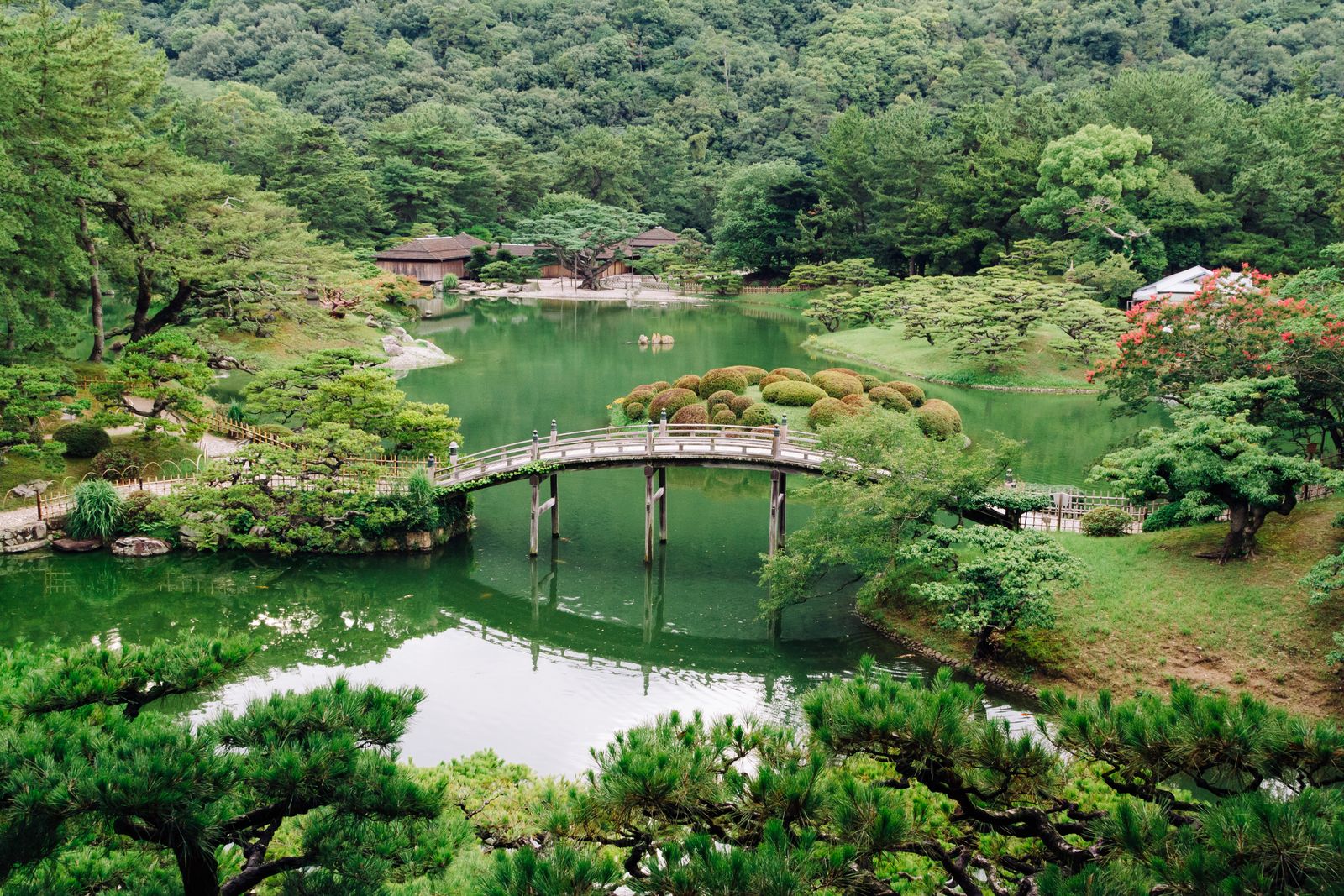
If Naoshima is the intellectual heart of the islands, Teshima is its sensory soul. A short ferry ride away, this island feels wilder, characterized by lush hills and stepped rice terraces. The Teshima Art Museum—a collaboration between architect Ryue Nishizawa and artist Rei Naito—is arguably one of the most beautiful spaces in the world.
The museum is a single, pillarless concrete shell that resembles a drop of water. Inside, there are no paintings on the walls. Instead, the art is the architecture itself and a delicate installation titled "Matrix," where tiny beads of water emerge from the floor, dancing and merging in a silent, choreographed play. The rules here are strict: no photography and absolute silence. It is an exercise in the slow travel aesthetic, forcing you to simply be present.
Pro-Tip: Teshima is best explored via e-bike. The roads are hilly, but the coastal views are breathtaking, and an electric motor makes the journey between the harbor and the museum effortless. Always check the Teshima Art Museum entry tips and rules before arriving, as timed arrivals are strictly enforced.
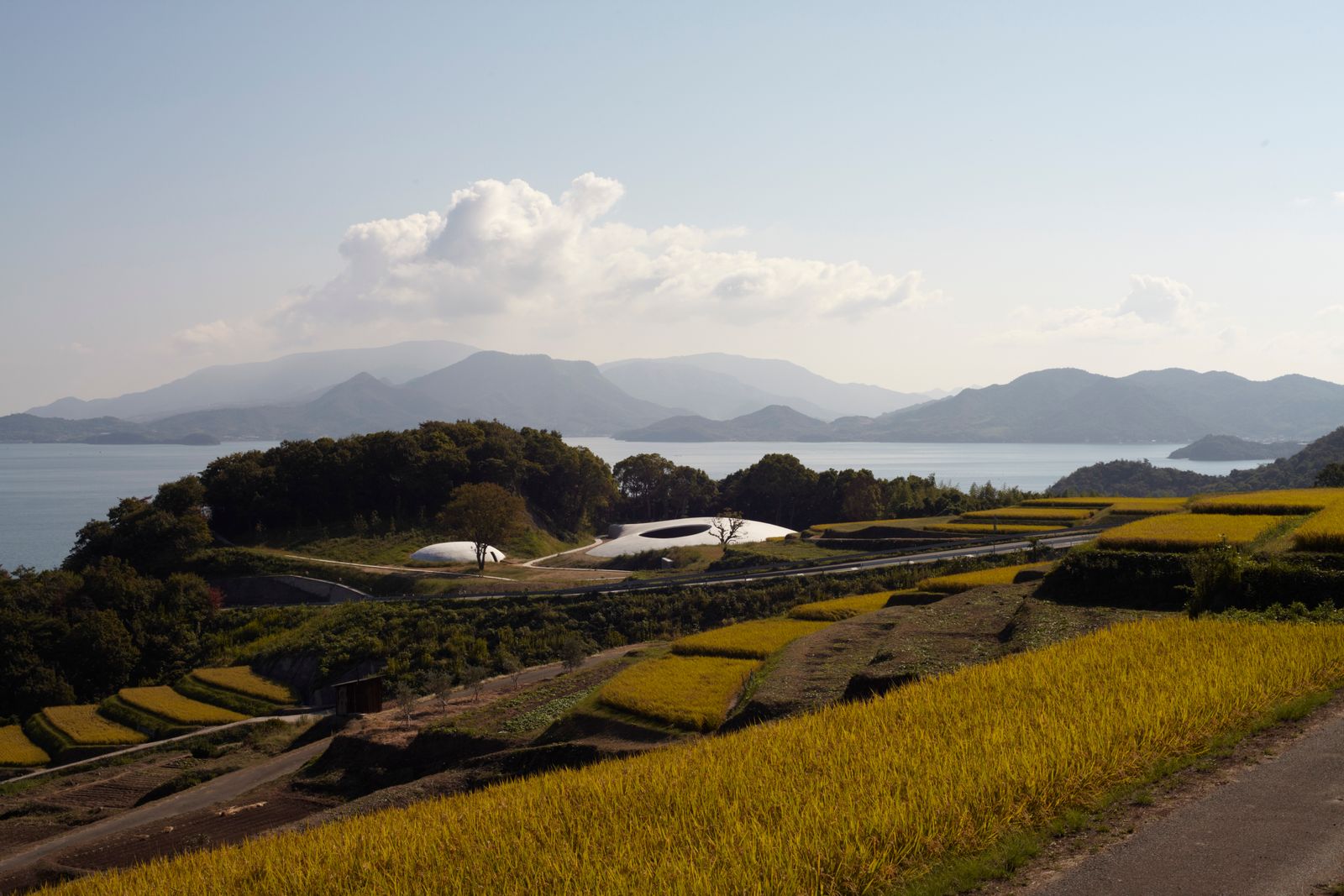
Teshima also plays a vital role in the Naoshima and Teshima museums guide because of its culinary connection. Unlike its more industrial neighbors, Teshima has a rich agricultural heritage. After visiting the museum, stop at a local cafe to taste the island’s bounty—sun-drenched strawberries and fresh citrus that reflect the vitality of the land.
Inujima and Shodoshima: Hidden Gems of the Inland Sea
As travelers seek deeper connections beyond the main hubs, Inujima and Shodoshima offer compelling stories of transformation. Inujima is home to the Seirensho Art Museum, a stunning project built within the ruins of a former copper refinery. It is a hauntingly beautiful site where industrial decay meets modern environmental architecture, utilizing solar and geothermal energy to sustain the gallery space.
Meanwhile, Shodoshima, the largest of the islands, provides a broader cultural canvas. Known for its olive groves and soy sauce production, it blends outdoor sculptures with traditional crafts. During the festival years, Shodoshima hosts dozens of pieces that span from bamboo installations in mountain valleys to contemporary murals in historic warehouses.
The evolution of these islands has been nothing short of miraculous. The Setouchi Triennale, a major contemporary art festival held every three years, reached a record-breaking attendance of approximately 1.18 million visitors in 2019. This influx of creativity has revitalized local businesses and brought life back to once-fading ports. Looking ahead, the 2025 and 2026 editions are set to showcase a record-breaking 256 art pieces, representing the largest number of works in the festival's history. For those seeking a deeper dive, Setouchi Triennale 2026 visitor recommendations often suggest spending at least a full week to appreciate the diversity of these smaller, quieter outposts.
Planning Your Art Pilgrimage: Logistics and Tips
Navigating the Setouchi region requires a blend of spontaneity and precision. Most travelers begin their journey either from Takamatsu on Shikoku or Uno port in Okayama. These ports serve as the primary gateways, with daily ferries connecting to Miyanoura Port on Naoshima.
- Transport: While on the islands, renting an e-bike is the gold standard. It allows for a flexible Seto Inland Sea island hopping itinerary, letting you stop for a hidden beach or a roadside cafe at a moment's notice.
- Accommodation: For those who want to live within the art, staying at the Benesse House on Naoshima is the ultimate luxury. It offers 24-hour access to certain galleries and the chance to wake up to the sight of sculptures on the lawn.
- Timing: Be mindful that many museums close on Mondays or Tuesdays. Always verify the schedule of Naoshima and Teshima museums in advance to avoid disappointment.
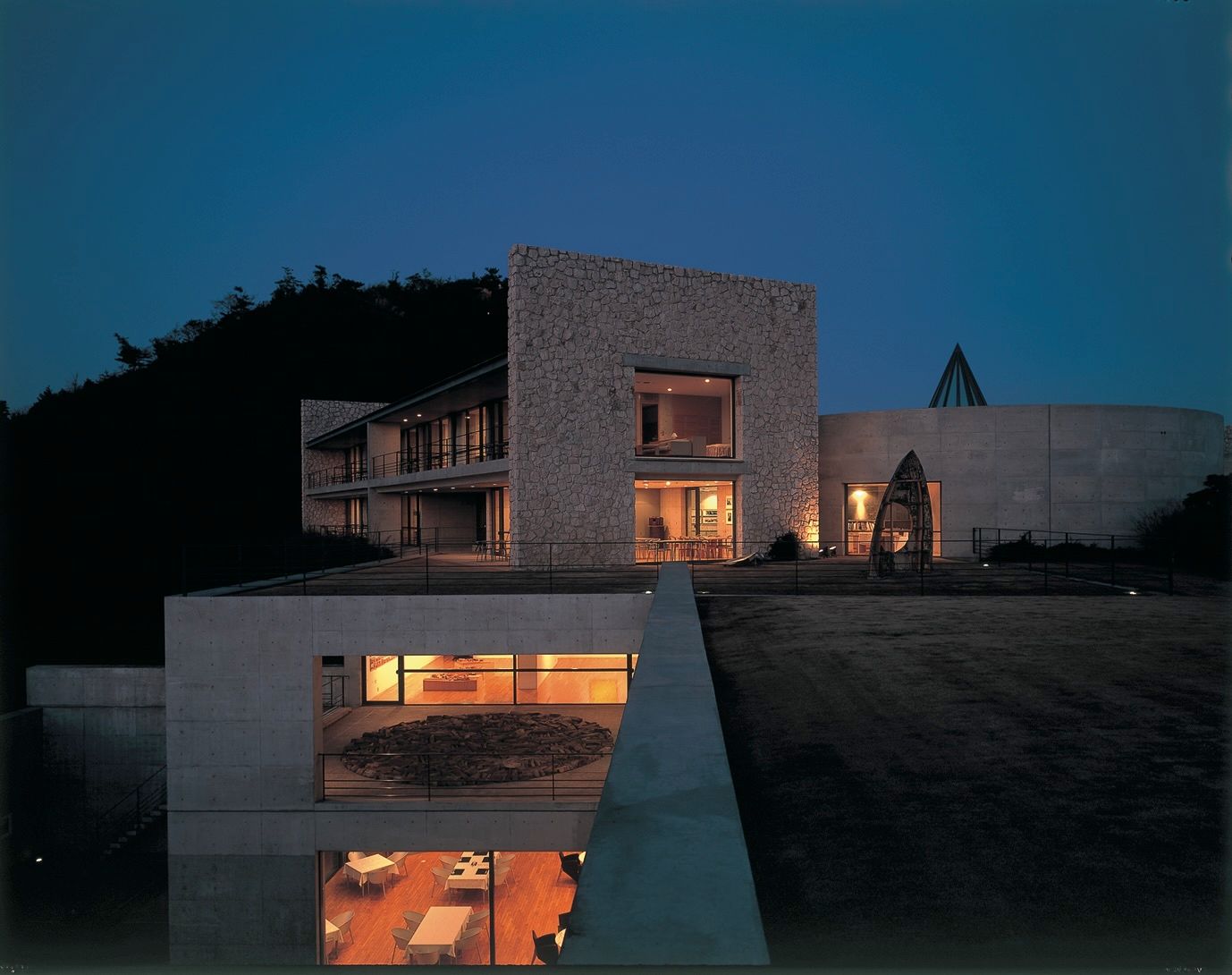
The Benesse Art Site Naoshima project has successfully transformed these landscapes. For instance, the Teshima Art Museum alone attracted over 100,000 visitors in 2019, proving that even the most remote corners of Japan can become global cultural landmarks through thoughtful design.
FAQ
Which Setouchi art island is the best to visit?
If you only have one day, Naoshima is widely considered the best to visit because it has the highest concentration of museums, including the Chichu Art Museum and the Benesse House. However, for those who prefer a more nature-integrated and peaceful experience, Teshima is often cited as the most emotionally moving.
How many days do you need to see the Setouchi art islands?
To truly appreciate the core islands without rushing, we recommend at least three full days. This allows one day for Naoshima, one for Teshima, and a third to explore Inujima or Shodoshima. If you are visiting during the Triennale, five to seven days are ideal to see the more distant installations.
Do you need to book museum tickets in advance for the art islands?
Yes, advanced planning is critical. Major attractions like the Chichu Art Museum and the Teshima Art Museum operate on a timed-entry system, and tickets must be booked online, usually about a month in advance. Walk-in tickets are rarely available during peak seasons.
What is the Setouchi Triennale art festival?
The Setouchi Triennale is a large-scale contemporary art festival held every three years across 12 islands and two ports in the Seto Inland Sea. It features site-specific installations, performances, and architectural projects designed to revitalize the rural region. The next major edition is scheduled for 2026.
How do you get to the Japan art islands from Tokyo or Osaka?
From Tokyo or Osaka, take the Shinkansen to Okayama Station. From there, take a local train to Uno Port for the ferry to Naoshima or Teshima. Alternatively, you can fly into Takamatsu Airport and take a bus to Takamatsu Port, which offers frequent ferry services to the islands.
The Setouchi art islands represent more than just a destination; they are a testament to the power of human imagination to heal and restore. As you sail away from the islands, watching the sun dip behind the silhouettes of distant mountains, you carry with you the quiet power of the art—and the sea. For those already looking toward the future, these islands remain a dream waiting to be explored.