Quick Facts
- Best Time: April to May is the local choice for settled weather and significantly fewer crowds.
- Island Ratio: Spend 1/3 of your time on the North Island and 2/3 on the South Island to witness the most dramatic landscapes.
- Must-Have: Budget for NZD 76-82 for every 1,000km if you are opting for a diesel vehicle to cover the Road User Charge (RUC).
- Top Local Stop: Visit the black-sand beach of Piha to experience authentic surfing culture and rugged coastal beauty.
- Booking Window: Secure your rental vehicle and inter-island ferry space 3-6 months in advance for the 2026 summer season.
- Travel Buffer: Always add a 15 percent time buffer to your digital map estimates to account for elevation and winding roads.
The best way to explore New Zealand is via a self-drive New Zealand road trip, which provides the freedom to reach remote artisanal markets, boutique lodges, and rugged coastlines like those in Aotearoa's South Island that are inaccessible to tour buses. Exploring New Zealand by car provides the freedom to access majestic coastal roads, hidden surf beaches, and remote boutique lodges that public transport cannot reach. From the black-sand beaches of Piha to the high-country vineyards of Central Otago, a self-drive journey allows travelers to follow the local rhythm, discover artisanal markets, and navigate the diverse terrain at their own pace.
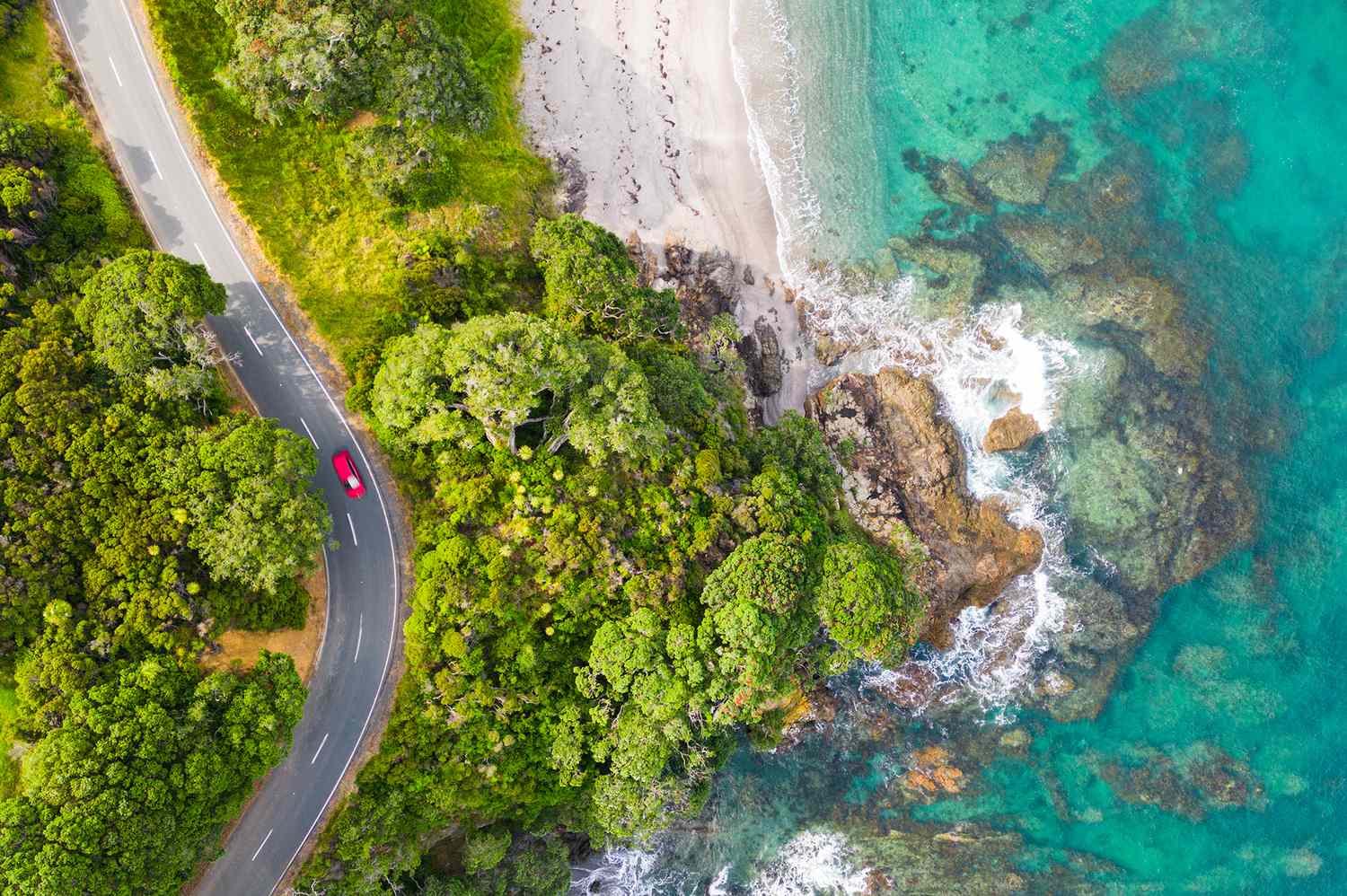
Start your Aotearoa adventure with the definitive guide to a New Zealand road trip. Based on 27 years of local residency, this guide helps you navigate everything from renting a car in New Zealand requirements 2026 to discovering hidden gems public transport can't reach. Having lived here nearly three decades, I have seen the tourism landscape shift, but one thing remains constant: the true soul of this country is found at the end of a long, gravel driveway or on a coastal bend where the cell signal fades.
Official data shows that overseas visitor arrivals to New Zealand reached 3.58 million in the year ending February 2026, with travelers staying longer and opting for multi-destination itineraries. This shift reflects a growing desire to see more than just the postcard icons. When you take the wheel yourself, you join the most popular way to see the country. In fact, self-drive travel remains the dominant mode of exploration for international visitors, supporting a car rental industry that reached NZD 2.3 billion in 2025.
The Local's Logistics: Renting and Driving in 2026
If you are planning a visit, understanding the renting a car in New Zealand requirements 2026 is your first hurdle. Generally, you must be at least 21 years old and hold a valid English-language license. If your license is in another language, an international driving permit is mandatory. While big global brands are present at every airport, I often suggest looking at local operators like Go Rentals. They frequently offer more transparency regarding local insurance needs and the specific quirks of our geography.
One technical detail that catches many off-guard is the difference in fuel types. While petrol prices are straightforward at the pump, diesel vehicles in New Zealand are subject to a Road User Charge (RUC). As of 2026, this is not included in the fuel price. Instead, you pay an additional fee—usually between NZD 76 and NZD 82 for every 1,000 kilometers driven. Most rental agencies will settle this amount with you at the end of your trip based on your odometer reading. Understanding New Zealand road user charges for diesel rentals before you sign the contract will save you from a surprise fee at the airport drop-off.
For those looking toward the future, the electric vehicle charging stations infrastructure is now robust enough for a full circumnavigation of both islands. Most major towns feature rapid chargers, and many boutique lodges have installed overnight ports. If you choose an EV, use a dedicated charging app to ensure you can reach the next station comfortably across the more remote mountain passes.
| Vehicle Type | Estimated Daily Hire (NZD) | Additional Costs | Best For |
|---|---|---|---|
| Compact Petrol | $85 - $110 | Standard Fuel | Solo travelers & couples |
| SUV Diesel | $120 - $160 | RUC ($76+/1000km) | Families & mountain terrain |
| Electric (EV) | $130 - $175 | Charging fees (~$20/full) | Sustainability-focused |
| Campervan | $250 - $450 | Campsite fees | Maximum flexibility |
The 1-Hour Radius Strategy: Escaping the Hubs
Most visitors make the mistake of staying "in" the city. After 27 years here, my advice is to use Auckland or Queenstown as mere anchors. The best way to use a self-drive New Zealand travel guide is to follow the 1-hour escape rule. If you are in Auckland, don't just walk Queen Street. Within sixty minutes, you can be at the Matakana farmers market or walking the Brick Bay sculpture trail. This area is home to incredible native bush landscapes and a sophisticated food scene that feels world-class yet humble.
Even further west, the Piha surf culture offers a glimpse into the rugged, untamed spirit of the North Island. The black-sand beaches here are iconic, but the narrow winding terrain leading to them requires a careful hand on the wheel. This is the New Zealand hidden gems road trip experience that tour buses simply cannot provide.
Down south, the strategy remains the same. Queenstown is the hub, but the magic happens in the surrounding areas. A short drive away lies Arrowtown, a historic gold-mining village that looks spectacular in the autumn gold. Further into the hills, you will find the Central Otago vineyards. This region produces some of the world’s finest Pinot Noir, and many of the smaller, family-run estates are only reachable by car. Research shows that international tourists who engage in freedom camping or self-drive tours visit an average of 6.2 regions across New Zealand, which is double the number of regions visited by the general visitor population. This is how you find the heart of the country.
Navigator's Reality Check: Safety and Timing
Driving in Aotearoa is a joy, but it comes with a set of rules that must be respected. First and foremost, we drive on the left. For those coming from the US or Europe, these tips for driving on the left in New Zealand for tourists are vital: always keep the driver in the middle of the road, and be extra cautious at roundabouts.
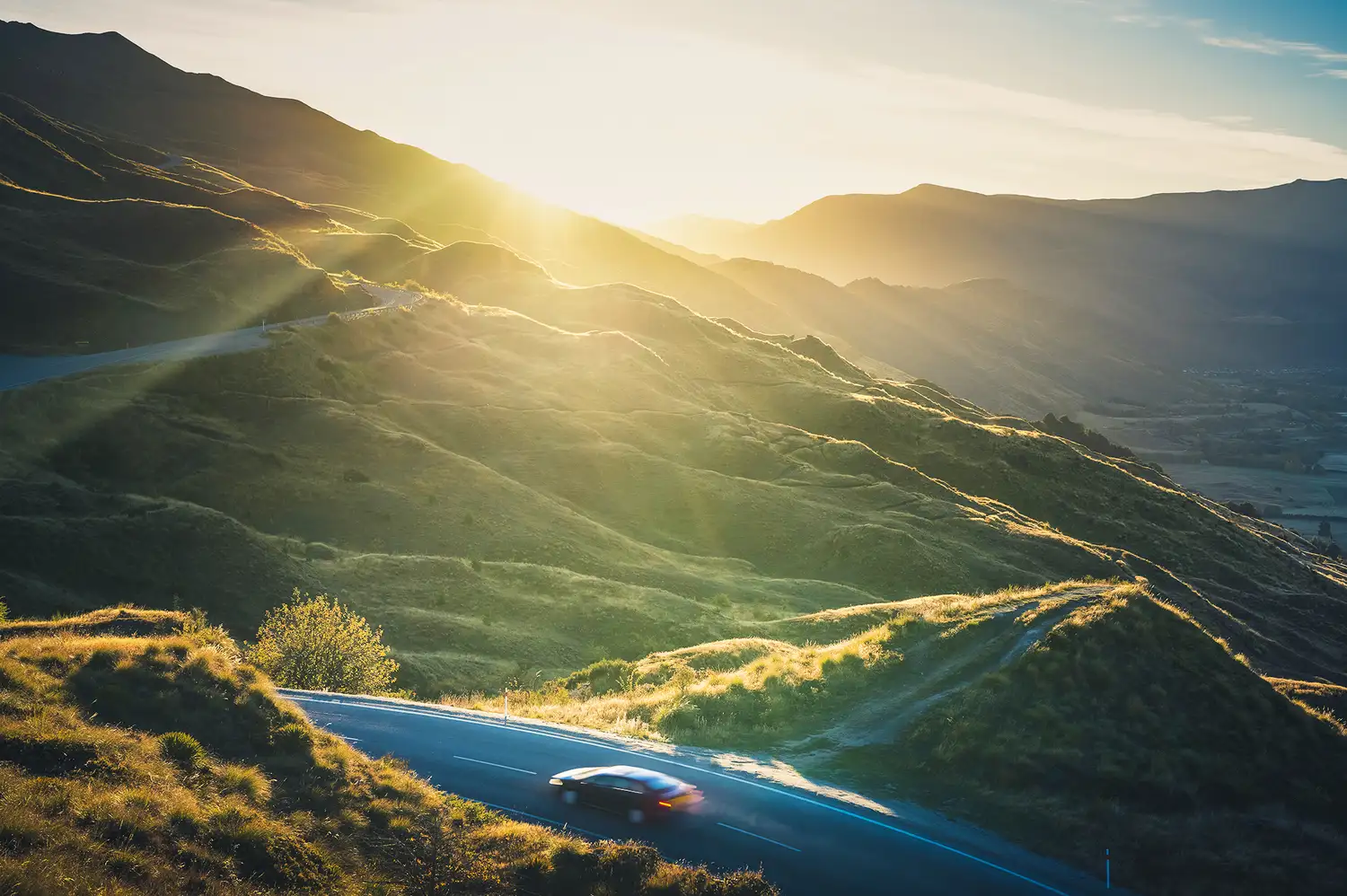
The biggest mistake travelers make is trusting their GPS blindly. Because of our topography, including ranges like The Remarkables range and various alpine passes, the realistic New Zealand road trip travel times vs google maps often differ by 15 to 20 percent. A 100-kilometer stretch that might take an hour elsewhere could take two hours here due to one-way bridges, steep inclines, and sharp corners.
Safety also means knowing when not to drive. Never attempt a long drive on "Day 0" after a 12-hour flight. Jet lag is a major factor in road accidents involving visitors. Sleep in the city first, then pick up your vehicle. If you are moving between the North and South islands, you will need to book the Inter-island car ferry. In 2026, booking this ferry is as important as booking your flight; spaces for cars disappear months in advance during the summer peak.
Finally, be mindful of Māori heritage and local land. Many of the most beautiful coastal spots are significant to local iwi. If you see signs indicating a place is "tapu" (sacred) or restricted, respect them. The best way to explore is to tread lightly and leave no trace.
FAQ
How many days do you need for a New Zealand road trip?
To truly appreciate both islands, 21 days is the local recommendation. This allows for a 7-day North Island loop and a 14-day South Island exploration. If you only have 10 days, it is better to focus entirely on one island rather than rushing through both and spending all your time behind the wheel.
Is it easy for tourists to drive in New Zealand?
The roads are well-maintained, but they are often narrow and winding. While the traffic volume is low compared to major global cities, the physical demands of the terrain mean you must stay focused. If you are comfortable with mountainous roads and can adapt to driving on the left, you will find it manageable and highly rewarding.
What is the best month to do a road trip in New Zealand?
From a local perspective, the best time for a New Zealand road trip from a local perspective is late April or early May. The summer crowds have vanished, the weather is often crisp and clear, and the autumn colors in places like Central Otago are breathtaking.
Is it better to rent a car or a campervan in NZ?
This depends on your comfort level. A car combined with boutique lodges or hotels offers more comfort and is easier to maneuver on tight mountain roads. A campervan offers the ultimate freedom but requires you to stay in designated holiday parks or freedom camping zones, which have become more strictly regulated in recent years.
Are there many toll roads in New Zealand?
No, there are very few. There are currently only three toll roads, all on the North Island: the Northern Gateway Toll Road (north of Auckland), the Tauranga Eastern Link Toll Road, and the Takitimu Drive Toll Road. Most can be paid online within five days of travel, and they are clearly signposted.
Plan Your Adventure with a Local Perspective
The most significant piece of advice I can give after 27 years of living in this beautiful corner of the world is to slowed down. A New Zealand road trip is not a checklist of sights to be ticked off; it is a rhythm to be felt. Whether you are navigating the high-country roads near Aoraki/Mount Cook or stopping for a flat white at a hidden roadside cafe in the Wairarapa, the goal is to be present.
As we look toward the 2026 travel season, the infrastructure for self-drive enthusiasts has never been better. With reliable EV charging nodes and a refined car rental market, the barriers to entry are low, yet the rewards remain as high as ever. Book your ferry early, mind the RUC requirements for your diesel SUV, and always give yourself that extra hour to stop and admire the view. Aotearoa is waiting for you to discover it at your own pace.