Quick Facts
- Iconic Ranking: Ranked as the #1 most iconic skyline in Asia and #4 globally with a 7.84/10 score.
- Skyscraper Capital: Approximately 77% of all tall buildings in India exceeding 150 meters are located in Mumbai.
- Construction Boom: The city currently leads the world with over 200 skyscrapers under construction as of late 2025.
- Architecture Depth: Home to the second-largest concentration of Art Deco buildings globally, following only Miami.
- Photography Window: Optimal shooting conditions occur during the transition between 4:30 PM and 7:00 PM.
- Aesthetic Secret: The city's visual appeal is driven by an mathematical alignment with the Golden Ratio.
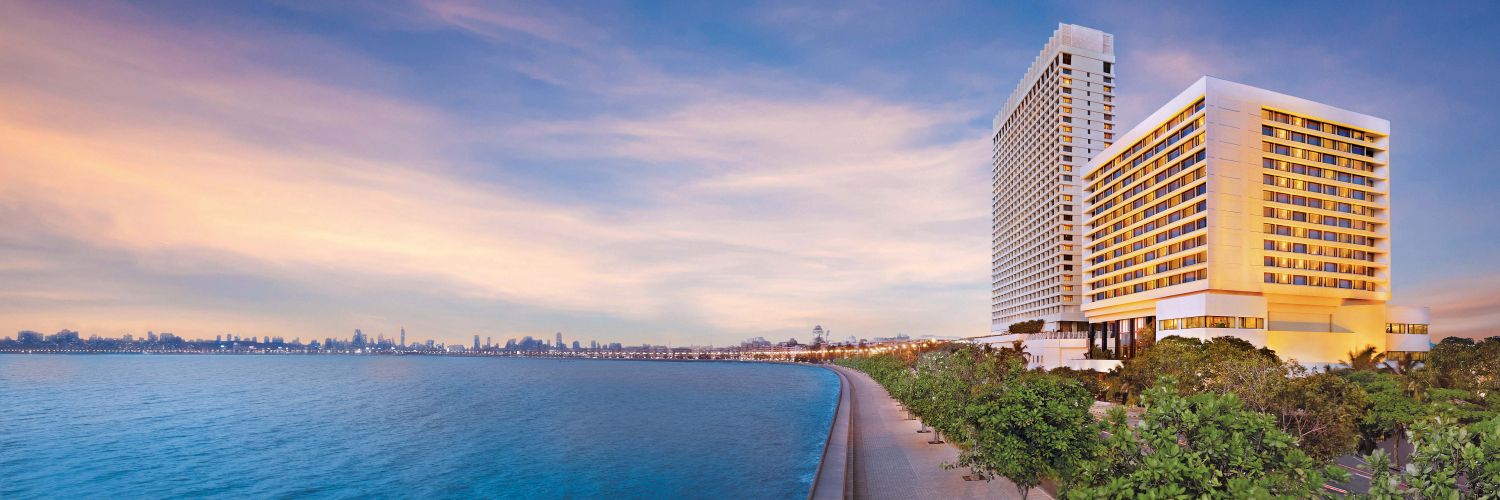
Mumbai is officially the most iconic skyline in Asia, surpassing established hubs like Singapore and Tokyo. With a unique blend of UNESCO World Heritage architecture and modern verticality, the Mumbai skyline offers a visual aesthetic that aligns with the Golden Ratio. From the Marine Drive promenade to the Bandra-Worli Sea Link, this guide explores the best viewpoints and the data-driven reasons behind its top global ranking.
The Architecture of an Icon: From Gothic to Glass
To understand why the Mumbai skyline has secured its position as the premier vista in Asia, one must look beyond the height of its towers. The city's aesthetic appeal is rooted in a layered history that transitions from Victorian Gothic and Indo-Saracenic styles to a massive collection of Art Deco heritage. According to recent 2025 data, Mumbai achieved a 7.84 out of 10 score for aesthetic appeal, beating out regional competitors by balancing historical landmarks with a modern financial silhouette.
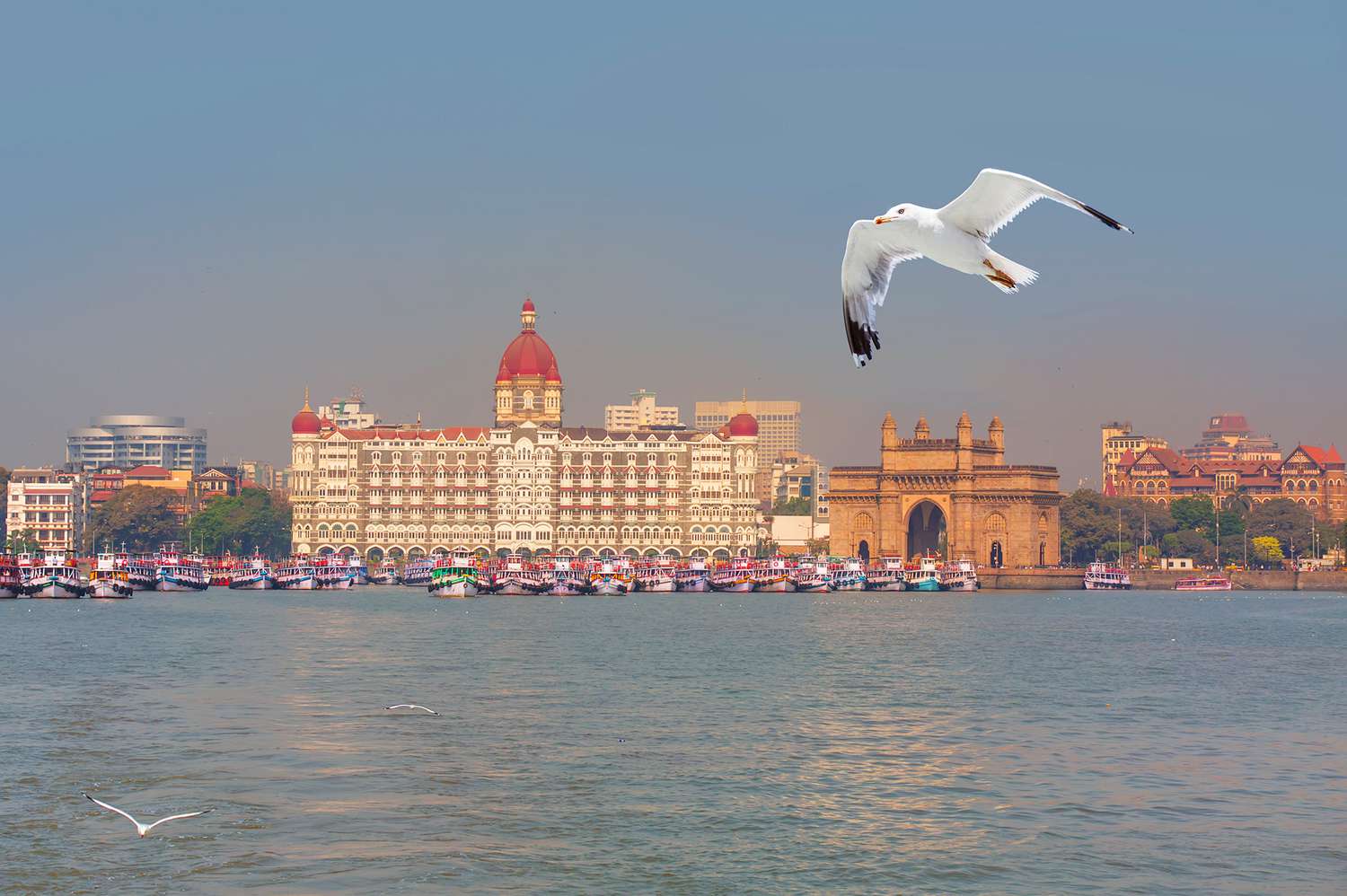
The historical heart of the city, often called South Mumbai (SoBo), houses some of the most iconic Mumbai architecture and landmarks. The Gateway of India, designed in the Indo-Saracenic style, serves as the symbolic entrance to the city. Nearby, the Taj Mahal Palace hotel stands as a triumph of engineering; its structural steel is of the same grade used in the Eiffel Tower. These structures provide a foundational "ground-level" beauty that many newer Asian cities lack. Moving north, the city transforms into a vertical powerhouse. In districts like Nariman Point, the traditional landscape gives way to high-density financial clusters that define the modern urban face of India.
What truly sets the Mumbai skyline architecture guide for historical landmarks apart is the UNESCO World Heritage architecture found at the Chhatrapati Shivaji Maharaj Terminus (CSMT). This Victorian Gothic masterpiece, with its intricate stone carvings and gargoyles, creates a dramatic contrast against the sleek, glass-fronted skyscrapers of the nearby business districts. This juxtaposition of the old world and the new provides a visual depth that makes it one of the most scenic city skylines in Asia.
Expert Tip: When exploring South Mumbai, look for the "Mumbai Gothic" details in the high courts and university buildings. The architectural synergy between the British colonial influence and traditional Indian motifs is what creates the city's unique Golden Ratio alignment.
Best Places for Mumbai City Views: The Ultimate List
Finding the perfect vantage point in a city as dense as Mumbai requires local knowledge. While many tourists flock to the Gateway of India, the true scale of the city is best appreciated from its coastal edges. For those who enjoy a Mumbai versus Singapore skyline for city-view lovers comparison, Mumbai offers a much more rugged, organic coastline that frames the buildings against the Arabian Sea coastline.
Location Meta-Data: Marine Drive
- Best Visit Time: 6:30 PM (Sunset to Blue Hour)
- Heritage Grade: A+ (UNESCO World Heritage Site)
- Photography Rating: 10/10
- Vibe: Social, breezy, and quintessential Mumbai.
The Marine Drive promenade, famously known as the Queen’s Necklace, is arguably the most famous curve in Indian urban geography. At night, the streetlights create a string of "pearls" that illuminate the bay. For a more elevated perspective, the Hanging Gardens on Malabar Hill offer panoramic vistas that encompass the entire southern arc of the city.
For a view that captures the modern engineering marvels of the city, head to Worli Fort. This site provides one of the top viewpoints for Mumbai skyline and sea link sunset, where the cable-stayed bridge appears to cut through the ocean spray. If you prefer a luxury setting, there are several rooftop cafes in Mumbai with iconic skyline views located in Colaba and Lower Parel. These spots provide a bird's-eye view of the skyscraper density while you enjoy the city's burgeoning culinary scene.
Recommended Viewpoints Table
| Location | Primary View | Best Time to Visit |
|---|---|---|
| Bandra Fort | Bandra-Worli Sea Link & Southern Skyline | Late Afternoon |
| Worli Fort | Harbour Sunrise & Bridge Architecture | Early Morning |
| Malabar Hill | The Queen’s Necklace & Marine Drive | Sunset/Night |
| Nariman Point | Financial District Skylines | Evening |
| Gateway of India | Harbour and Taj Mahal Palace | Dawn |
Creator's Guide: Photography Tips & Social Etiquette
Mastering the best time of day for Mumbai skyline photography is essential for capturing the city's true essence. The humidity of the Arabian Sea creates a unique atmospheric haze that can either ruin a shot or provide a stunning, ethereal glow. The most successful images are usually captured during the golden hour lighting between 4:30 PM and 7:00 PM, when the sun dips low enough to reflect off the glass facades of the high-rises in Upper Worli and Dadar.
When learning how to photograph the Bandra Worli Sea Link at night, a tripod is your best friend. However, be aware of local regulations. Many sensitive areas, including certain points near naval installations or the Worli Fort, have restrictions on professional DSLR cameras. Always check for signage or ask local security before setting up heavy equipment. For the best vantage points for the Gateway of India and harbor skyline, consider taking a short ferry ride into the harbor. The motion of the boat makes long exposures difficult, but the perspective of the city rising from the water is unmatched.
Weather also plays a massive role. The period between October and February offers the highest atmospheric clarity. Conversely, the monsoon season (June to September) provides dramatic, moody clouds that make for incredible high-contrast photography if you can protect your gear from the heavy rain.
The Future Skyline: Global Leader in Verticality
The Mumbai skyline is not a static postcard; it is a living, breathing construction site. Currently, the city tops the global list for the most skyscrapers under construction, with over 200 buildings currently rising past the 150-meter mark. This unprecedented expansion is fueled by the city's status as a global financial hub and its limited landmass, which necessitates vertical growth.
Reports from CBRE South Asia indicate that Mumbai accounts for nearly 77% of India's skyline, concentrating the nation's architectural ambition into a single peninsula. For those accustomed to the neatly manicured and planned skylines of the West, the sheer skyscraper density in areas like Lower Parel and Prabhadevi can be overwhelming. Yet, it is this very density, combined with the historic Art Deco heritage of the surrounding neighborhoods, that creates a visual complexity found nowhere else on earth.
As the city continues to build upward, the skyline is becoming more than just a collection of buildings; it's a testament to India's economic trajectory. The transition from the low-slung bungalows of the past to the gleaming glass spires of the future represents a city that is reclaiming its place as the commercial capital of Asia.
FAQ
Where is the best place to see the Mumbai skyline?
The most comprehensive view of the southern city is from Marine Drive, specifically the section near Nariman Point. For a view that includes the modern skyscrapers and the iconic bridge, Bandra Fort is the preferred location for photographers and locals alike.
What are the most iconic landmarks in the Mumbai skyline?
The primary landmarks include the Taj Mahal Palace hotel, the Gateway of India, the Bandra-Worli Sea Link, and the Victorian Gothic spans of the Chhatrapati Shivaji Maharaj Terminus. In terms of modern height, the towers of Palais Royale and World One dominate the central horizon.
Which building is currently the tallest in Mumbai?
As of late 2025, Palais Royale in Worli remains one of the tallest residential structures in the city, though several new projects in the "super-tall" category are nearing completion in the Lower Parel district.
What is the best time of day to photograph the Mumbai skyline?
Golden hour, starting around 4:30 PM, is ideal. The transition from sunset to the blue hour (around 6:45 PM) provides the best balance between the natural sky colors and the artificial lights of the city's skyscrapers and streetlights.
How has the Mumbai skyline changed in recent years?
The skyline has shifted from being dominated by mid-rise colonial-era buildings to becoming a global leader in verticality. With over 200 new skyscrapers under construction, the city has moved its central business hub from the Tip of South Mumbai toward central districts like Worli and Lower Parel, dramatically increasing skyscraper density.