Quick Facts
- The Vanguard: Toyo Eatery (1 Michelin Star)
- The New Entry: Celera (Comunna, Makati)
- The Flavor Profile: Indigenous ingredients like Asin Tibuok and crab fat umami
- The Price Range: $100 - $150 USD per person for tasting menus
- The Booking Window: 2-4 weeks in advance for weekends
- The Culinary Hub: Makati (Karrivin Plaza and Rockwell)
Manila’s culinary evolution is led by acclaimed establishments like Toyo Eatery, Metiz, Hapag, and Celera. Recognized by the Michelin Guide and Asia’s 50 Best Restaurants list, these venues in Makati specialize in modern Filipino tasting menus. They focus on Philippine terroir, utilizing indigenous ingredients and artisanal fermentation to elevate traditional flavors into high-end gastronomic experiences.
Manila's culinary landscape has reached a fever pitch. In 2026, the city's fine dining scene is no longer just about luxury—it’s about identity. Led by establishments like Toyo Eatery and the newly starred Celera, Manila fine dining is redefining Philippine terroir through multi-course gastronomic experiences that blend indigenous heritage with modern technique.
For decades, the standard for luxury in the Philippines was defined by silver service and imported truffles. But a quiet revolution began in the humid alleys and bustling markets of the city, where a new generation of chefs looked inward. They traded French cream for coconut milk and Italian sea salt for the prehistoric shapes of Asin Tibuok. Today, the best modern Filipino tasting menus in Manila are not just meals; they are intricate narratives of an archipelago's soul, served one plate at a time in the sleekest corners of the Makati culinary hub.
Toyo Eatery: The Architect of Modern Heritage
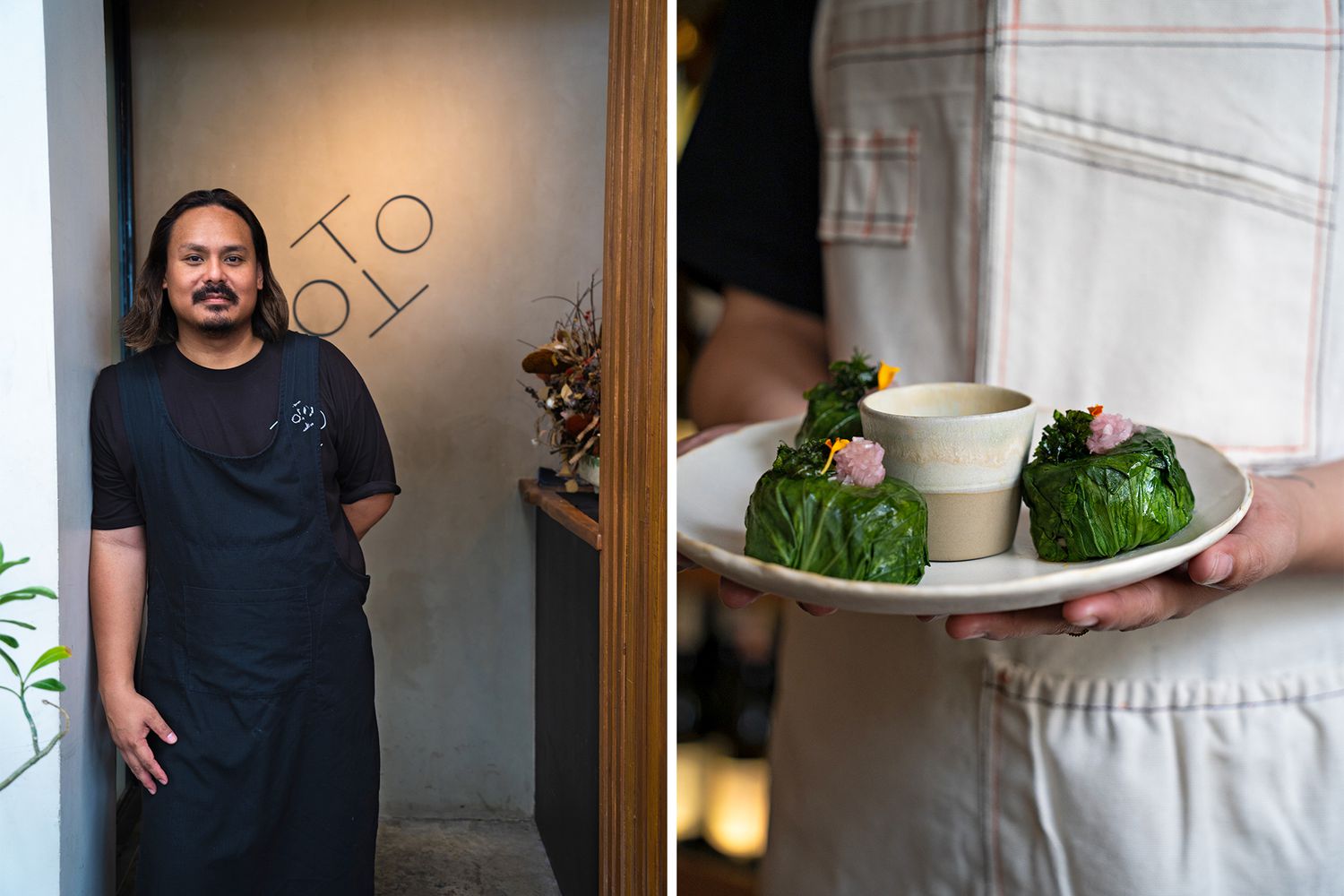
If there is a ground zero for the current gastro-evolution, it is Toyo Eatery. Tucked away in the industrial-chic enclave of Karrivin Plaza, Toyo Eatery has become a permanent fixture on the Asia’s 50 Best Restaurants Manila circuit. Chef Jordy Navarra, the visionary behind the counter, doesn't just cook—he curates memories.
The experience at Toyo is a masterclass in indigenous culinary heritage. Navarra’s genius lies in his ability to take the mundane and make it monumental. Every guest eventually encounters his signature Garden Vegetables dish, inspired by the nursery rhyme Bahay Kubo. In this 18-vegetable composition, Navarra manages to capture the very essence of the Philippine soil. He utilizes native Filipino ingredients like Asin tultul rock salt and heirloom rice varieties to create textures that are both foreign and hauntingly familiar.
The restaurant remains a top choice for those seeking Asia's 50 Best Restaurants Manila booking tips, as the waitlist can stretch for weeks. This is a place where crab fat umami meets the precision of a Michelin star kitchen. It is arguably the most essential stop for anyone wanting to understand why Manila fine dining has finally found its own voice, separate from the colonial echoes of its past.
The Soul of Salt: Asin Tibuok
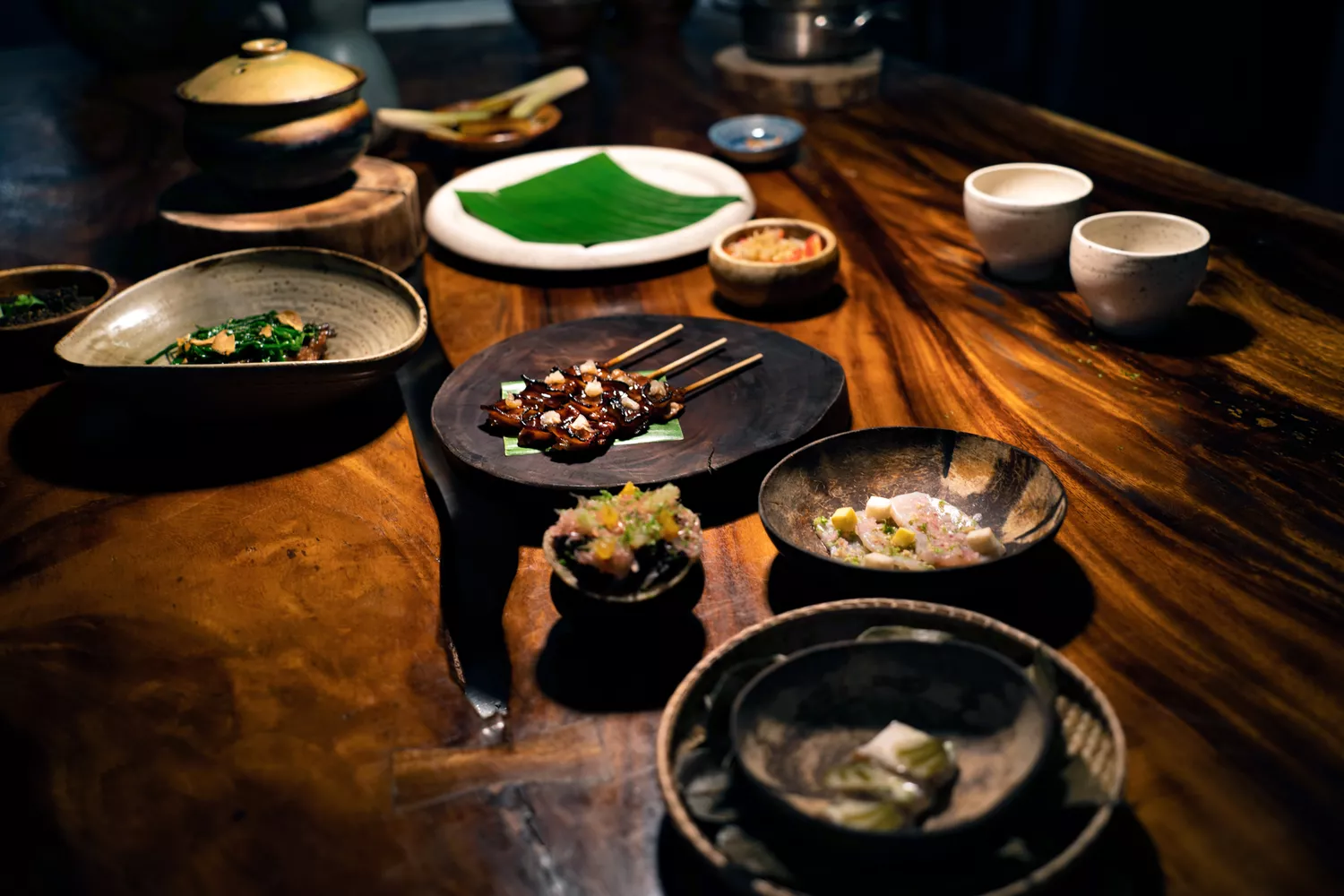
One cannot talk about Toyo without mentioning the salt. Navarra champions Asin Tibuok, a rare, labor-intensive Philippine dinosaur egg salt from Bohol. It is shaved over dishes like a truffle, offering a sharp, smoky salinity that cuts through the richness of his modern Filipino tasting menu. By bringing these dying artisanal traditions to the table, Toyo ensures that the future of Filipino food is deeply rooted in its ancient craft.
Metiz: Masterclass in Artisanal Fermentation
A few doors down from Toyo in Karrivin Plaza lies Metiz, a restaurant that feels more like a high-end fermentation lab than a dining room. Chef Stephan Duhesme has built a temple to the acidic profile that defines Filipino cuisine. At Metiz, the focus is almost entirely on the transformative power of artisanal fermentation.
While other chefs might lean on sweetness or spice, Duhesme explores the infinite spectrum of sourness. His dishes utilize local vinegars, fermented shrimp pastes, and preserved fruits to create layers of flavor that are incredibly complex. Metiz represents the best restaurants in Makati for the adventurous diner—those who want to move beyond the comfort of adobo into the challenging, exhilarating world of Philippine terroir.
The vibe here is focused and minimalist, allowing the native Filipino ingredients to do the talking. It is a multi-course gastronomic experience that rewards curiosity. You might find yourself tasting a dish of fermented mustard leaves paired with local fish that tastes exactly like a rainy afternoon in the provinces, yet looks like art on a custom ceramic plate. It is this dedication to the biology of flavor that makes Metiz a singular destination in the Makati culinary hub.
Hapag: Elevated Street Food Memories
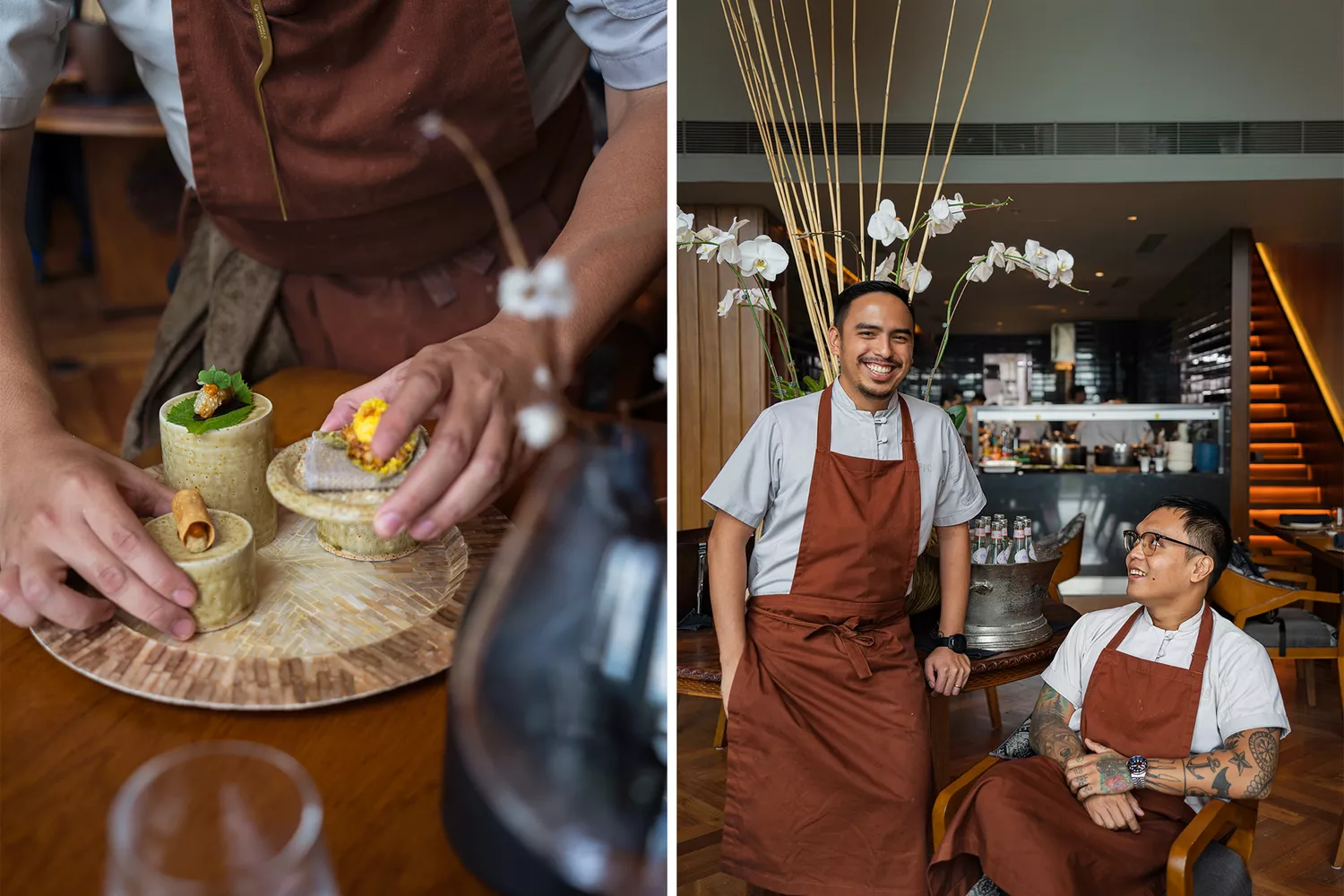
The narrative of Manila fine dining changed significantly when Hapag moved from its original Quezon City home to the prestigious Rockwell district. Chefs Thirdy Dolatre and John Kevin Navoa are the youthful energy of the scene, specializing in what many call elevated street food. They take the chaotic, vibrant energy of Manila’s sidewalks and refine it into something elegant.
A frequent point of discussion among local foodies is the Toyo Eatery vs Hapag Manila restaurant comparison. While Toyo feels academic and philosophical, Hapag feels soulful and celebratory. Their rendition of kwek-kwek—a humble street snack of fried quail eggs—is transformed here into a delicate bite topped with artisanal roe and house-made sauces.
Hapag is one of those fine dining Manila restaurants for special occasions where the atmosphere is as lively as the food. Their modern Filipino tasting menu often features a deep dive into crab fat umami and heirloom rice varieties sourced from the Cordillera mountains. To eat here is to take a high-speed tour of the Philippines, from the bustling streets of the capital to the serene rice terraces of the north.
The Ayà Wine Bar Connection
The transition to Rockwell also heralded the birth of Ayà, Hapag's adjoining wine bar. Here, the focus on modern Filipino tasting menus extends to a curated beverage program that highlights regional Philippine produce, often infused into spirits or paired with small plates. It is a testament to the growing sophistication of the local scene.
Celera: The 2026 Michelin Star Newcomer
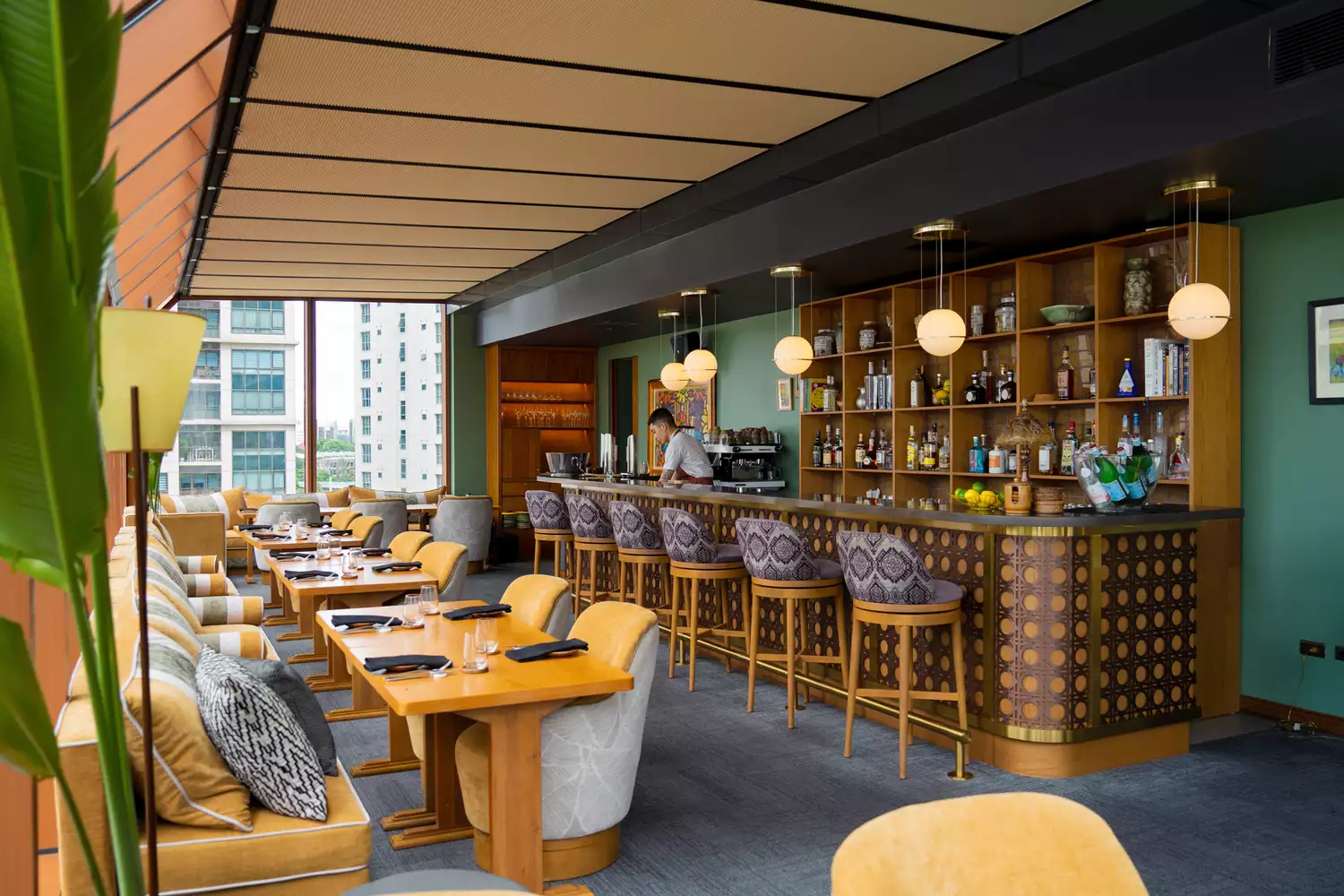
Every year has its breakout star, and for 2026, that star is Celera. Located in the Comunna development in Makati, Celera has quickly secured its spot on the Michelin star restaurants in Makati 2026 list. If Toyo and Metiz paved the way, Celera is walking the path with a new kind of quiet confidence.
The restaurant’s aesthetic is stark and minimalist, reflecting a menu that prioritizes regional Philippine produce above all else. The chefs at Celera have a particular talent for reimagining traditional seafood preparations. They treat local catch with a reverence usually reserved for Japanese omakase, using native Filipino ingredients to accentuate rather than mask the natural flavors.
As one of the best restaurants in Makati for those seeking the next big thing, Celera offers a multi-course gastronomic experience that feels entirely contemporary. It avoids the clichés of tropical fusion, opting instead for a rigorous exploration of what it means to be a modern Filipino restaurant in a global city. Their use of local citrus varieties like calamansi and dayap creates a bright, electric finish to their heavier meat courses, proving that balance is the ultimate luxury.
Beyond the Table: Natural Wine & Logistics
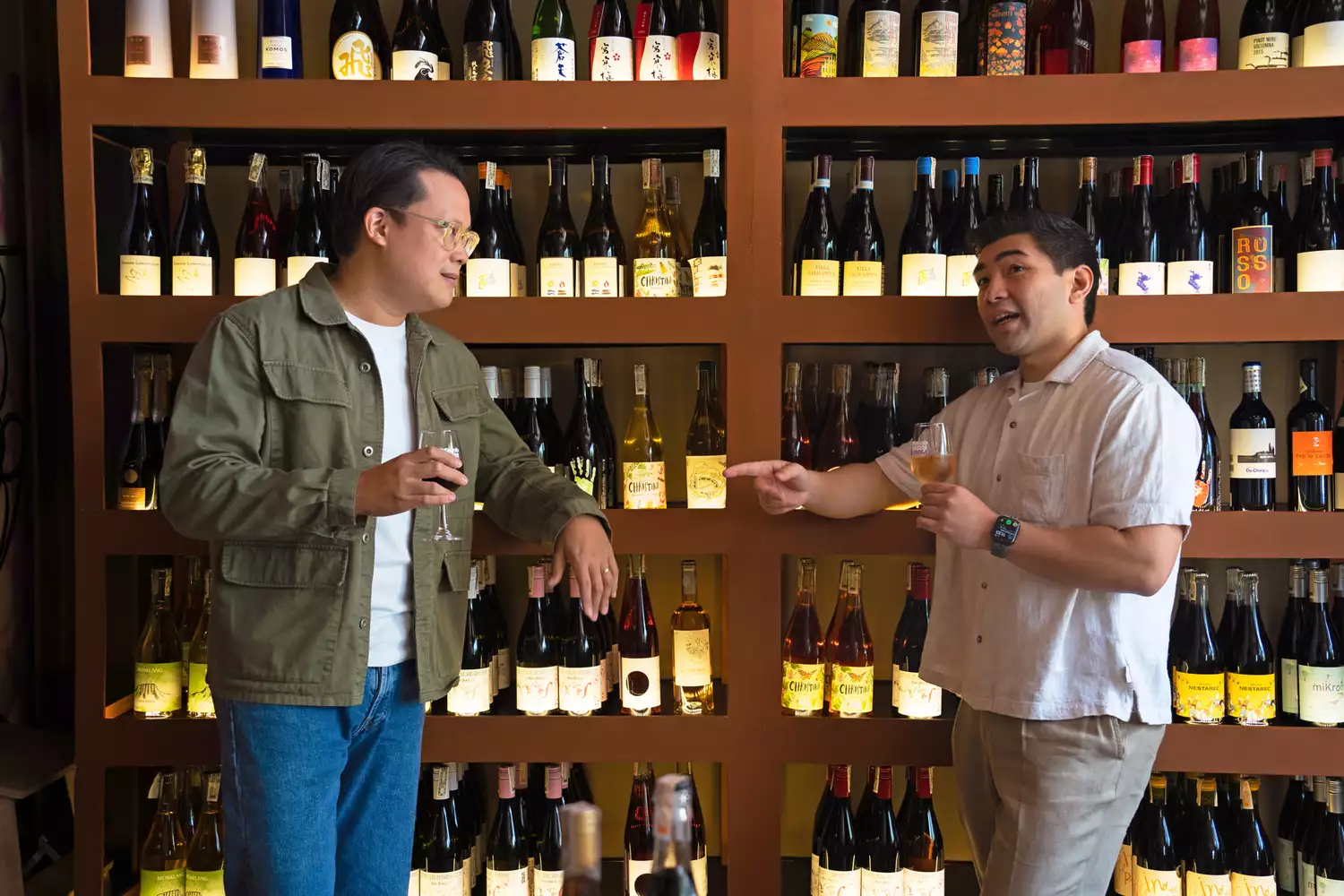
Manila's food scene is no longer just about the plate. The rise of a sophisticated drinking culture has mirrored the growth of Manila fine dining. A standout in this regard is Bombvinos Bodega, a loft-style natural wine bar located near the Makati culinary hub.
Bombvinos focuses on low-intervention labels, offering a refreshing counterpoint to the structured formality of a tasting menu. It is one of the top natural wine bars in Makati with food, where you can pair a funky skin-contact orange wine with modern Pinoy sharing plates like ox tail croquettes. The natural wine bar Makati scene has become the unofficial after-party for the city's foodies.
When navigating this world, a few notes on travel etiquette and logistics are essential. Even as the city modernizes, the Manila fine dining dress code and etiquette guide generally leans toward smart casual or business formal. While the tropical heat is a factor, most high-end establishments are kept quite cool, and men are often seen in light blazers or traditional Barong Tagalog.
Tipping is customary but often included in the bill as a 10% service charge. If the service is exceptional, an additional 5-10% is always appreciated. In terms of influence, it is worth noting that Gallery by Chele was ranked No. 72 in the 51–100 extended list of Asia’s 50 Best Restaurants for 2025, underscoring the sustained prestige of the Makati culinary hub.
FAQ
What are the best fine dining restaurants in Manila?
The pinnacle of the current scene includes Toyo Eatery, Metiz, Hapag, and Celera. These restaurants are celebrated for their innovative use of local ingredients and their role in putting Filipino cuisine on the global Michelin and Asia’s 50 Best lists.
What is the average price for a fine dining meal in Manila?
For a full modern Filipino tasting menu at a top-tier restaurant in 2026, expect to pay between $100 and $150 USD per person, excluding alcohol. Wine pairings generally add another $50 to $80 USD.
Is there a dress code for fine dining in Manila?
Most fine dining establishments in the Makati culinary hub enforce a smart casual dress code. Avoid flip-flops, shorts, and sleeveless shirts for men. While formal wear is not always mandatory, many diners choose to dress up for the occasion.
Which area in Manila is best for luxury restaurants?
Makati remains the primary hub for luxury and innovation, specifically the districts of Karrivin Plaza, Rockwell, and the central business district. For a more modern, sprawling vibe, Bonifacio Global City (BGC) also offers several high-end options.
How far in advance should I book a table for fine dining in Manila?
For world-renowned spots like Toyo Eatery, it is best to book 2 to 4 weeks in advance, especially for weekend slots. Newer Michelin-starred restaurants like Celera may also require significant lead time as they gain popularity in the 2026 season.