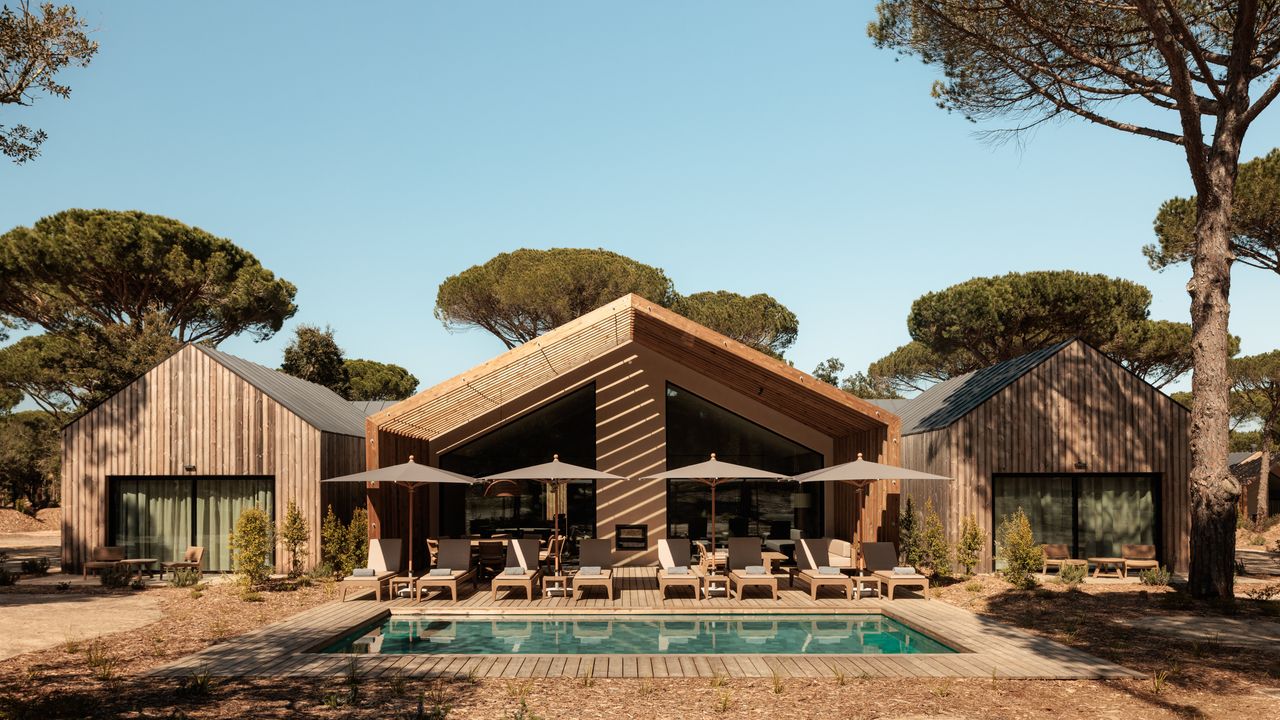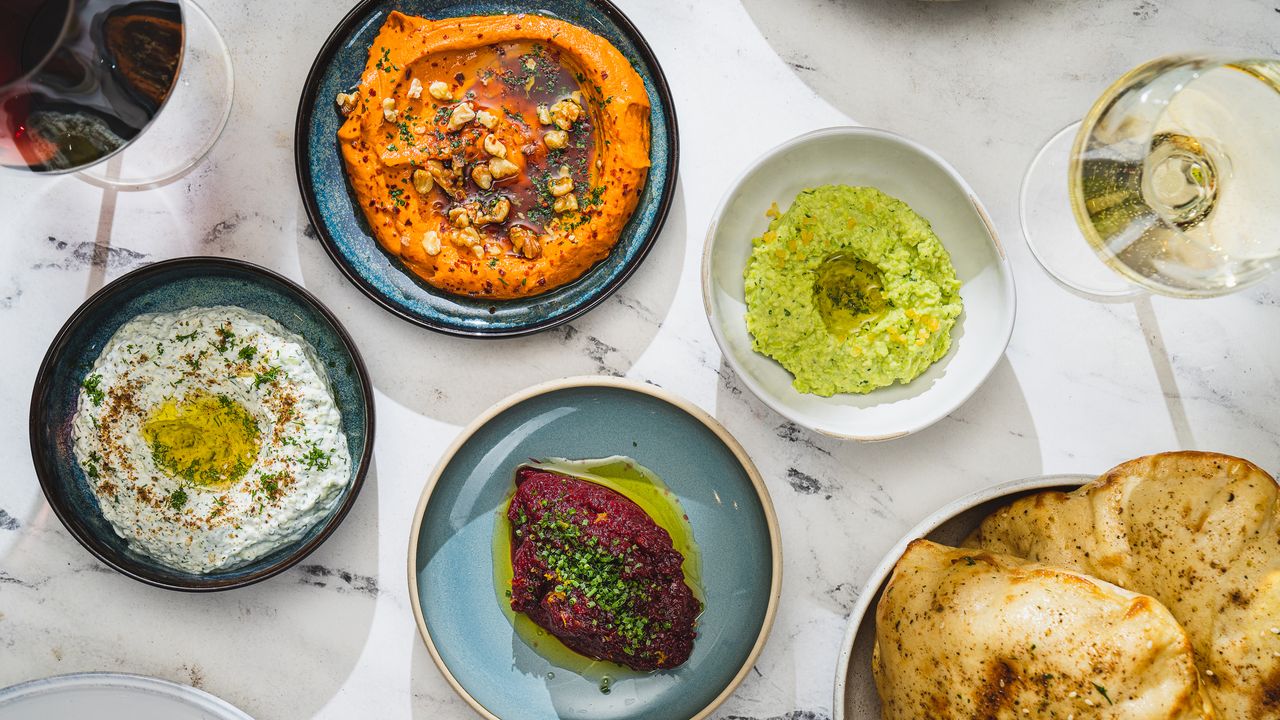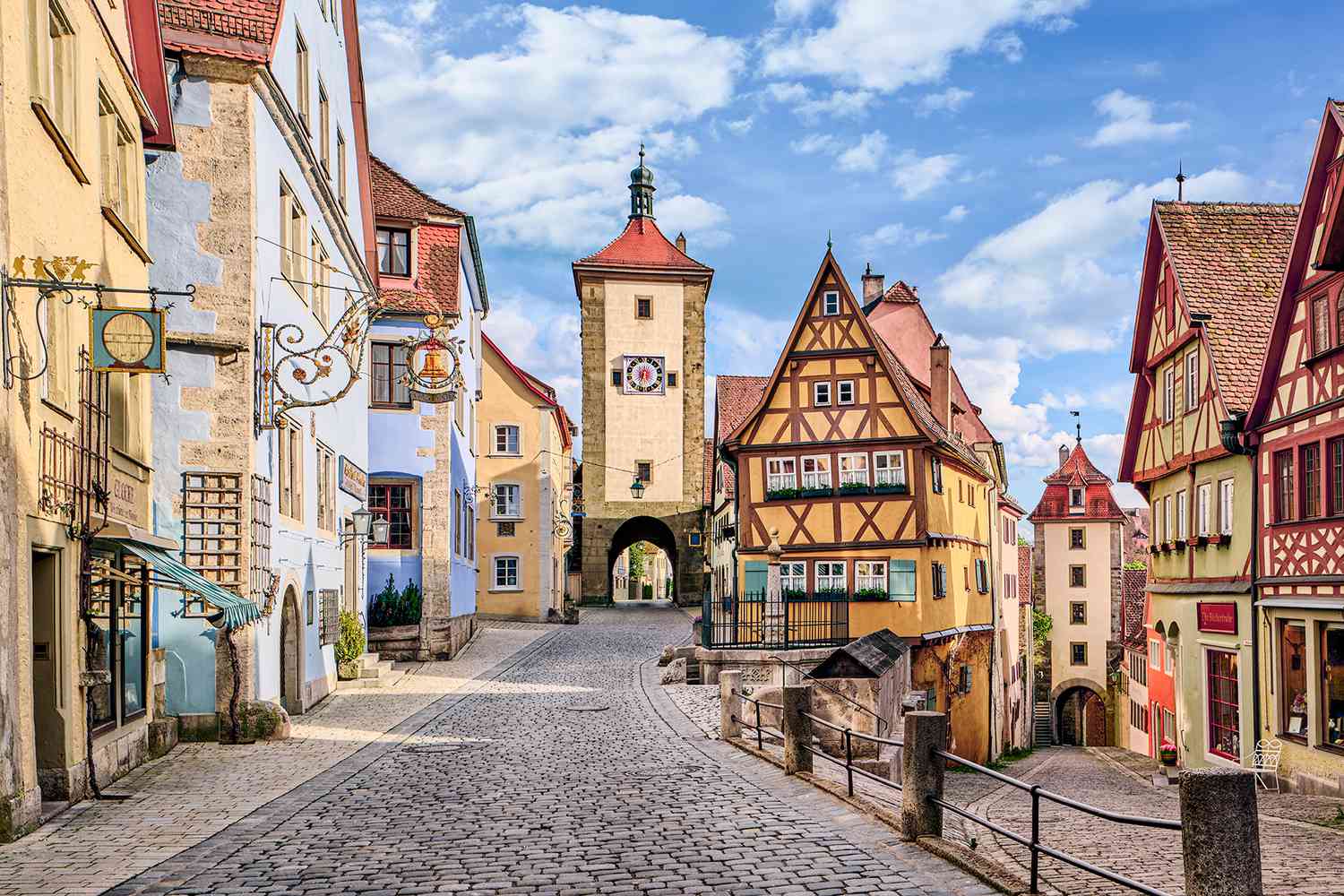
The allure of travel today is shifting. As we look toward the horizons of 2026, the frantic pace of the metropolis is losing its luster, replaced by a yearning for the quiet rhythm of the province. We are witnessing a profound move toward slow travel experiences where the criteria for a destination are simple yet exacting: a visual impact that catches the breath and a culinary depth that nourishes the soul. The best small towns in Europe for 2026 are those that defy the generic, offering a sensory tapestry of ancient stone, salt-crusted air, and recipes handed down through generations.
Quick Facts
- 2026 Top Pick: Guimarães, Portugal, recently named the European Green Capital.
- Crowd Alert: Hallstatt, Austria, which draws 3.5 million visitors annually for its lakeside views.
- Hidden Gem: Kuldīga, Latvia, recognized as the newest UNESCO World Heritage site for its unique Viking-age layout.
- Culinary Star: Vila Nogueira de Azeitão, Portugal, highlighted by UN Tourism for preserved wine and cheese traditions.
- Best for Silence: Isola San Giulio, Italy, known as the 'Island of Silence.'
- Best for Architecture: Pyrgi, Greece, famous for its Xysta geometric etchings.
The most scenic small towns in Europe feature diverse landscapes ranging from the alpine peaks of Zermatt and Zell am See to the dramatic coastal fjords of Seyðisfjörður. Lake-centered destinations like Bled, Slovenia, offer picturesque views with historic churches, while coastal gems such as Cadaqués and Sozopol provide stunning Mediterranean and Black Sea vistas. Travelers seeking the best small towns in Europe will find that these locations offer the perfect blend of visual splendor and authentic local life.
Alpine Peaks and Lakeside Serenity
There is a specific kind of clarity found in the high altitude of the mountains, where the air is thin and the light feels polished. Across the continent, these alpine and lakeside settlements offer more than just scenic villages in Europe; they provide a sanctuary of stillness and tradition.
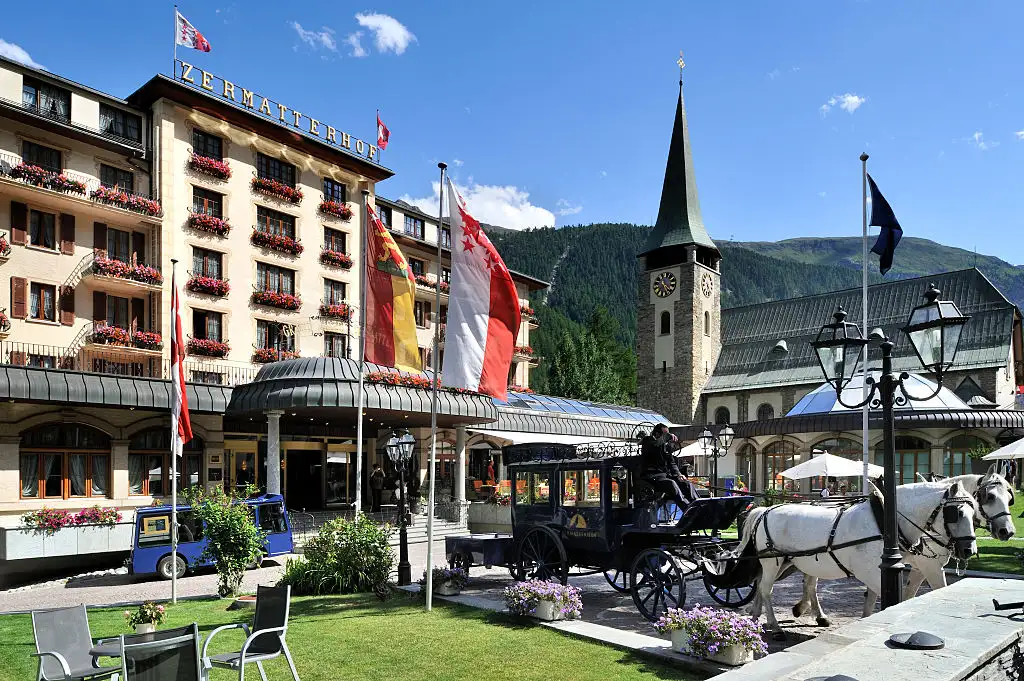
Zermatt, Switzerland
The jagged silhouette of the Matterhorn looms over Zermatt, a village where the absence of cars allows the sound of distant cowbells and the crunch of snow underfoot to take center stage. This car-free sanctuary is a premier choice for those seeking the most beautiful mountain towns in Europe for hiking, especially with the Matterhorn Alpine Crossing providing seamless access between Swiss and Italian peaks.
- The Visual Hook: Iconic views of the pyramidal Matterhorn reflecting in the crystal-clear waters of Stellisee.
- The Culinary Signature: Traditional alpine raclette scraped over boiled potatoes, paired with a crisp Fendant wine.
- Transit Context: Accessible only by train; most travelers take the shuttle from Täsch, located about 3.5 hours from Zurich.
Hallstatt, Austria
Pinned between the Dachstein mountains and Lake Hallstatt, this village is the quintessential image of fairy-tale charm. Despite its popularity, the early morning mist rising off the water remains an unparalleled sight.
- The Visual Hook: The pastel-colored houses reflected in the mirrored surface of the lake.
- The Culinary Signature: Reinanke, a local freshwater fish from the lake, often served grilled with alpine butter.
- Transit Context: Reachable by train followed by a picturesque ferry ride across the lake from the Hallstatt station.
Bled, Slovenia
Bled is defined by its emerald lake and the church-topped island at its center. It is one of the most picturesque lakeside villages in Europe for quiet vacations, especially if you row yourself across the water in a traditional pletna boat.
- The Visual Hook: The medieval Bled Castle perched on a sheer cliff overlooking the water.
- The Culinary Signature: Bled Cream Cake (Kremna rezina), a decadent layers of puff pastry, custard, and cream.
- Transit Context: A short 45-minute drive or bus ride from the capital, Ljubljana.
Mikulov, Czech Republic
Moving away from the high peaks, Mikulov sits in the rolling hills of South Moravia. It is a town of vintages and vineyards, dominated by a massive Baroque chateau. It is the heart of Moravian wine culture, and a visit to the National Wine Salon at the nearby Valtice Castle is essential for any oenophile.
- The Visual Hook: The Holy Hill (Svatý kopeček) rising above the town, topped with white chapel domes.
- The Culinary Signature: Pálava white wine, a local aromatic variety, enjoyed in a centuries-old cellar.
- Transit Context: Located on the border with Austria, it is a 1.5-hour drive from Vienna or Brno.
Zell am See, Austria
This town manages to be both a premier ski destination and a summer lakeside retreat. The surrounding alpine panoramas are best viewed from the Schmittenhöhe mountain, which offers a 360-degree view of over thirty 3,000-meter peaks.
- The Visual Hook: The contrast of the glacier-fed lake against the verdant green slopes in summer.
- The Culinary Signature: Kasnocken, small flour dumplings tossed with pungent mountain cheese and fried onions.
- Transit Context: Directly connected by rail to Salzburg in about 1.5 hours.
Mediterranean Coastal Escapes and Island Gems
The Mediterranean is a sensory overload consisting of pine needles, salt air, and the warmth of sun-baked stone. The best European small towns for foodies often hide along these shores, where the bounty of the sea meets ancient coastal promenades.
Cadaqués, Spain
Located on the rugged Costa Brava, Cadaqués is a labyrinth of white houses and slate-paved streets. This town was a sanctuary for Salvador Dalí, and his house-museum in nearby Portlligat remains a surreal pilgrimage site.
- The Visual Hook: The brilliant white church of Santa Maria rising above the blue bay.
- The Culinary Signature: Suquet de peix, a rich Catalan fish stew flavored with saffron and almonds.
- Transit Context: A winding 2.5-hour drive from Barcelona; the final mountain pass keeps the crowds at bay.
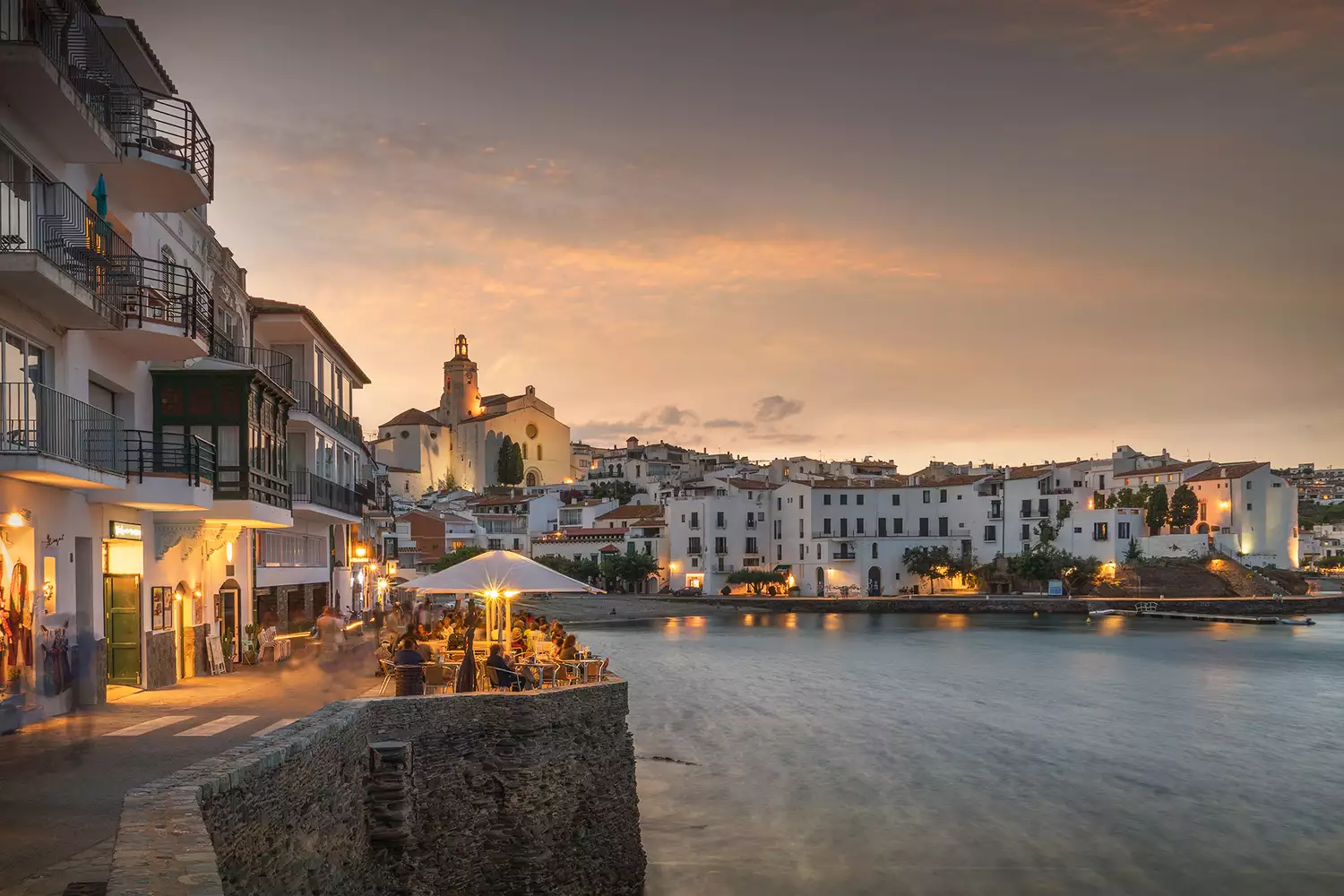
Rovinj, Croatia
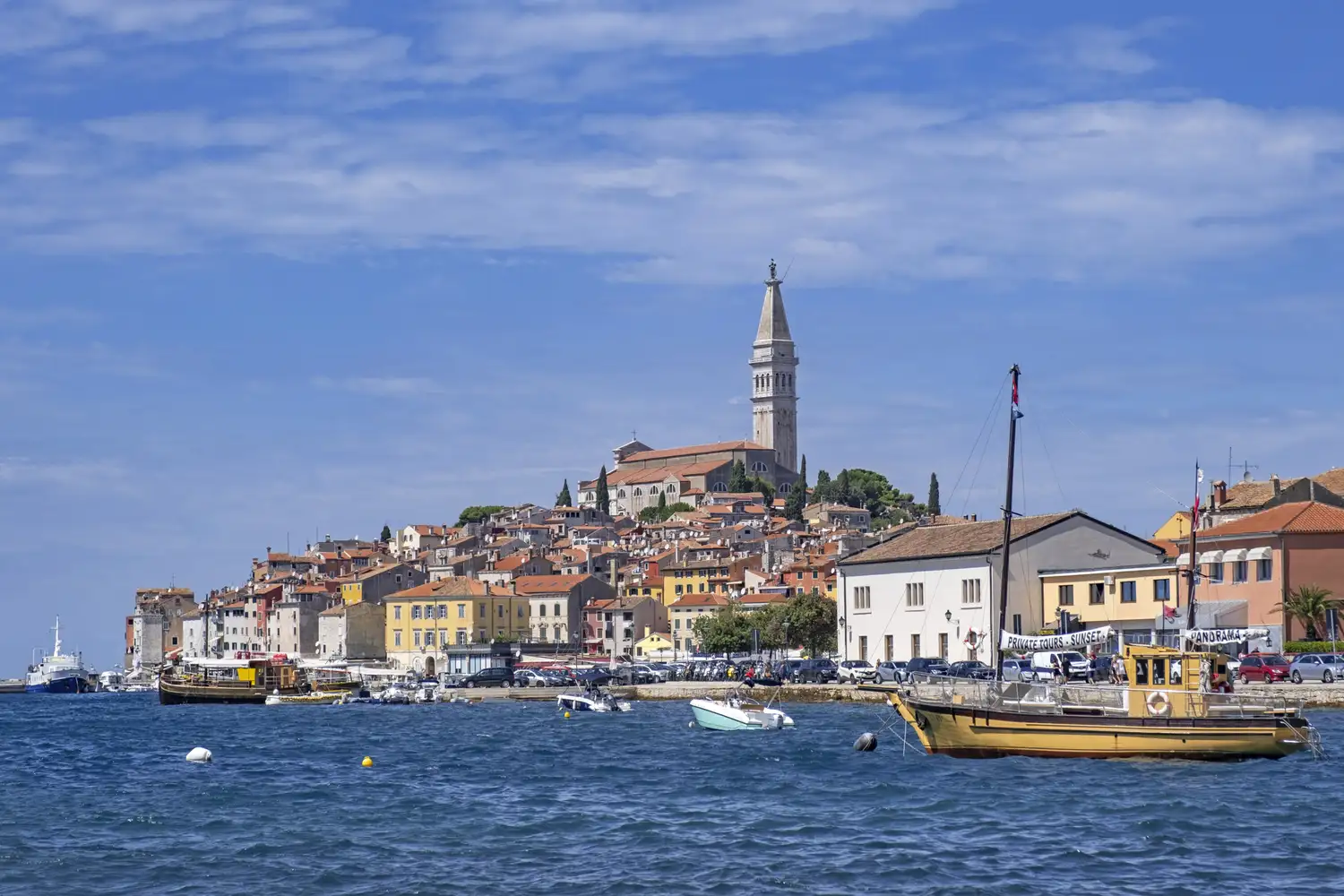
Rovinj is an Istrian gem where the houses seem to rise directly out of the Adriatic. It is widely considered one of the best European small towns for foodies 2026 due to its unique position where Central European truffles meet Mediterranean seafood.
- The Visual Hook: The towering spire of St. Euphemia’s Basilica marking the town’s highest point.
- The Culinary Signature: Fuži pasta tossed with fresh Istrian black truffles and a drizzle of local olive oil.
- Transit Context: A 40-minute drive from Pula Central Airport, making it accessible yet secluded.
Pyrgi, Greece
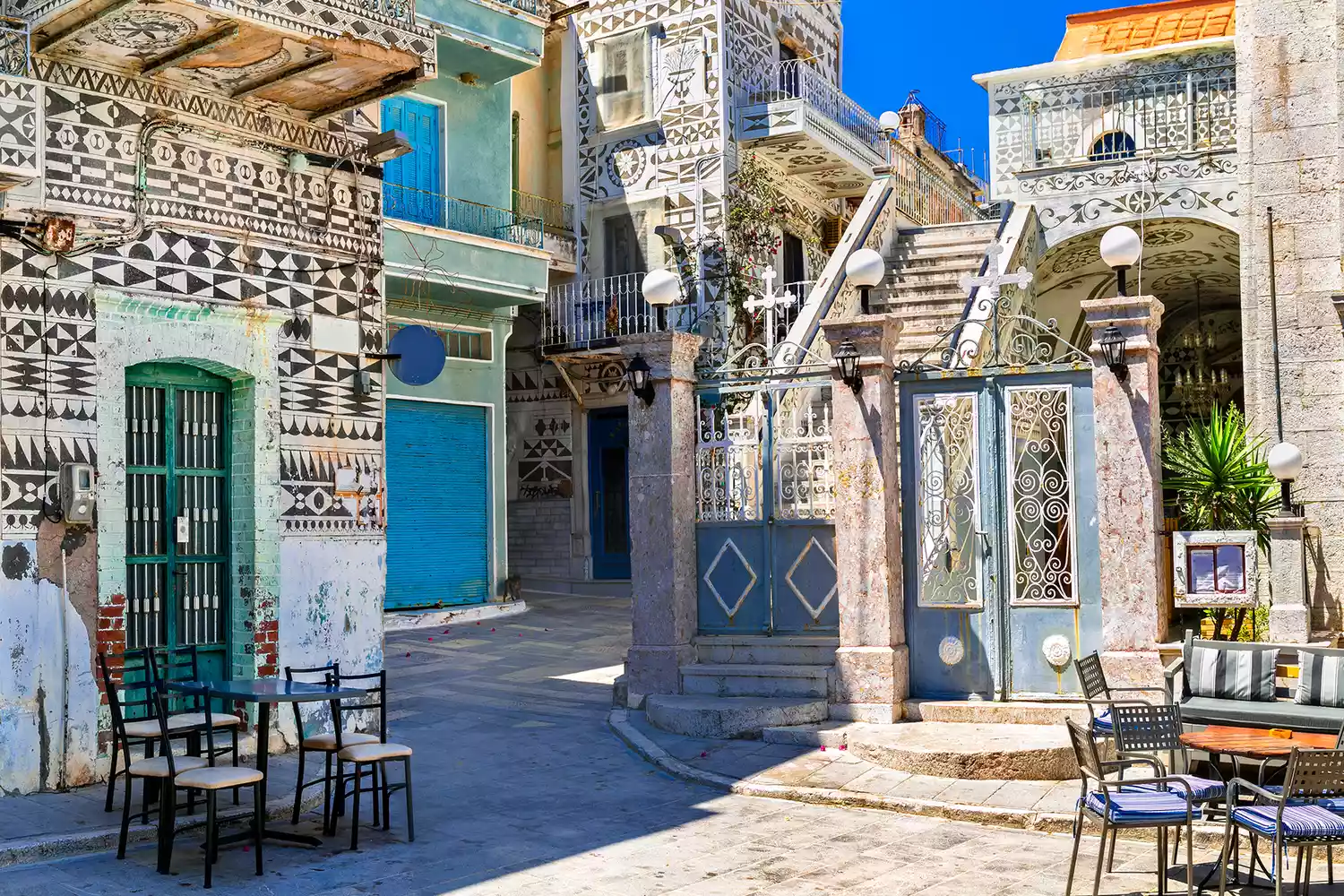
On the island of Chios, Pyrgi is unlike any other village in the Aegean. Known as the painted village, its buildings are covered in intricate Xysta geometric designs etched into the plaster. It is one of those hidden gem destinations in Europe that feels like an open-air art gallery.
- The Visual Hook: The black-and-white geometric patterns that adorn every inch of the medieval facades.
- The Culinary Signature: Mastichato, a liqueur made from the local mastic resin, served with almond biscuits.
- Transit Context: Accessible by a short flight or ferry from Athens to Chios, followed by a local bus to the south of the island.
Isola San Giulio, Italy
Floating in the middle of Lake Orta, this tiny island is a place of absolute quiet. Known as the Island of Silence, a single circular path winds past old villas and Benedictine monasteries, encouraging hushed tones and slow contemplation.
- The Visual Hook: The mist-shrouded Romanesque basilica reflected in the lake as you approach by boat.
- The Culinary Signature: Risotto flavored with local Orta lake perch and a glass of Ghemme wine.
- Transit Context: A short boat ride from the village of Orta San Giulio, which is about an hour from Milan Malpensa.
Medieval Walled Towns and Cultural Heritage
Walking through a medieval gate is like crossing a threshold in time. These towns, often protected by massive medieval fortifications, have preserved their regional gastronomy and artisanal local cuisine through centuries of isolation.
Óbidos, Portugal
Behind the high walls of Óbidos, you find a maze of cobblestone alleyways and whitewashed houses draped in bougainvillea. It is a town that feels perfectly preserved, offering some of the most scenic coastal villages in Europe for summer vacations nearby, like Peniche.
- The Visual Hook: Walking the entire perimeter of the town along the top of its 12th-century walls.
- The Culinary Signature: Ginja de Óbidos, a sour cherry liqueur served in a tiny edible chocolate cup.
- Transit Context: An easy 1-hour bus ride from Lisbon, perfect for a day trip or an overnight stay.

Guimarães, Portugal
Recognized as the 2026 European Green Capital, Guimarães is the birthplace of Portugal. It is a masterclass in how to preserve history while moving toward a sustainable future. The town offers deep cultural tours through its beautifully preserved Gothic buildings and traditional festivals.
- The Visual Hook: The imposing castle and the Palace of the Dukes of Braganza against a backdrop of lush hills.
- The Culinary Signature: Toucinho do Céu, a rich almond and egg-yolk cake with origins in the local convents.
- Transit Context: Located about 45 minutes by train from Porto.
Kuldīga, Latvia
Kuldīga recently joined the ranks of UNESCO World Heritage sites, and it is easy to see why. Its timber-framed architecture and the widest waterfall in Europe (Venta Rapid) create an atmosphere of rustic elegance that is rare in northern Europe.
- The Visual Hook: The massive 19th-century brick bridge, one of the longest of its kind in Europe.
- The Culinary Signature: Traditional Latvian rye bread pudding with cranberries and whipped cream.
- Transit Context: A 2-hour drive from Riga, offering a tranquil escape from the capital.
Provins, France
Located on the edge of the Champagne region, Provins is a well-preserved medieval fair town. Its subterranean tunnels and towering Caesar Tower provide a look into its history as a major European trade hub. It is one of the more affordable small towns in Europe with historic charm and incredible access for those staying in the French capital.
- The Visual Hook: The sprawling ramparts and the rose gardens that bloom throughout the summer.
- The Culinary Signature: Rose-scented honey or confit, a specialty dates back to the Crusades.
- Transit Context: Only 1.5 hours from Paris by the Transilien P train line.
Central Europe’s Hidden Culinary Capitals
Beyond the famous capitals lie towns that hold the keys to their nation’s soul. These hidden gem small towns in Europe away from crowds offer small European towns with the best local food and wine, often at a fraction of the price of major cities.
Tübingen, Germany
Tübingen is a vibrant university town where the Neckar River is lined with colorful half-timbered houses. It feels like an uncrowded alternative to busier German cities, offering a mix of student energy and ancient tradition.
- The Visual Hook: Punting boats gliding under the willow trees along the riverfront.
- The Culinary Signature: Maultaschen, large Swabian ravioli filled with meat and spinach, often served in a clear broth.
- Transit Context: A 45-minute train ride from Stuttgart.
Saint-Jean-de-Luz, France
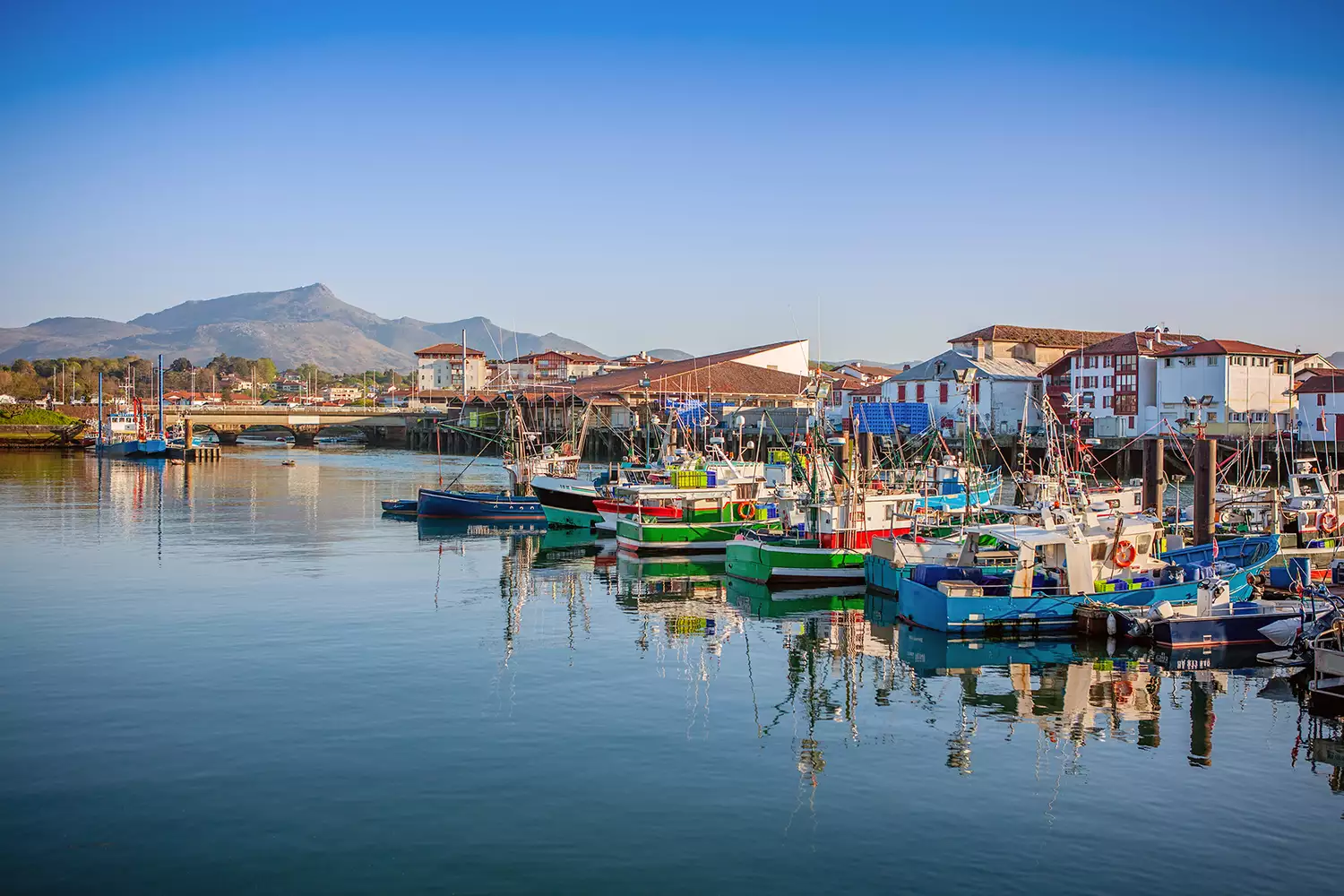
This Basque fishing village near the Spanish border is where French elegance meets rugged seafaring tradition. It is a town of deep blue water and vibrant red Basque shutters, and its markets are filled with world-class local ingredients.
- The Visual Hook: The historic harbor full of colorful wooden fishing boats.
- The Culinary Signature: Gâteau Basque, a buttery cake filled with black cherry jam or pastry cream.
- Transit Context: A 20-minute train ride from Biarritz or a 4.5-hour TGV from Paris.
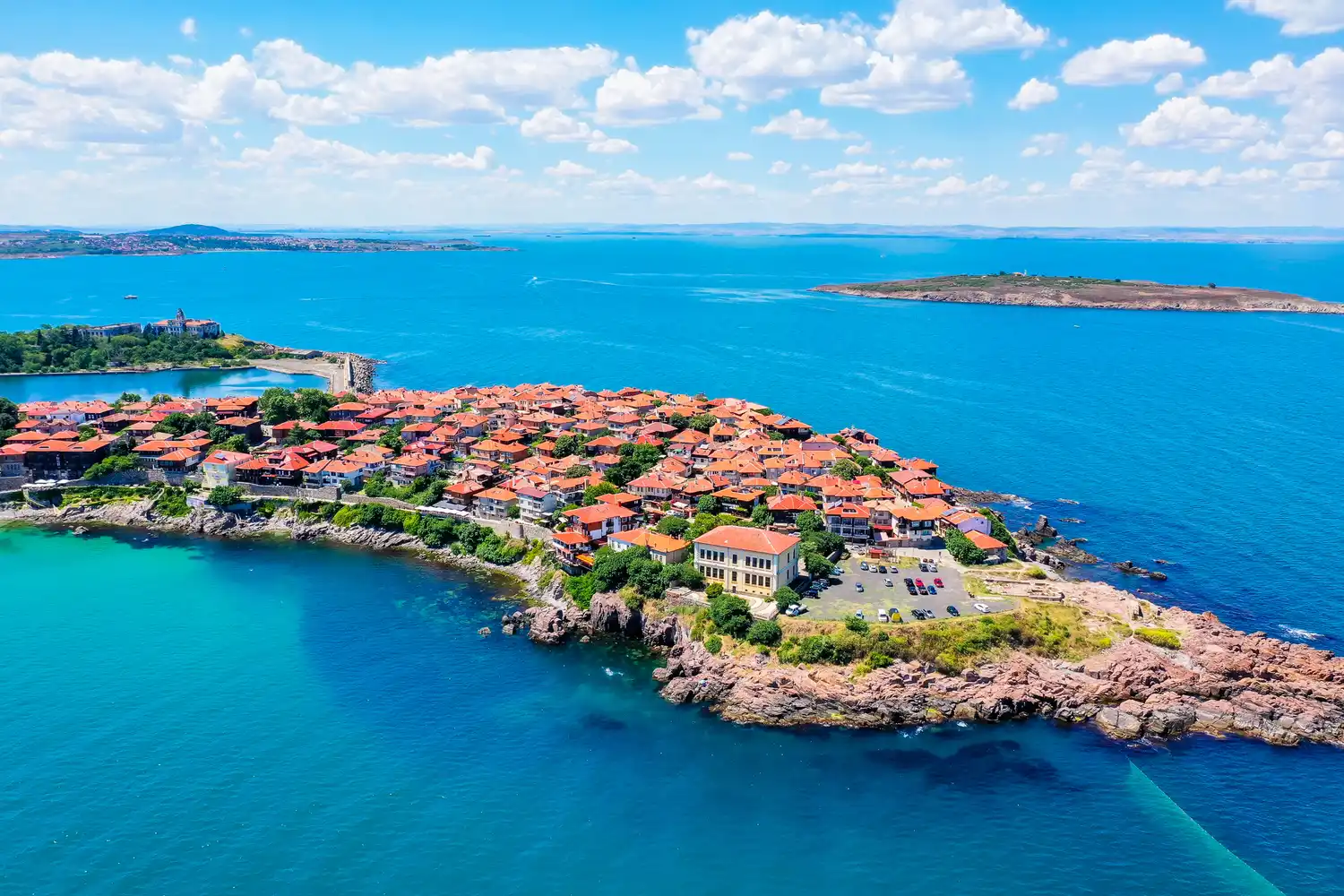
Sozopol, Bulgaria
Sozopol sits on a rocky peninsula jutting into the Black Sea. It is one of the oldest towns in the region, featuring narrow streets lined with 18th-century wooden houses. Every September, the town comes alive with the Apollonia Arts Festival, showcasing the best of Bulgarian culture.
- The Visual Hook: Antique wooden houses hanging over the crashing waves of the Black Sea.
- The Culinary Signature: Savor fresh grilled turbot and fig jam made from the trees that grow right in the town's courtyards.
- Transit Context: A 30-minute drive from Burgas Airport.
Telč, Czech Republic
Telč is famous for its long, triangular town square, lined with Renaissance and Baroque houses with high gables and arcades. It is so perfectly preserved that it was one of the first Czech sites added to the UNESCO list.
- The Visual Hook: The pastel facades reflecting in the surrounding fish ponds that encircle the town.
- The Culinary Signature: Potato pancakes (bramboráky) seasoned with garlic and marjoram.
- Transit Context: Best reached by car or bus from Prague (3 hours) or Brno (1.5 hours).
Gangi, Sicily
Deep in the Madonie Mountains, Gangi is a vertical town where the houses seem to be stacked on top of one another. It is a place of dramatic vistas and deep silence, having largely escaped the tourism waves of the Sicilian coast.
- The Visual Hook: The sight of Mount Etna smoking on the distant horizon from the town’s highest piazza.
- The Culinary Signature: Pasta con le sarde, featuring fresh sardines, wild fennel, and pine nuts.
- Transit Context: A 2-hour drive from Palermo; a car is essential for navigating the mountain roads.
FAQ
What is the most beautiful small town in Europe?
While beauty is subjective, Hallstatt in Austria is frequently cited as the most beautiful due to its dramatic alpine backdrop and lakeside reflection. However, for those who prefer coastal aesthetics, Rovinj in Croatia or Cadaqués in Spain are top contenders.
Which country has the best small towns to visit?
Portugal and France consistently offer high-quality small town experiences. Portugal excels in medieval walled towns like Óbidos and historic hubs like Guimarães, while France offers a vast variety of regional styles from the Basque Saint-Jean-de-Luz to the medieval Provins.
How do I travel between small villages in Europe without a car?
Many small towns are surprisingly well-connected by rail, such as Zermatt, Zell am See, and Tübingen. For more remote island or mountain villages, regional bus networks are available, though they require more careful planning around schedules. In 2026, many regions are increasing sustainable shuttle options from major rail hubs.
Are small towns in Europe expensive to visit?
There is a wide range. Swiss alpine towns like Zermatt are at the high end, while Central and Eastern European gems like Sozopol in Bulgaria, Telč in the Czech Republic, or Kuldīga in Latvia offer incredible value for history and food at a lower price point.
What is the best time of year to visit European villages?
Late spring (May/June) and early autumn (September/October) are ideal. You avoid the peak summer crowds of July and August while still enjoying pleasant weather for exploring cobblestone alleyways and eating outdoors. Winter is magical for alpine towns like Zermatt or Zell am See.