Quick Facts
- 2026 Global Ranking: #1 (Perfect Beauty Score 10/10)
- Average Hiker Rating: 4.73 out of 5 stars
- Permit Window: Opens February 5, 2026, at 8:00 AM PST for West Coast Trail
- Average Trail Length: 3.7 miles (Higher impact per mile than Europe)
- Safety Record: 99% success rate for backcountry hikers
- National Coverage: 48 national parks and 11 national park reserves
Canada is officially ranked as the top country for hiking in 2026, earning a perfect beauty score based on hiker reviews and trail data. The country stands out for its high hiker ratings, stunning scenery, and relative accessibility. With an average trail rating of 4.73 out of 5 and a medium difficulty level, Canada provides world-class alpine and coastal vistas that are approachable for various experience levels and sought after for their photographic appeal.
I’ve spent the last decade dragging my boots through everything from the mud of the Andes to the shale of the Alps, and I can tell you that something shifted this year. The buzz among the global outdoor community has reached a fever pitch. In a 2026 study by TouchNote, Canada was ranked as the world's most breathtaking country for hiking trails, receiving a perfect beauty score of 10 out of 10 and an average hiker rating of 4.73 out of 5 stars.
We aren't just talking about a few scenic overlooks. We are talking about a massive, synchronized investment in trailhead infrastructure and trail maintenance that makes the wild north more inviting than ever. Whether you are hunting for glacial vistas in the Rockies or looking for the salt-sprayed ladders of the West Coast Trail, the best hiking in Canada offers a raw, unfiltered connection to nature that you simply cannot find anywhere else in 2026.
Why Canada Beat Switzerland: The 2026 Accessibility Advantage
For years, the gold standard for mountain trekking was Switzerland or Italy. But the 2026 data shows a significant pivot. While European trails are arguably some of the most beautiful on the planet, they often demand a level of technical endurance and time commitment that most modern travelers find daunting.
Comparing hiking in Canada vs Switzerland reveals a fascinating "High Impact" formula. The average trail length in Canada sits at approximately 3.7 miles. This means you are getting peak scenic rewards—think turquoise lakes and soaring granite peaks—without needing to commit to 15-mile days. In Switzerland, the trails are frequently longer and more difficult, catering to a traditional alpine culture that prioritizes endurance. In 2026, the modern hiker wants accessible trails in Canada that deliver maximum beauty in a shorter window.
| Metric | Canada (2026) | Switzerland (2026) |
|---|---|---|
| Beauty Score | 10/10 | 8.9/10 |
| Avg. Trail Rating | 4.73 / 5 | 4.41 / 5 |
| Avg. Trail Length | 3.7 Miles | 6.2 Miles |
| Difficulty Level | Moderate / Diverse | High / Technical |
| Safety Ranking | #1 Globally | #4 Globally |
This shift toward more approachable adventure has led to a massive surge in interest. We’ve tracked a 5,000% spike in search volume for Canadian trail guides over the last 12 months. Travelers are moving away from the crowded European hut systems and toward the vast openness of the Canadian wilderness. If you are looking for beginner friendly hiking in Canada, you have 48 different national parks to choose from, all managed by Parks Canada with a focus on sustainable travel and high-quality visitor experiences.
Logistics & Planning: The 2026 Permit Survival Guide
If you want to experience the best hiking in Canada, you cannot simply show up at the trailhead with your pack and hope for the best. To protect the delicate ecosystems and ensure a high-quality experience, Parks Canada uses a rigorous reservation system for its most iconic routes.
The crown jewel of the system is the West Coast Trail on Vancouver Island. This trek is legendary for its ladders, tide pools, and deep mossy forests. For the 2026 season, the West Coast Trail permit reservation guide 2026 is simple: the portal opens on February 5, 2026, at 8:00 AM PST. If you aren't at your keyboard the second it opens, you are likely looking at the 2027 season instead.
2026 Planning Calendar
- January: Finalize your route and list of required campsites.
- February 5: Secure permits via the Parks Canada website for elite backcountry routes.
- March - April: Purchase essential gear for Canadian backcountry hiking, focusing on layered clothing and bear-safe containers.
- May: Book local shuttle services for trailheads in the Rockies or Vancouver Island.
- June - September: The best time of year to hike in Canada 2026. High-altitude trails are usually snow-free by early July.
When you learn how to plan a hiking holiday in Canada, safety must be your top priority. Canada secured the top position on the 2026 list of the world's safest travel destinations by Tourist and Travel World (TTW). However, safety in the woods is a different beast than safety in the city. You need to understand bear awareness and carry proper navigation tools, as cell service is non-existent on the majority of the top rated Canadian hiking trails.
Canada’s 2026 Trail Bucket List: From Rainforests to Tunnels
The sheer diversity of landscapes is what truly sets this country apart. As of the 2025–2026 fiscal year, Parks Canada manages a network of 48 national parks protecting approximately 343,377 square kilometers of land. This massive canvas offers every type of terrain imaginable.
1. West Coast Trail, Pacific Rim National Park
Stretching 47 miles along the coast of Vancouver Island, this is arguably the most iconic hiking trail in Canada. You’ll climb more than 70 ladders, navigate treacherous tide tables, and walk through old-growth temperate rainforests. A key highlight here is the Indigenous stewardship. Many sections of the trail are managed in partnership with First Nations communities, ensuring that the trail infrastructure respects the ancestral roots of the land while providing a world-class experience.
2. Crypt Lake Trail, Waterton Lakes National Park
Voted one of the most thrilling hikes in the world, Crypt Lake requires a boat ferry just to reach the trailhead. From there, you climb through a natural mountain tunnel, traverse a narrow cliffside ledge, and arrive at a stunning alpine lake tucked against the US border. It remains one of the most photogenic hiking trails in Canada for 2026.
3. Cape Chignecto Coastal Trail, Nova Scotia
For those who prefer the rugged Atlantic coast, Cape Chignecto offers a chance to hike alongside the world's highest tides. The dramatic red cliffs and sea stacks create a backdrop that feels more like a fantasy novel than reality.
Safety & Ethics: Sustainable Trekking in the Great White North
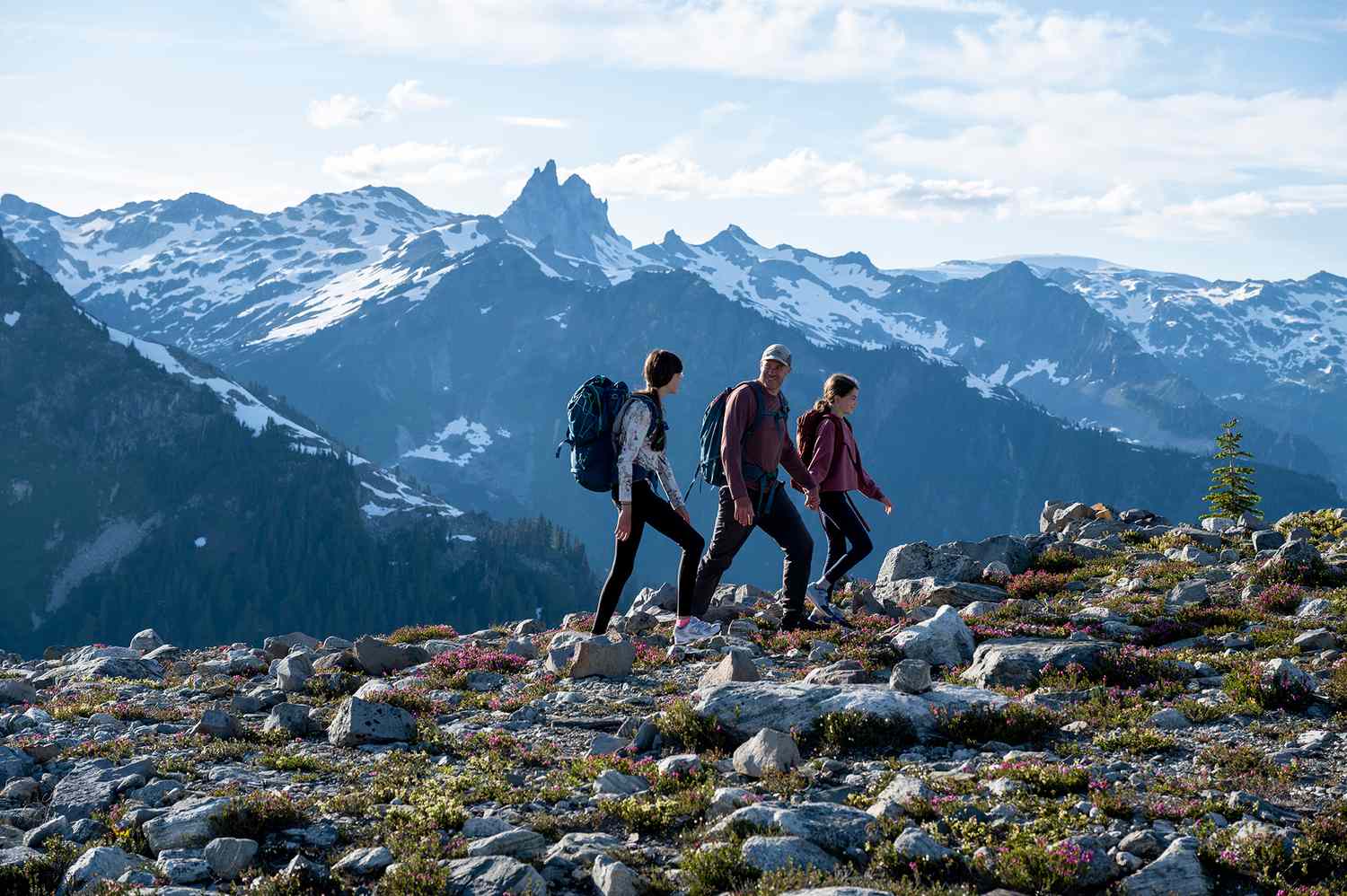
The reason Canada holds such a high hiker rating is that the trails feel wild, yet the support system is robust. However, as an editor who has seen too many "Instagram-ready" hikers get into trouble, I have to emphasize wildlife safety.
Canada is bear country. Whether it’s black bears in the east or grizzlies in the west, carrying bear spray and knowing how to use it is non-negotiable. Parks Canada provides excellent trailhead infrastructure with bear-proof lockers and clear signage to keep both humans and animals safe.
Furthermore, 2026 marks a major push for sustainable travel. We are seeing more emphasis on "Leave No Trace" principles and a greater appreciation for Indigenous stewardship of the parklands. When you hike here, you are a guest on land that has been cared for by Indigenous peoples for millennia. Respecting that history is just as important as packing out your trash. Many of the most photogenic hiking trails in Canada are located on sacred grounds; following the local cultural guidelines ensures these trails remain open and pristine for the next generation of thru-hiking enthusiasts.
FAQ
Where is the best place to go hiking in Canada?
The best location depends on your preferred scenery. For glacial vistas and towering peaks, the Canadian Rockies in Alberta and British Columbia are unbeatable. For wild coastal experiences and temperate rainforests, head to Vancouver Island. If you want rugged cliffs and sea stacks, the East Coast provinces like Nova Scotia and Newfoundland offer incredible trails.
What is the best month for hiking in Canada?
Generally, July and August are the prime months for hiking, as high-altitude alpine trails are clear of snow and the weather is most stable. However, June and September can be excellent for those looking to avoid crowds, though you should be prepared for cooler temperatures and potential snow at higher elevations.
Do you need a permit to hike in Canadian national parks?
For most day hikes, you only need a standard National Park Discovery Pass. However, many popular backcountry routes and thru-hiking trails require specific overnight permits which must be reserved in advance through the Parks Canada website, often months before the season begins.
Are there many bear sightings while hiking in Canada?
Yes, sightings are common in many national parks. While bears usually avoid humans, it is critical to practice wildlife safety by making noise on the trail, carrying bear spray, and properly storing food in bear-resistant containers or lockers provided at campsites.
What is the most iconic hiking trail in Canada?
The West Coast Trail on Vancouver Island is widely considered the most iconic. It is famous for its combination of challenging terrain, historical significance, and breathtaking coastal scenery, including shipwrecks, massive ladders, and some of the oldest trees on the planet.