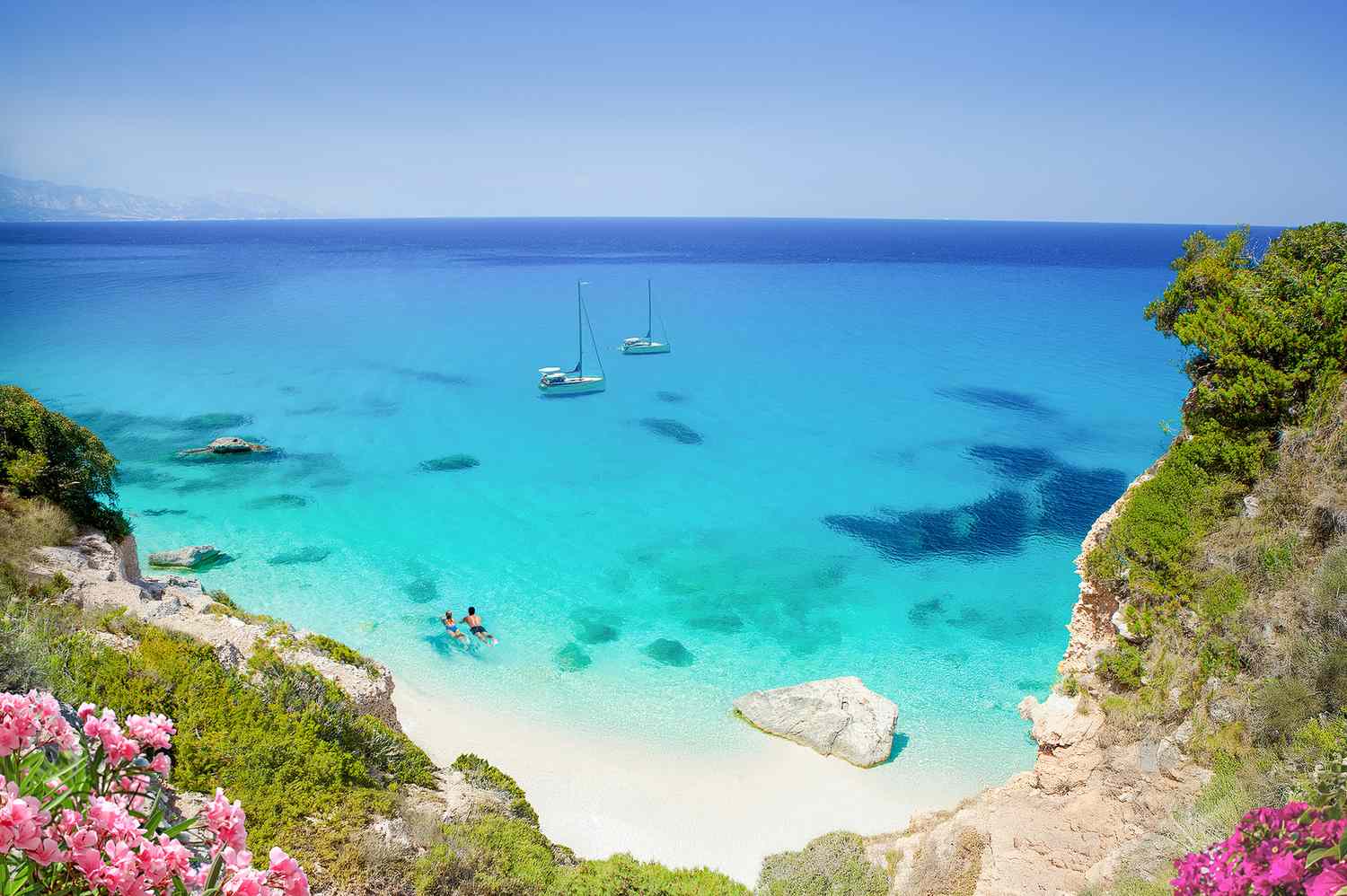
The morning air in the Motovun forest smells of damp earth, pine needles, and the deep, intoxicating musk of buried gold—the white truffle. To look at a map of this corner of the Adriatic is to see a heart-shaped peninsula that seems to pulse with the rhythm of three different nations. This is Istria, a land where the borders of Italy, Slovenia, and Croatia blur into a singular, sun-drenched narrative of ancient stone, boutique viticulture, and olive groves that have stood since the time of the Caesars. Often described as the Croatian Tuscany, the region offers something more raw and complex than its Italian cousin: a crossroads of Roman antiquities, Venetian architecture, and Slavic warmth.
Quick Facts
- Tri-Country Geography: The peninsula is shared by three nations, with 90% of its territory located in Croatia, 9% in Slovenia, and roughly 1% in Italy.
- World Ranking: For the ninth consecutive year, the Flos Olei 2026 guide named Istria the world's best region for extra virgin olive oil, with 68 producers featured globally.
- Best Time to Visit: September to October for truffle hunting season and the grape harvest, or May to June for mild weather and smaller crowds.
- Ideal Duration: 8 to 12 days for a comprehensive Croatia Slovenia Italy multicountry trip that includes the northern gateways of Trieste and Ljubljana.
- Daily Budget 2026: Expect to spend €120–180 per day for a mid-range experience, including a car rental, boutique stays, and high-quality dining.
- Primary Hub: Rovinj serves as the ultimate base, with nearly all major Istrian landmarks reachable within a 60-minute drive.
Start your journey in the Croatian Tuscany with this comprehensive Istria travel guide. This unique multi-country trip across Italy, Slovenia, and Croatia highlights the best road trip itinerary for food, wine, and ancient history in a region where the Mediterranean lifestyle translates into slow afternoons and legendary feasts.
Is Istria Europe's Best Kept Secret?
To the uninitiated, the Adriatic is often synonymous with the shimmering, wall-to-wall crowds of Dubrovnik. However, those who look northward find a different tempo. Istria remains one of Europe's most rewarding secrets, precisely because it refuses to be just one thing. It is a culinary triangle where Italy’s coffee culture, Slovenia’s quiet sustainability, and Croatia’s rustic traditions collide. Here, the landscape shifts from the salt-sprayed Venetian architecture of the coast to the mist-shrouded medieval hilltop villages of the interior.
Driving is the most effective way to explore the Istrian peninsula and its tri-country neighbors, as train services are limited and most culinary highlights are within a two-hour drive of each other. A rental car allows for seamless travel from the grand piazzas of Trieste through the sustainable food hubs of Ljubljana, down to the heart-shaped peninsula itself. It is a journey of transitions: from the Habsburg elegance of the north to the rugged, red-soil vineyards of the south. This tri-country itinerary Italy Slovenia Croatia Istria represents a rare opportunity to see how culture is dictated not by lines on a map, but by the soil and the sea.
The Gateway: Trieste and the Slovenian Coast
The journey ideally begins in Trieste, a city that feels like a Vienna-at-Sea. This tiny sliver of territory represents the 1% of Istria that belongs to Italy, yet its influence on the region's Mediterranean lifestyle is outsized. Trieste was the primary port of the Austro-Hungarian Empire, and that legacy lives on in its monumental neoclassic architecture and a coffee culture so serious that ordering a caffè is practically a religious rite. Spend a morning at a historic cafe on Piazza Unità d’Italia before visiting Miramare Castle, which sits on a rocky outcrop like a white marble dream.
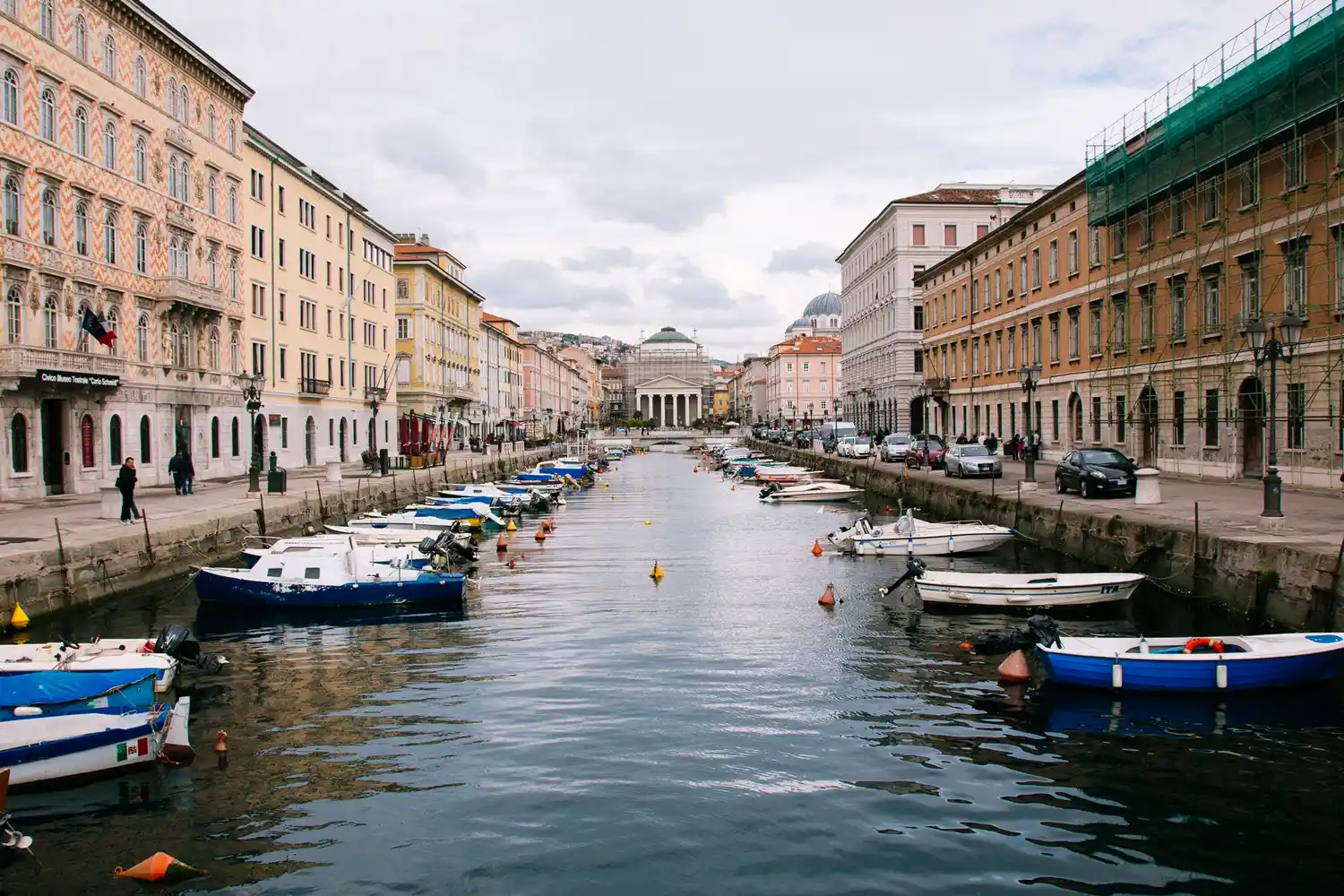
When embarking on a driving from Trieste to Rovinj planning guide, the transition across the border is effortless, though you should keep your passport handy as a formality. Moving into Slovenia, the coast tightens into a gorgeous, narrow strip of land. Piran is the crown jewel here, a town governed by Venetian architecture that juts into the blue Adriatic like a ship's prow. From its Tartini Square to the ancient salt pans that still produce world-class fleur de sel, Piran feels suspended in time.
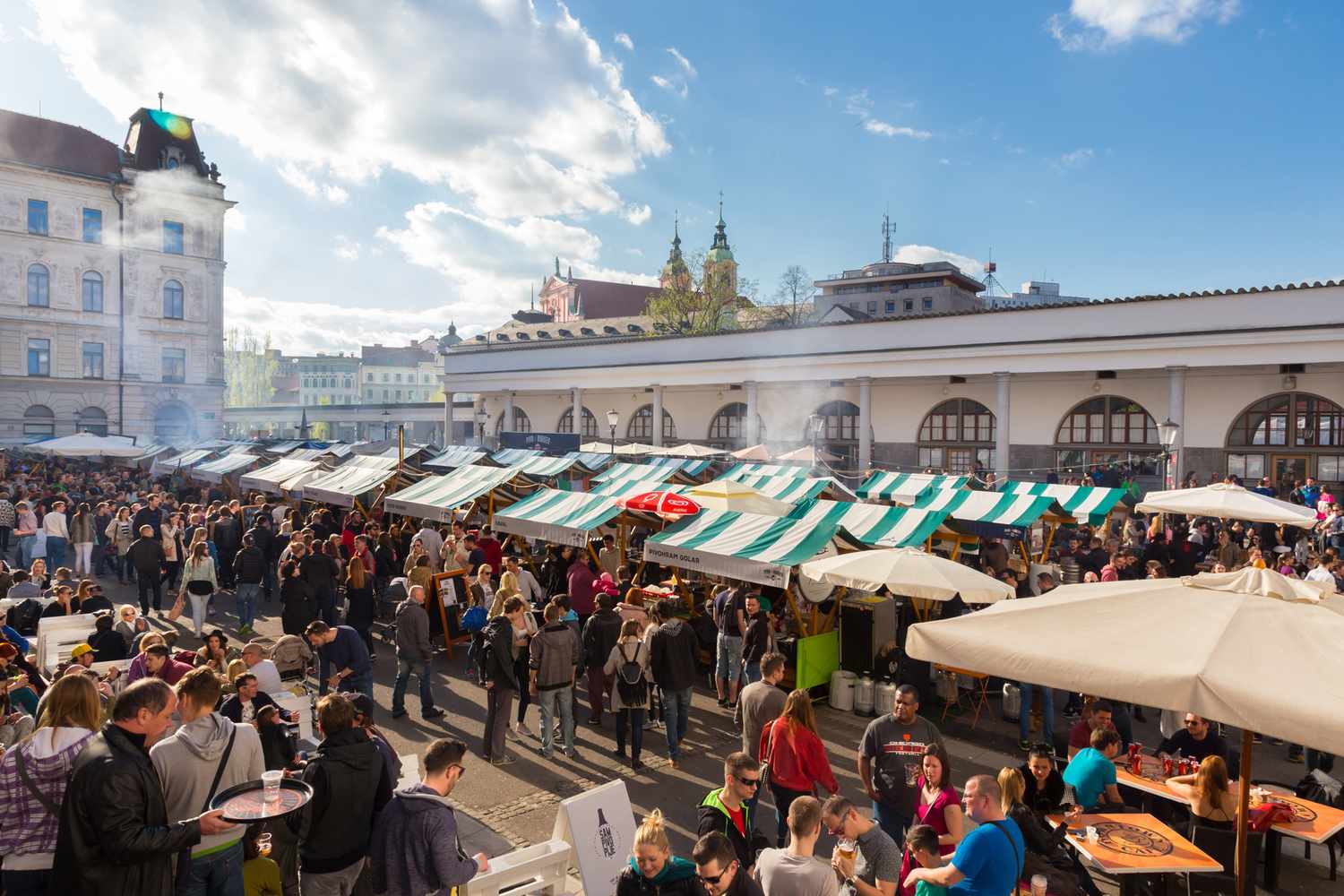
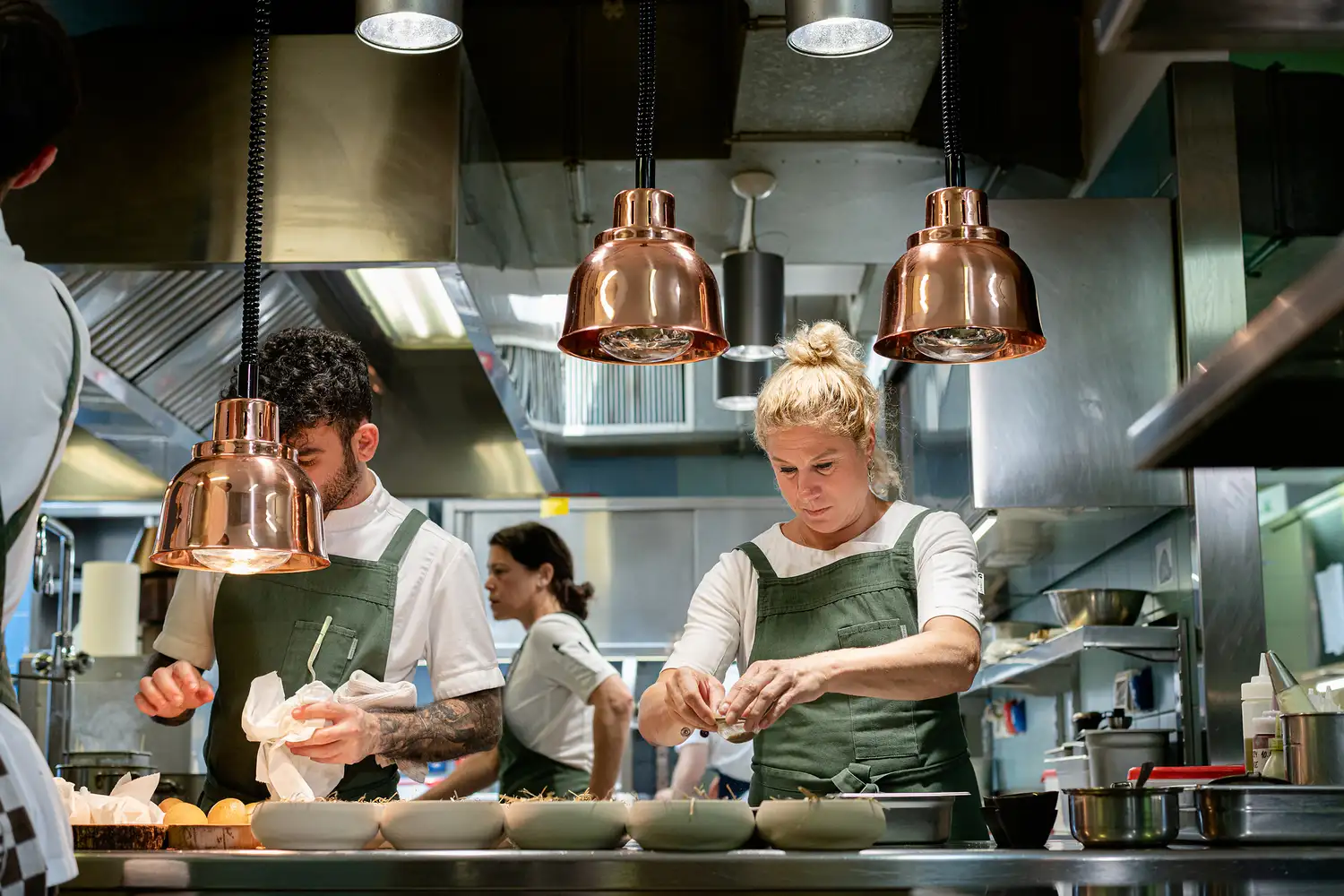
Venturing slightly inland toward Ljubljana offers a glimpse into Slovenia's green innovation. The city has reinvented itself as a haven for the slow food movement, anchored by the lively Odprta kuhna (Open Kitchen) market. No gourmet journey through Slovenia is complete without acknowledging the rise of Michelin star dining in the Soča Valley, led by chefs like Ana Roš of Hiša Franko, who have placed this corner of the world on the global map by focusing on local forage and hyper-seasonal ingredients.
Coastal Wonders: Rovinj, Pula, and Poreč
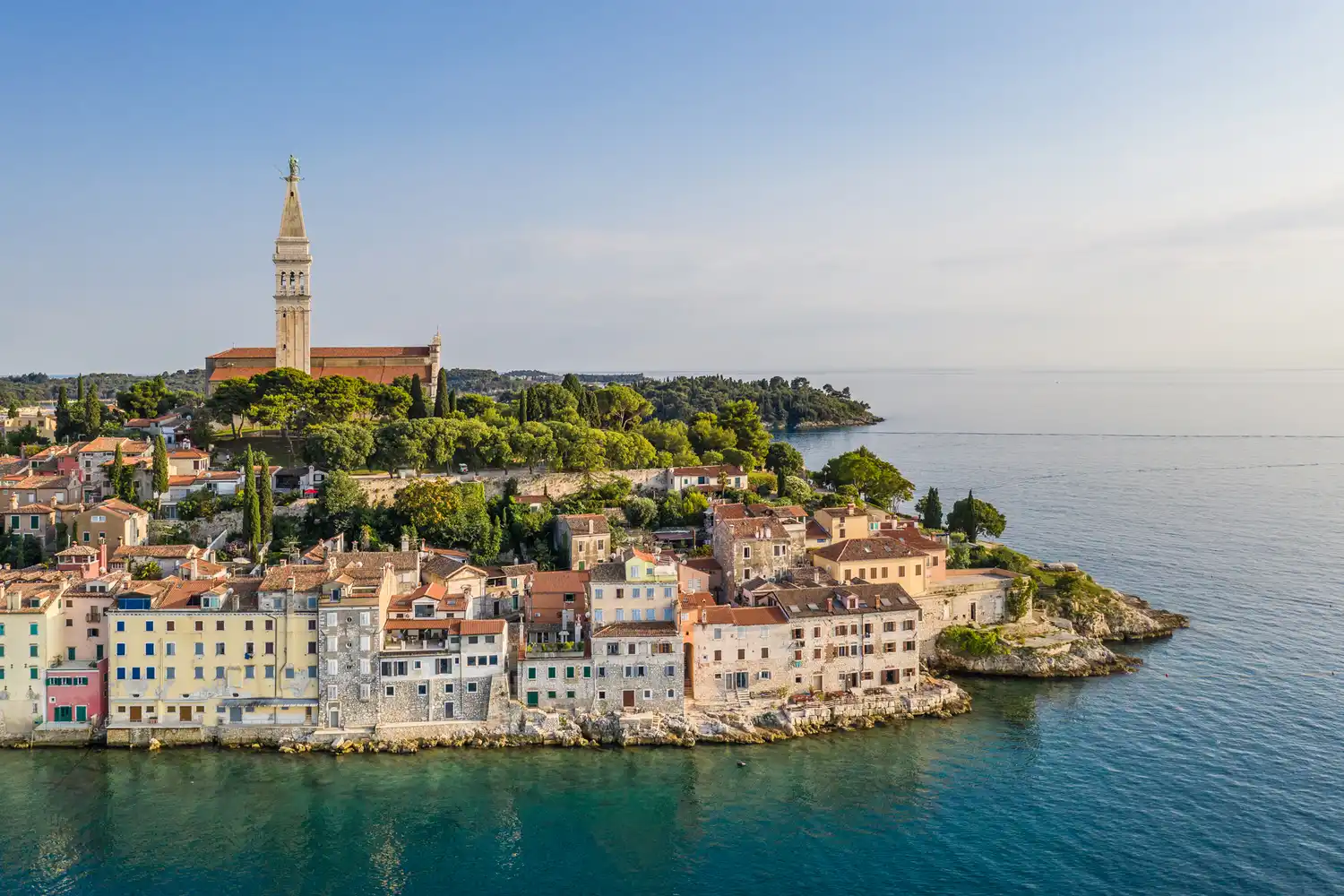
Crossing into the Croatian portion of the peninsula, the atmosphere shifts toward a more rustic, sun-baked elegance. If you are looking for the best towns to stay in Istria for road tripping, Rovinj is the undisputed choice. Originally an island before the channel was filled in the 18th century, Rovinj’s old town is a labyrinth of steep, cobblestone streets that spiral up toward the Church of St. Euphemia. The light here is legendary, reflecting off the pastel-colored facades in shades of ochre and rose. It serves as an ideal hub, allowing you to settle in for several nights while the rest of our Istria road trip itinerary remains within a short drive.
Further south lies Pula, a city that provides a jarring and beautiful contrast to the medieval aesthetics of Rovinj. Here, Roman antiquities take center stage. The Pula Arena is one of the world's best-preserved Roman amphitheaters, still hosting concerts and film festivals under the stars. For an entry fee of approximately €10, you can walk the same tunnels where gladiators once prepared for combat. Not far from the Arena, the Temple of Augustus stands as a testament to the city’s 2,000-year history.
In Poreč, the religious history of the region is etched in gold. The Euphrasian Basilica is a UNESCO World Heritage site featuring Byzantine mosaics that rival those of Ravenna. Between these coastal anchors, the drive reveals hidden coves and small fishing villages where the daily catch—scampi, sea bass, and Atlantic bonito—is served within hours of being pulled from the water.
The Inland Odyssey: Hilltop Villages and Culinary Gold
While the coast is magnetic, the soul of the peninsula is found in the interior. The debate of medieval hilltop villages vs coastal towns Istria is one settled only by visiting both. Inland Istria is a landscape of rolling hills capped by fortified towns that look like they were plucked from a fairytale. Motovun, perched high above a forest floor rich with truffles, is the most famous. Its stone gates and ramparts offer views that stretch for miles across the Mirna River valley. Nearby, Grožnjan has reinvented itself as a village of artists, where the sound of classical music drifts from open windows into quiet, flower-lined alleys.
The gastronomic heart of this region is found in its agriturismo culture—farm-to-table dining in its most honest form. An Istria food and wine guide would be incomplete without a deep dive into the 130km wine route. Istria is famous for its white Malvasia and red Teran wine varieties, as well as distinctive orange wines produced through prolonged skin contact. These wines are the perfect accompaniment to the region’s artisanal products: air-dried pršut (prosciutto), sharp goat cheeses, and the legendary white truffles found in the Motovun forest during the autumn months.
Engaging in truffle hunting and olive oil tasting experiences Istria is the best way to understand the local obsession with quality. At places like the Kumparička farm, you can taste goat cheese that captures the wild herbs of the Istrian scrubland. At an olive oil mill, you will learn why the region consistently tops the world rankings. The bite of a fresh, grassy Istrian oil is a revelation, a sensory memory that stays with you long after the trip is over.
Traveler Tip: When driving through the interior, look for the "Vinska Cesta" (Wine Road) signs. Many of the best boutique viticulture estates are small, family-run operations where the winemaker might be the one pouring your glass.
Practical Logistics for 2026
Planning an Istria road trip itinerary requires a few logistical considerations to ensure a smooth journey. In 2025, the County of Istria recorded 5.0 million tourist arrivals, reflecting its growing popularity. However, the region remains manageable if you avoid the peak of July and August.
2026 Budget Estimates
| Traveler Type | Daily Budget | Accommodation Type | Dining Style |
|---|---|---|---|
| Budget | €80 - €100 | Hostels or Guesthouses | Local markets & Konobas |
| Mid-range | €120 - €180 | Boutique hotels or Agriturismo | Mixed Michelin & Rustic |
| Luxury | €350+ | 5-star Coastal Resorts | Fine dining & Private tours |
Know Before You Go: Car Rentals
Exploring this region requires a car, as public transport will not reach the remote agriturismi or hilltop villages. Rental costs typically range from €35 to €45 per day. Be cautious of high one-way international drop-off fees; it is often more cost-effective to return your car to the same country you rented it from (e.g., renting and returning in Trieste or Zagreb). All three countries use the Euro, making cross-border transactions seamless.
The estimated daily costs for Istria travel 2026 reflect a region that is becoming more premium but still offers incredible value compared to the French Riviera or Tuscany. Whether you are staying in a luxury hotel in Rovinj or a stone villa amidst the vines, the hospitality remains deeply personal.
FAQ
Is Istria worth visiting?
Absolutely. It offers a more authentic, gastronome-focused experience than the southern Dalmatian coast. The blend of Italian, Slovenian, and Croatian cultures makes it one of the most intellectually and sensorially stimulating regions in Europe.
How many days do you need in Istria?
A five to seven-day stay is ideal for exploring the Croatian peninsula alone. However, for a full tri-country itinerary including Trieste and Ljubljana, plan for 8 to 12 days to avoid rushing the experience.
What is the best time of year to visit Istria?
September and October are the prime months. You avoid the summer heat and seaside crowds, the vineyards are in harvest, and the prestigious white truffle season begins. May and June are also excellent for blooming landscapes and pleasant weather.
What are the best towns to stay in Istria?
Rovinj is the premier coastal choice for its beauty and central location. For those who prefer the countryside, Motovun or the area around Momjan offers a peaceful, vineyard-centric atmosphere.
Do you need a car to get around Istria?
Yes, a car is essential. While coastal towns are linked by buses, the best wineries, truffle farms, and hilltop villages are only accessible via private vehicle.
What is Istria most famous for?
Istria is world-renowned for its award-winning olive oil, aromatic truffles, and high-quality Malvasia and Teran wines. Historically, it is famous for its Roman ruins, particularly the Pula Arena, and its well-preserved Venetian-style coastal architecture.