We acknowledge the Traditional Custodians of the lands on which we travel and pay our respects to their Elders past, present, and emerging. We recognize their continuous connection to Country and their role as the original stewards of the Australian landscape.
Quick Facts
- Impact: Indigenous people protect 80% of global biodiversity despite being 5% of the population.
- Growth: Australia saw a record 3.0 million trips incorporating First Nations activities in the 2023-24 financial year.
- Economic Power: First Nations tourism businesses generated nearly $1 billion in revenue and employed approximately 7,000 workers recently.
- Land Tenure: About 16.1% of Australia's land area was owned or controlled by Aboriginal and Torres Strait Islander corporations as of June 2024.
- Core Principle: Caring for Country involves using ancestral knowledge to manage lands sustainably and regeneratively.
- Key Destination: Over 395,000 acres of the Daintree Rainforest have been returned to the Eastern Kuku Yalanji people.
Indigenous-led travel in Australia prioritizes the principle of Caring for Country, where traditional owners use ancestral knowledge to manage lands sustainably. By choosing Aboriginal-owned tourism destinations, visitors support Indigenous economic self-determination and ensure that cultural narratives are shared accurately by the community. These experiences focus on reciprocity and regenerative travel, which helps preserve biodiversity and protect sacred sites like ancient rock art for future generations.
The Landback Movement: Why Stewardship is the New Luxury
For decades, the travel industry viewed the Australian outback and its ancient rainforests as a backdrop for adventure—a wild, "untouched" playground. But as we move toward a more conscious era of exploration, the narrative is shifting. We are finally understanding that these lands have never been untouched; they have been meticulously managed for over 60,000 years. The Landback movement is the driving force behind this cognitive shift, transforming the way we perceive luxury and authenticity in travel.
Landback is not merely a political slogan; in the context of tourism, it represents land restitution and a return to ancestral stewardship. When management rights are returned to First Nations people, the focus of the visitor experience moves from passive consumption to regenerative travel. It is a model built on reciprocity, where the traveler’s presence contributes to the health of the ecosystem rather than its depletion. Statistics show that as of June 2024, approximately 16.1% of Australia's land area was owned or controlled by Aboriginal and Torres Strait Islander corporations, and Native Title interests now cover about 40% of the nation's land mass.
This shift is critical for environmental resilience. Traditional ecological knowledge is often more effective at mitigating climate risks, such as bushfires, than Western methods alone. For the traveler, this means that visiting an area managed by its rightful custodians offers a deeper, more resilient connection to nature. This is the new luxury: the opportunity to witness a landscape through the eyes of those who have held its stories for millennia and to know that your visit supports First Nations autonomy.
From Rainforest to Reef: Key Aboriginal-owned Tourism Destinations
The most profound examples of this movement are found where the ancient world meets modern conservation. In Queensland, the return of the Daintree Rainforest to the Eastern Kuku Yalanji people marked a historic moment for Indigenous-led travel Australia. Walking through the moss-covered roots and towering ferns of Mossman Gorge with a local guide is a masterclass in ancestral stewardship.
Aboriginal walking tours Daintree Rainforest are not just about identifying flora and fauna. When you walk with an Eastern Kuku Yalanji guide, you learn how the forest serves as a pharmacy, a grocery store, and a spiritual cathedral. They share stories of the Kaba Kada (the rainforest) and how their presence ensures the continued protection of this UNESCO World Heritage site. By booking these experiences, you are participating in a system where tourism revenue remains within the local community to fund environmental protection and social justice.
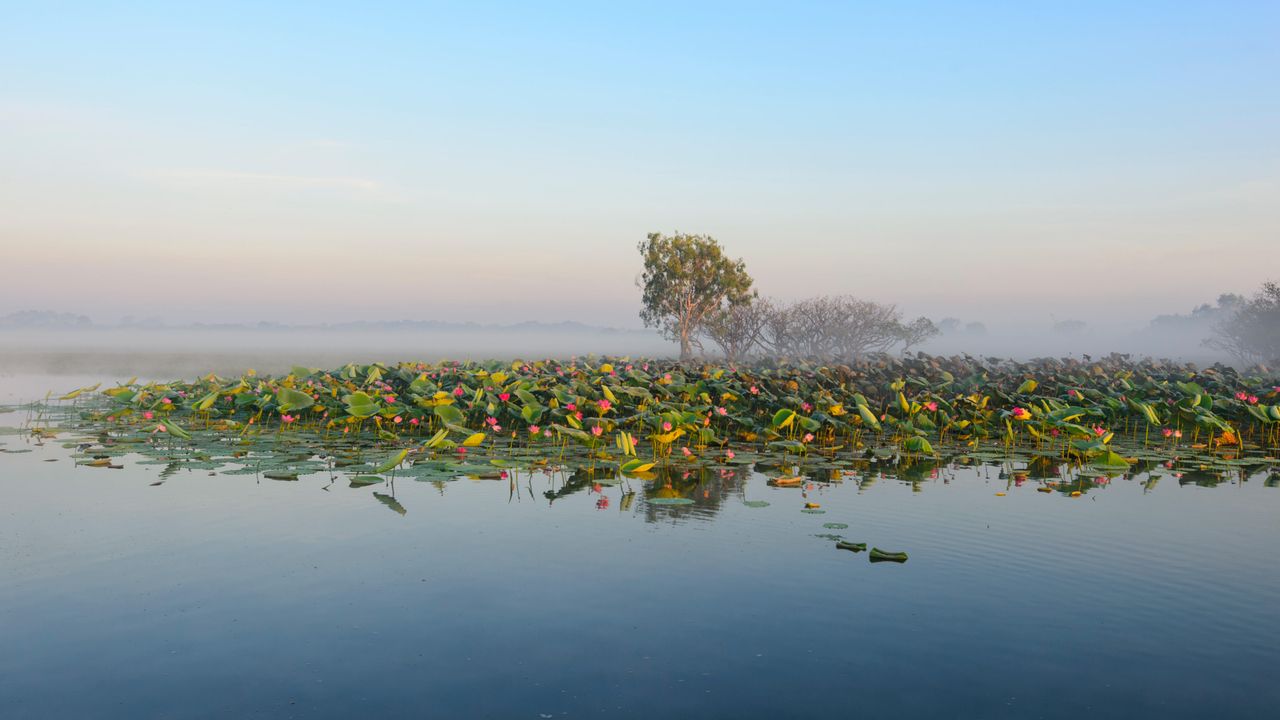
Moving to the "Top End" of the Northern Territory, Kakadu National Park offers a different but equally immersive perspective. This dual-named landscape, known as Kunwinjku or Bininj/Mungguy Country, is home to some of the world's most significant rock art sites. Engaging in Kakadu cultural tours Bininj guide services allows visitors to see Burrungkuy (Nourlangie) through a lens of living history.
Between June and September, the Bininj guides lead cultural activities that follow the traditional six-season calendar. You might find yourself in a weaving workshop, learning how to strip pandanus leaves, or standing before a rock art gallery as a guide explains the laws and stories etched into the stone. These are not static museum displays; they are vibrant, breathing expressions of Indigenous custodianship. The rise in interest is clear: Australia recorded a record 3.0 million trips incorporating First Nations activities in the 2023-24 financial year, proving that travelers are hungry for these authentic connections.

Practical Ethics: How to Travel Respectfully on Returned Lands
As more ancestral lands are returned to their rightful owners, the responsibility of the traveler increases. To engage with Aboriginal-owned tourism destinations Australia respectfully, we must move beyond the "bucket list" mentality and embrace a mindset of humility and learning. Verification is the first step in ensuring your travel dollars support economic self-determination.
The Indigenous tourism sector is a significant economic engine, with reports showing that First Nations tourism businesses generated nearly $1 billion in revenue and employed thousands of workers in the 2022-23 period. To ensure you are supporting legitimate operators, look for businesses that are majority-owned and led by First Nations people.
Here are the essential cultural etiquette for travel on aboriginal land:
- Seek a Welcome to Country: A Welcome to Country is a formal ceremony performed by a Traditional Owner to welcome visitors to their land. As a traveler, you can provide an Acknowledgment of Country, which is a way of showing respect at the beginning of a gathering or tour.
- Observe Signage and Permits: Many areas on returned land require specific permits or have restricted access to protect sacred sites. Always stay on marked paths and respect "No Photography" signs, which are often placed near sensitive cultural locations.
- Consult with Custodians: If you are unsure about whether you can swim in a particular waterhole or enter a cave, ask your guide. Indigenous custodianship involves a deep responsibility to protect the land from spiritual and physical harm.
- Support Economic Circularity: Purchase art and souvenirs directly from Aboriginal-owned art centers or verified collectives like Discover Aboriginal Experiences. This ensures that the artists are paid fairly and the money stays in the community.
- Identify Legitimate Experiences: Use resources like the Welcoming Shores or state-specific Indigenous tourism bodies to find authentic indigenous-led travel australia. Look for the "Aboriginal Art" or "Indigenous Owned" certifications.
When you prioritize identifying legitimate indigenous-led cultural experiences in australia, you are doing more than just booking a holiday. You are supporting a model of tourism that values people and planet over profit. You are helping to ensure that the stories of the oldest living culture on Earth continue to be told by those who own them.

FAQ
What is indigenous-led travel in Australia?
Indigenous-led travel refers to tourism experiences that are owned, managed, and delivered by Aboriginal and Torres Strait Islander people. Unlike traditional tours that may simply talk about Indigenous history, these experiences are grounded in First Nations autonomy and traditional ecological knowledge. They offer a firsthand perspective on Country, culture, and community, ensuring that the narrative remains in the hands of the rightful custodians.
Why is it important to choose indigenous-owned travel experiences?
Choosing indigenous-owned travel experiences ensures that your visit is respectful and culturally accurate. It supports the Landback movement by providing the economic means for traditional owners to stay on and manage their ancestral lands. By avoiding third-party operators who may exploit cultural stories without permission, you contribute to a more ethical and sustainable travel industry that respects Indigenous intellectual property.
How does indigenous tourism benefit local communities?
Indigenous tourism is a vital tool for economic self-determination. It creates jobs in remote and regional areas, allowing young people to stay on Country while pursuing a career. The revenue generated often goes back into community programs, health services, and the preservation of cultural heritage and languages. It also fosters a sense of pride and provides a platform for sharing First Nations perspectives with a global audience.
How can I verify if a tour operator is indigenous-owned?
You can verify an operator by looking for specific local certifications or by checking the Discover Aboriginal Experiences collection, which is part of Tourism Australia’s Signature Experiences. Additionally, look for "Supply Nation" certification or check if the business is a member of a state-based Indigenous tourism union. Authentic operators will usually be transparent about their ownership and the community they represent.
What is the ethical way to engage with indigenous culture in Australia?
The ethical way to engage is through a lens of reciprocity and respect. Listen more than you speak, follow all local protocols regarding sacred sites, and always ask for permission before taking photographs of people or sensitive locations. Focus on supporting the local economy by buying directly from community art centers and opting for tours that emphasize Caring for Country and environmental stewardship.
Experience the Future of Travel
The shift toward Indigenous-led travel Australia is more than a trend; it is a necessary evolution. As travelers, we have the power to help restore the balance between tourism and the environment. By walking alongside a Bininj or Kuku Yalanji guide, you gain more than just a photograph or a souvenir; you gain a profound understanding of what it means to truly belong to a landscape.
Whether it is through mossman gorge aboriginal walking tours daintree rainforest or seasonal storytelling in Arnhem Land, these experiences offer a path toward reconciliation and a more sustainable future for the planet. The future of travel isn't about finding new places; it's about seeing the places we know through a 60,000-year-old perspective. Book your next journey with a First Nations guide and discover the true soul of Australia.