Quick Facts
- Top Sites: The ancient cities of Sagalassos, Termessos, and the tranquil Lake Eğirdir.
- Best Visit Window: Mid-May to June for the rose harvest, or July for the lavender blooming season.
- Hiking Route: The 350km Pisidia Heritage Trail connecting twelve ancient cities.
- 2026 Budget: Expect to spend $120-$250/day for a high-quality mid-range experience including boutique hotels and private transport.
- Essential App: Lithodomos, which provides 3D site reconstructions of Hellenistic architecture and Roman ruins.
- Region Hubs: Isparta and Burdur serve as the primary gateways for logistics and museum access.
The Turkey Lakes Region, centered around Isparta and Burdur, is the ancestral heart of the ancient ruins of Pisidia. This guide explores the dramatic landscapes of the Taurus Mountains and the pristine waters of Lake Eğirdir, offering a sophisticated blend of archaeological exploration and outdoor adventure for the modern traveler.
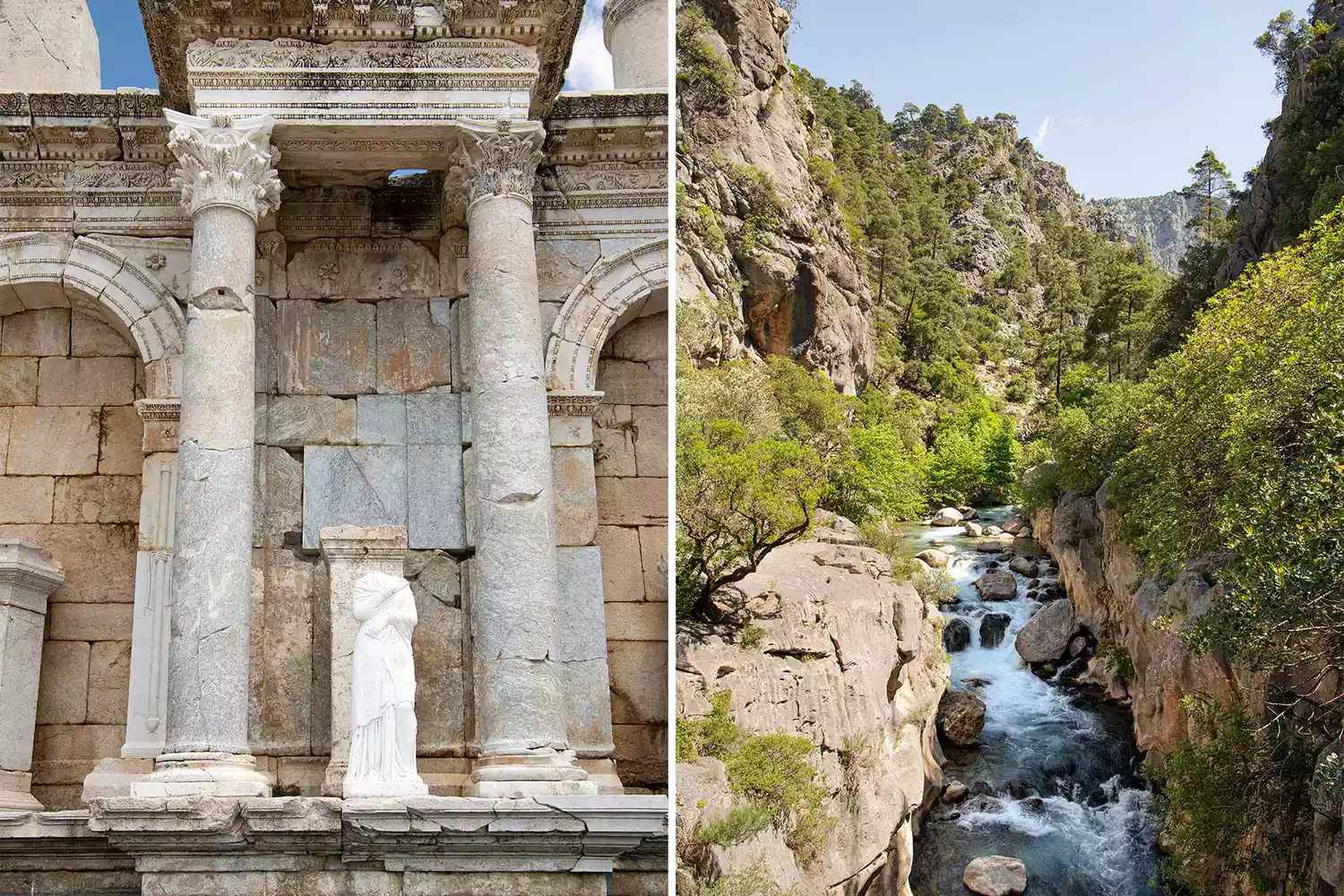
The Archaeological Triangle: Sagalassos, Termessos, and Selge
Venturing into the high-altitude interior of southwestern Turkey reveals a landscape where the Anatolian plateau meets the rugged peaks of the Taurus Mountains. For the traveler interested in the ancient ruins of Pisidia, three sites stand above the rest, forming what scholars often call the Archaeological Triangle. These cities were built by a fierce, independent people who resisted even the greatest conquerors.
The crown jewel is the ancient city of Sagalassos. Situated at an altitude of approximately 1,750 meters, this site has been on the UNESCO World Heritage Tentative List since 2009. What makes Sagalassos remarkable is its state of preservation and the meticulous restoration work led by Belgian teams. The Antonine Nymphaeum is the centerpiece—a massive, functional Roman fountain where water once again flows through the original pipes into a shimmering basin. When considering Sagalassos ancient city visiting tips and practical info, remember to arrive early. The morning light hitting the white limestone theater, which seats 9,000 people, offers one of the most evocative photographic opportunities in Turkey.
Further east lies Termessos, famously known as the city Alexander the Great could not conquer. Built into a mountain cleft, it remains largely un-excavated, giving it an "Indiana Jones" atmosphere that more polished sites lack. Finally, there is Selge, located within the Köprülü Canyon National Park. Selge is famous for its dramatic rock formations—massive limestone pillars that look like petrified giants. These sites are categorized by their Hellenistic architecture, characterized by monumental arches and theaters designed to harmonize with the verticality of the surrounding cliffs. For a deeper understanding of these structures, the British Institute at Ankara has conducted extensive surveys that help modern visitors visualize the urban sophistication of this high-altitude civilization.
Lake Eğirdir: The Freshwater Heart of the Region
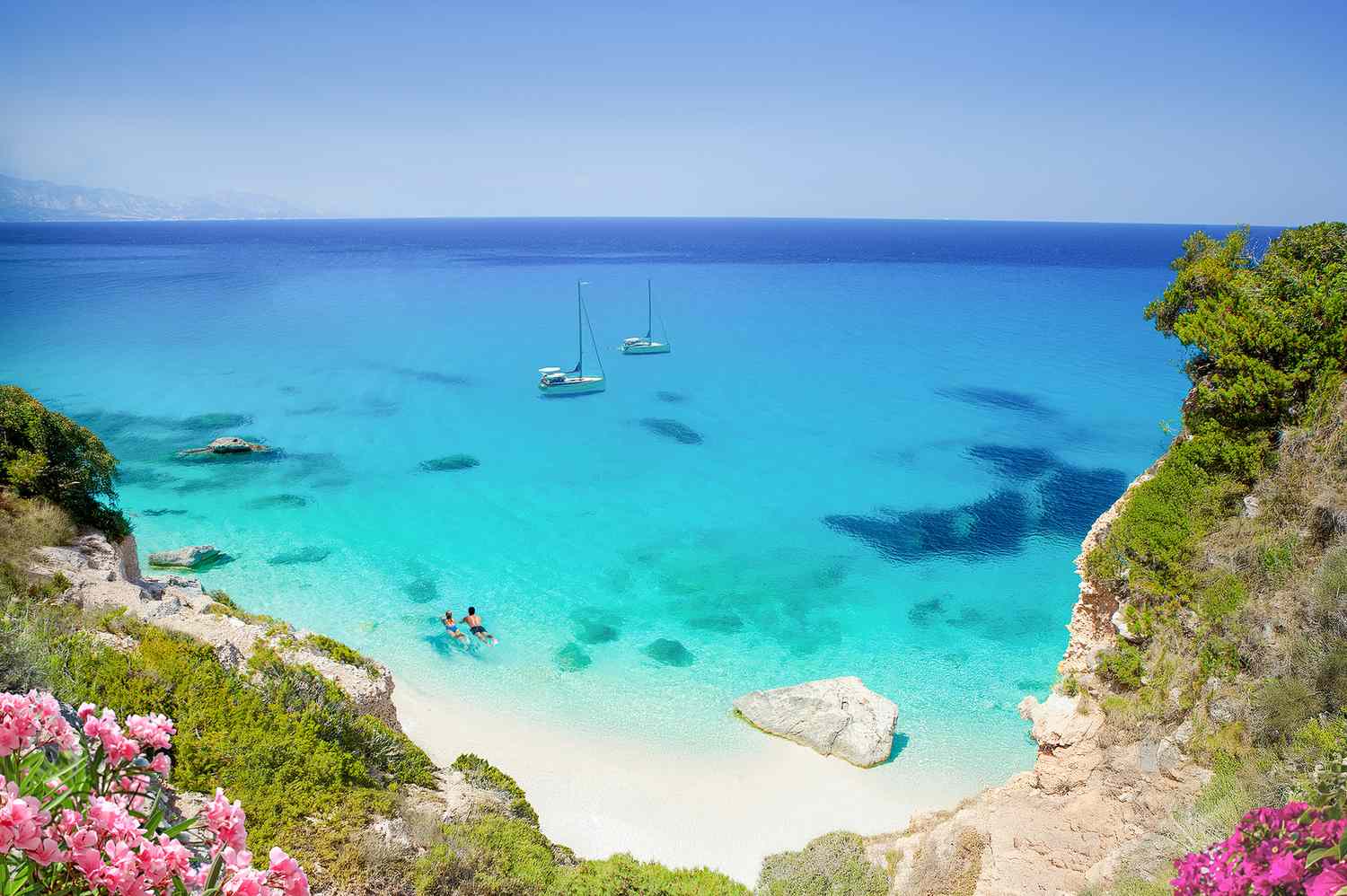
While the mountains hold the secrets of the past, the basins between them hold the region's lifeblood. Lake Eğirdir, located in Turkey's Lakes Region, is the fourth largest lake in the country and the second-largest freshwater resource, covering a surface area of approximately 482 square kilometers. The water is a shifting palette of turquoise and deep sapphire, surrounded by orchards that yield some of the best apples in Europe.
The town of Eğirdir itself sits on a literal crossroads of history. A narrow causeway connects the mainland to two small islands, Canada and Yeşilada. Moving away from the bustling coastal resorts of the Mediterranean, Lake Eğirdir travel advice usually emphasizes the slow-paced, authentic hospitality found here. Travelers stay in traditional konaks—restored Ottoman-era mansions—where the morning starts with the sound of the lake lapping against stone walls.
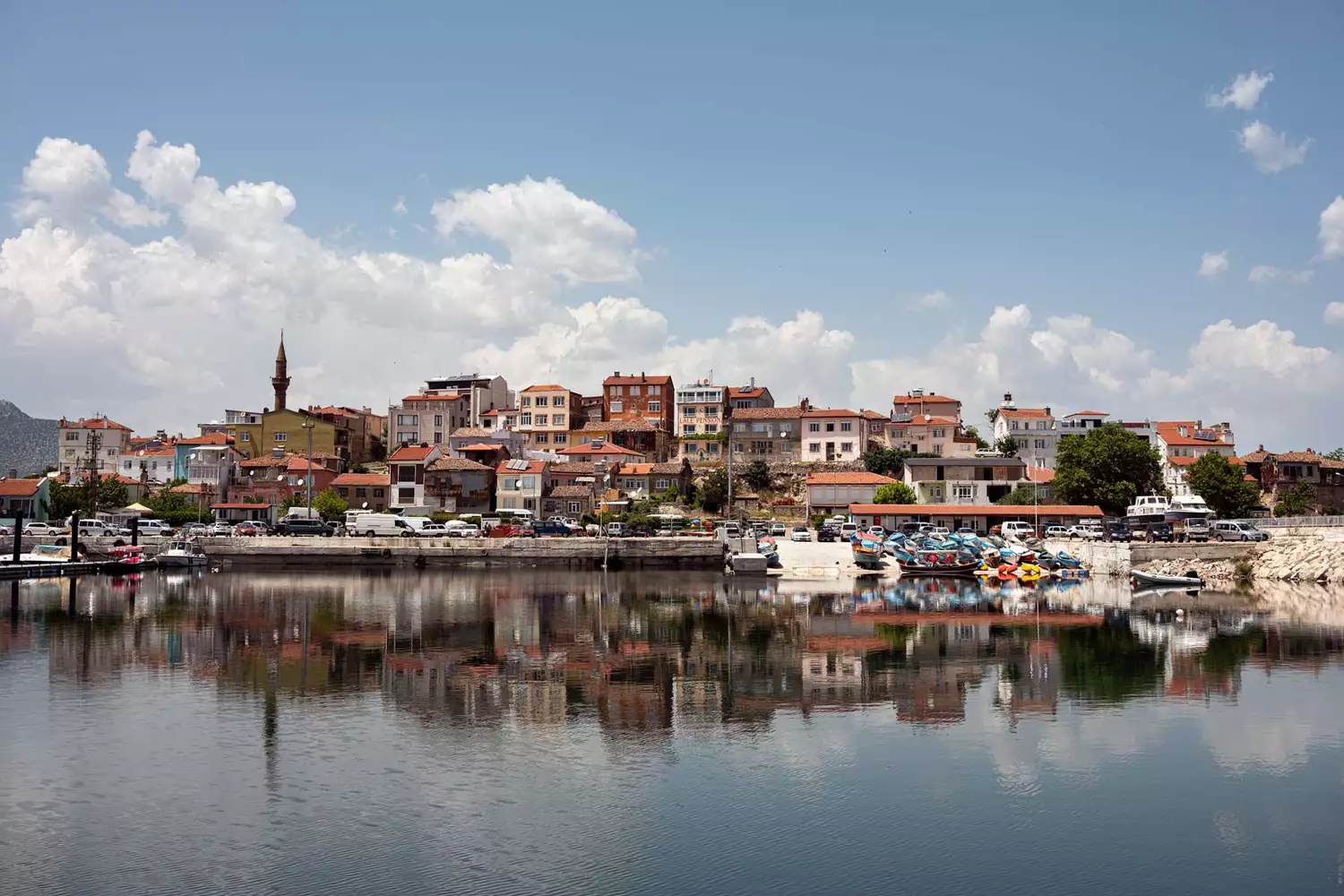
The town is more than just a scenic stop; it is an architectural palimpsest. You can walk from the ruins of a lakeside castle built during the Lydian period to the Dündar Bey Madrasa, a fine example of Seljuk architecture from the 13th century. For international travelers looking for top things to do in Lake Egirdir for international travelers, a boat trip to the uninhabited reaches of the lake is essential. It provides a vantage point to see how the Pisidian cities were strategically placed on the heights above the water, ensuring both defense and access to resources. Ecotourism is the growing trend here, with local cooperatives offering guided foraging tours and visits to nomadic mountain camps.
Trekking the Paths of Antiquity: Pisidia Heritage Trail & St. Paul Trail
For those who prefer to see history at three miles per hour, the Turkey Lakes Region offers some of the most spectacular long-distance hiking in the Mediterranean basin. The most significant of these is the Pisidia Heritage Trail. This waymarked route connects twelve ancient cities through a landscape of cedar forests and deep canyons. It is a journey through a living museum, where archaeological assessments have identified more than 50 known urban and settlement sites dating from the Hellenistic and Roman periods.
Trekking the Pisidia Heritage Trail is not just about the ruins; it is about the cultural encounter. You will frequently encounter Yörük nomads, the seasonal herders of the Taurus Mountains, who still move their flocks between the high summer pastures and the warmer lowlands. Following a step by step guide to hiking the Pisidia Heritage Trail involves planning for remote stretches where GPS and waymarked paths are your best friends.
Hiking Callout Cards
-
Sagalassos to Çanaklı Segment
- Distance: 14 km
- Intensity: Medium-High (Elevation gain of 600m)
- Highlight: Descending from the heights of Sagalassos into hidden valleys filled with wild peonies.
-
Kremna to Yazili Canyon Segment
- Distance: 18 km
- Intensity: High
- Highlight: Exploring the dramatic cliffside ruins of Kremna before entering the vertical limestone walls of Yazili Canyon.
The Saint Paul Trail follows a different narrative, retracing the journey of the apostle from the coast at Perge to Yalvaç. When looking at Saint Paul Trail hiking highlights and route planning, the focus shifts to the Roman roads and the spiritual history of the region. This trail is more established and offers more frequent opportunities to stay in village guest houses. Both trails provide unparalleled access to remote archaeological remains that are inaccessible by car.
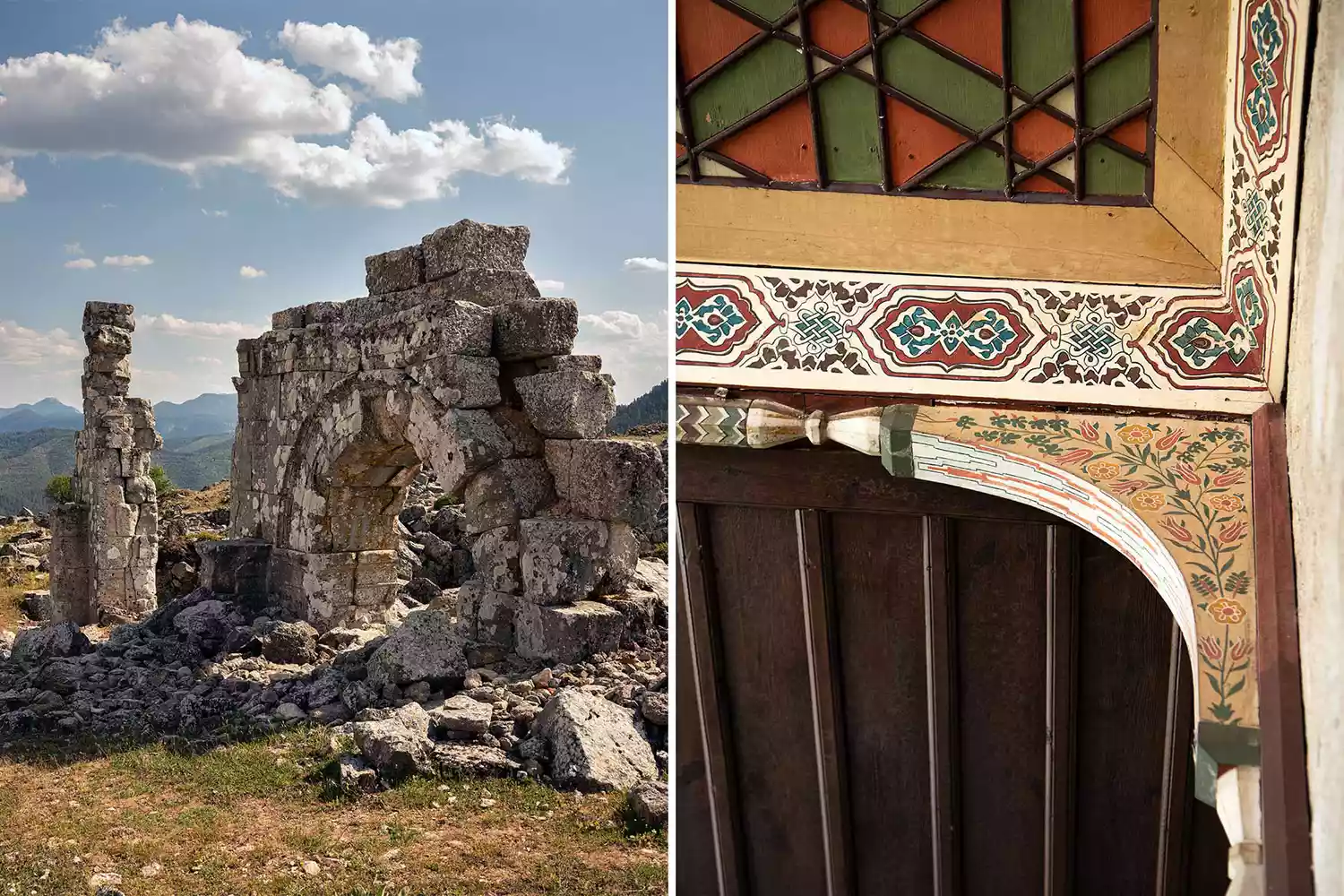
Seasonal Planning: From Rose Harvests to 2026 Logistics
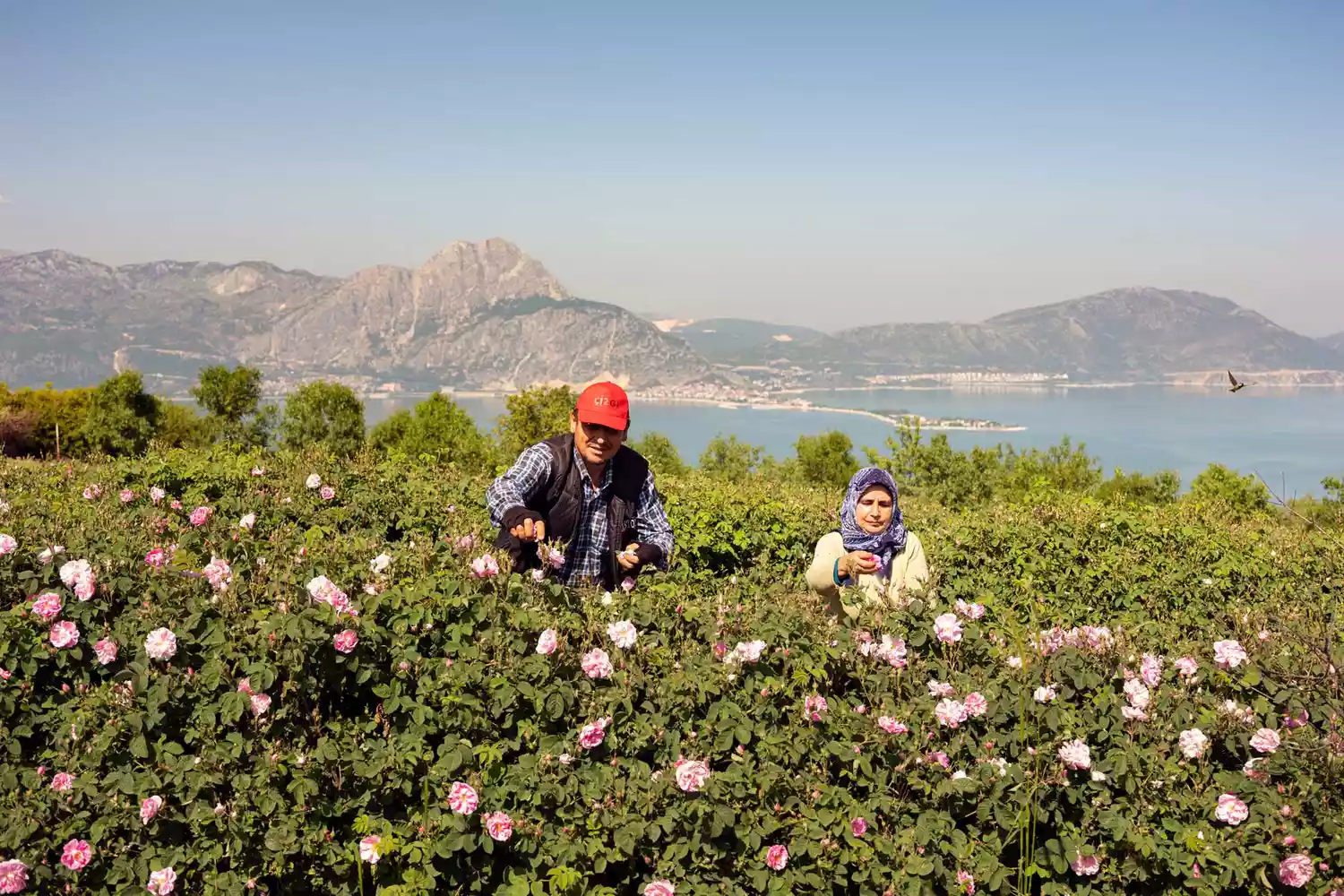
Timing a visit to the Turkey Lakes Region is an exercise in sensory planning. If your interest lies in the flora of the Anatolian plateau, the best time to visit Isparta for the rose and lavender harvests is non-negotiable. Isparta is the world's leading producer of rose oil, and from mid-May to mid-June, the air in the surrounding villages is heavy with the scent of the Rosa Damascena. The rose oil distillation process is a centuries-old tradition that travelers can witness firsthand.
Harvest Calendar
| Month | Feature | Location | Activity |
|---|---|---|---|
| May - June | Rose Harvest | Isparta / Güneykent | Early morning picking & oil extraction |
| July | Lavender Bloom | Kuyucak Village | Photography and essential oil workshops |
| September | Apple Harvest | Eğirdir | Orchard tours and tasting local preserves |
| October | Saffron / Harvest | Regional Highlands | Local foraging and nomadic festivals |
Logistics for 2026 are straightforward but require a bit of foresight. Most travelers fly from Istanbul to Isparta or take a scenic two-hour drive from Antalya. Car rentals remain the most efficient way to navigate the distance between dispersed ruins like the Burdur Archaeology Museum and the lakeside towns. This museum is a critical stop, housing incredible statues from Sagalassos and artifacts from the gladiator city of Kibyra.
No deep-dive into this region is complete without exploring the must try local food specialties in Turkey's Lakes Region. The cuisine is defined by the freshwater environment and the high-altitude climate. In Eğirdir, the signature dish is fried lake perch, caught fresh that morning. In the markets of Burdur, you should seek out poppy-seed halvah and walnut-stuffed pastes. The biodiversity hotspots of the Taurus Mountains also yield unique honeys and herbal teas that are staple components of the local diet.

FAQ
Where is the Turkey Lakes Region located?
The Turkey Lakes Region is situated in southwestern Turkey, northeast of Antalya and south of the Anatolian plateau. It primarily encompasses the provinces of Isparta and Burdur, characterized by the high peaks of the Taurus Mountains and several large freshwater basins.
What is the best time of year to visit the Turkish Lake District?
The ideal window is between mid-May and early October. May and June are perfect for witnessing the rose harvest in Isparta, while July offers the stunning purple landscapes of the lavender fields. Late spring and early autumn provide the best temperatures for hiking the ancient ruins of Pisidia.
Is the Turkey Lakes Region suitable for hiking and outdoor activities?
Yes, it is one of Turkey’s premier adventure destinations. The region hosts the 350km Pisidia Heritage Trail and the Saint Paul Trail, offering world-class trekking. Additionally, Lake Eğirdir is excellent for cycling, boating, and exploring the vertical canyons of the Taurus Mountains.
What is the most beautiful lake in the Turkey Lakes Region?
While Lake Eğirdir is often considered the most beautiful due to its turquoise water and the historic town of Eğirdir, Lake Salda is also a major contender. Known as the "Turkish Maldives," Salda is famous for its white magnesium-rich sands and crystal-clear azure waters.
How much time is needed to explore the Turkey Lakes Region?
A minimum of four to five days is recommended to see the major sites like Sagalassos and Eğirdir. However, enthusiasts who want to partake in trekking the Pisidia Heritage Trail or visit the various rose and lavender villages should plan for seven to ten days to fully experience the pace of life in the highlands.