Quick Facts
- Core Calendar: SUMMA Mallorca (April 9–12, 2026) and Nit de l’Art (September).
- Premier Venues: Pueblo Español for solo projects and the neo-brutalist Palau de Congressos.
- Gallery Density: Palma de Mallorca features more galleries per capita than any other Spanish city.
- Signature Crafts: Traditional roba de llengües (ikat) textiles and hand-blown glass.
- Artisan Hubs: Casco Antiguo and the Sant Feliu district of Palma.
- Market Value: The regional art market is estimated to generate between 60 million and 80 million euros annually.
Experience the total transformation of the Mallorca art scene. Once known for its sun and sand, the island has evolved into a global Mediterranean epicentre for gallery management and contemporary art collectors. In 2026, events like SUMMA Mallorca and the legacy of Joan Miró define a new era of slow luxury.
The Gallery Circuit: A Self-Guided Tour of Palma’s Casco Antiguo
The stone-paved streets of Palma’s Old Town hold secrets that centuries of sunlight have yet to fade. Walking through the Casco Antiguo architecture, one finds that the city’s true pulse beats behind heavy studded doors and within high-ceilinged courtyards. It is here that the Palma de Mallorca contemporary art galleries have carved out a space that feels both avant-garde and ancient. The city has earned its reputation as one of Europe’s most vital creative centers, with more art galleries reported per capita than any other city in the country.
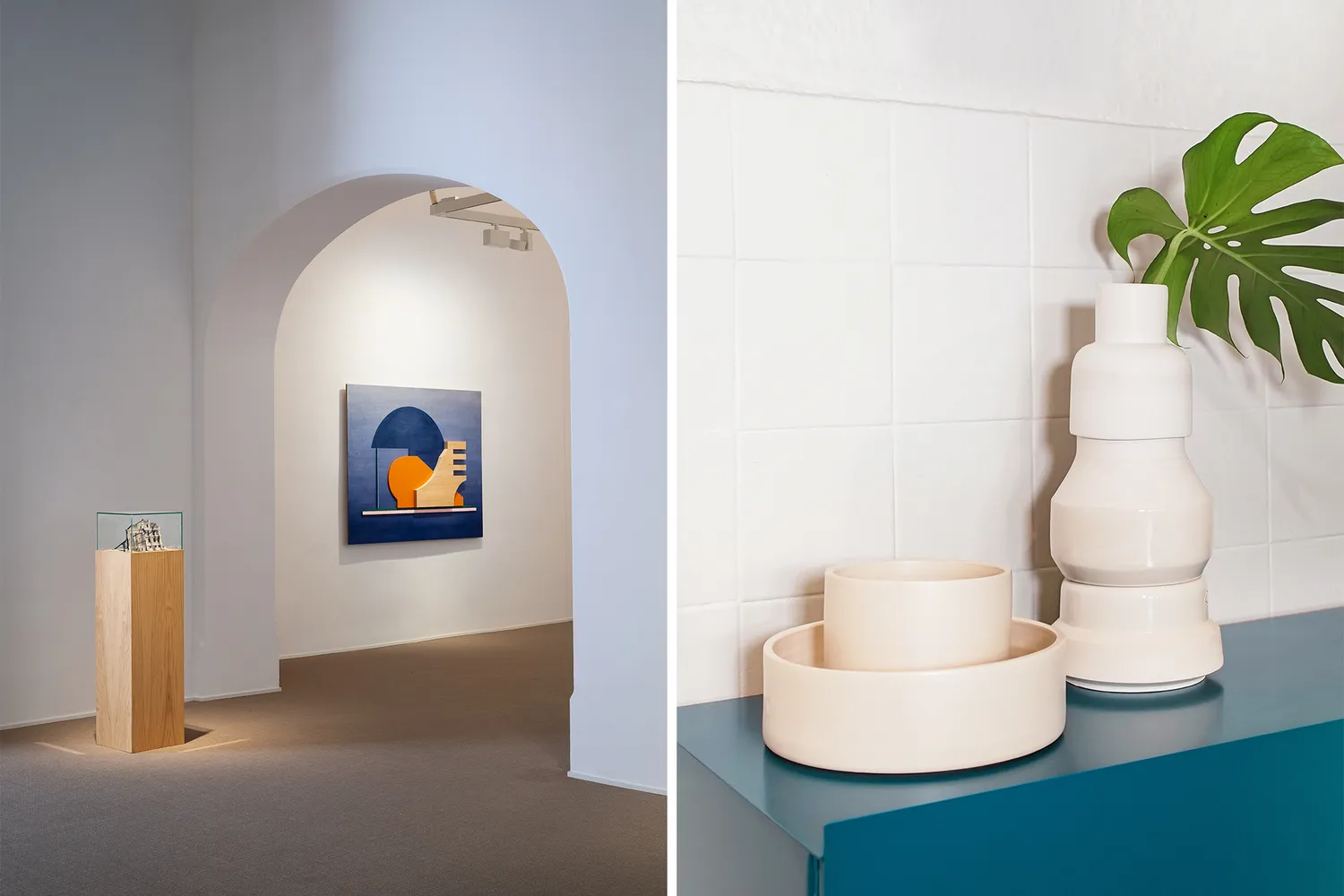
To begin a self-guided walking tour of Palma contemporary art galleries, start in the Sant Feliu district. This neighborhood serves as the anchor for the island’s intellectual and creative life. Your first destination should be Galeria Pelaires. Nestled in a building that breathes history, Pelaires is legendary not just for its curation, but for its Joan Miró legacy. The artist’s presence is still felt in the airy rooms where modernism first took root on the island. From here, wind your way toward Kewenig Gallery. Housed in a 13th-century chapel, the space creates a profound tension between the sacred Gothic arches and the provocative contemporary installations it hosts.
The beauty of the Mallorca art scene lies in this juxtaposition. You might find yourself standing in a curated exhibition spaces that once served as a stable, looking at a minimalist sculpture that reflects the golden Balearic light. This concentration of international gallery outposts has turned Palma into a destination for contemporary art collectors from across the globe, seeking works that respond to the unique Mediterranean aesthetic.
Essential Stops on the Gallery Route
- Galeria Pelaires: A cornerstone of Art Palma Contemporani, showcasing high-concept international talent.
- Kewenig Gallery: Known for its site-specific artistic interventions within a medieval architectural frame.
- Baró Galeria: A space that often bridges the gap between South American and European contemporary voices.
- Gerhardt Braun Gallery: Housed in a grand palace, offering a sensory explosion of color and digital media.
2026 Art Calendar: SUMMA and ART COLOGNE
The 2026 season marks a definitive milestone for the island’s cultural prestige. While the summer months bring the heat, the spring and autumn bring the discerning crowds. If you are planning how to attend SUMMA Mallorca 2026 art fair, mark your calendars for April 9–12. The fair takes place at Pueblo Español, an architectural museum that serves as a labyrinthine backdrop for solo projects and experimental media. Unlike larger, more clinical fairs, SUMMA is designed for intimacy, allowing visitors to engage deeply with individual artists in a setting that mimics a Mediterranean village.
Closely following the spring excitement is the newest titan on the calendar. Visiting ART COLOGNE PALMA MALLORCA exhibition 2026 offers a glimpse into the heavyweight commercial side of the industry. The inaugural edition was a massive success, featuring 88 galleries from 20 different countries and drawing over 10,000 visitors. Held at the neo-brutalist Palau de Congressos, the fair provides a sharp contrast to the historic city center, proving that Mallorca is as comfortable with modern glass and steel as it is with honey-colored limestone.
| Event | Dates | Venue | Highlight |
|---|---|---|---|
| SUMMA Mallorca | April 9–12, 2026 | Pueblo Español | Solo gallery projects and focus on emerging talent. |
| Art Cologne Palma | Spring/Summer 2026 | Palau de Congressos | High-end international trade and global collectors. |
| Xtant Festival | May 2026 | Various Palaces | Global heritage textiles and Balearic cultural heritage. |
| Nit de l’Art | September 2026 | Citywide | A late-night "white night" where every gallery opens its doors. |
The Slow Luxury of Mallorcan Craftsmanship and Boutiques
Beyond the white walls of the galleries, a different kind of art is being practiced in the sun-drenched studios of the island's many makers. This is the world of Mallorcan craftsmanship, where the rhythm of the loom and the heat of the glass furnace dictate the pace of life. For those seeking a guide to Mallorcan ikat fabric and roba de llengües workshops, the journey often leads to the outskirts of Palma or the village of Santa Maria del Camí. These "cloth of tongues" are created through a complex resist-dyeing process that has been passed down through generations. To touch these textiles is to feel the weight of Balearic history; they are sustainable, durable, and intrinsically linked to the island's soul.
The artisan boutiques in Palma offer a curated selection of these local treasures. At Rialto Living, a premier concept store, one can find ikat cushions and hand-woven linens that define the modern Mediterranean aesthetic. For those interested in the olfactory arts, the best artisan perfumeries in Palma de Mallorca old town provide a journey through scent. Arquinesia is a particular standout; walking into their incense-filled shop is like stepping back in time. Their fragrances, based on local botanicals like orange blossom and fig, capture the essence of a Mallorcan garden in a bottle. Viti Vinci also offers a bespoke experience, using wild-harvested plants to create scents that are as much artistic interventions as they are perfumes.
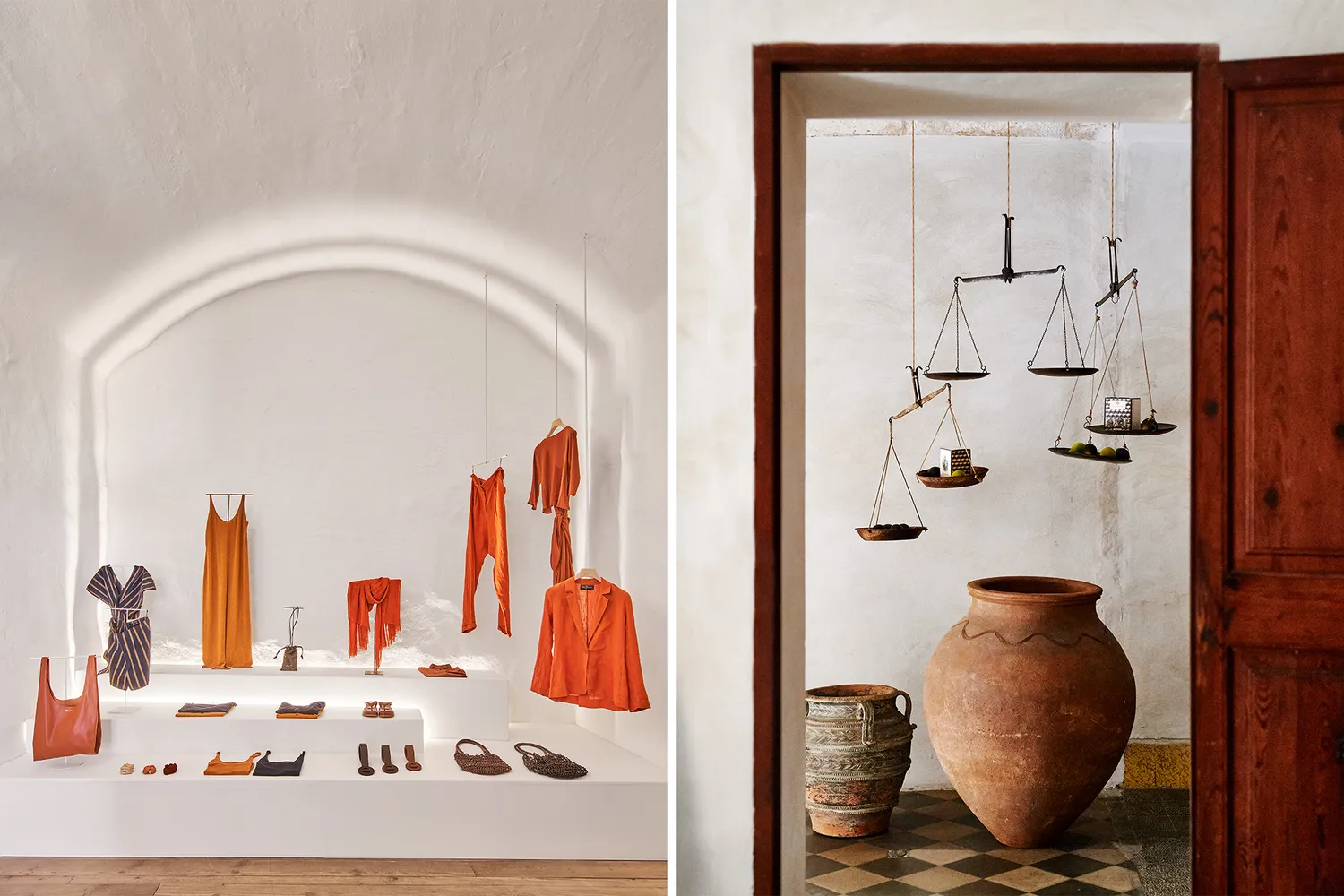
In the realm of ceramics and fashion, the Mallorca textile and design events like Xtant have brought global attention to local makers. Cortana, a brand founded by Mallorcan-born Rosa Esteva, produces garments that mirror the island’s fluid landscape and soft light. Her boutique in Palma is a masterclass in slow luxury, emphasizing natural fabrics and timeless silhouettes. For clay enthusiasts, PK Studio offers contemporary ceramics that move away from traditional rustic styles toward a more refined, sculptural language.
Creative Stays: Art Hotels and Rural Enclaves
For the creative traveler, where you sleep should be as inspiring as the galleries you visit. The rise of designated art hotels has changed the hospitality landscape on the island. A prime example is Portella, located in the heart of the historic center. This 17th-century building has been reimagined as a sanctuary where local glasswork and fine art are integrated into the architecture itself. It is a place where one can wake up under original wooden beams and breakfast surrounded by pieces that reflect the burgeoning Mallorca art scene.
While Palma is the undisputed brain of the island's art movement, its heart is scattered across the rural landscape. In the mountain village of Deià, established artists have long sought refuge in the shadow of the Tramuntana range. Today, towns like Santanyí and Artà have become hubs for contemporary art collectors who prefer a slower pace. These towns host weekly markets where high-end craft meets local agriculture, and where independent studios are tucked away in quiet side streets. This geographic expansion ensures that the artistic spirit of the island is not confined to the capital but is a living, breathing part of the entire Balearic identity.
Whether you are wandering through the shadows of a 13th-century chapel-turned-gallery or selecting a hand-dyed ikat fabric from a hidden boutique, Mallorca offers a sensory depth that few other destinations can match. The island has successfully transitioned from a seasonal getaway to a year-round cultural powerhouse, inviting us all to slow down, look closer, and participate in its ongoing creative evolution.
FAQ
Is Mallorca a good destination for art lovers?
Absolutely. The island has transformed into one of Europe's premier art destinations, featuring the highest concentration of galleries in Spain per capita. Beyond exhibitions, the island offers a rich tapestry of historical architecture, traditional crafts like ikat weaving, and world-class art fairs that attract global collectors.
What are the best art galleries to visit in Mallorca?
Key stops include Galeria Pelaires for its historical significance and contemporary roster, Kewenig Gallery for its stunning 13th-century chapel setting, and Gerhardt Braun Gallery for immersive, modern installations. For a more industrial feel, check out the galleries in the Sant Feliu district.
Where can I see Joan Miró's work in Mallorca?
The Fundació Pilar i Joan Miró in Palma is the most significant site, featuring the artist's studios and a vast collection of his works. Additionally, Galeria Pelaires often exhibits pieces related to his legacy, and the Es Baluard Museum of Modern and Contemporary Art holds several of his important works.
When is the Nit de l'Art in Palma de Mallorca?
Nit de l’Art typically takes place in mid-September. It is the city's premier cultural event where galleries, museums, and private studios open their doors to the public for a late-night celebration of contemporary art, often accompanied by street performances and wine tastings.
Which towns in Mallorca are known for their art scene?
While Palma is the central hub, the villages of Deià, Santanyí, and Artà are famous for their artistic communities. Deià has a long history of attracting writers and painters, while Artà and Santanyí have become popular for their independent galleries and weekly artisan markets.