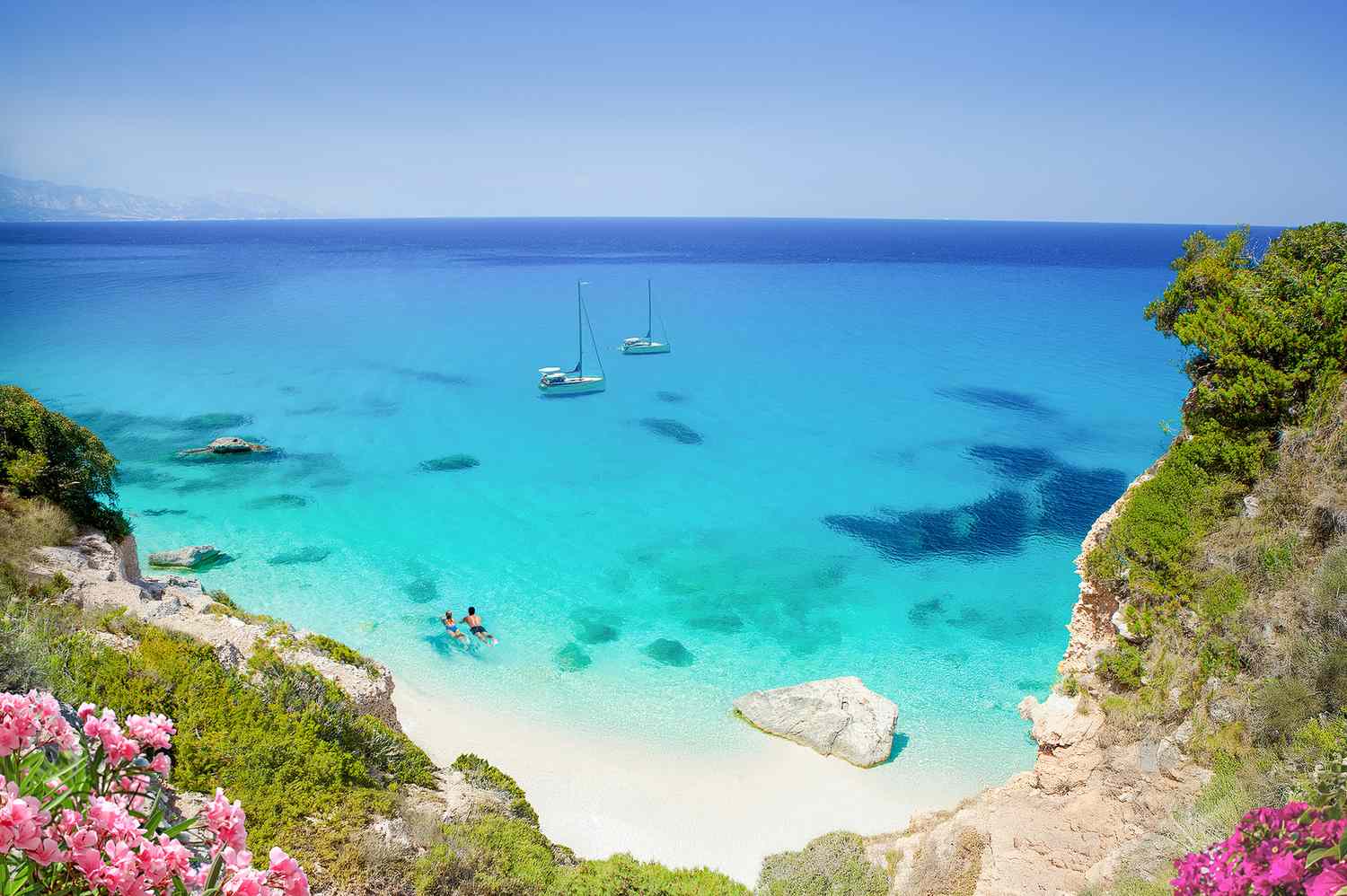
Quick Facts
- 300+ Days of Sun: A true year-round destination with a Mediterranean climate.
- Direct Access: United Airlines offers seasonal direct flights from Newark (EWR) to Faro Airport (FAO).
- Luxury Base: Average premium stay starts at approximately $156 per night.
- 2026 Rule: ETIAS entry authorization will be required for US travelers by late 2026.
- Top Activity: Boat tours to the stunning Benagil Cave are the region's most popular excursion.
- Traveler Record: The region remains a global favorite, hitting a historic 5.2 million visitors in 2024.
The Algarve is frequently called the California of Europe due to its 100-mile coastline of dramatic limestone cliffs, golden sand beaches, and world-class surf culture. Similar to the American West Coast, the region features sun-drenched rolling vineyards, a Mediterranean climate, and a distinct blend of eco-conscious luxury resorts and laid-back coastal towns like Lagos. From the historic gates of Faro Airport to the wild beauty of the Costa Vicentina, this Algarve travel guide explores the best things to do in Algarve Portugal for 2026.
Why the Algarve is the California of Europe
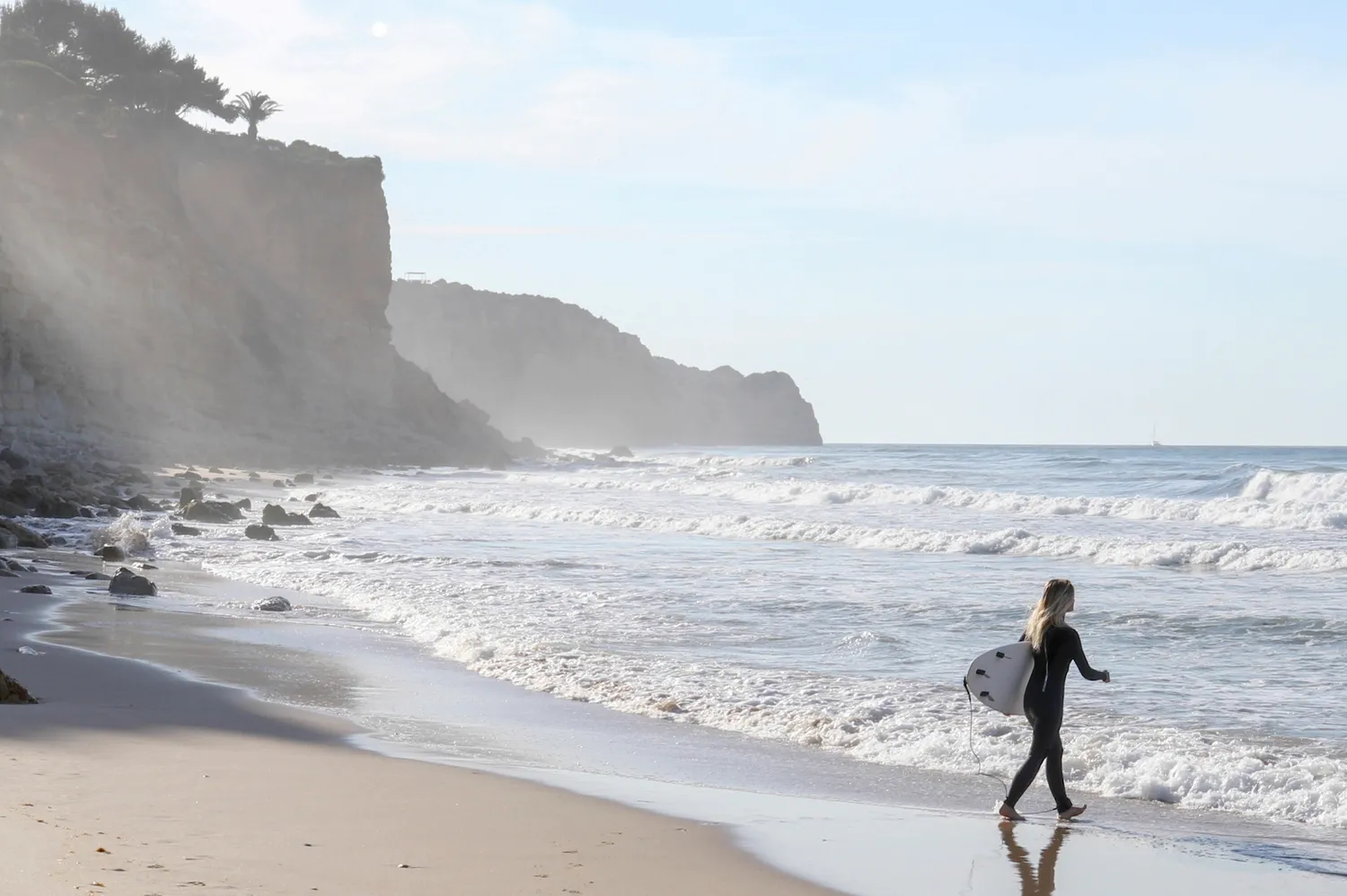
To understand why the Algarve is called the California of Europe, you only need to stand on the edge of the Sagres peninsula and look out at the Atlantic Ocean. The geography is strikingly familiar to a West Coast road trip. The honey-hued limestone cliffs at Falésia Beach mirror the rugged bluffs of Big Sur, while the consistent rollers hitting the western shore have earned the region a reputation as the surf capital of the continent.
The cultural mapping is just as uncanny. If Lagos is the European answer to Venice Beach—young, vibrant, and deeply rooted in skate and surf culture—then Sagres is undoubtedly Huntington Beach, a dedicated pilgrimage site for those chasing the perfect swell. Even the inland landscape follows the script; as you move away from the azure Atlantic, the hills are carpeted in sun-drenched vineyards. The emerging wine scene here, particularly around Silves, offers a focused, boutique experience reminiscent of the early days of Napa or Sonoma.
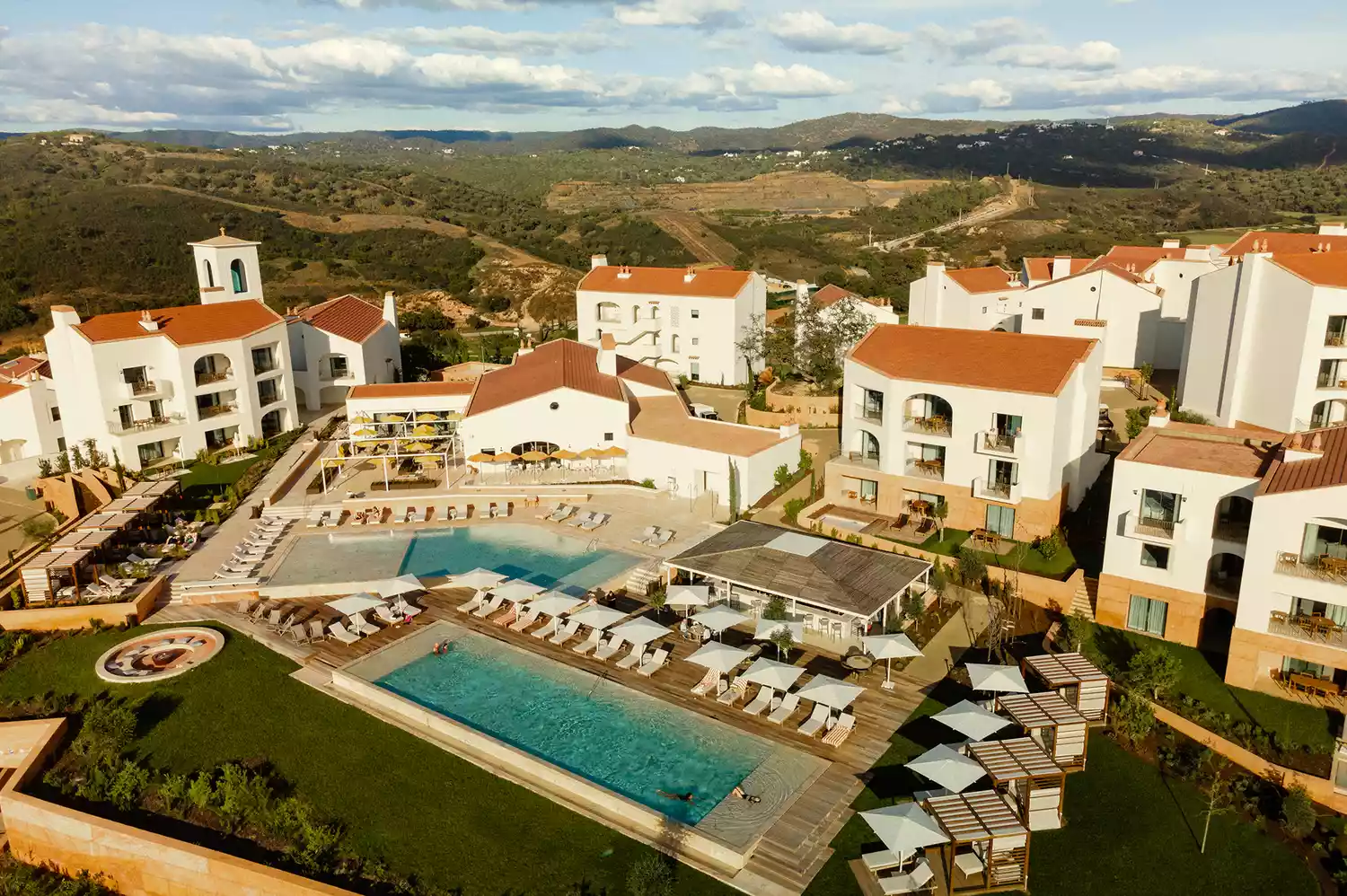
Modern development is also shifting toward a more sustainable, Californian model. We are seeing a rise in eco-conscious luxury that prioritizes the preservation of the landscape over high-density construction. Projects like the Viceroy at Ombria are leading this charge, integrating high-end hospitality with the natural contours of the hills, mirroring the trend toward regenerative travel seen along the Pacific coast.
2026 Logistics: Getting There and Getting Around
Traveling to southern Portugal has become significantly easier for North American travelers. Faro Airport (FAO) serves as the primary gateway, and the introduction of direct flights from Newark (EWR) has cut down travel times by avoiding the need for a layover in Lisbon. In 2024 alone, the airport handled 9.8 million passengers, showcasing the region's massive appeal as a Tier 1 global destination.
As you plan for 2026, keep in mind two major European travel updates: the Entry/Exit System (EES) and the European Travel Information and Authorization System (ETIAS). By late 2026, Americans and other non-EU citizens will need to apply for ETIAS online before departure. On the ground, you have several options for exploration. While a car rental offers the most flexibility for visiting remote cliffs, knowing how to get around the Algarve using regional trains is a game-changer for those seeking a more relaxed pace.
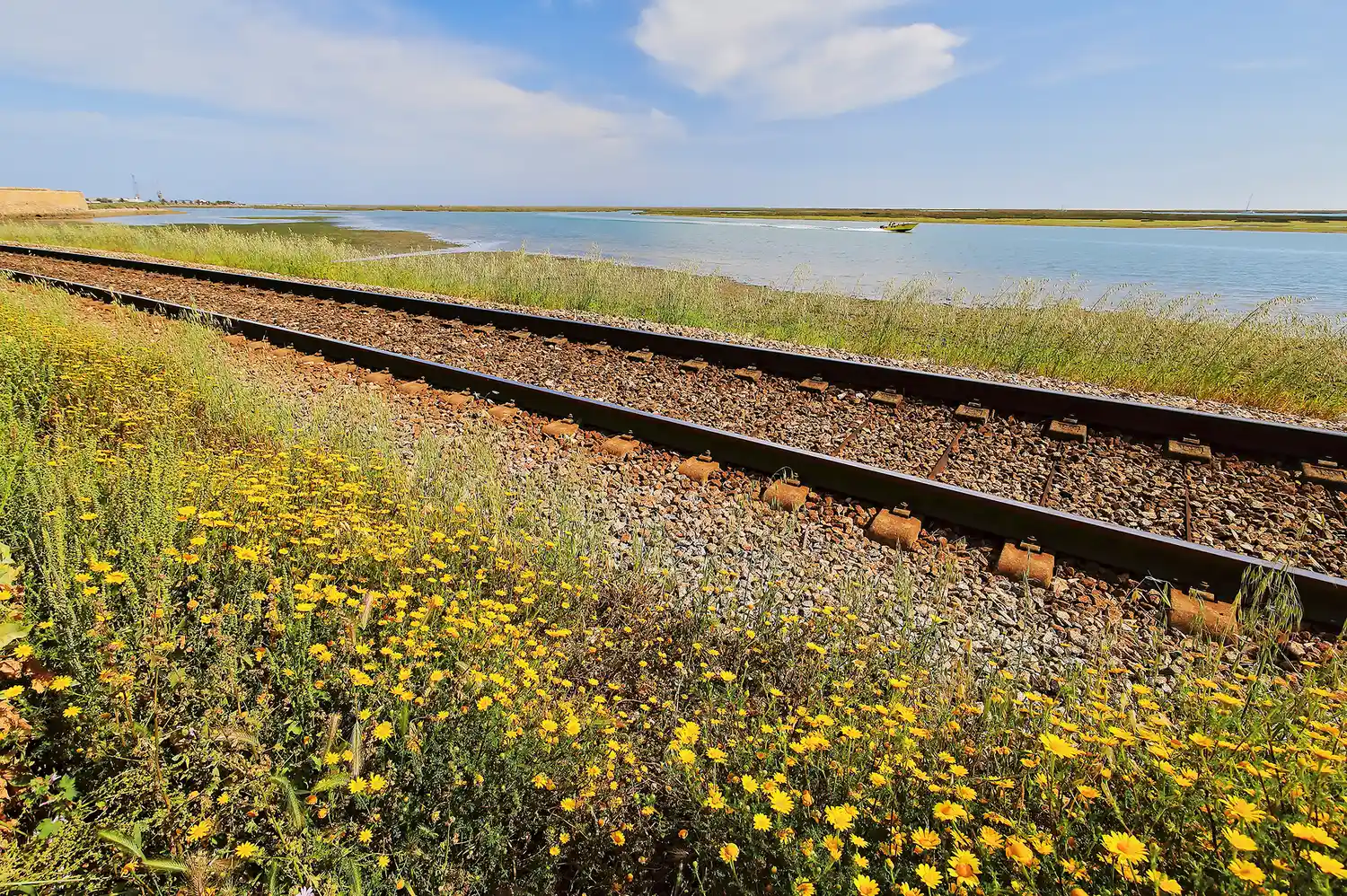
The Linha do Algarve connects the coastal hubs from Vila Real de Santo António in the east to Lagos in the west. It is an affordable, scenic way to hop between traditional market towns without the stress of navigating peak-season traffic.
The Three Faces of the Algarve: Where to Stay
Choosing your home base is the most important decision in any Algarve travel guide. The region is often categorized into three distinct zones, each appealing to a different lifestyle persona.
| Zone | Vibe | Best For |
|---|---|---|
| Central Algarve | Glitzy, upscale, and manicured | Michelin-starred dining, golf, and luxury marinas |
| Western Algarve | Wild, rustic, and adventurous | Surfing, hiking the Costa Vicentina, and sunsets |
| Eastern Algarve | Authentic, traditional, and calm | Ria Formosa lagoon, birdwatching, and seafood |
The Central region, including Vilamoura and Albufeira, is where you find the posh Mediterranean lifestyle. Here, the white-washed buildings feature heavy Moorish architectural influence, mixed with world-class championship golf courses. If you prefer a more rugged experience, head west to the Costa Vicentina. This protected natural park offers wind-whipped cliffs and expansive beaches that feel worlds away from the tourist crowds.
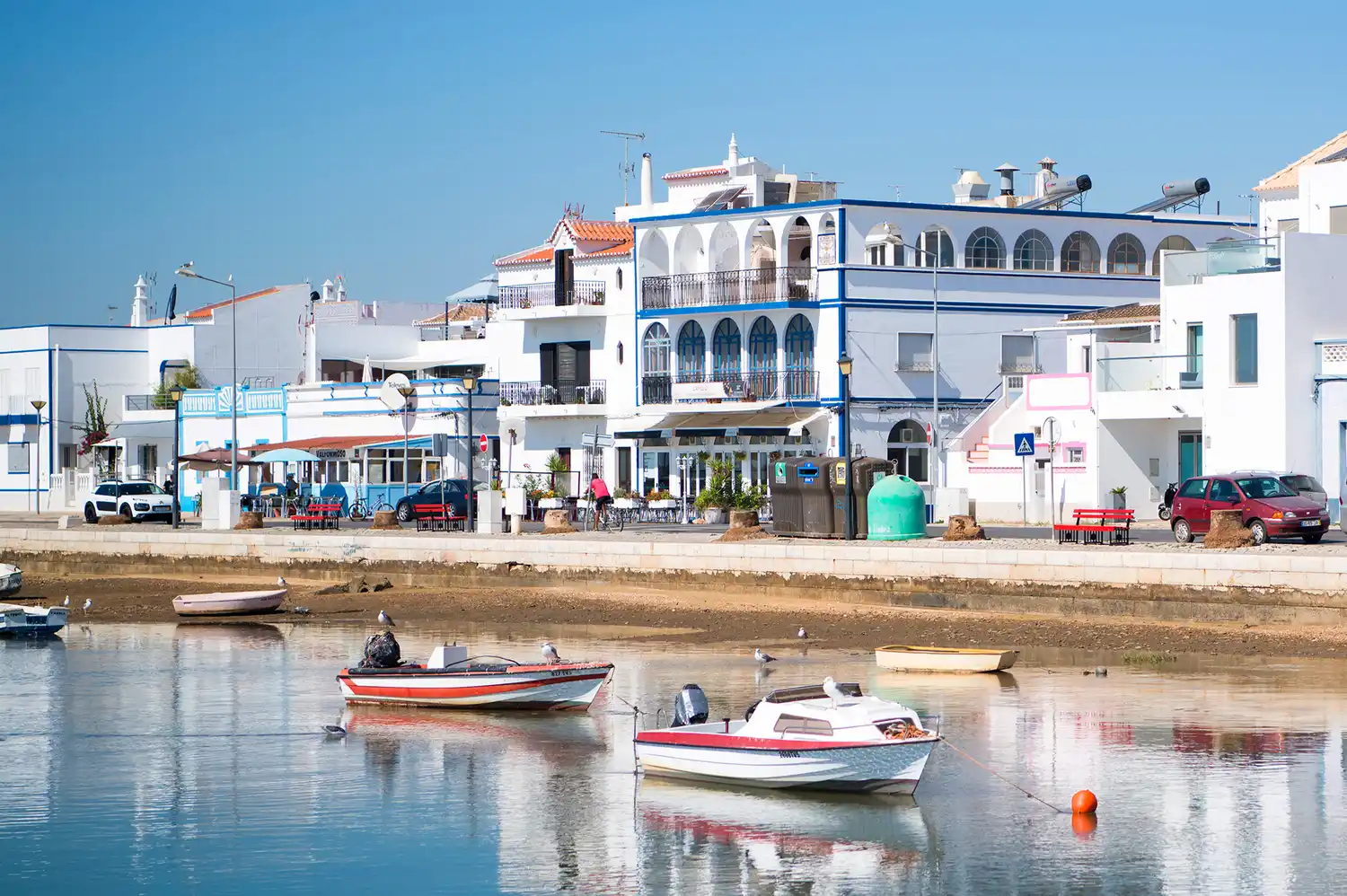
In contrast, the Eastern Algarve remains the region's best-kept secret. The Ria Formosa lagoon, a complex system of barrier islands and marshes, provides a serene backdrop for the historic towns of Tavira and Santa Luzia.
Top Things to Do: From Benagil Cave to Surf Breaks
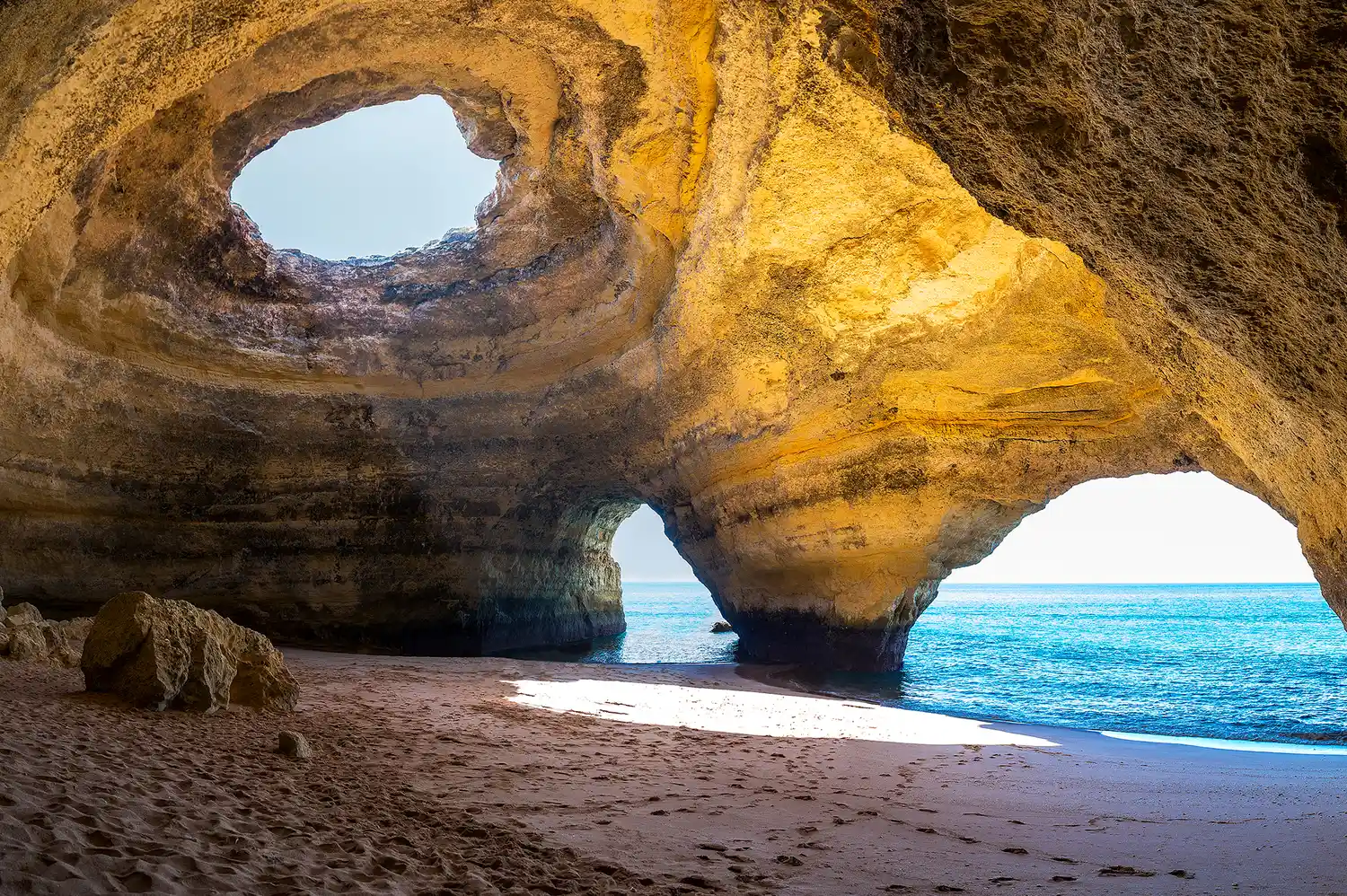
When it comes to the essential things to do in Algarve Portugal, the ocean is the star of the show. Your first priority should be booking a trip to the Algar de Benagil. This essential guide to visiting Benagil Cave Algarve recommends going early in the morning—specifically on a small boat or kayak—to experience the light filtering through the cave’s roof "eye" before the midday crowds arrive.
For those who prefer to stay on land, the Seven Hanging Valleys trail offers some of the most spectacular coastal hiking in Europe. This 7.5-mile path winds along the cliff tops, providing panoramic views that justify why it was voted the best hiking destination in Europe.
Gastronomy is another pillar of the experience. You must visit Santa Luzia, known as the octopus capital. The local seafood gastronomy is legendary here, with traditional restaurants serving arroz de polvo (octopus rice) that has been prepared the same way for generations. Similarly, the market town of Loulé offers a deep dive into local life, where Moorish architectural influence is visible in the domed ceilings of the municipal market.
Luxury Stays and Michelin Dining 2026
The Algarve has successfully transitioned from a budget beach destination to a premier luxury hub. For high-end travelers, some of the best luxury resorts in Algarve include the legendary Vila Vita Parc and Pine Cliffs Resort. These properties are more than just hotels; they are self-contained ecosystems of wellness, sporting excellence, and culinary mastery.
The dining scene is equally impressive, anchored by Vila Joya, which holds two Michelin stars and offers an intimate tableside view of the Atlantic. For a more contemporary feel, the new Viceroy at Ombria represents the next generation of eco-conscious luxury, focusing on inland serenity rather than just beachfront proximity.
Families are also remarkably well-catered for. The best luxury beach resorts in Algarve for families often include "Kids Clubs" that focus on environmental education and local crafts, ensuring that the younger generation connects with Portuguese culture rather than just the hotel pool.
Best Time to Visit and Avoiding the Crowds
While August is the most popular month, it is rarely the best time to visit Algarve if you want to experience the region’s true character. The heat can be intense, and the popular beaches become crowded. Instead, seasoned travelers aim for the shoulder season.
The months of May, late September, and early October represent the sweet spot. During these windows, the weather remains warm enough for swimming in the Atlantic, but the coastal towns are significantly quieter. This is the best time to visit Algarve for avoiding crowds while still ensuring all the seasonal boat tours and outdoor restaurants are fully operational.
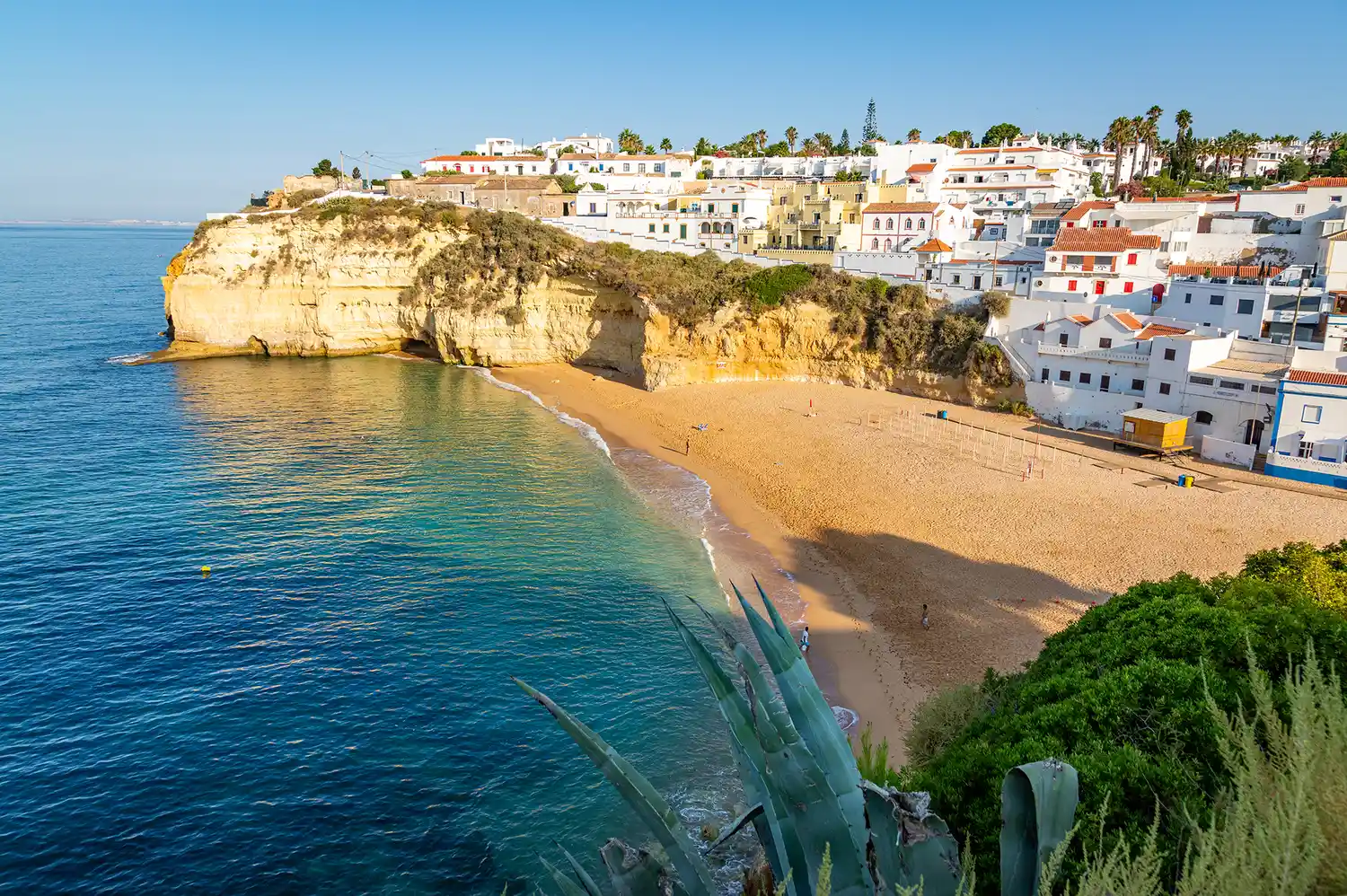
If you are a hiker or surfer, the winter months (November to March) are surprisingly pleasant. While the water is cooler, the daytime temperatures are mild, and you can explore the scenic coastal towns to visit in Algarve beyond Albufeira—such as Carvoeiro or Aljezur—without another tourist in sight.
FAQ
What is the best month to visit the Algarve?
The best month to visit the Algarve is generally September or May. During these shoulder seasons, the weather is warm and sunny, but the crowds are far thinner than in July and August. September is particularly good because the Atlantic Ocean has had all summer to warm up, making it the best time for swimming.
Is the Algarve expensive for tourists?
Compared to other major European summer destinations like the French Riviera or the Amalfi Coast, the Algarve offers excellent value. While luxury resorts and Michelin-starred restaurants can be pricey, local dining, transportation, and mid-range accommodations remain very affordable for North American and Northern European travelers.
How many days do you need in the Algarve?
To truly appreciate the region's diversity, you need at least five to seven days. This allows you enough time to explore a few different towns, take a boat tour to Benagil Cave, and spend a day or two lounging on the golden sand beaches without feeling rushed.
Is it better to stay in Lagos or Albufeira?
The choice depends on your preference. Lagos is better for those who enjoy a historic town center, surf culture, and proximity to wilder beaches. Albufeira is better for those looking for central convenience, vibrant nightlife, and a wide variety of large-scale resort amenities.
Do you need a car to get around the Algarve?
While you can use the regional train and buses to travel between major towns, having a car is highly recommended if you want to visit hidden beaches or hike the remote cliffs of the Costa Vicentina. Public transport is less frequent in the rural and western areas.
What is the closest airport to the Algarve?
The closest airport is Faro Airport (FAO), located right in the center of the region. Most travelers can reach their accommodation in the central Algarve within 30 to 45 minutes of landing. United Airlines also provides direct seasonal flights from Newark to Faro for added convenience.