Start your 2026 global journey with this adventure travel guide to world national parks. From Jordan's red sands to the Himalayan heights, discover the best international national parks for wildlife tracking and scenery. As a traveler looking for the next great frontier, you will find that the shift toward sustainable tourism and deep-dive exploration has made these remote corners more accessible than ever before.
Quick Facts
- Top Trekking: Sagarmatha (Everest), Nepal, where high-altitude alpine environments meet Sherpa culture.
- Best for Wildlife Tracking: Tanzania's Serengeti for the Great Migration and Nepal's Chitwan for one-horned rhinoceroses.
- Cultural Depth: The Wadi Rum Protected Area in Jordan features 12,000 years of documented human history via ancient inscriptions.
- Conservation Success: Rwanda's Volcanoes National Park remains a gold standard for protected mountain gorilla encounters with strict permit caps.
- Unique Stays: Desert bubble hotels in Wadi Rum and luxury floating bungalows in Khao Sok, Thailand.
- Planning Insight: Many best international national parks now require booking permits months in advance for 2026 expeditions.
The best international national parks for 2026 include Jordan's Wadi Rum for historical petroglyphs, Nepal's Sagarmatha for mountain trekking, and Tanzania's Serengeti for the Great Migration between June and September. These destinations offer a blend of UNESCO World Heritage sites and high-intent adventure travel guide to world national parks opportunities for the global explorer.
Desert Echoes: Wadi Rum Protected Area, Jordan
To stand in the heart of Wadi Rum is to feel the weight of time. This is not just a landscape of vermillion cliffs and towering sandstone; it is a sprawling open-air museum. The Wadi Rum Protected Area in Jordan covers 720 square kilometers and serves as a vital repository of the past, containing approximately 25,000 petroglyphs and 20,000 inscriptions that document 12,000 years of human history. These ancient carvings bridge the gap between indigenous cultural heritage and modern exploration, offering a rare look at how prehistoric societies interacted with this harsh but beautiful desert.
The geological formations here are the primary draw for those seeking the best international national parks for photography and scenery. Known as the Valley of the Moon, the canyons and rock bridges offer a shifting palette of color from burnt orange to deep maroon as the sun sets. For the modern traveler, unique accommodations in global national parks have reached a pinnacle here. You can spend the night in desert bubble hotels, which allow for immersive stargazing from the comfort of a climate-controlled dome. These structures are designed to provide a luxury experience while maintaining a low-impact footprint on the delicate desert floor.
Access to Wadi Rum is typically managed through the gateway town of Aqaba or from the visitor center at the park entrance. While self-driving is an option for those comfortable with sand navigation, booking accredited guided tours ensures you reach the most remote geological landmarks without getting lost in the vast dunes. It is an essential stop for any comprehensive planning international national park trips itinerary through the Middle East.
Lowland Legends: Chitwan and Sagarmatha, Nepal
Nepal offers a dramatic duality that few other countries can replicate. To the south, the humid lowlands house the legendary Chitwan National Park. Established in 1973 as Nepal's first national park, it encompasses approximately 952 square kilometers and serves as a stronghold for biodiversity hotspots. Crucially, the park protects roughly two-thirds of the world's population of one-horned rhinoceroses, making it a premier destination for those seeking a guide to safari expeditions in international national parks.
In contrast to the dense jungles of Chitwan, the northern reaches of the country are dominated by the high-altitude alpine environments of the Himalayas. Sagarmatha National Park, home to Mount Everest, has seen its popularity skyrocket over the decades. The park received 57,690 tourists in 2022, a massive leap from the roughly 3,600 annual visitors it saw in 1979. This increase underscores its reputation as the best global national parks for mountain trekking destination, though it requires significant physical preparation and respect for the local Sherpa culture.
Navigating Nepal involves a mix of lowland safaris and high-altitude endurance. While the Annapurna Conservation Area offers the iconic Annapurna Circuit, Sagarmatha provides the sheer verticality of the world's highest peaks. Travelers should plan for potential flight delays into Lukla and ensure they have the necessary TIMS permits and mountain insurance before venturing into these remote wilderness expeditions.
Primal Jungles: Volcanoes National Park & The Serengeti
For travelers focused on wildlife conservation corridors, Africa remains the undisputed heart of the park system. In Rwanda, Volcanoes National Park offers one of the most intimate wildlife encounters on the planet. Here, the focus is on the mountain gorilla. To protect the population, the park implements strict park entry regulations, limiting trekking to only 96 permits per day. This scarcity creates a high-demand environment but ensures the survival of these great primates by funding local habitat preservation.
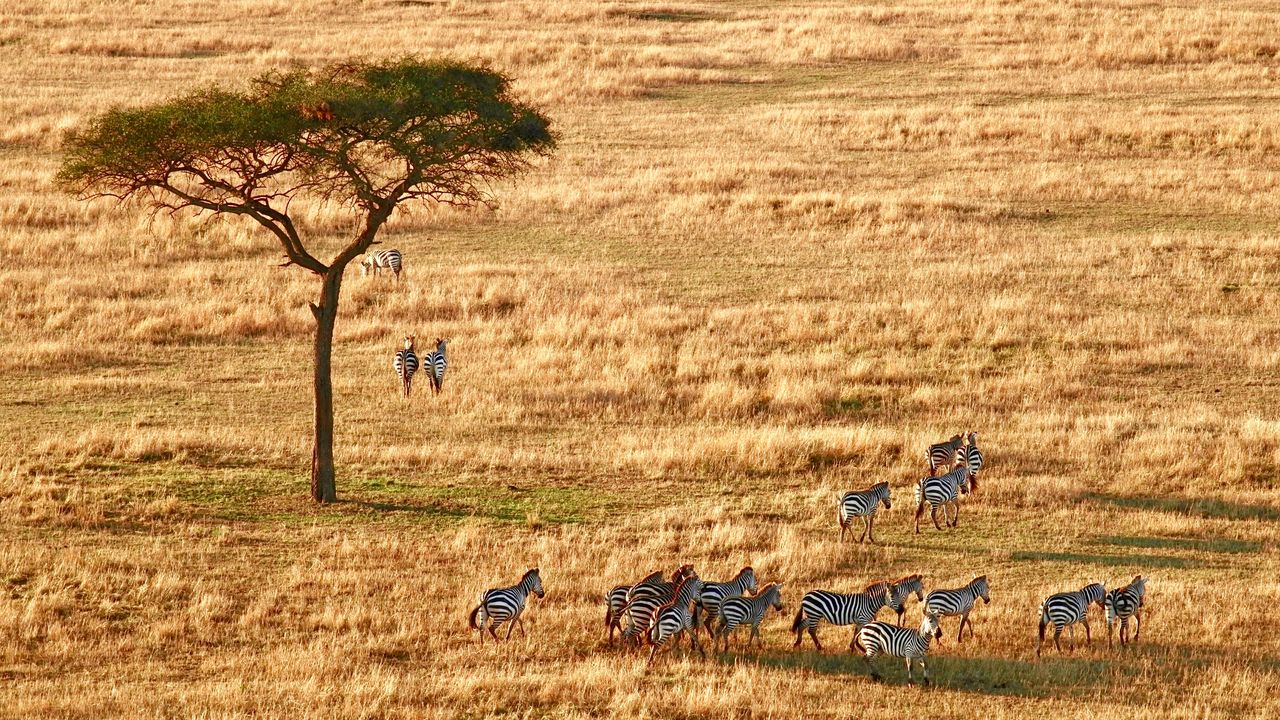
Further east, the vast plains of Tanzania’s Serengeti National Park host the Great Migration, a spectacle of movement involving over two million wildebeest and zebras. This is the gold standard for best international national parks for wildlife tracking, where the Big Five—lion, leopard, elephant, buffalo, and rhino—roam across a landscape that seems to stretch into eternity. The best time of year to visit international national parks in this region is typically between June and September when the river crossings take place.
Sustainable tourism in these regions often takes the form of luxury eco-lodges and glamping. These stays provide high-end comfort while reinvesting profits into anti-poaching units and community education. Whether you are tracking primates through the mist of the Virungas or watching the dust rise over the Serengeti, the focus remains on the delicate balance between visitor experience and ecological integrity.
Island Wonders and Alpine Escapes: Galápagos to Triglav
Beyond the vast deserts and high peaks, the world’s park systems extend to marine sanctuaries and European alpine ridges. The Galápagos National Park in Ecuador is a singular destination for studying wildlife migration patterns and unique evolution. It is one of the world’s most respected UNESCO World Heritage sites, offering world-class diving where marine iguanas and giant tortoises are the primary residents. The park's isolation has allowed for a level of biodiversity that fascinated Darwin and continues to draw researchers and eco-conscious travelers today.
In Europe, Slovenia’s Triglav National Park provides a different kind of thrill. As the only national park in the country, it serves as an accessible national parks with nearby gateway towns like Bled or Kranjska Gora. The park is centered around the Julian Alps, with Mount Triglav at its heart. It offers challenging routes for those interested in best global national parks for mountain trekking but also features lower-altitude valley walks for families.
Similarly, South America’s Nahuel Huapi National Park near Bariloche, Argentina, offers a Patagonian escape characterized by glacial lakes and sharp granite spires. The trek to Refugio Frey is often cited as a must-do for hikers, providing a taste of the rugged southern wilderness without the logistical complexity of deeper Patagonian parks like Torres del Paine. Meanwhile, in Asia, Taiwan’s Taroko Gorge showcases a vertical landscape of marble walls and rushing turquoise rivers, easily reachable via car rental from the city of Hualien.
Planning Your 2026 Expedition: Permits and Logistics
Successful planning international national park trips is a matter of foresight and logistical precision. By 2026, many of the world’s most famous parks will have further refined their entry systems to manage crowds and promote low-impact travel. For instance, Norway's Lofotodden or Australia's Cradle Mountain often require pre-booked parking or shuttle passes during peak seasons to prevent environmental degradation.
- Permits and Regulations: Always check the specific park entry regulations for your destination. Some, like the Inca Trail in Peru or gorilla trekking in Rwanda, require bookings six to twelve months in advance.
- Transit and Access: Identify the primary gateway towns. For the Annapurna Circuit, it is Pokhara; for the Serengeti, it is Arusha. Understanding the transit time from these hubs to the park gates is crucial for an efficient itinerary.
- Sustainable Gear: Invest in gear that supports environmental goals. Leave-no-trace principles are essential, especially in high-altitude alpine environments where decomposition is slow.
- Health and Safety: High-altitude destinations require acclimatization days. Ensure your insurance covers remote wilderness expeditions, including helicopter evacuation if you are heading to the Himalayas or the Andes.
The best time of year to visit international national parks varies by hemisphere. While the Northern Hemisphere peaks in July and August, the Southern Hemisphere’s autumn (March to May) is often the sweet spot for trekking in places like Argentina or Australia. Keep an eye out for fee-free days occasionally offered by national park services to celebrate local anniversaries or global conservation days.
FAQ
What are the best national parks outside the United States?
Some of the most iconic include the Serengeti in Tanzania for its massive wildlife migrations, Sagarmatha in Nepal for the world's highest peaks, and the Wadi Rum Protected Area in Jordan for its unique desert landscapes and historical inscriptions. Each offers a different biological or cultural focus that rivals any North American park.
What are the most underrated international national parks?
Triglav National Park in Slovenia and Nahuel Huapi in Argentina are frequently overlooked compared to more famous neighbors but offer world-class trekking and scenery. Lofotodden in Norway is another hidden gem, providing dramatic fjord landscapes with significantly fewer crowds than some Central European destinations.
Which national parks are best for wildlife viewing internationally?
For top-tier wildlife tracking, the Serengeti (Tanzania), Galápagos (Ecuador), and Chitwan (Nepal) are unmatched. Volcanoes National Park in Rwanda is specifically tailored for those wanting to see mountain gorillas, while Australia's Cradle Mountain provides a chance to see unique marsupials like the Tasmanian devil.
How do I plan a trip to a national park in another country?
Start by identifying the primary gateway town and the best time of year to visit international national parks based on weather and wildlife patterns. Research permit requirements early, as many popular destinations have daily caps to ensure sustainable tourism. Booking through accredited guided tours is often the safest way to handle logistics in remote areas.
Do I need a permit to visit international national parks?
Yes, most top-tier parks require some form of entry permit. Some are simple day passes purchased at the gate, while others, like high-altitude trekking permits in Nepal or gorilla permits in Rwanda, must be secured months in advance. Always check the official park entry regulations online before you depart.