Quick Facts
- Top Choice: Goblin Valley State Park (Utah) for its surreal landscape and proximity to Arches.
- Best Value: Texas State Parks, where kids 12 and under stay free, making it perfect for families.
- Best Booking Tool: Use ReserveAmerica for the majority of state-level reservations.
- Pro Tip: Set your calendar for exactly 6 months out to secure the best spots for 2026.
- Primary Advantage: State park camping offers a quieter and more affordable alternative to national parks while providing diverse terrain from glacial fields to coastal dunes.
State park camping offers a quieter and more affordable alternative to national parks while providing diverse terrain from glacial fields to coastal dunes. Sites often range from full-service RV hookups to primitive backcountry spots. Because they typically experience lower traffic than major national parks, they are ideal for travelers seeking wildlife observation and secluded trailheads without the heavy crowds of major federal landmarks.
I’ve spent a lot of my career chasing horizons, and let’s be honest: the secret is out on our National Parks. According to the National Park Service, approximately 26 percent of all recreational visits across hundreds of managed units are concentrated in just the eight most-visited parks. That means while everyone else is fighting for a parking spot at Zion or Yellowstone, I’m usually five miles deep into a state park trail where the only sound is the wind through the pines. If you are planning a state park camping trip for summer 2026, it is time to look at the state systems. They offer the same jaw-dropping vistas with half the headache and a fraction of the cost.
The Logistical Advantage: State Park vs National Park Camping
When you contrast state park vs national park camping, the first thing you notice is the breathing room. You aren’t competing with 19,000 other people for 50 sites. State systems are often more accessible, but they do require a bit of insider knowledge. Most states use the ReserveAmerica ecosystem, and understanding its quirks is essential for state park camping reservation tips.
While some national parks open windows a year in advance, many state systems open exactly six months out. For those planning ahead, this means you can snag a premium spot for 2026 by being ready on the keyboard early in the year. Costs usually hover between $20 and $40 per night, which is significantly cheaper than many federal alternatives. Plus, don't forget the logistical perks: many state sites offer potable water and dump stations that are much easier to access than their remote federal counterparts.
Desert Solitude: Alternatives to Arches and Zion
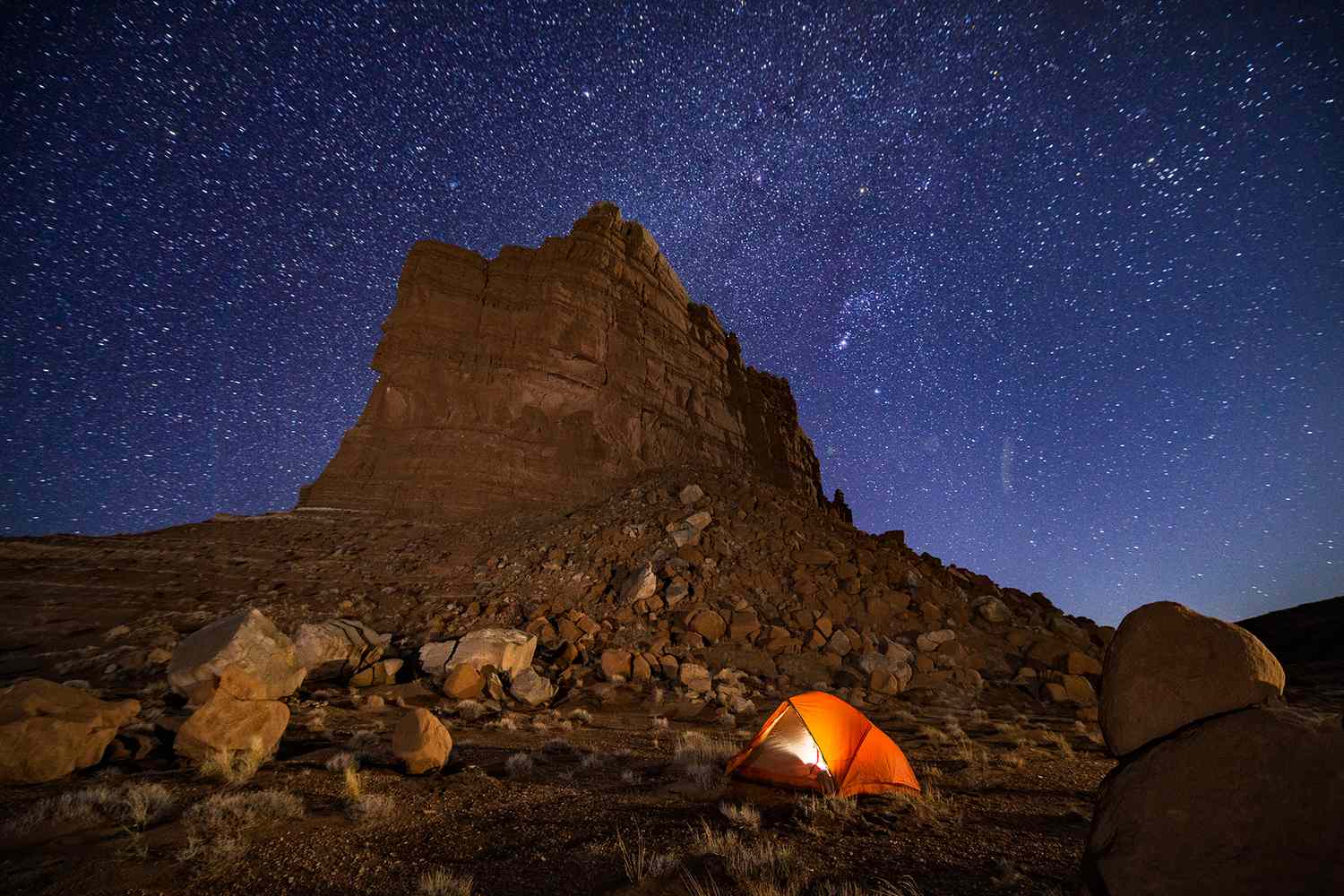
If you love the red rocks but hate the shuttle buses, the desert has plenty of secrets. I recommend looking toward remote desert state park camping sites to find true stillness.
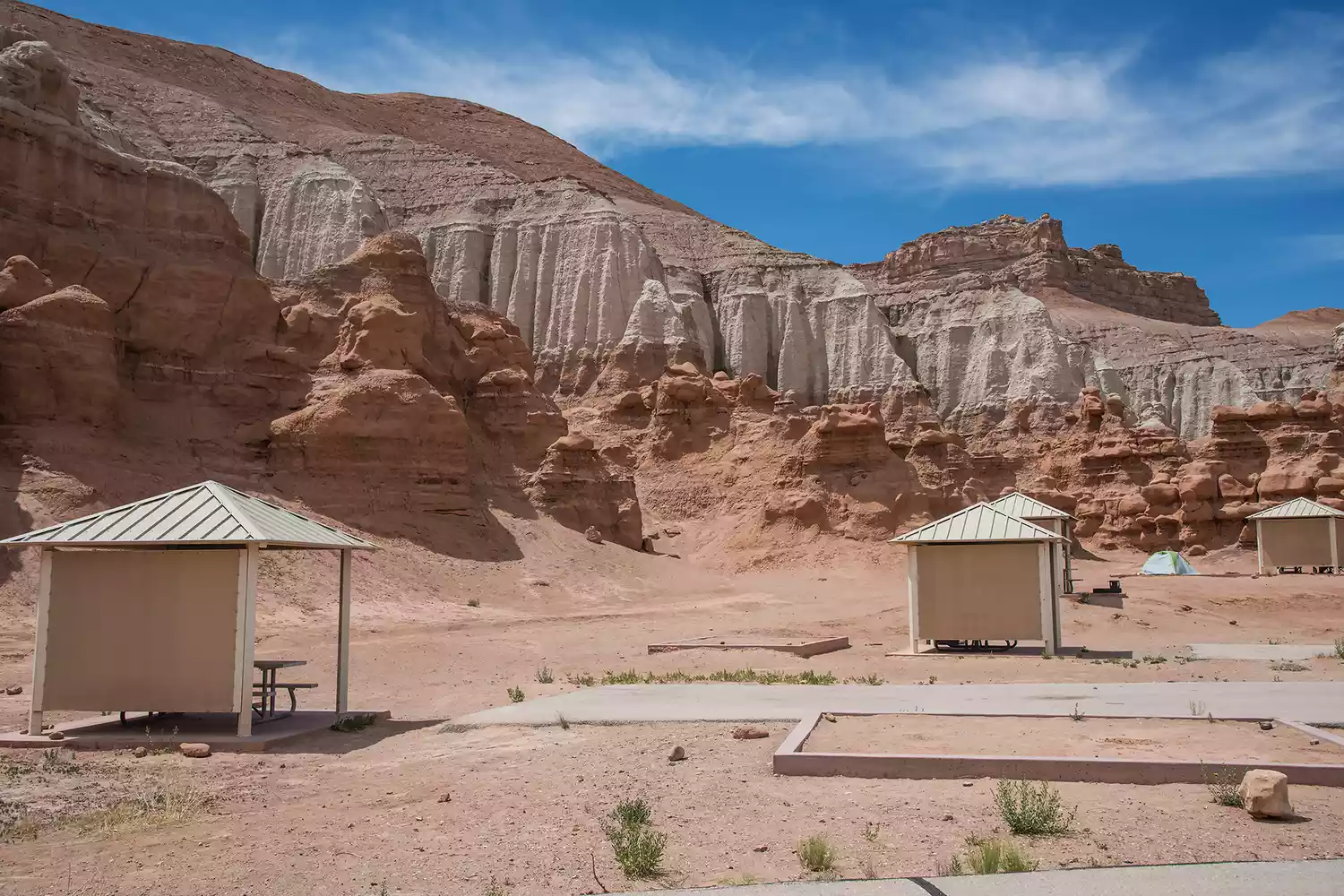
1. Goblin Valley State Park, Utah
- Location: 38.5737° N, 110.7149° W
- Comparison NP: Arches National Park
- Number of Sites: 24 (plus 2 yurts)
- Best For: Hiking among "hoodoos" without the red tape.
2. Palo Duro Canyon State Park, Texas
- Location: 34.9515° N, 101.6664° W
- Comparison NP: Grand Canyon National Park
- Number of Sites: 111 (various types)
- Best For: Epic canyon views and CCC architecture. Palo Duro Canyon covers approximately 29,103 acres and is recognized as the second-largest canyon in the United States. It provides a massive alternative to the Grand Canyon with much easier trail access.
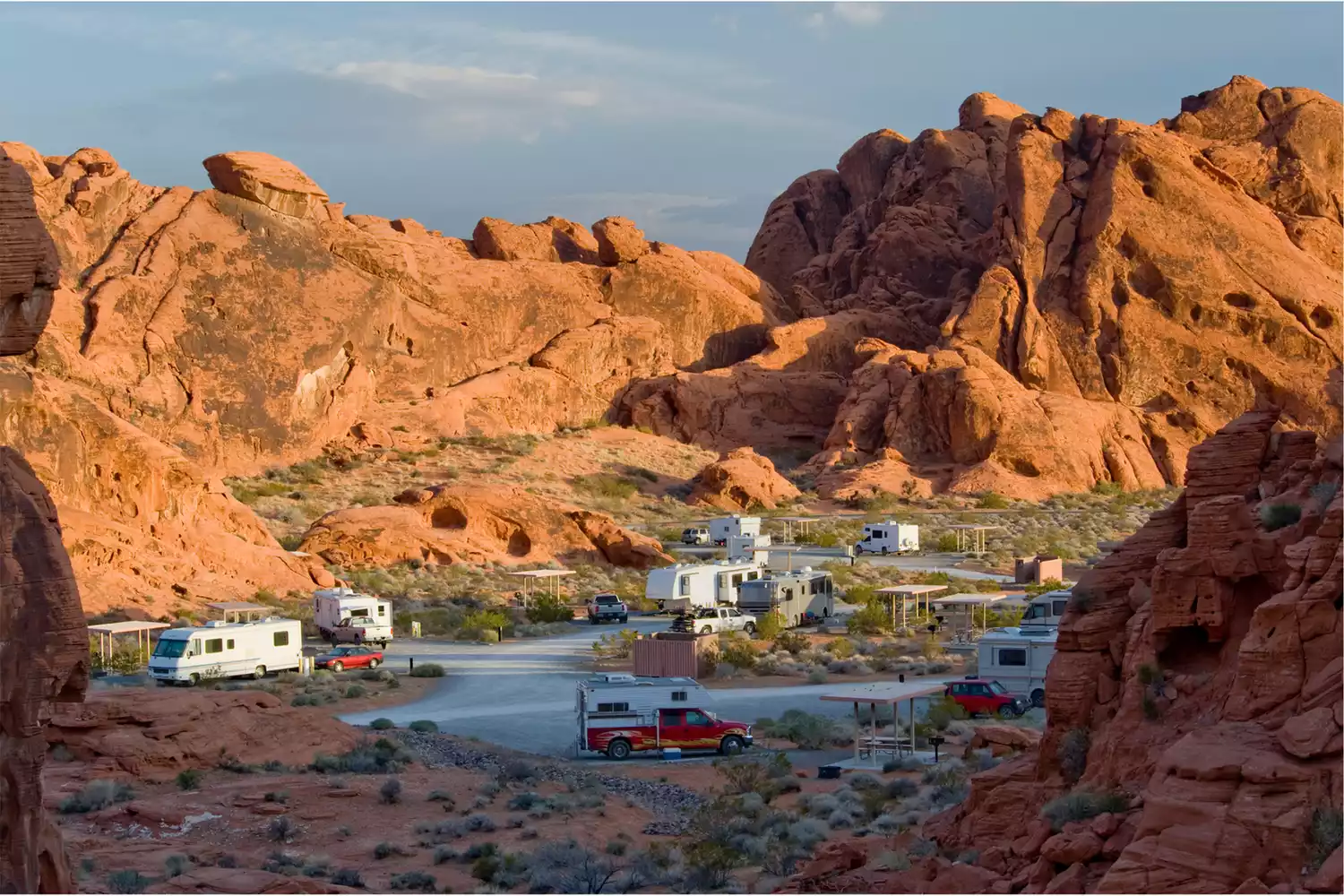
3. Valley of Fire State Park, Nevada
- Location: 36.4883° N, 114.5330° W
- Comparison NP: Zion National Park
- Number of Sites: 72
- Best For: Bright red Aztec sandstone and ancient petroglyphs.
Coastal Escapes: Beating the Shoreline Crowds
Coastal camping is notoriously difficult to book, but if you know where to look, you can find quiet state parks for camping right on the water.
4. Big Bend Ranch State Park, Texas
- Location: 29.4704° N, 103.9572° W
- Comparison NP: Big Bend National Park
- Number of Sites: 40+ primitive sites
- Best For: Rugged river access and dark sky designation. This is the largest state park in Texas, spanning approximately 311,000 acres along the Rio Grande. It maintains 238 miles of multi-use trails for hiking, biking, and horseback riding.
5. Hammonasset Beach State Park, Connecticut
- Location: 41.2612° N, 72.5539° W
- Comparison NP: Cape Cod National Seashore
- Number of Sites: 558
- Best For: Family swimming and shoreline bird watching.
6. Julia Pfeiffer Burns State Park, California
- Location: 36.1588° N, 121.6705° W
- Comparison NP: Point Reyes National Seashore
- Number of Sites: 2 (Hike-in only)
- Best For: Extreme solitude and views of McWay Falls.
If you are traveling in a large rig, knowing how to find state park campsites with full hookups is a game changer. Many of these coastal parks have upgraded their loops to include 50-amp service and sewer connections, making them the best state park campgrounds with swimming and hiking for RVers who don't want to boondocking for a week.
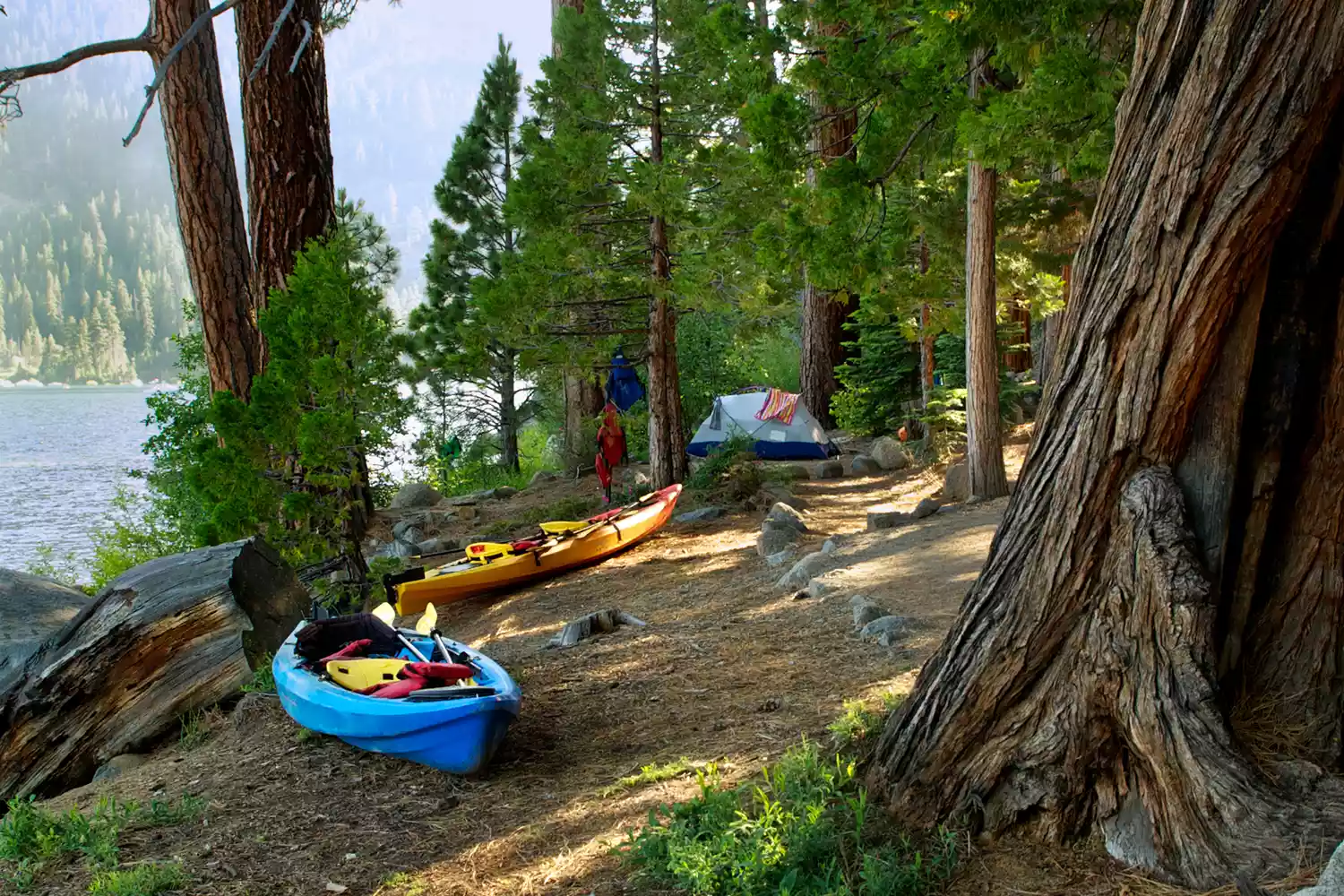
Mountain Peaks and Forest Sanctuaries
For those who want to lose themselves in the trees, these mountain sanctuaries offer a primitive escape from urban noise.
7. Baxter State Park, Maine
- Location: 45.9238° N, 68.9149° W
- Comparison NP: Acadia National Park
- Number of Sites: 337 (spread across 10 campgrounds)
- Best For: Serious hikers tackling Mount Katahdin. Baxter is famous for its "wildness first" policy. There is no electricity or running water in the campgrounds, ensuring a pure wilderness experience.
8. Custer State Park, South Dakota
- Location: 43.7431° N, 103.4187° W
- Comparison NP: Badlands National Park / Wind Cave
- Number of Sites: 250+
- Best For: Bison sightings and the famous Needle’s Highway.
9. Chugach State Park, Alaska
- Location: 61.1643° N, 149.1923° W
- Comparison NP: Denali National Park
- Number of Sites: 3 main campgrounds
- Best For: Glacial fields and massive alpine vistas.
10. Colorado Bend State Park, Texas
- Location: 31.0505° N, 98.4812° W
- Comparison NP: Great Basin National Park
- Number of Sites: 28 walk-in sites
- Best For: Cave tours and the 70-foot Gorman Falls.
11. Franconia Notch State Park, New Hampshire
- Location: 44.1430° N, 71.6841° W
- Comparison NP: Acadia National Park
- Number of Sites: 97
- Best For: High-alpine trekking and The Flume Gorge.
12. Tettegouche State Park, Minnesota
- Location: 47.3361° N, 91.3551° W
- Comparison NP: Voyageurs National Park
- Number of Sites: 40+
- Best For: High cliffs overlooking Lake Superior and inland lake fishing.
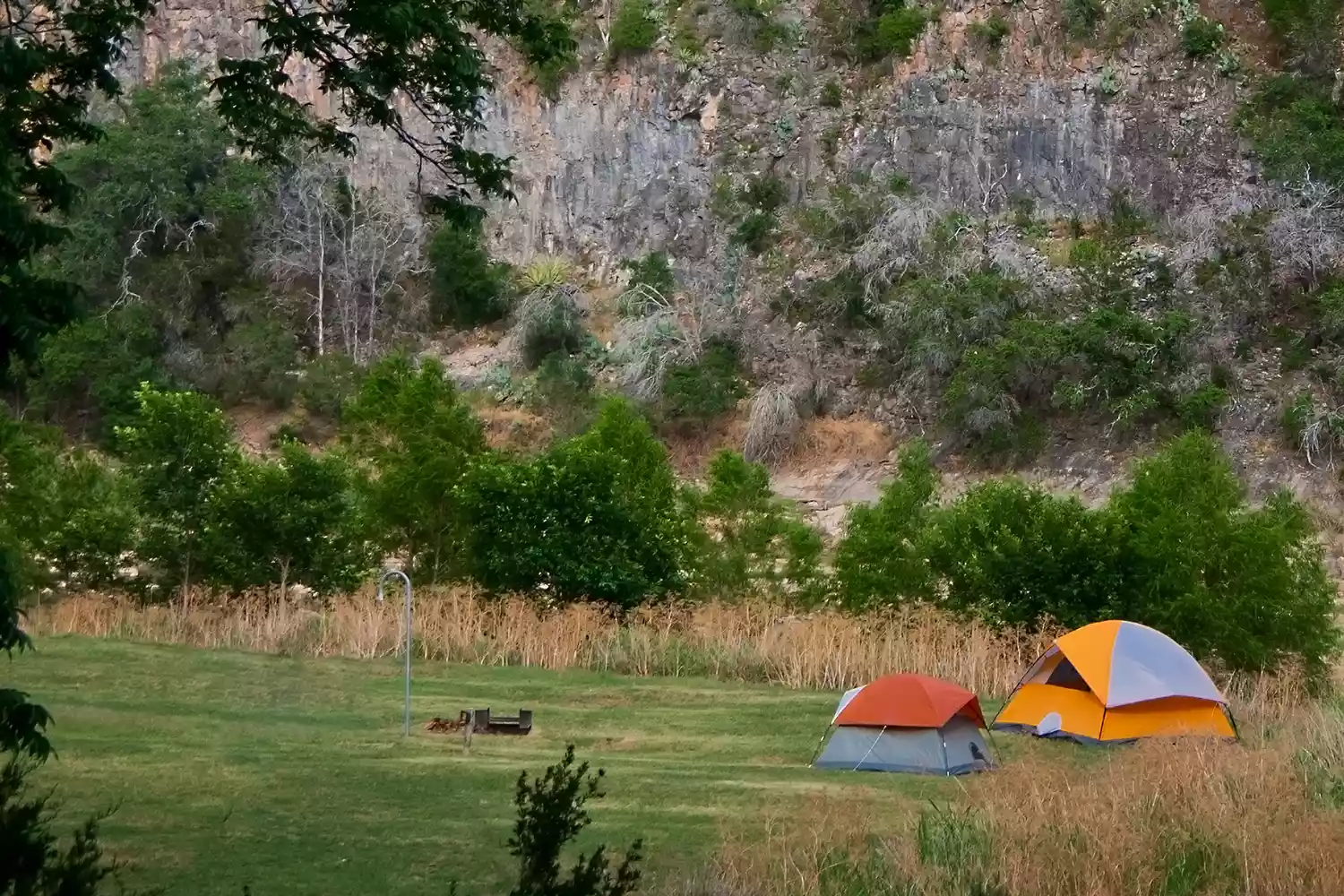
When the popular spots are full, I always look for tips for first come first served state park camping. Often, parks like Chugach or Tettegouche keep a few primitive spots open for the late-hour traveler. Arriving before 8:00 AM on a Tuesday is your best bet for these unreserved gems.
FAQ
How far in advance should I book a state park campsite?
Most state park systems allow you to book six months in advance. However, some popular destinations in Florida or California may open their windows up to 11 or 13 months out. For summer 2026, you should start checking individual state websites by late 2025 to verify their specific windows.
What is the difference between state park and national park camping?
The primary difference is the management and scale. National parks are federal and often have stricter regulations and higher traffic. State parks are managed by state agencies, are generally more affordable state park camping alternatives to national parks, and often allow more flexible activities like mountain biking or hunting in designated areas.
Do state park campgrounds have electricity and water?
Many state parks offer varying levels of service, from full RV hookups with 50-amp power and water to primitive sites with only a vault toilets nearby. Always check the site details on ReserveAmerica to see if your specific loop offers potable water or electricity.
Are dogs allowed at state park campsites?
Yes, state parks are generally much more dog-friendly than national parks. While most national parks restrict dogs to paved roads and developed areas, many state parks allow leashed dogs on the trails and within the campgrounds.
Can you camp in state parks during the winter?
Many southern and desert state parks stay open year-round and are actually more pleasant in the winter. Northern parks may close certain loops due to snow, but many still offer "off-peak" primitive camping for those prepared for the cold.
Start Your Summer 2026 Adventure
The era of showing up at a major park entrance and finding a site is mostly over. But that doesn't mean the adventure is dead; it just means it has moved. By planning a state park camping trip for summer 2026 now, you’re choosing to spend your time at trailheads rather than in traffic jams.
Download the ReserveAmerica app and start flagging your favorites. If the dates look tight, keep a "Plan B" toolkit ready with apps like Hipcamp or iOverlander. There is an incredible amount of wild land out there—leave the crowds to the eight famous parks and go find your own canyon. Practice Leave No Trace, respect the vault toilets, and enjoy the silence of a dark sky designation. Your 2026 self will thank you for the foresight.