Quick Facts
- Top Pick 2026: Elafonissi Beach, Greece, recently named the best beach in the world for 2025 and 2026.
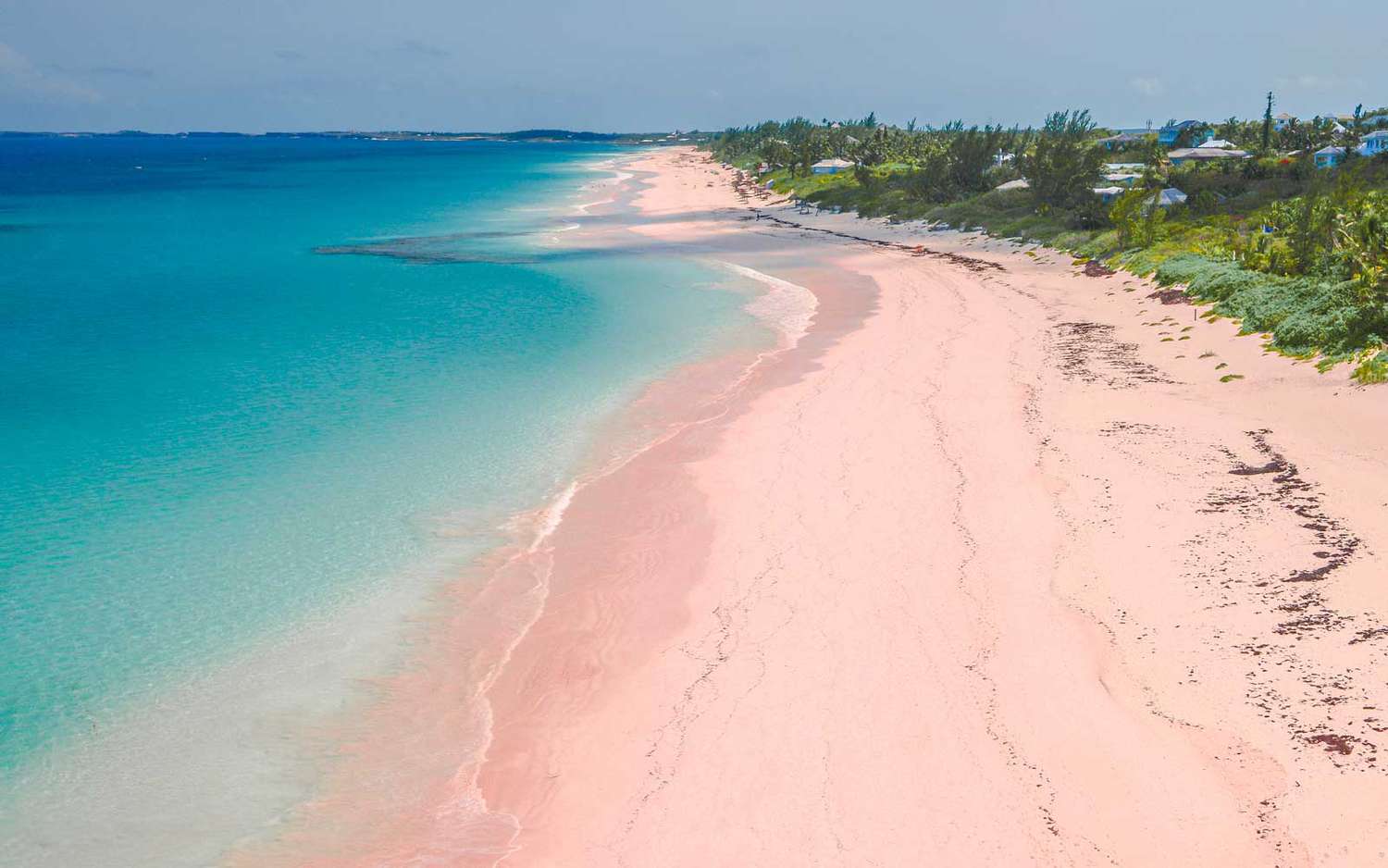
- Most Iconic Coastline: Pink Sands Beach on Harbour Island spans three miles of rose-hued sediment.
- Biological Cause: The color is primarily created by foraminifera, specifically the species Homotrema rubrum.
- Peak Viewing Window: Visit during low tide and the golden hour for the most saturated natural hues.
- Global Rarity: Fewer than 100 true pink sand beaches exist worldwide, making these rare pink sand beaches a bucket-list priority.
- Photography Secret: Use low-angle morning sunlight to enhance the salmon tones without over-saturating in post-processing.
Pink sand beaches derive their unique hue primarily from foraminifera, which are microscopic organisms with reddish-pink shells. When these organisms die, their remains mix with white sand, crushed coral, and calcium carbonate fragments to create a rose-colored sediment. While most pink beaches are formed this way, others like California's Pfeiffer Beach get their distinct color from garnet and manganese particles washed down from nearby rock formations. The most iconic pink sand beach destinations are found across the globe, including the Bahamas, Greece, Indonesia, and French Polynesia. Notable beaches include Harbour Island’s Pink Sands Beach, Elafonissi Beach in Crete, and Pantai Merah on Komodo Island.
As a visual editor, I have spent a decade chasing light across the globe, but nothing quite matches the surreal glow of a shoreline that defies the standard beige palette. Discovering these locations requires more than just a plane ticket; it requires an understanding of how foraminifera shells change the color of sand and how the tide influences what your camera lens actually sees. Whether you are looking for the vibrant contrast of Indonesia or the subtle blush of the Mediterranean, this 2026 guide breaks down the science and the scouting tips for the world’s most spectacular pastel shores.
| Beach | Pink Intensity | Main Cause | Ease of Access |
|---|---|---|---|
| Harbour Island, Bahamas | High | Foraminifera | Moderate (Water Taxi) |
| Elafonissi Beach, Greece | Medium / Subtle | Foraminifera | Easy (Car/Bus) |
| Pantai Merah, Indonesia | Vibrant | Red Coral | Remote (Boat Only) |
| Tikehau, French Polynesia | High | Foraminifera | Remote (Flight) |
| Horseshoe Bay, Bermuda | Medium | Foraminifera | Very Easy |
The Science of the Glow: Why Sand Turns Pink
The magic of these coastlines starts beneath the waves. While a standard beach is made of weathered rock fragments, pink sand is a biological masterpiece. Most pink sand beaches owe their existence to Homotrema rubrum, a type of foraminifera that lives on the underside of reefs. These microscopic organisms grow tiny, reddish-pink shells made of calcium carbonate. When they are dislodged by waves or die naturally, their shells are crushed into a fine rose-hued sediment that washes ashore.
In the Indo-Pacific region, the process can differ slightly. Locations like the Philippines and Indonesia often get their color from red coral fragments that have been pulverized by centuries of tidal action. This creates a slightly different texture and color profile compared to the Atlantic versions.
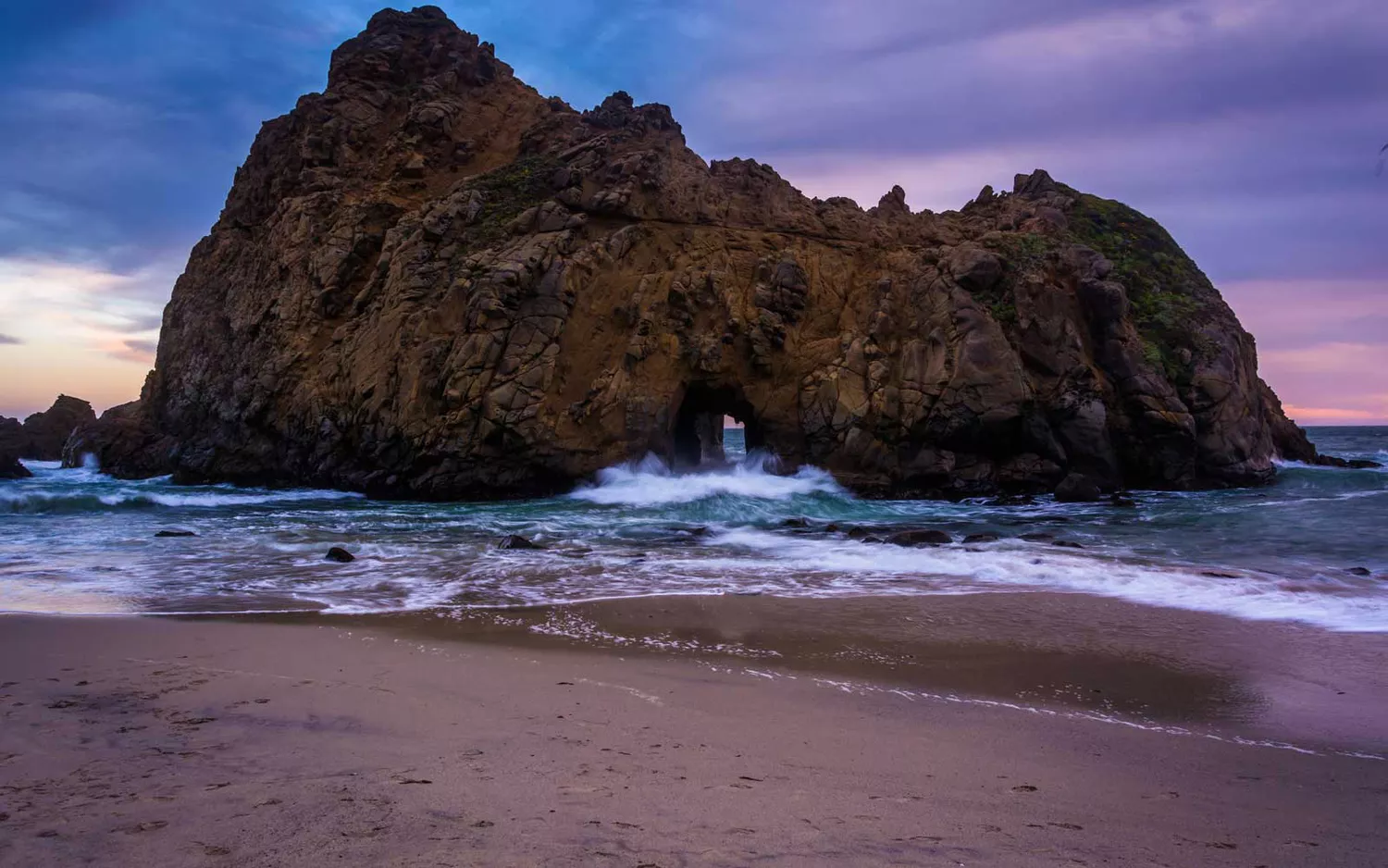
There are also mineral-based outliers. If you find yourself on the rugged coast of Big Sur, California, at Pfeiffer Beach, the pink and purple streaks aren't biological at all. Instead, manganese garnet and other crystalline minerals wash down from the surrounding cliffs after a rainstorm, creating a shimmering, metallic pink that is entirely unique. Understanding these differences helps in planning your photography; biological sand looks best when wet, while mineral sand often sparkles most when the sun hits the dry grains.
1. Harbour Island, Bahamas (The Gold Standard)
Known locally as Briland, Harbour Island is home to what many consider the definitive pink sand beach. This three-mile stretch of shoreline along the eastern Atlantic coast is incredibly wide, providing a massive canvas for the morning light. The sand here is remarkably soft, feeling almost like talcum powder underfoot.
The community on Harbour Island takes preservation seriously. You will often see locals hand-raking the shoreline to remove seaweed without disturbing the delicate rose-hued sediment. Because the island is small and mostly car-free, the atmosphere remains intimate despite its global fame. For those seeking travel logistics for reaching harbour island bahamas pink sands, the journey is half the adventure. You will fly into North Eleuthera (ELH), take a quick five-minute water taxi, and then rely on golf carts to navigate the pastel-colored streets of Dunmore Town.
Alex’s Pro Tip: Rent a golf cart as soon as you arrive. It typically costs around $60 USD per day and is the only way to scout the hidden access points that lead to the quietest sections of the beach. Keep an eye out for boutique beachfront hotels tucked behind the dunes; they offer the best private views for early birds.
2. Elafonissi Beach, Crete, Greece
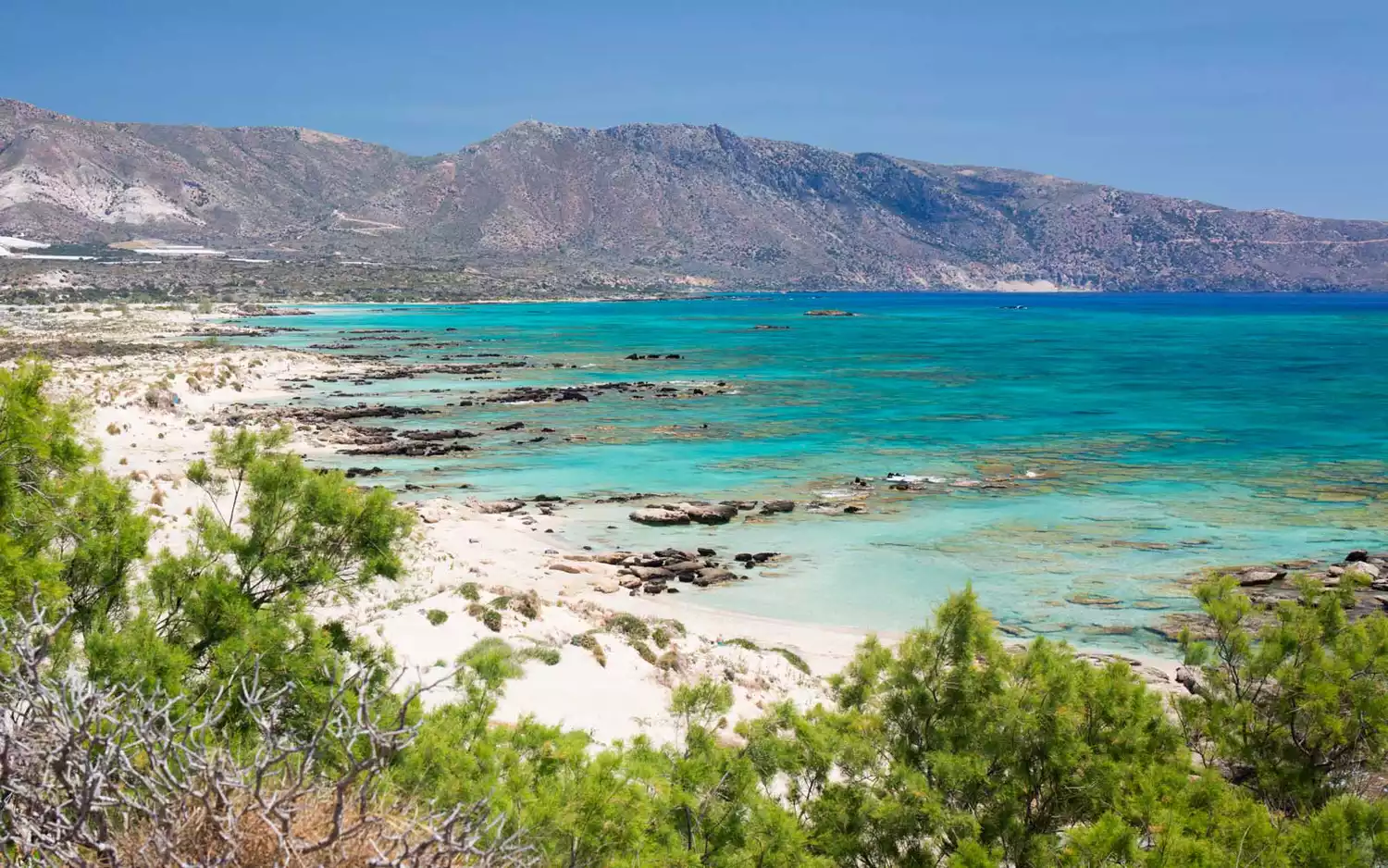
If you are looking for the most celebrated destination of the year, this is it. Elafonissi Beach in Crete, Greece, was officially crowned the number one beach in the world for 2025 by the TripAdvisor Travelers’ Choice Awards. Unlike the deep salmon tones of the Bahamas, Elafonissi offers a more delicate blush that appears and disappears with the tide.
The beach serves as a bridge to a small island that is a protected nature reserve. During low tide, you can wade through the shallow, crystalline lagoons to reach the island. The most intense pink concentrations are found right at the water’s edge, where the waves deposit the lightest fragments of foraminifera. Because this is a world-renowned spot, a day trip guide to elafonissi beach from chania crete usually suggests leaving by 8:00 AM to beat the tour buses.
3. Komodo Island: Pantai Merah, Indonesia
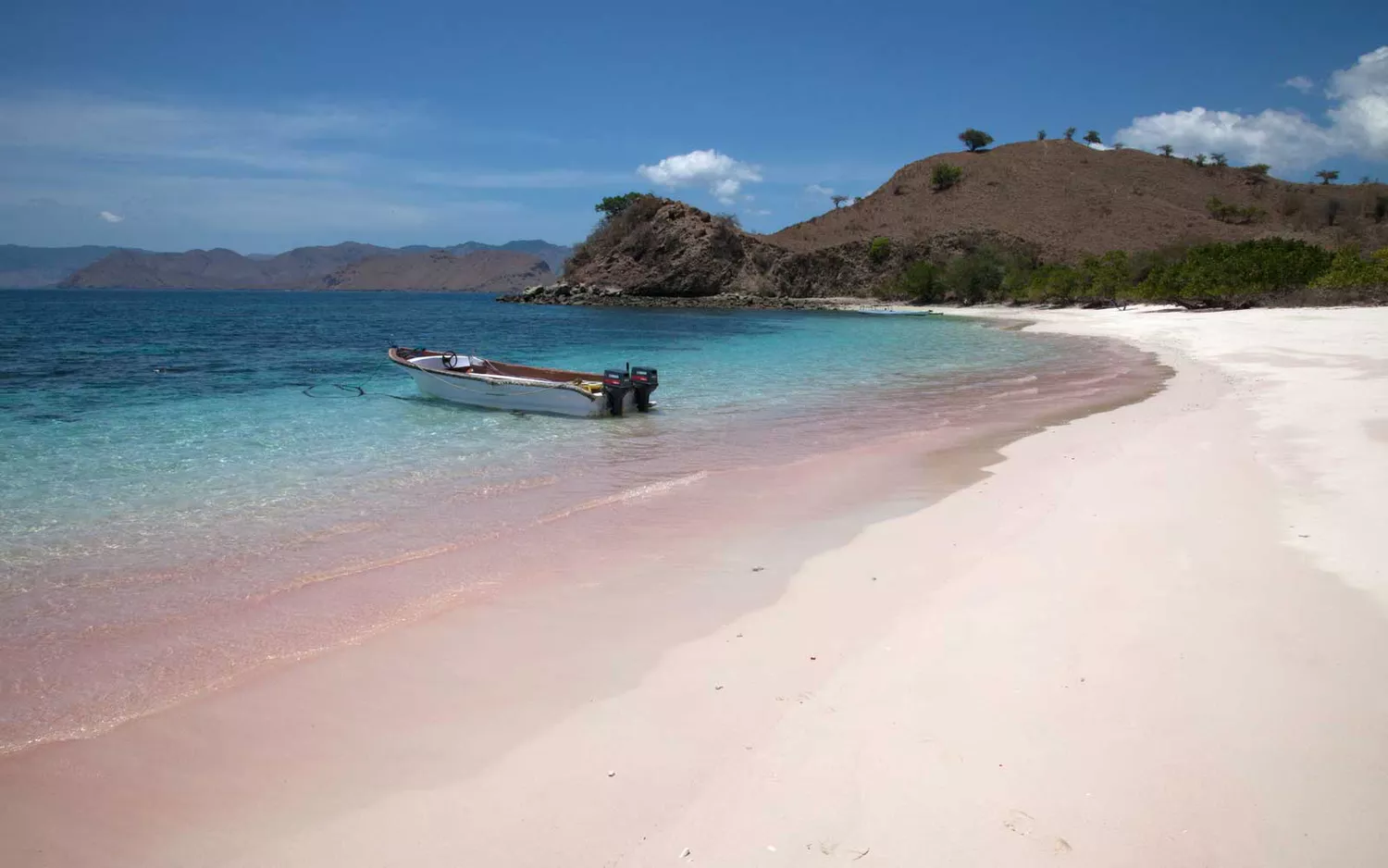
For photographers, Pantai Merah (literally "Red Beach") is the holy grail. Located within Komodo National Park, this beach offers a visual contrast that seems almost impossible. The sand is a saturated pink, the water is a vivid turquoise, and the backdrop consists of the stark, rusty-brown hills typical of volcanic islands.
This is arguably one of the best coral reef snorkeling at pink sand beach destinations in the world. The same red organ pipe corals that give the sand its color are thriving just few meters offshore. Because the current can be strong, most visitors arrive via liveaboard boats or day trips from Labuan Bajo. The marine biodiversity here is staggering, with hawksbill turtles and schools of tropical fish often visible in the clear shallows.
4-11. Global Pink Sand Highlights
The list of rare pink sand beaches extends into every corner of the globe, each offering a slightly different ecological story.
- Tikehau, French Polynesia: In the Tuamotu Archipelago, these tropical atolls are surrounded by a lagoon that looks like a painting. The pink sand here is incredibly fine and circles the entire lagoon, making it feel like a private sanctuary.
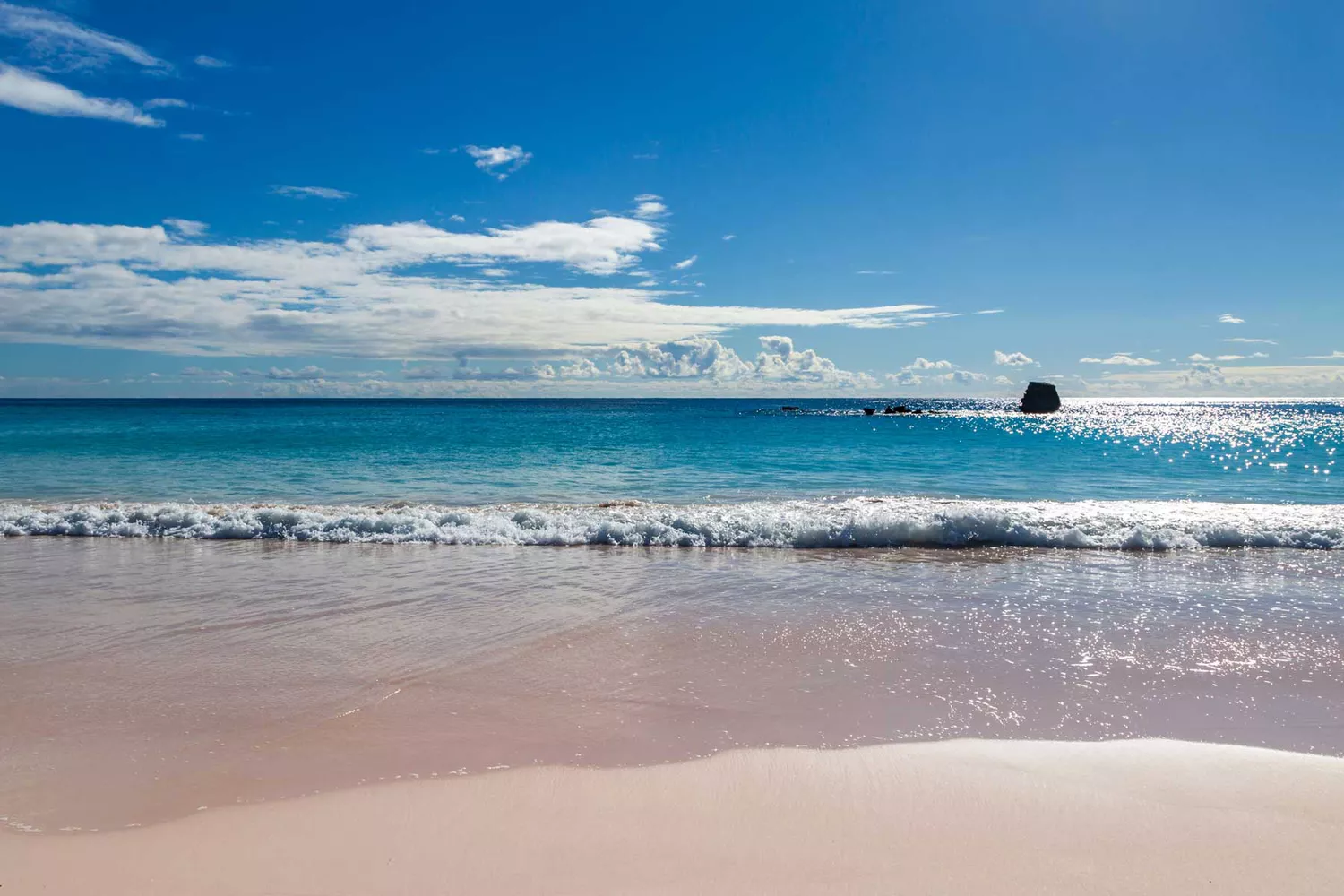
- Horseshoe Bay, Bermuda: This is perhaps the most accessible pink beach for travelers from the US East Coast. The sand has a distinct glow thanks to the calcium carbonate shells of tiny marine life. It is famous for its rock formations that create natural, sheltered swimming holes.
- Spiaggia Rosa, Italy: Located on Budelli Island in Sardinia, this beach is so rare and fragile that you are strictly prohibited from walking on the sand. You can view its intense pink hue from a boat, part of a conservation effort to prevent sand theft.
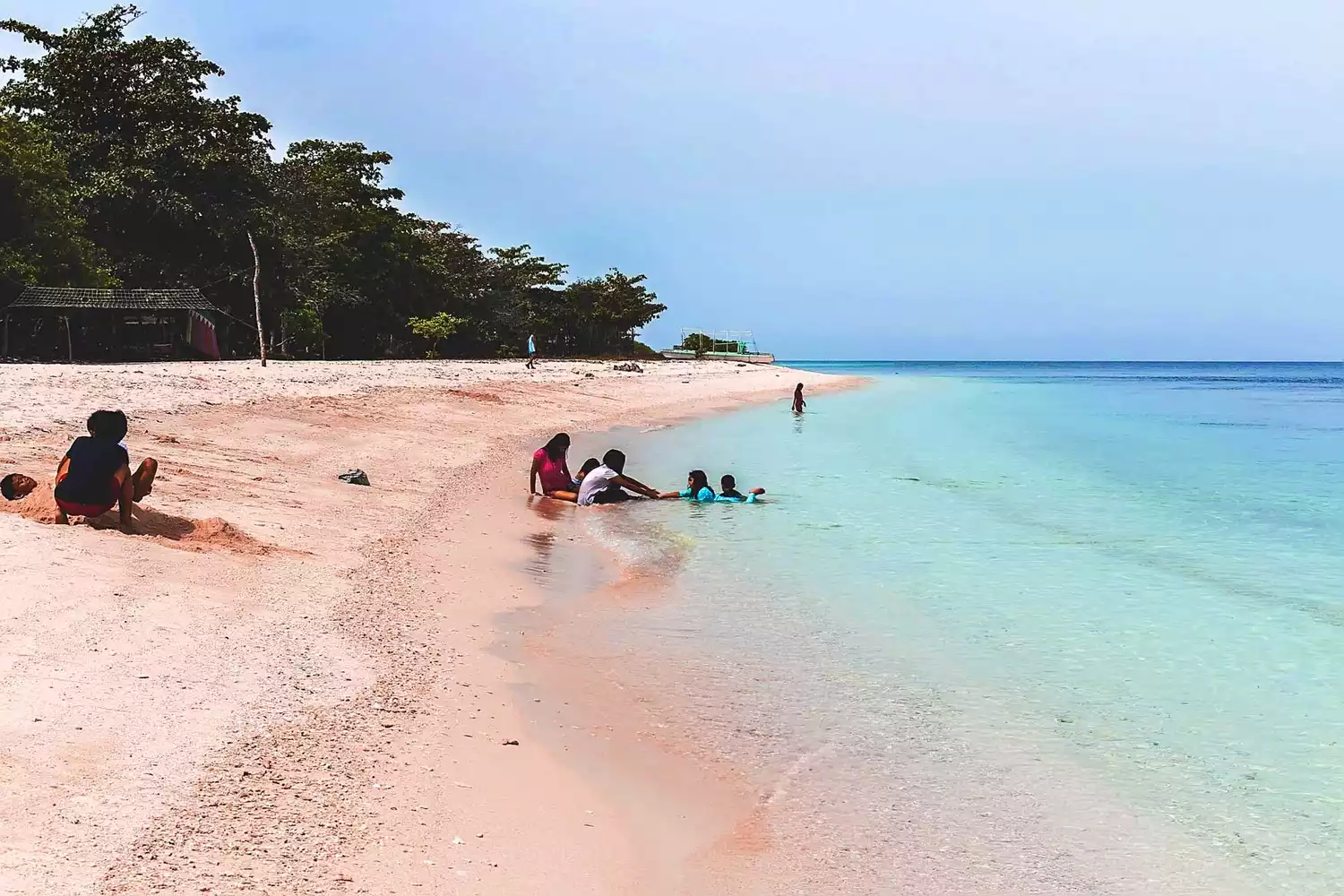
- Great Santa Cruz Island, Philippines: Just a short boat ride from Zamboanga City, this beach gets its color from pulverized red organ pipe coral. It is a strictly controlled eco-tourism site, ensuring the rose-hued sediment remains undisturbed.
- Crane Beach, Barbados: Framed by tall cliffs and lush vegetation, the pink here is a subtle highlight within a wider, powerful Atlantic beach.
- Pfeiffer Beach, USA: As mentioned, this is a mineral wonder. Look for the "purple" patches near the north end of the beach after it rains.
- Barbuda: The 17-mile beach here is often completely deserted. During the right season, the entire shoreline turns a misty champagne pink.
- Bonaire (Pink Beach): While less "pink" than it used to be due to environmental changes, it remains a fantastic spot for diving and seeing the remaining blush-toned sediment under the water.
Photography & Viewing: How to Capture the Pink
The biggest disappointment travelers face is arriving at a pink sand beach at noon and finding it looks white. To see the color, you must understand lighting and tides. The best time to visit pink sand beaches for the brightest color is during low tide when the largest area of wet sand is exposed. Water acts as a magnifying glass for the pink grains, making them appear more saturated.
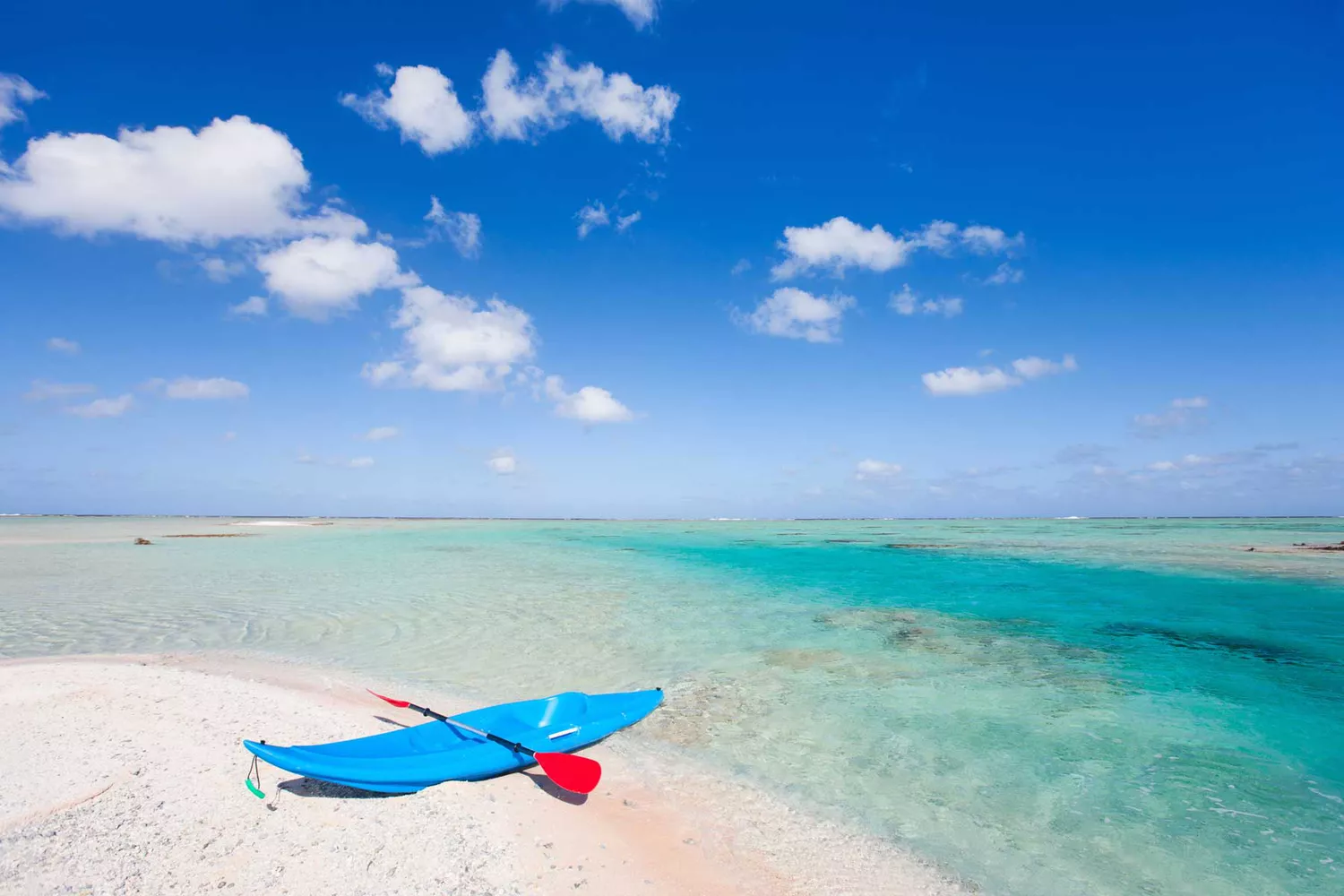
From a technical perspective, photography is most effective during the early morning (before 10 AM) or late afternoon (after 4 PM). The soft, low-angle sunlight naturally enhances the warm tones of the shoreline. Avoid harsh overhead sun, which "washes out" the delicate hues. If you are struggling to make the pink pop in your photos, include a contrasting element. My go-to pink sand beach photography tips for capturing natural hues involve placing something bright and contrasting in the frame, such as a white towel or a yellow kayak. This gives the viewer's eye a reference point for the color.
FAQ
Why is the sand pink on some beaches?
The color is caused by microscopic organisms called foraminifera (specifically Homotrema rubrum) which have reddish-pink shells. When they die, their shells mix with white sand and crushed coral to create a pink tint. In some rare cases, minerals like manganese garnet can also cause pink or purple sand.
Where are the most famous pink sand beaches located?
The most iconic locations include Harbour Island in the Bahamas, Elafonissi Beach in Crete, Greece, and Pantai Merah on Komodo Island in Indonesia. There are also notable pink beaches in Bermuda, French Polynesia, and the Philippines.
Are pink sand beaches actually pink in person?
They are rarely the neon pink seen in heavily edited Instagram photos. Instead, they range from a pale champagne blush to a soft salmon or rose color. The intensity is most visible at the water’s edge where the sand is wet.
When is the best time of year to visit a pink sand beach?
For the Caribbean and Bahamas, December to April offers the clearest weather and best visibility. For the Mediterranean (Greece/Italy), June and September provide the best balance of warm weather and fewer crowds. Always aim for low tide for the best color viewing.
Are pink sand beaches rare?
Yes, they are exceptionally rare. There are fewer than 100 documented pink sand beaches in the world. They require very specific ecological conditions, including a healthy nearby reef system and specific types of marine life, to maintain their color.