Quick Facts
- Survival Stakes: The Maldives' 1,192 islands depend entirely on healthy coral reefs for coastal protection and land stability.
- Recovery Tech: Mineral Accretion Technology (MAT) can accelerate coral growth by up to 3x compared to natural rates.
- Industry Leaders: Gili Lankanfushi is a standout, holding the prestigious EarthCheck Gold certification for sustainable hospitality.
- Guest Participation: Leading programs now involve guests in everything from coral gardening to large-scale larval releases.
- Long-term Monitoring: Adoption schemes frequently include digital updates, allowing guests to track their coral colony's growth for years.
- Quantifiable Impact: Major resorts have successfully planted hundreds of thousands of fragments with survival rates exceeding 70% even after heat stress events.
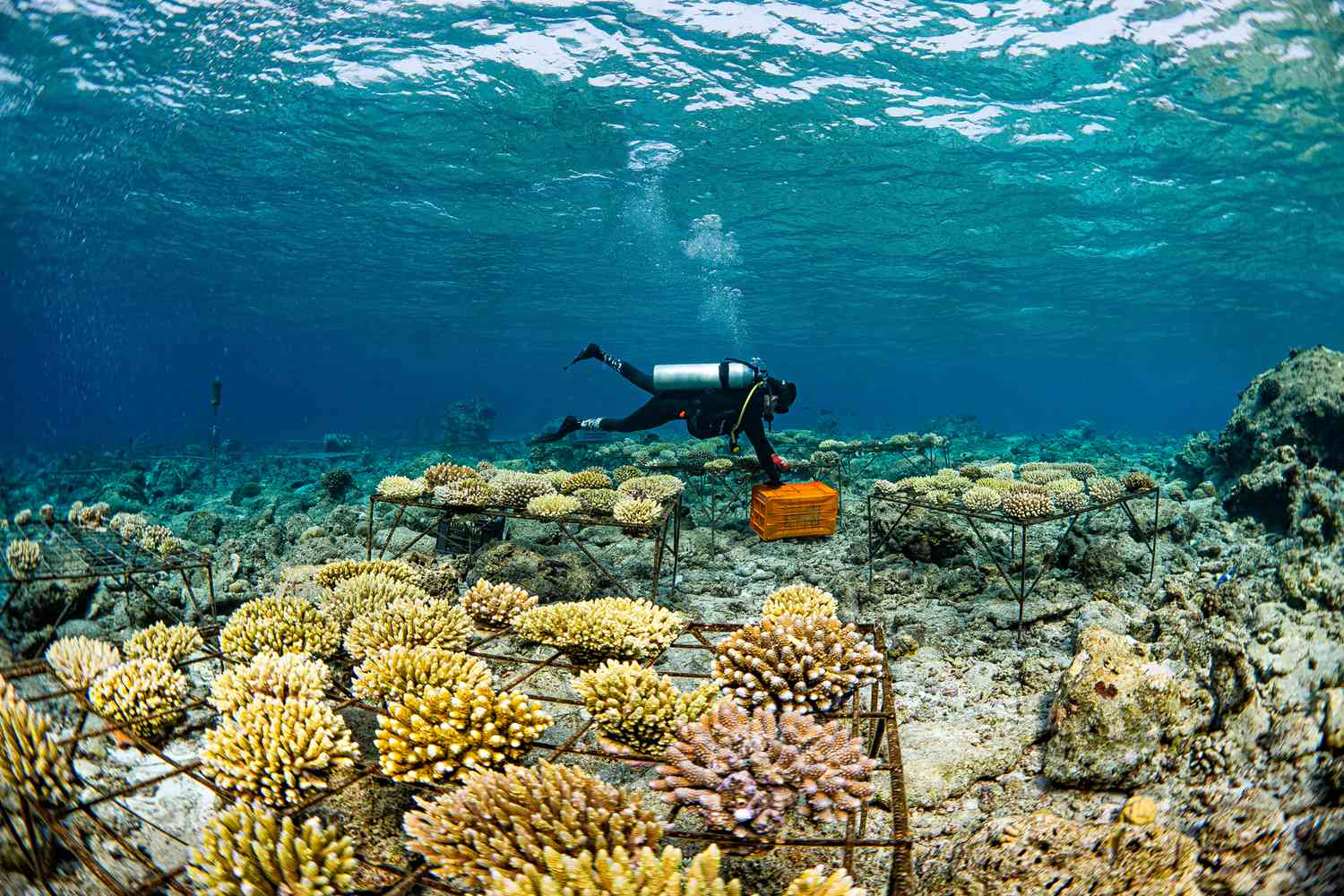
Travelers can engage in Maldives coral restoration by joining resort-led programs such as coral gardening and adoption. Activities involve attaching coral fragments to specialized frames or ropes, which are then placed in underwater nurseries. Many resorts provide digital updates, allowing guests to monitor the growth of their specific coral colony long after their vacation ends.
The Urgent Science: Why Every Fragile Fragment Counts
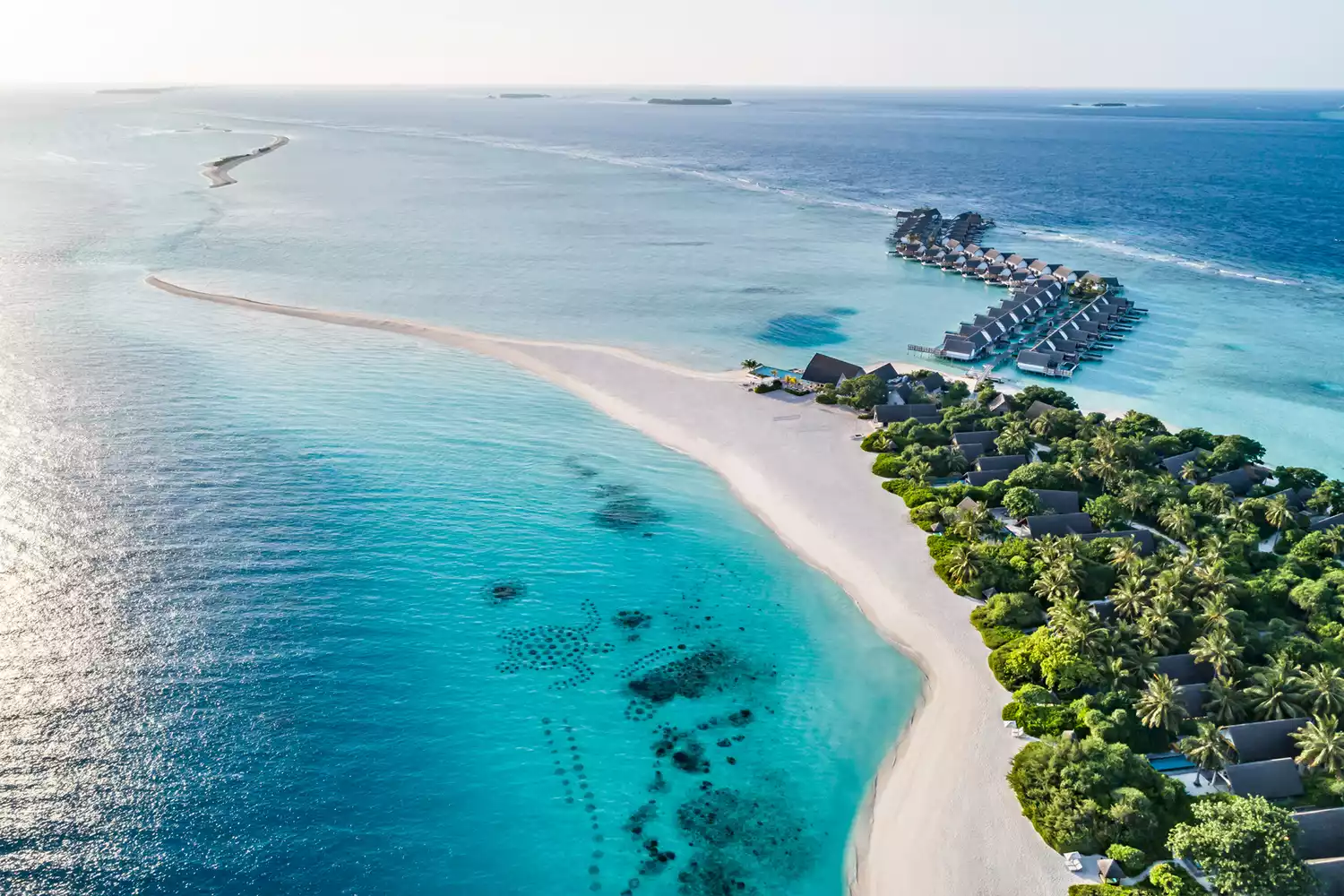
When I first dived into the turquoise waters of the North Malé Atoll a decade ago, the kaleidoscope of colors was overwhelming. Today, the narrative has shifted from pure aesthetics to an urgent mission of ocean stewardship. The 2023-2024 El Niño event was a wake-up call, affecting nearly 70% of global reefs and triggering widespread bleaching. In the Maldives, the stakes are existential; the reefs provide essential ecosystem services, acting as the archipelago's first line of defense against rising sea levels and storm surges.
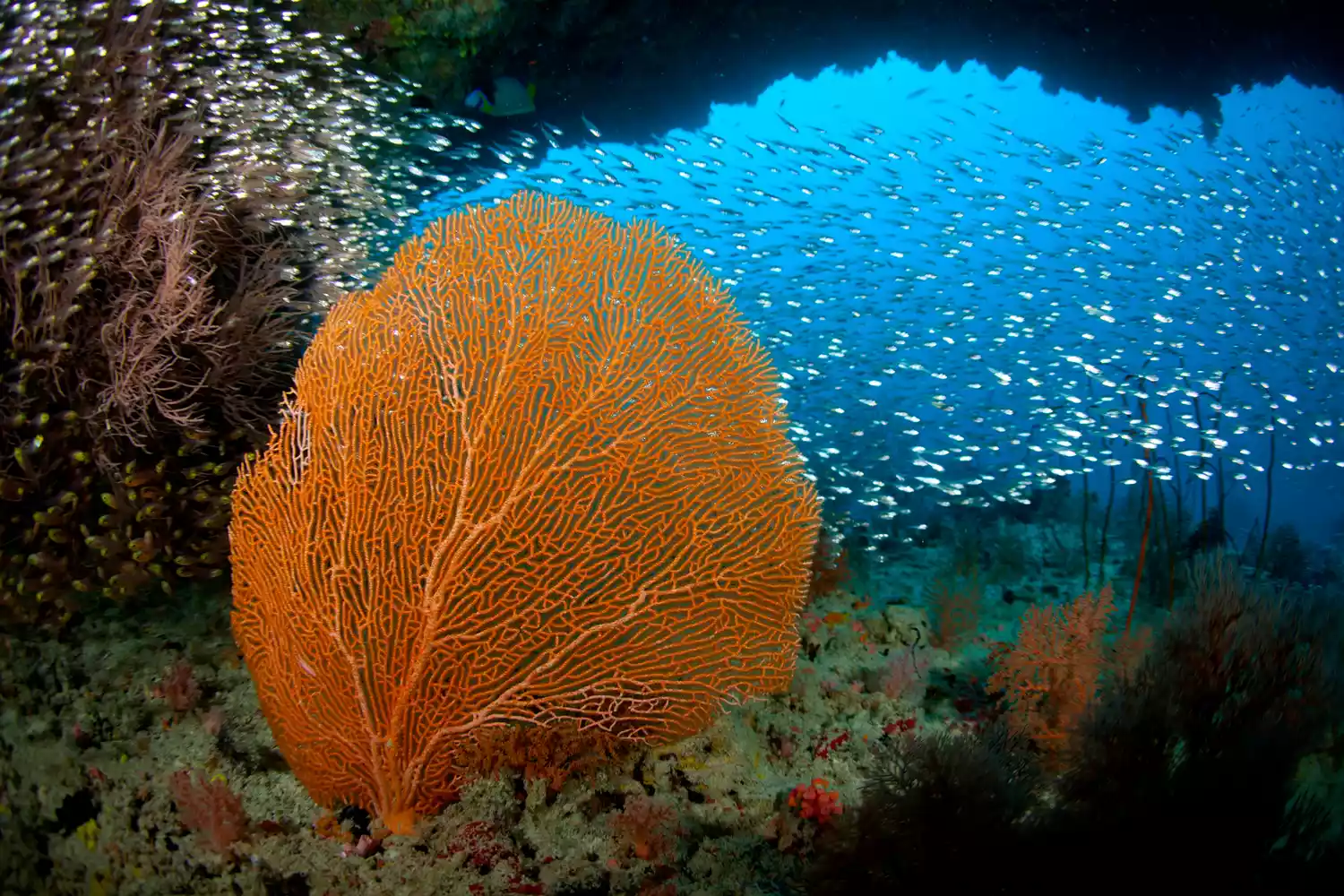
The science of bleaching recovery centers on the relationship between coral polyps and Zooxanthellae, the microscopic algae that provide food and color to the host. When ocean temperatures rise, this symbiosis breaks down. However, marine biologists are finding hope in Survivor Coral—specific colonies that have naturally adapted to heat stress. By identifying and propagating these resilient strains, Maldives coral restoration efforts are not just rebuilding what was lost; they are engineering the reefs of the future. Protecting this marine biodiversity is no longer just the job of scientists; it has become a collaborative effort between resorts and their guests.
From Guests to Guardians: High-Tech Reef Restoration
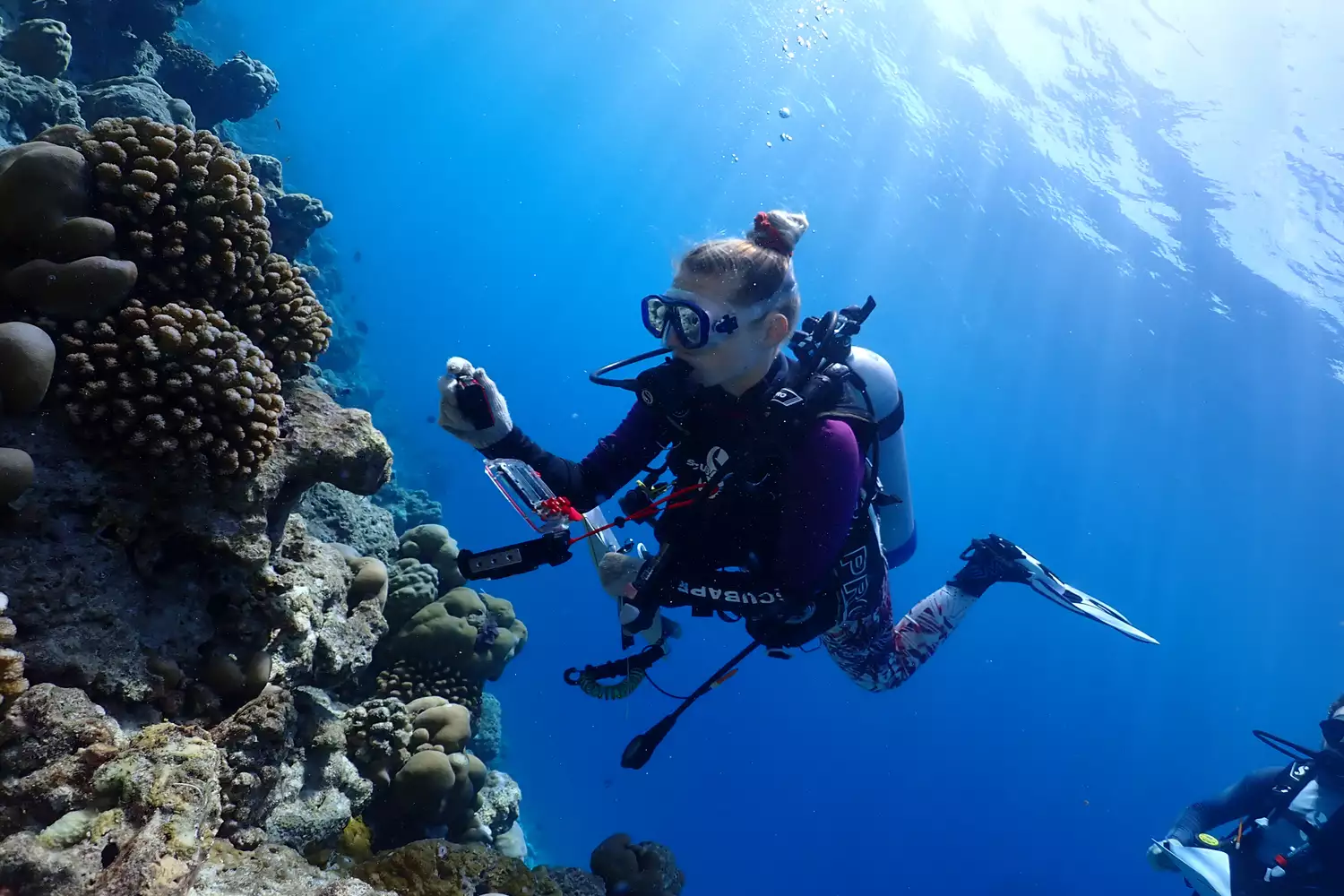
The evolution of Maldives reef conservation activities has moved far beyond simple observation. For the conscious traveler, the heart of the experience is now hands-on participation. Most programs offer educational workshops where you learn about Indian Ocean ecology followed by a trip to the nursery. Here, guests become citizen science contributors.
The methodology varies by resort, and understanding the difference between rope-based coral restoration vs frame nursery programs in Maldives can help you choose the right experience.
Restoration Technology Comparison
| Technology | Method | Best For |
|---|---|---|
| Traditional Frames | Attaching fragments to sand-coated steel structures using cable ties. | Creating stable habitats on sandy patches and guest adoption. |
| Rope Nurseries | Weaving fragments into suspended ropes to maximize water flow and light. | Large-scale biomass production before transplanting to the house reef. |
| Mineral Accretion (MAT) | Using low-voltage electricity to stimulate limestone (calcium carbonate) deposits. | Drastically accelerating growth and improving resilience in hard-hit areas. |
Mineral Accretion Technology (MAT) is particularly fascinating. By passing a safe, low-voltage current through a metal structure, the resort creates a "biorock" effect. This mimics the natural process of limestone accumulation, allowing the coral to spend less energy building its skeleton and more energy on tissue growth and health. For those wondering how to participate in Maldives coral restoration as a guest, many resorts now offer the chance to assist biologists in attaching fragments to these high-tech systems, which look like glowing underwater sculptures at night.
Premier Maldives Eco-Resorts: Where Science Meets Luxury
Choosing where to stay is the most significant decision a sustainable traveler makes. The most effective programs are those led by an on-site team of marine biologists who integrate scientific rigour with the guest journey.
Four Seasons Resorts Maldives is a titan in this space. Their long-standing partnership with Reefscapers has seen them plant over 9,000 coral frames containing approximately 500,000 coral fragments across 40 species. This isn't just a side project; it is one of the largest successful reef restoration initiatives in the world. Guests can sponsor a frame and receive bi-annual photo updates, creating a lasting bond with the Indian Ocean.
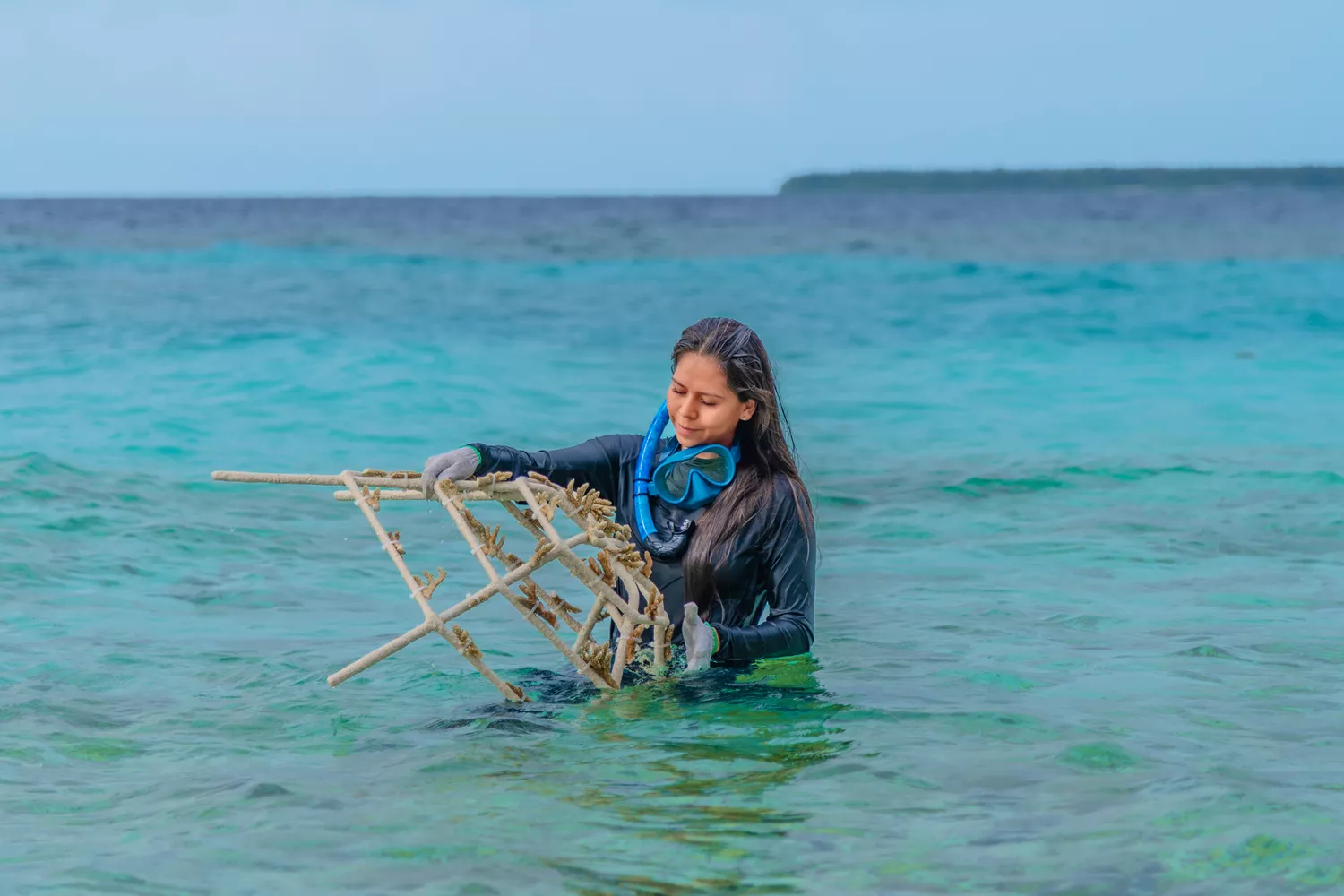
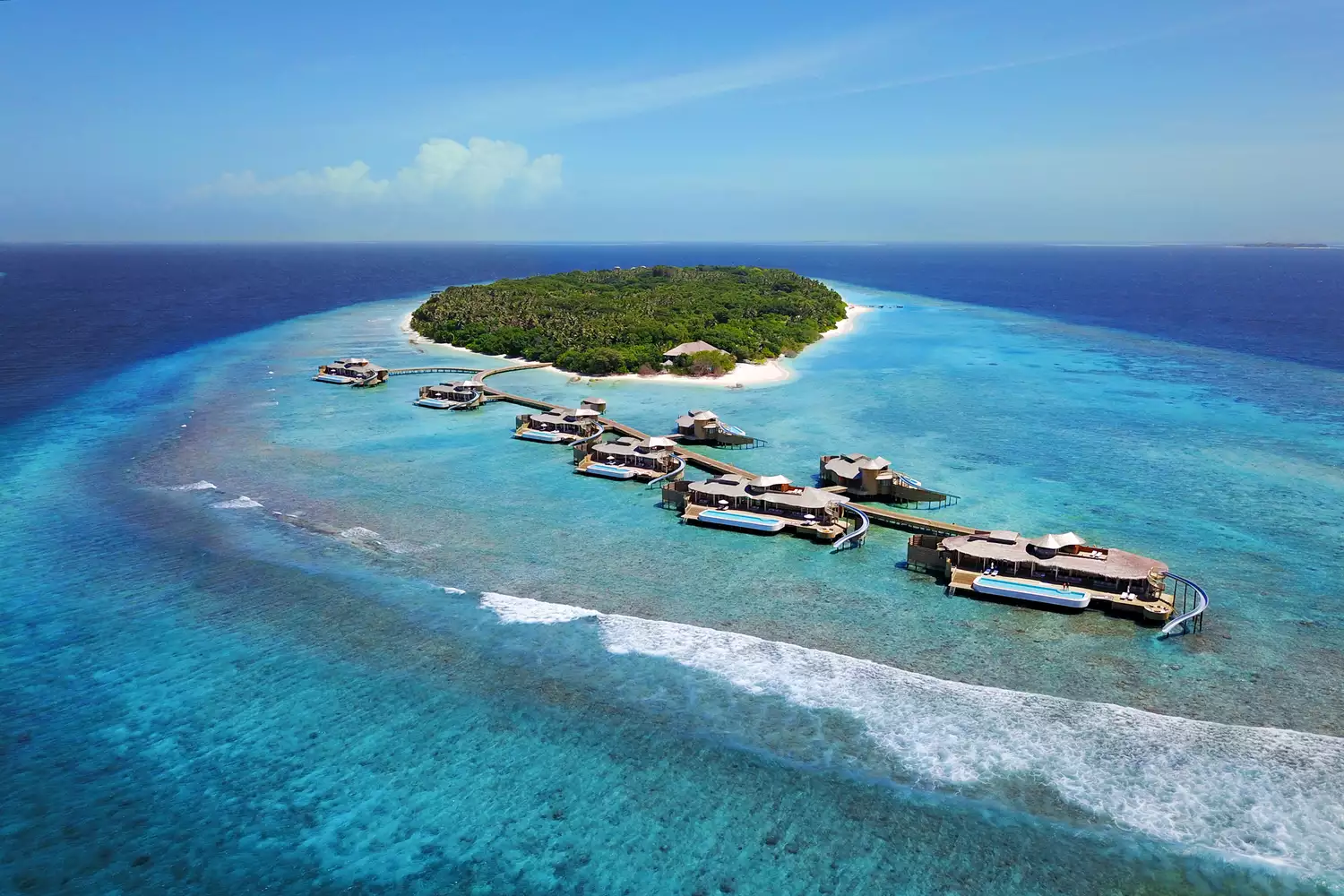
Similarly, the St. Regis Maldives Vommuli Resort has demonstrated that luxury and ecology are not mutually exclusive. By 2025, they reached a milestone of 300 guest-supported coral frames hosting more than 16,800 coral fragments across four active sites. Their approach focuses on fragment transplantation of local species to ensure the house reef remains a thriving corridor for marine life.
Soneva Fushi and Soneva Jani take a slightly different, though equally impressive, route. The Soneva Foundation has reported planting 117,000 corals, maintaining a 74% survival rate even after recent mass bleaching events. Their facilities often include sophisticated larval restoration labs, where scientists help "settle" millions of coral larvae onto artificial reefs to boost natural recruitment.
Biologist Tip: When participating in fragment transplantation, always follow the "no-touch" rule for the surrounding reef. Only handle the fragments provided by the marine biology team to avoid introducing oils or pathogens to healthy colonies.
The Stewardship Checklist: How to Choose a Genuine Program
With "greenwashing" becoming more common in the travel industry, it is essential to distinguish between a marketing gimmick and a meaningful Maldives coral restoration project. Here is how I vet a resort before recommending it to conscious travelers:
- Dedicated Staff: Does the resort employ full-time marine biologists, or is restoration a part-time task for the dive shop? Maldives luxury resorts with active marine biologist programs will usually have a dedicated "Marine Discovery Centre."
- Credentials: Look for third-party certifications. An EarthCheck Gold or Platinum rating is a strong indicator of holistic sustainable hospitality.
- Transparent Reporting: Reliable programs provide clear data on survival rates and the number of fragments planted. They should be able to tell you exactly how they are measuring success.
- Educational Depth: The best coral adoption programs in the Maldives for travelers offer more than just a certificate. They provide a curriculum. Look for educational reef conservation activities for families in Maldives, such as "junior biologist" programs that teach kids about fragment transplantation.
- Post-Stay Connection: Prioritize Maldives resorts that provide digital updates on adopted coral. The ability to see your coral grow via a private online portal transforms a one-off activity into a lifelong commitment to ocean stewardship.
For families, these sessions are transformative. Watching a child carefully attach a small fragment to a frame, knowing that it will become a home for clownfish and parrotfish, is the kind of educational travel that leaves a permanent mark on one's worldview. It’s an investment in the future of the planet, hidden beneath the waves of a luxury getaway.
FAQ
How is coral being restored in the Maldives?
Resorts use several scientific methods, including building frame nurseries where small fragments are grown until they are large enough to be transplanted. More advanced techniques include Mineral Accretion Technology, which uses electricity to speed up growth, and larval restoration, which involves collecting and settling coral larvae to regenerate large areas of the seabed naturally.
Why is coral restoration important for the Maldives?
Coral reefs are the literal foundation of the Maldives. They protect the low-lying islands from erosion and wave action, while also supporting the incredible marine biodiversity that the local economy and tourism depend on. Without healthy reefs, the islands would be highly vulnerable to climate change and rising sea levels.
Can tourists participate in coral planting in the Maldives?
Yes, many eco-friendly Maldives resorts actively encourage guest participation. Travelers can join reef gardening sessions, help marine biologists attach fragments to frames, or even participate in citizen science monitoring through snorkeling excursions. It has become one of the most popular guest experiences in the region.
Which Maldives resorts have coral restoration programs?
High-profile leaders include Four Seasons Landaa Giraavaru, Soneva Fushi, Gili Lankanfushi, and The St. Regis Maldives Vommuli Resort. Many other properties, such as Velaa Private Island and Anantara Kihavah, also have dedicated marine biology centers and active restoration initiatives.
How much does it cost to sponsor a coral frame in the Maldives?
Prices generally range from $150 to $600 USD depending on the size of the frame and the duration of the monitoring program. This cost typically covers the materials for the frame, the labor of the marine biologists, and the digital updates provided to the guest over subsequent years.
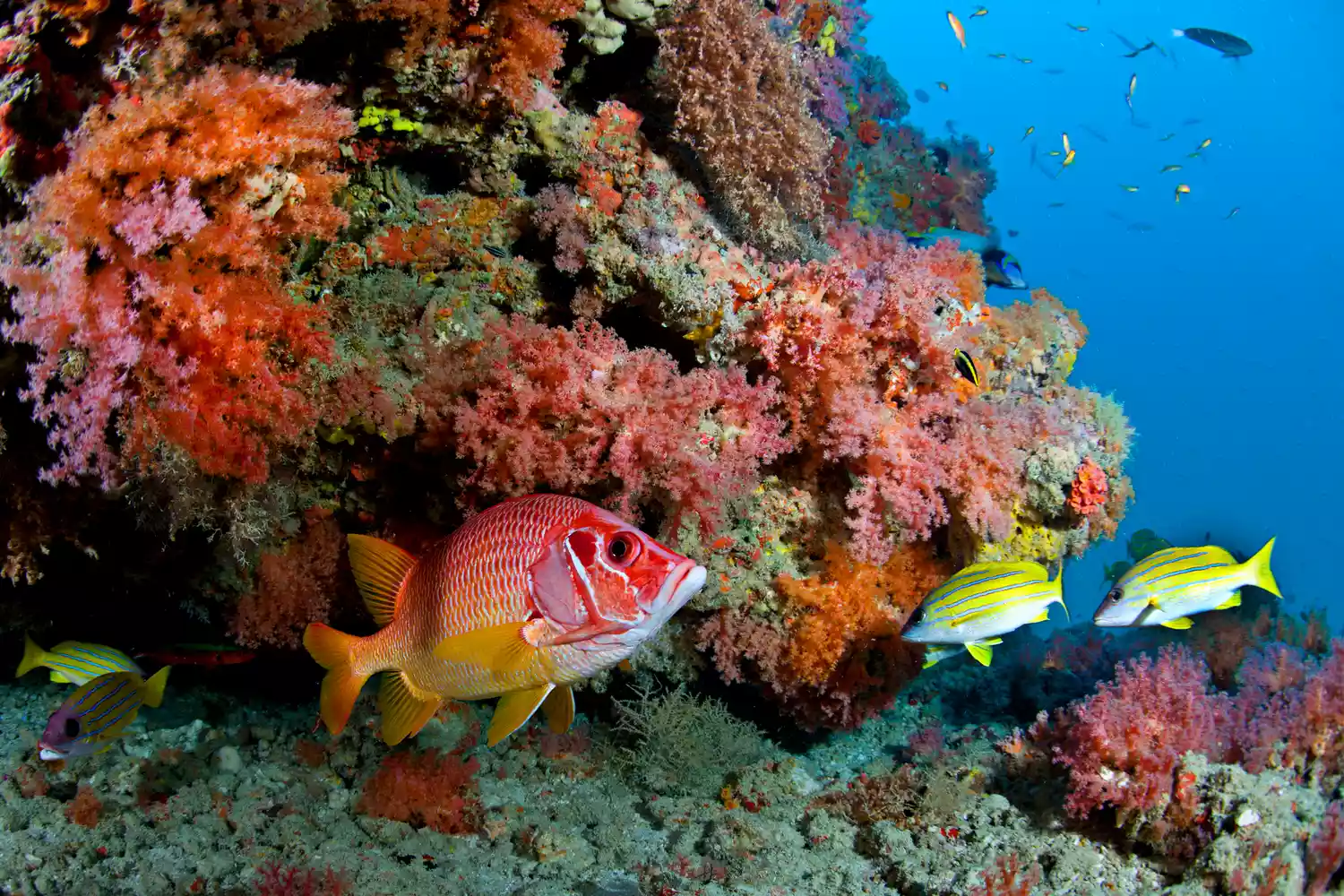
The transition from a passive tourist to a reef guardian is one of the most rewarding shifts in modern travel. As the Maldives continues to innovate in the face of environmental challenges, the opportunity for guests to play a direct role in the survival of these islands ensures that our presence in this paradise is as regenerative as it is restorative.