Our Top Picks
- The Vibe: An expansive 31-hectare estate centering on a private lake, blending the grandeur of a Georgian manor with the intimacy of a rural hideaway.
- The Design: Bespoke furniture by Sebastian Cox and artisanal joinery that celebrates the raw beauty of Sussex oak and beech.
- The Experience: A unique 'Resting by Doing' philosophy where guests exchange passive relaxation for active creative engagement.
- The Details: 55 exquisitely designed rooms that transition from vibrant social spaces to restorative, quiet sanctuaries.
Craft-led hotel design is an approach that prioritizes local provenance and artisanal joinery to create immersive, sustainable spaces. At Crafted at Powdermills, this means moving away from mass-produced furniture to embrace bespoke artisan hospitality interiors that reflect the soul of East Sussex.
The High Weald landscape in East Sussex is a tapestry of ancient woodlands and rolling hills that seems to whisper stories of old English industry and quiet artistry. It is here, amidst the evocative mist of the countryside, that a new standard for luxury is being set. Finding design-focused hotels in the East Sussex countryside has long been a pursuit for the discerning traveler, but the arrival of Crafted at Powdermills marks a departure from traditional hospitality. This isn't just a place to sleep; it is a bridge between the heritage of the land and a modern, sensory-rich luxury experience where craft-led hotel design becomes the primary language of the stay.
The Philosophy of 'Resting by Doing': Beyond the Passive Stay
For years, the gold standard of a luxury retreat was defined by what you didn't have to do. We moved from the infinity pool to the massage table in a soft haze of passivity. However, a new movement is emerging—one that values engagement over inertia. This philosophy of 'Resting by Doing' redefines wellness as an active pursuit of creativity. At this East Sussex estate, the typical spa day is replaced or augmented by the tactile satisfaction of hand-thrown ceramics or the quiet focus of a wood-carving workshop.
This shift resonates deeply with those seeking slow hospitality, where the pace of life is dictated by the time it takes for clay to dry or for a foraging walk to reveal its treasures. It is about a tactile connection to the environment. The concept of hushpitality also plays a vital role here; the design focuses on acoustic quality and the soft, resonant sounds of a working estate rather than the forced silence of a clinical hotel hallway. When guests engage with local craftsmanship to design a luxury retreat experience for themselves, the emotional resonance of the stay lingers far longer than a standard facial.
"True luxury is no longer about the gold leaf on the ceiling; it is about the story behind the chair you sit in and the hands that smoothed the wood of your headboard. It is an active dialogue between the guest and the maker."
The Sussex Supply Chain: Sustainable Materials in Hotel Design
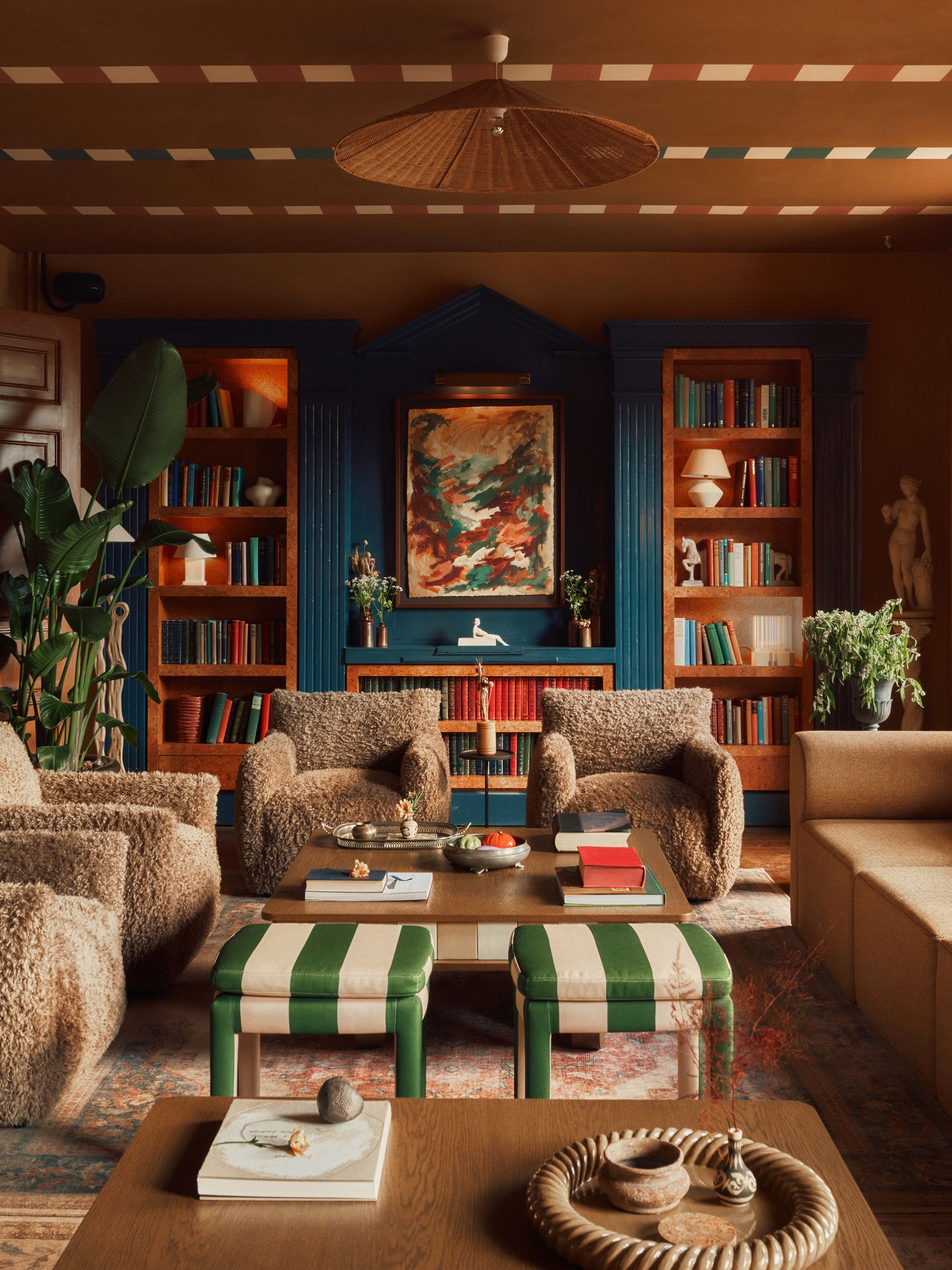
The integrity of a craft-led hotel design rests entirely on its supply chain. At Crafted at Powdermills, the commitment to local provenance is absolute. The estate, a Grade II-listed Georgian manor, provides the architectural skeleton, but the soul is breathed in through sustainable materials in hotel design. Instead of importing mass-produced pieces from overseas, the developers have looked to the surrounding forests.
Sussex oak and beech form the backbone of the interior architecture. By sourcing sustainable local timber for custom furniture projects, the hotel significantly reduces its carbon footprint while supporting the regional woodcraft economy. This is a crucial consideration as the industry evolves. The UK boutique hotel market generated an estimated revenue of USD 2,018 million in 2024 and is projected to reach USD 3,105.7 million by 2030. This growth reflects a growing appetite for authentic, regional experiences.
The difference between a space that is 'made' versus one that is simply 'assembled' is felt in the weight of the doors and the smoothness of the artisanal joinery. Using reclaimed timber and organic finishes ensures that the building’s historical narrative continues into the future. This approach to choosing sustainable materials for modern boutique hotel interiors isn't just an aesthetic choice; it is a commitment to a circular economy that respects the Grade II-listed architecture it inhabits.
Designing the 'Exhale': From Curated Maximalism to Minimalist Retreats
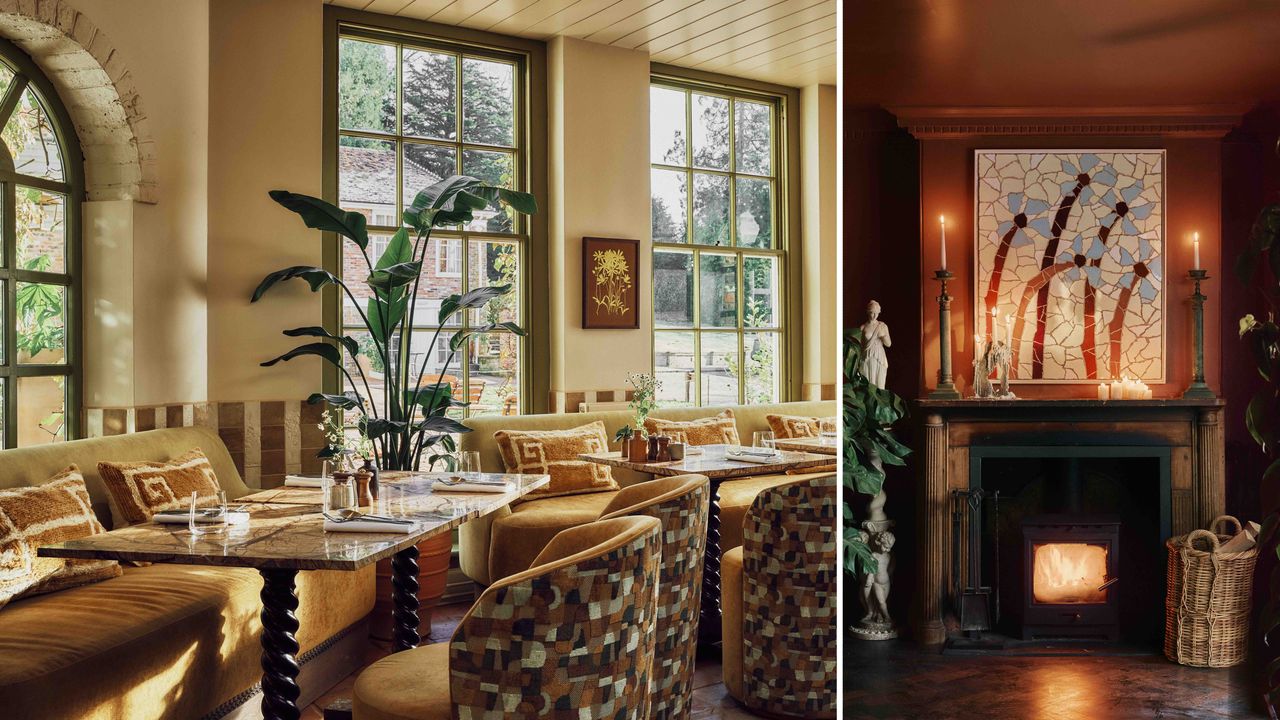
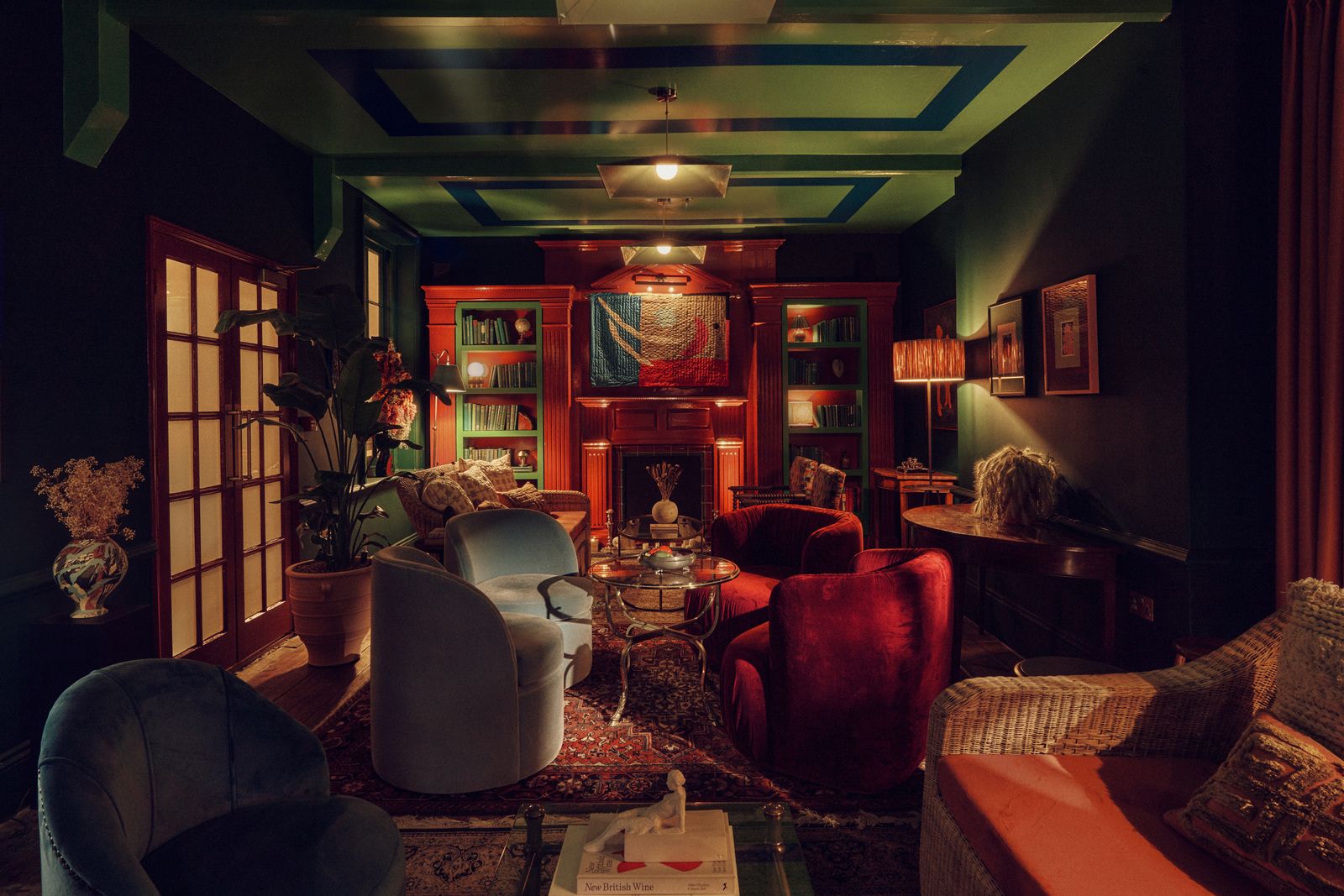
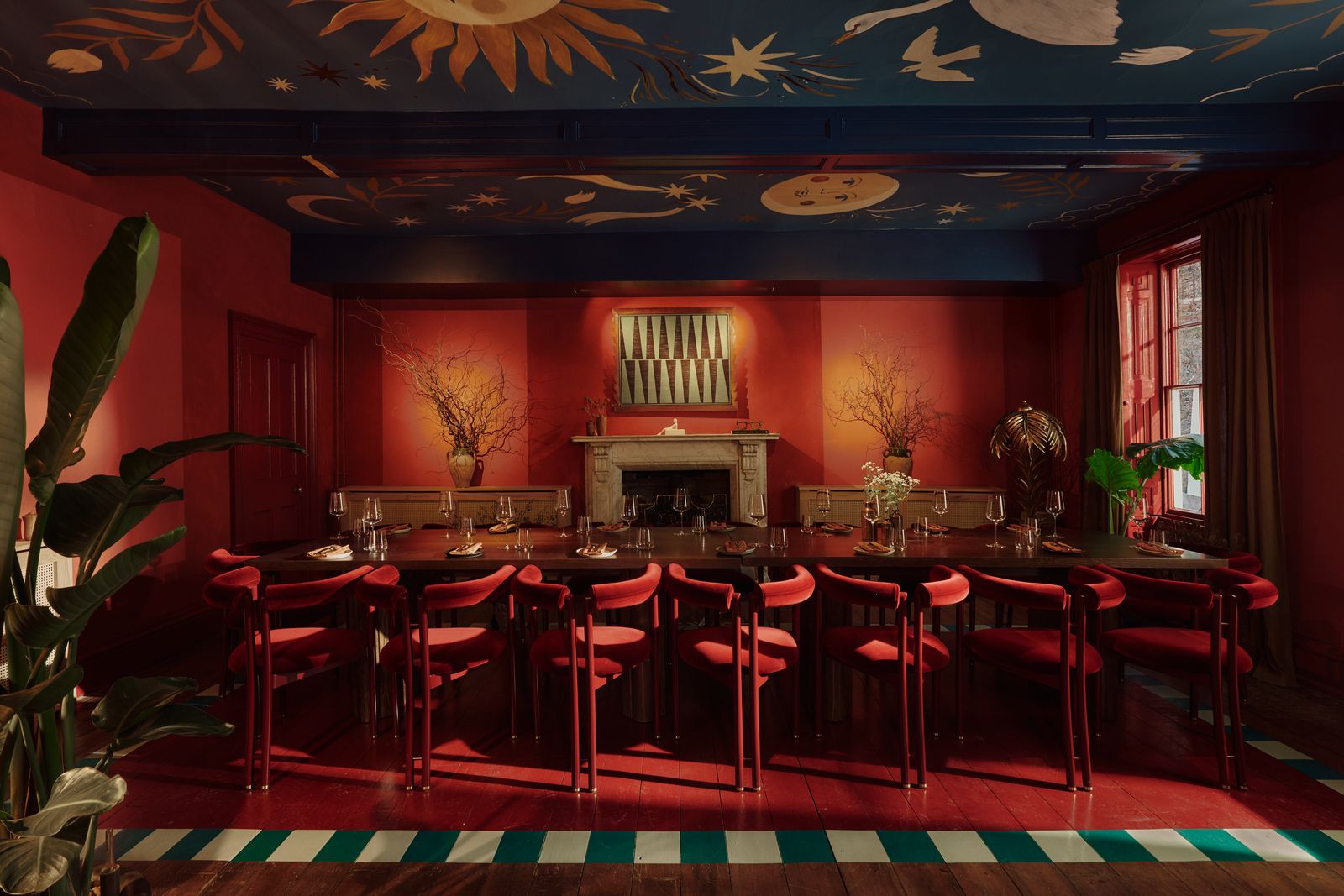
The journey through the hotel is designed as an emotional map. In the communal areas, such as the bar and lounge designed by House of Dre, there is a sense of exuberant curated maximalism. Think bold patterns, hand-painted murals, and a nature-inspired palette of ochre, rust, and sage that mirrors the changing Sussex seasons. These areas are designed for connection—lively spaces where the history of the building and the vibrancy of British craftsmanship are on full display.
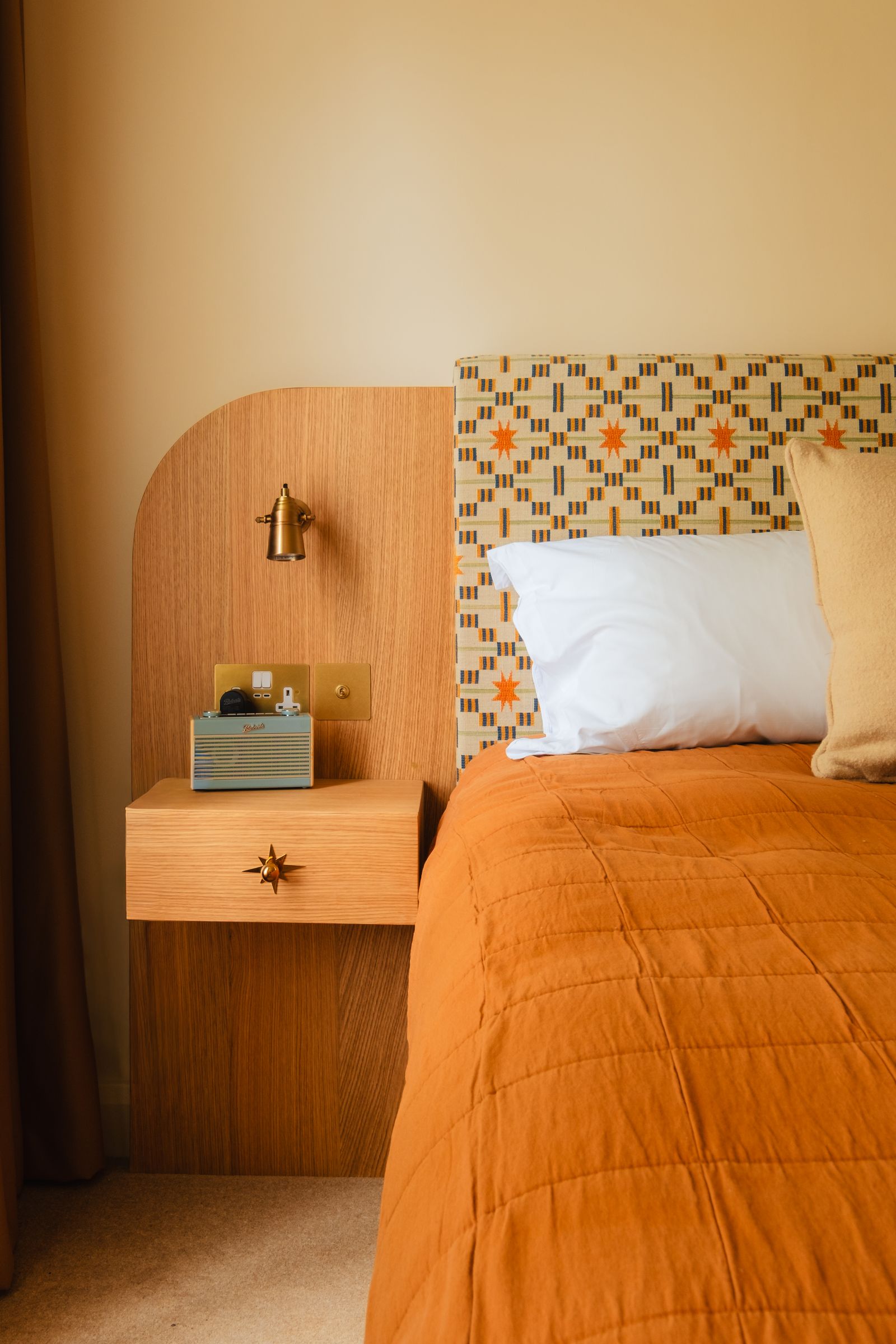
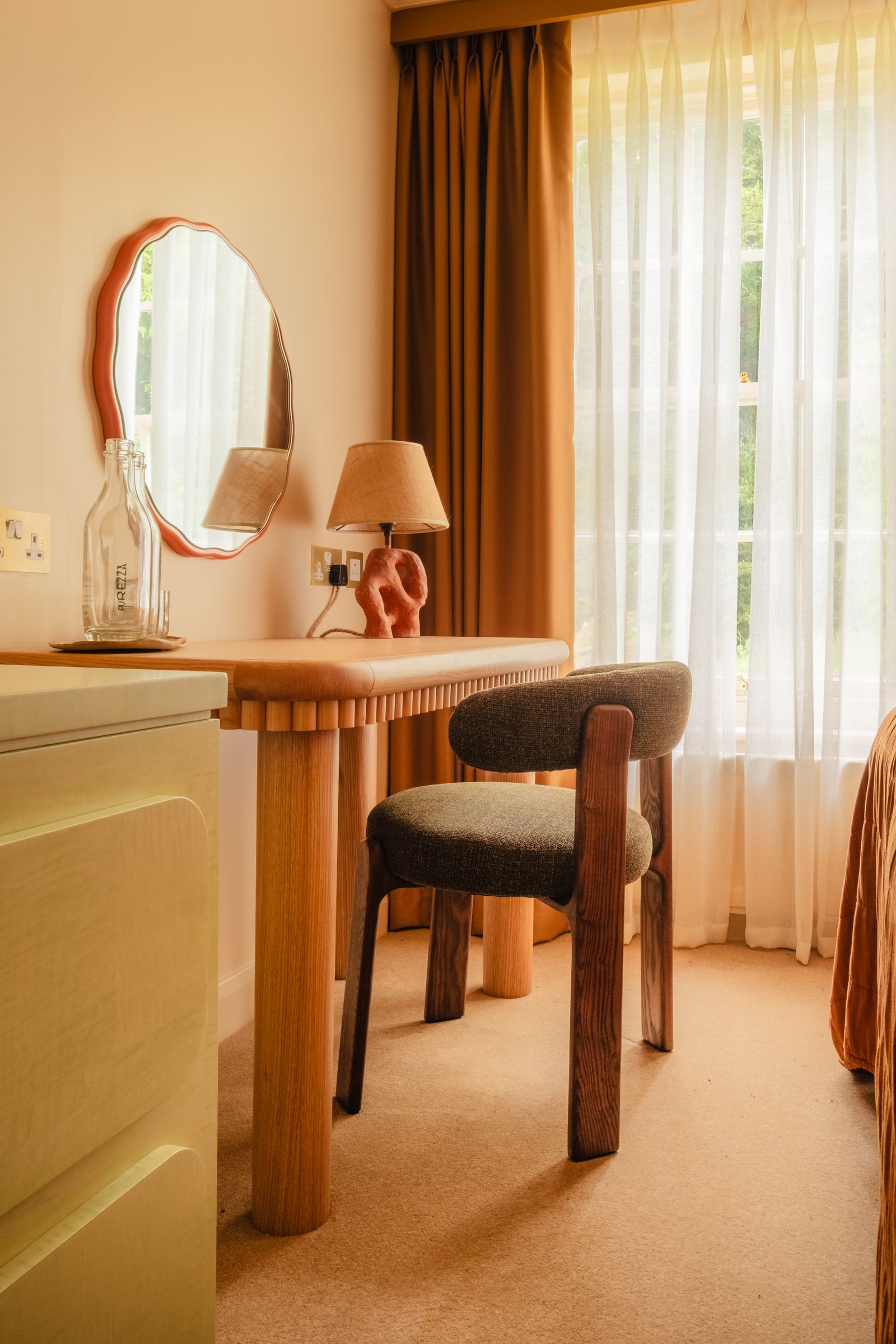
However, as you move toward the 55 artisan-designed rooms and suites, the volume is turned down. Here, the design facilitates an emotional exhale. The exuberant patterns give way to tactile finishes and minimalist retreats that prioritize rest. In these rooms, every element feels intentional. You might find a bespoke Sebastian Cox wardrobe that smells faintly of the forest or hand-woven textiles that invite you to touch. This transition ensures that while the social heart of the hotel is stimulating, the private quarters remain a sanctuary for slow hospitality. This careful balance is what allows the property to stand alongside iconic East Sussex stays like The Star in Alfriston, which similarly uses thoughtful renovation to honor its 14th-century roots.
Recreating the Retreat: Incorporating Craft-Led Design at Home
The beauty of a stay at a property like Crafted at Powdermills is that it serves as a shoppable editorial for your own life. You don't have to be a hotelier to appreciate the value of regional craftsmanship. Incorporating craft-led design at home is about moving away from the "fast furniture" culture and toward pieces with a soul.
If you are wondering how to recreate craft-led boutique hotel interiors at home, start with the materials. Look for hand-thrown ceramics from local potters rather than mass-market sets. Instead of a standard bookshelf, consider commissioning a local maker for a piece that uses reclaimed timber, allowing the natural grain and history of the wood to be the focal point. Mixing antique finds with contemporary, bespoke artisan hospitality interiors creates a layered look that feels curated rather than staged. It is about the tactile finishes—the linen that gets softer with age, the cool touch of stone, and the warmth of real wood. By focusing on quality over quantity, you can transform a living space into a personal retreat that echoes the slow, intentional beauty of the Sussex countryside.
FAQ
What is craft-led hotel design?
Craft-led hotel design is an interior and architectural philosophy that prioritizes the work of individual artisans and small-scale makers over mass-produced furniture and decor. It focuses on local provenance, using materials sourced from the surrounding region, and emphasizes the process of making—such as hand-weaving, bespoke joinery, and traditional stone masonry—to create a unique, storytelling environment.
How does craft-led design contribute to hotel sustainability?
This design approach contributes to sustainability by reducing the carbon footprint associated with transporting furniture and materials long distances. By using local timber, stone, and textiles, hotels support regional economies and preserve traditional skills. Furthermore, craft-led pieces are typically built for durability using natural, organic finishes and reclaimed materials, promoting a circular economy and reducing waste compared to "disposable" hospitality interiors.
What is the difference between craft-led and mass-produced hotel design?
The primary difference lies in the narrative and the quality of the finish. Mass-produced hotel design often results in a "cookie-cutter" aesthetic where rooms look identical across different global locations. In contrast, craft-led design ensures that every piece of furniture, art, or textile is unique and specific to that location. It prioritizes tactile finishes, artisanal joinery, and minor "perfect imperfections" that signify a human touch, whereas mass-produced design focuses on uniformity and cost-efficiency.
How do designers balance modern technology with traditional hotel crafts?
Designers achieve this balance by integrating technology seamlessly so it doesn't disrupt the artisanal aesthetic. For example, high-speed Wi-Fi and smart climate controls might be hidden behind bespoke timber paneling or integrated into antique-style cabinetry. The goal is to provide the convenience and comfort of 21st-century living while maintaining the visual and emotional resonance of traditional craftsmanship within the space.